
Stepping back into the dating world after fifty brings a unique set of advantages—you know who you are, what you tolerate, and what you actually want. Yet, building a lasting connection requires shifting your approach from the fast-paced dating habits of your twenties to strategies that foster genuine emotional intimacy and safety. Whether you are recovering from a divorce, navigating life as a widow, or simply looking to share your next chapter with someone special, the rules of engagement have evolved. By focusing on intentional communication, setting firm boundaries, and understanding how to protect yourself both emotionally and financially, you can cultivate a mature relationship that deeply enriches your life.

Embrace Curiosity Over Assumptions
In your fifties, you bring decades of lived experience to the table. You have likely survived heartbreak, navigated complex family dynamics, and built a fulfilling life. While this wisdom serves as a powerful compass, it can also lead you to make rapid assumptions about new partners based on your past relationships. If your former spouse avoided difficult conversations, you might instinctively brace for silence when a new partner hesitates before answering a question. This emotional baggage is a normal part of mature dating, but projecting past trauma onto a new person punishes them for circumstances they did not create.
Healthy dating requires you to replace those defensive assumptions with genuine curiosity. The Gottman Institute, renowned for its decades of clinical research on couples, emphasizes the importance of continually updating your knowledge of your partner through open-ended questions. Instead of assuming you know how someone feels because you have seen a similar pattern in the past, ask them directly. Maintaining curiosity allows you to discover who they truly are, rather than relying on an outdated script from your previous relationships.
For example, rather than asking a generic question about whether they enjoyed their workday, ask them what the most draining part of their afternoon was. Instead of guessing how they feel about their adult children, ask them what surprises them most about parenting at this stage in life. This habit of curiosity keeps the connection dynamic and prevents you from trapping a new partner in the shadow of your past. It shows them that you are interested in the person sitting in front of you today, laying the groundwork for profound emotional intimacy.

Pace the Emotional Investment
When you meet someone who sparks an immediate connection, the temptation to dive in headfirst can be overwhelming. You might feel a subtle sense of urgency, driven by the societal myth that time is running out. However, pacing your emotional investment is a critical habit for building a stable, long-lasting foundation. Moving too quickly bypasses the essential phase of building trust through shared experiences over time.
It takes time to observe how a person handles stress, treats service workers, and navigates disagreements. Pacing the relationship allows you to evaluate compatibility without the blinding influence of early infatuation. It also protects you from manipulative behaviors, such as love bombing. In mature dating, love bombing often manifests as extravagant gifts, premature declarations of having found a soulmate, or intense pressure to consolidate finances and move in together quickly. By slowing down the progression of the relationship, you force any hidden motives or incompatible traits to reveal themselves naturally.
Taking it slow also means refusing to abandon your established routine. If you usually spend your Sunday mornings reading the paper and enjoying a quiet coffee, do not immediately surrender that ritual just because a new match wants to see you. Integrating a new person into your life should happen gradually. You want a relationship that complements your established life, rather than one that demands you dismantle your current peace to make room for it. Pacing ensures that your connection is built on mutual respect rather than desperate attachment.

Recognize and Respond to Small Bids for Connection
Relationships are not sustained by grand romantic gestures, lavish gifts, or expensive vacations. They thrive in the micro-moments of everyday life. According to relationship researchers, one of the greatest predictors of relationship success is the ability to recognize and turn toward your partner’s bids for connection. A bid is any attempt—verbal or non-verbal—that your partner makes to get your attention, affection, or affirmation.
In mature dating, a bid might look incredibly mundane. Your partner might point out an interesting bird in the yard, send you a text with a link to an article about a shared hobby, or casually mention that they had a frustrating phone call with their sibling. You have three choices in these moments: turn away by ignoring them, turn against them by responding with irritation, or turn toward them by actively engaging.
When you consistently turn toward these bids, you deposit goodwill into the relationship’s emotional bank account. If a partner sighs heavily while reading a book, turning toward them means asking what is on their mind. You do not have to fix their problem; the simple act of bearing witness to their experience is often enough. Reciprocating and acknowledging these small moments validates their desire to share their world with you. Over time, these small affirmations build a resilient emotional bond that can withstand the inevitable conflicts and challenges of life.
Prioritize Digital and Financial Boundaries
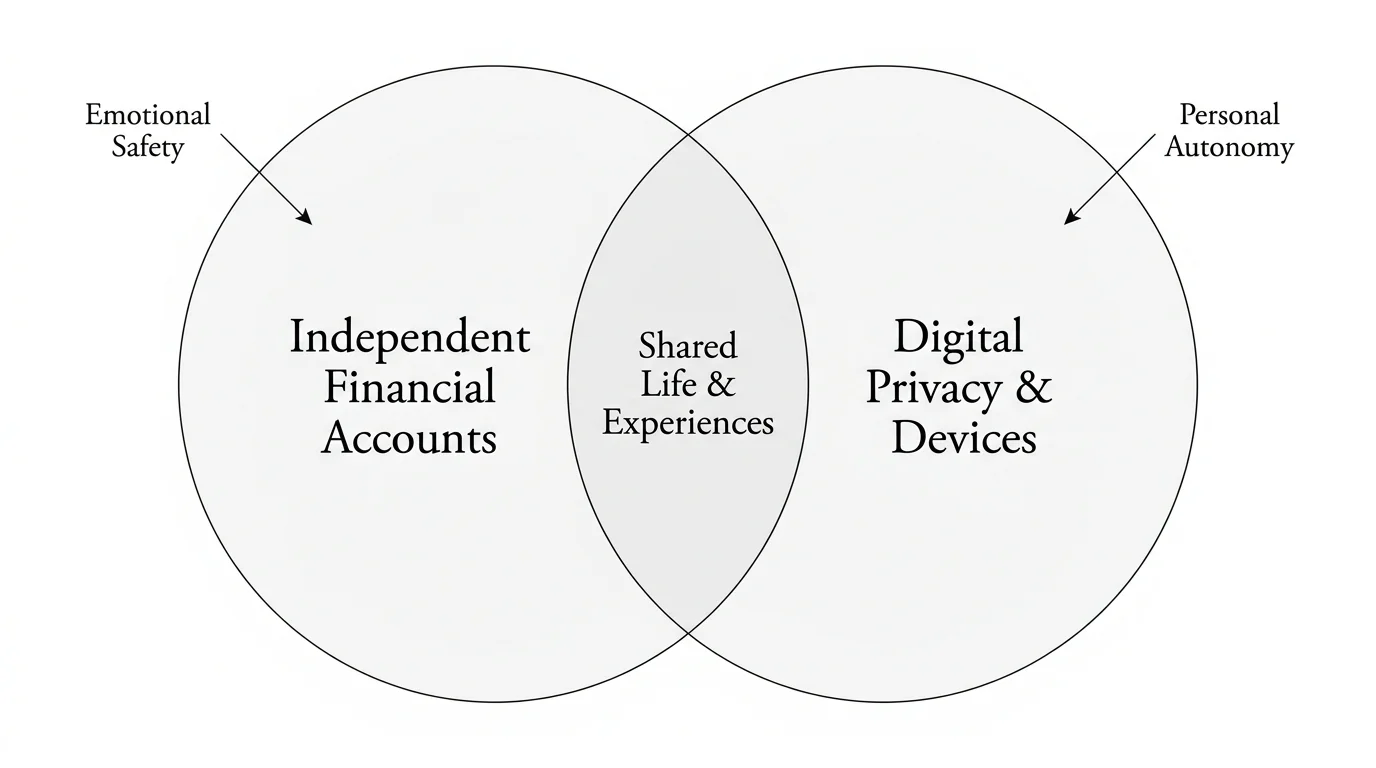
Modern dating relies heavily on digital platforms, from dedicated dating applications like Match and eHarmony to various social media networks. While these tools expand your dating pool significantly—especially considering that 36 percent of men and 49 percent of women over 65 are single, according to data from Pew Research—they also expose you to sophisticated risks. Protecting your financial security and personal data is just as important as protecting your heart.
Recent data reveals that romance scams represent a massive threat to adults seeking companionship. Consumers reported losing over $1.14 billion to romance scams in recent tracking periods, with nearly 60 percent of victims stating the scam started on a social media platform. Scammers frequently target adults over fifty, exploiting their desire for connection by building intense, fake emotional bonds before inventing a crisis that requires urgent financial assistance. They often use advanced technology, including artificial intelligence, to craft convincing personas and messages.
Building a habit of skepticism and strict digital hygiene is non-negotiable. Establish a firm rule early in your dating journey: never send money, wire transfers, cryptocurrency, or gift cards to someone you have only met online. Protect yourself by adhering to a clear safety checklist when dating in the digital age:
- Keep your social media profiles set to private to prevent scammers from harvesting your personal details to manipulate you.
- Use reverse image search tools on Google to verify that your match’s photos do not belong to someone else.
- Insist on a video call early in the conversation to confirm their identity.
- Meet in public places for the first few dates and always arrange your own transportation.
- Discuss new romantic interests with trusted friends or family members; an outside perspective can often spot red flags you might miss.
For comprehensive guidance on identifying, avoiding, and reporting online fraud, you can review consumer safety resources provided directly by the Federal Trade Commission.
Communicate Your Needs Without Apology
Many adults, particularly those who spent decades in marriages that required constant compromise or people-pleasing, enter the modern dating pool with a habit of minimizing their own needs. You might drop subtle hints about what you want, hoping a new partner will magically interpret your desires. This indirect approach only breeds resentment and confusion. Healthy dating after fifty requires the habit of direct, unapologetic communication.
You are entirely responsible for teaching a new partner how to love and support you. If you need more frequent communication between dates to feel secure, state it clearly. If you prefer to sleep in your own bed rather than staying over at their house, articulate that boundary without framing it as a personal flaw or an inconvenience. Setting a boundary might feel uncomfortable in the moment, but it prevents months or years of unspoken frustration later down the line.
Using statements centered on your own feelings removes the sting of accusation while keeping your boundaries firm. Instead of saying, “You never call me when you say you will,” try framing it as, “I need consistency in communication to feel secure; when plans change without notice, I feel disconnected.” This habit invites collaboration rather than defensiveness. It filters out partners who lack the emotional maturity to accommodate your needs and draws in those who respect your self-awareness.

Cultivate Everyday Affection and Redefine Intimacy
Physical and emotional intimacy undergo significant transformations as we age. Bodies change, energy levels fluctuate, and medical realities can alter how you connect physically. One of the most powerful habits you can develop is the willingness to redefine what intimacy looks like in this season of your life. The pressure to maintain the physical stamina of your twenties can cause severe anxiety, leading some older adults to avoid physical contact altogether.
Leading relationship therapists emphasize that incorporating frequent, non-sexual affection into your daily routine is vital for maintaining closeness. Small gestures—holding hands while walking, resting a hand on their shoulder while they cook, or maintaining lingering eye contact—trigger the release of oxytocin, which fosters a profound sense of trust and well-being. These acts of affection serve as a continuous reminder of your connection.
Do not let societal narratives convince you that passion belongs exclusively to the young. Mature intimacy often carries a depth, grace, and vulnerability that younger couples have not yet earned. By communicating openly about physical changes, preferences, and insecurities, you create a safe environment where both partners feel deeply valued. If traditional physical intimacy becomes challenging due to health or mobility, shift your focus to emotional closeness and forms of physical touch that prioritize mutual comfort and connection over performance.

Keep Your Independent Life Intact
The healthiest relationships are composed of two whole individuals who choose to share their lives, rather than two halves seeking completion. In your fifties and beyond, you have likely spent considerable time cultivating your own identity, career, friendships, and hobbies. A destructive habit many people fall into is abandoning these independent pursuits the moment a new romance begins.
Maintain your individual routine and protect your personal space. Continue attending your weekly book club, prioritizing your exercise regimen, and spending uninterrupted time with your adult children or close friends. A partner who genuinely cares for you will support your independence and encourage you to maintain the vibrant life that made you attractive to them in the first place. Enmeshment—where partners lose their individual identities in favor of the relationship—ultimately drains the partnership of energy and interesting conversation.
If you encounter a partner who discourages you from seeing your friends, criticizes your hobbies, or attempts to monopolize your time, recognize these behaviors as serious warning signs of isolation and control. Healthy love expands your world; it does not shrink it. A truly strong relationship after fifty honors the individual paths you both walked before you met, allowing those paths to run parallel without erasing either one.
Please note: If you ever feel isolated, coerced, or unsafe in a relationship, or if a partner’s behavior causes severe distress, seek professional help immediately. You can reach out to the National Domestic Violence Hotline at 1-800-799-SAFE (7233) or text “START” to 88788 for free, confidential support from trained advocates.