
When you want a meaningful relationship, leaning in too hard early on can push the right person away. Desperation rarely looks like begging; it usually disguises itself as overeagerness, people pleasing, or moving too quickly to secure a commitment. Whether you are reentering the dating pool after fifty or simply exhausted by modern romance, projecting neediness ruins your chances of building a balanced connection. Healthy love requires pacing, emotional regulation, and a clear understanding of your own worth. If you catch yourself abandoning your boundaries just to keep someone interested, it is time to pivot. By identifying these common missteps, you protect your peace, reclaim your confidence, and attract a partner who values you for who you actually are.
Over-Texting and Ignoring Digital Boundaries
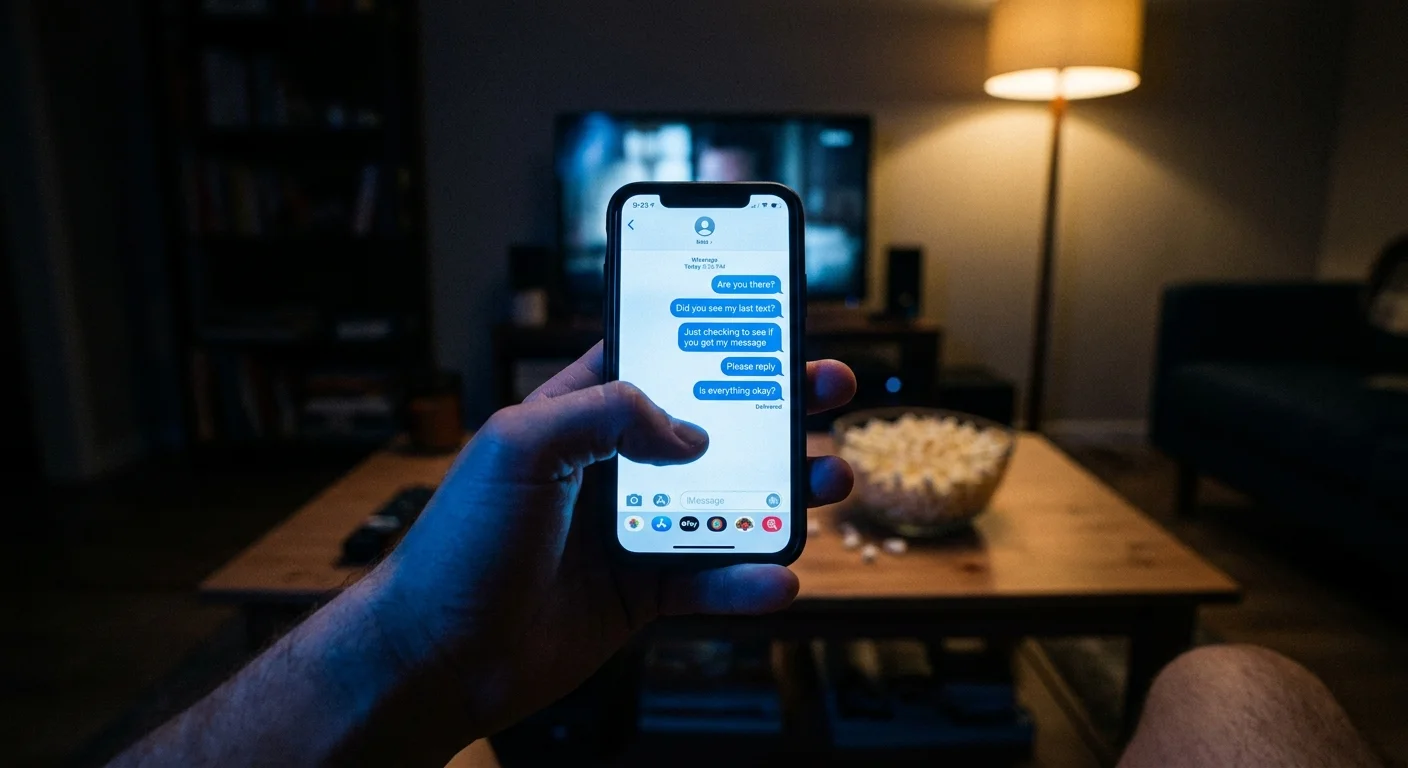
When you find someone intriguing, you naturally want to communicate with them constantly. However, bombarding a new romantic interest with text messages signals a profound lack of emotional control. Psychological studies indicate that high-frequency texting or sending multiple messages when someone delays their response often stems from an anxious attachment style. While you might view a barrage of texts as a harmless sign of affection, the recipient frequently interprets it as an emotional threat or an overwhelming demand for their immediate attention.
Furthermore, replacing face-to-face conversations with excessive digital communication can actually damage a budding romance. Research reveals that an overreliance on texting in new relationships is directly related to increased conflict and decreased emotional intimacy. Texting serves as an excellent tool for coordinating schedules and sharing brief, lighthearted updates, but it is a terrible medium for navigating complex emotions or seeking constant connection.
Instead of sending a frantic follow-up message when your date takes a few hours to reply, match their pacing. If they send one thoughtful text a day, respond with the same calm energy. Give the connection room to breathe. For example, if you send a message and do not hear back by the evening, put your phone in another room and focus on a hobby. Do not send a “just checking to see if you got my message” text; they saw it. Practicing digital restraint demonstrates that you possess a fulfilling, engaging life outside of your smartphone screen.
Rushing Physical Intimacy or Emotional Confessions
Declaring deep feelings or pushing for rapid physical intimacy prematurely rarely builds a lasting foundation; instead, it suffocates the other person. If you are reentering the dating world after fifty, you might feel a lingering pressure to make up for lost time. You may have spent decades in a highly intimate marriage, and the sudden absence of that deep emotional shorthand can feel jarring. This urgency often causes daters to skip the crucial evaluation phase and jump straight into treating a virtual stranger like a guaranteed life partner.
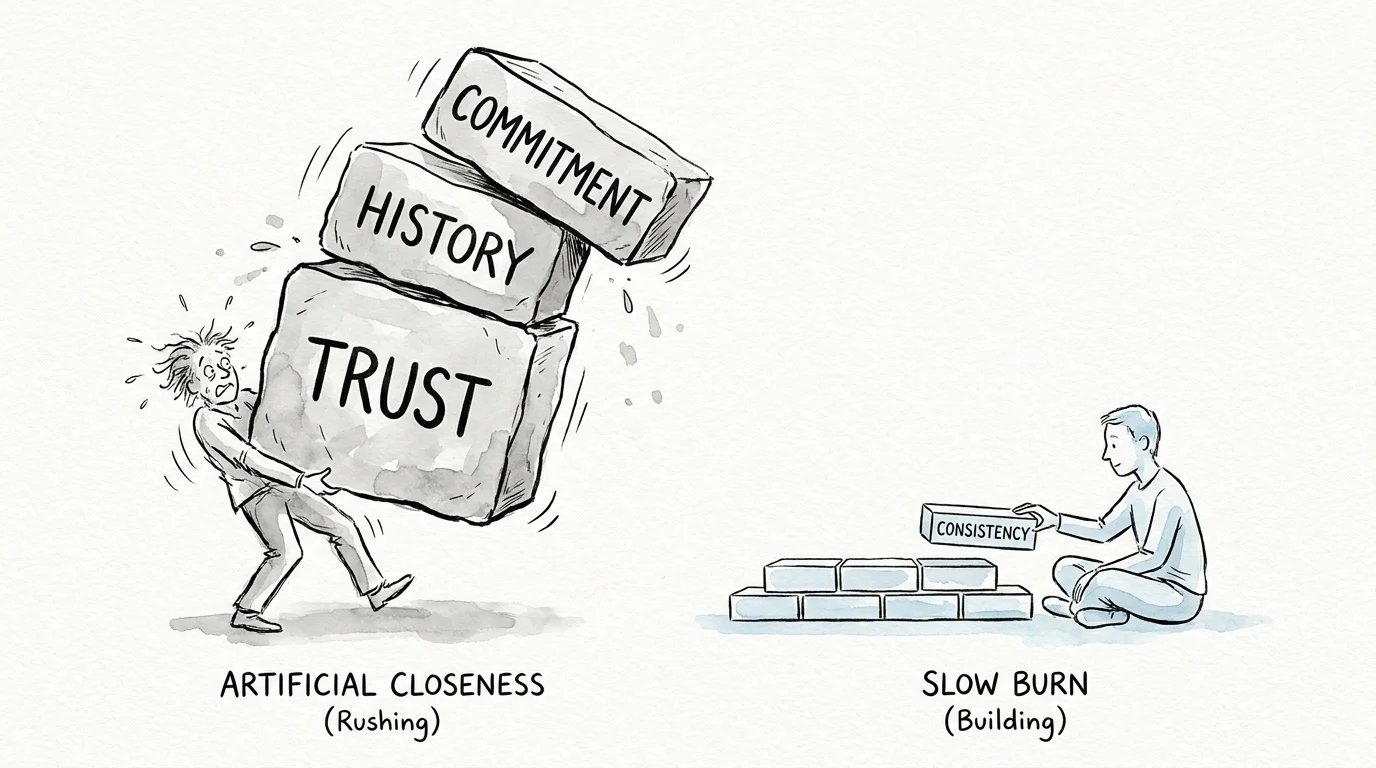
Mature dating thrives on shared values, mutual respect, and intentional pacing. You cannot manufacture a shared history with someone over a single weekend. Telling someone you love them on a second date does not sound romantic—it sounds alarming. It strongly suggests you are falling in love with the fantasy of a relationship rather than the actual human being sitting across the table.
True intimacy requires a slow burn. If you feel the urge to over-invest emotionally right out of the gate, step back and examine your true motives. Are you genuinely connecting with this person, or are you just trying to fill an uncomfortable emotional void? Allow trust to develop organically through consistent, reliable behavior over months, rather than days. Keep your first few dates contained to a couple of hours rather than planning marathon weekend events that force an artificial closeness.
Canceling Your Own Plans to Accommodate Theirs
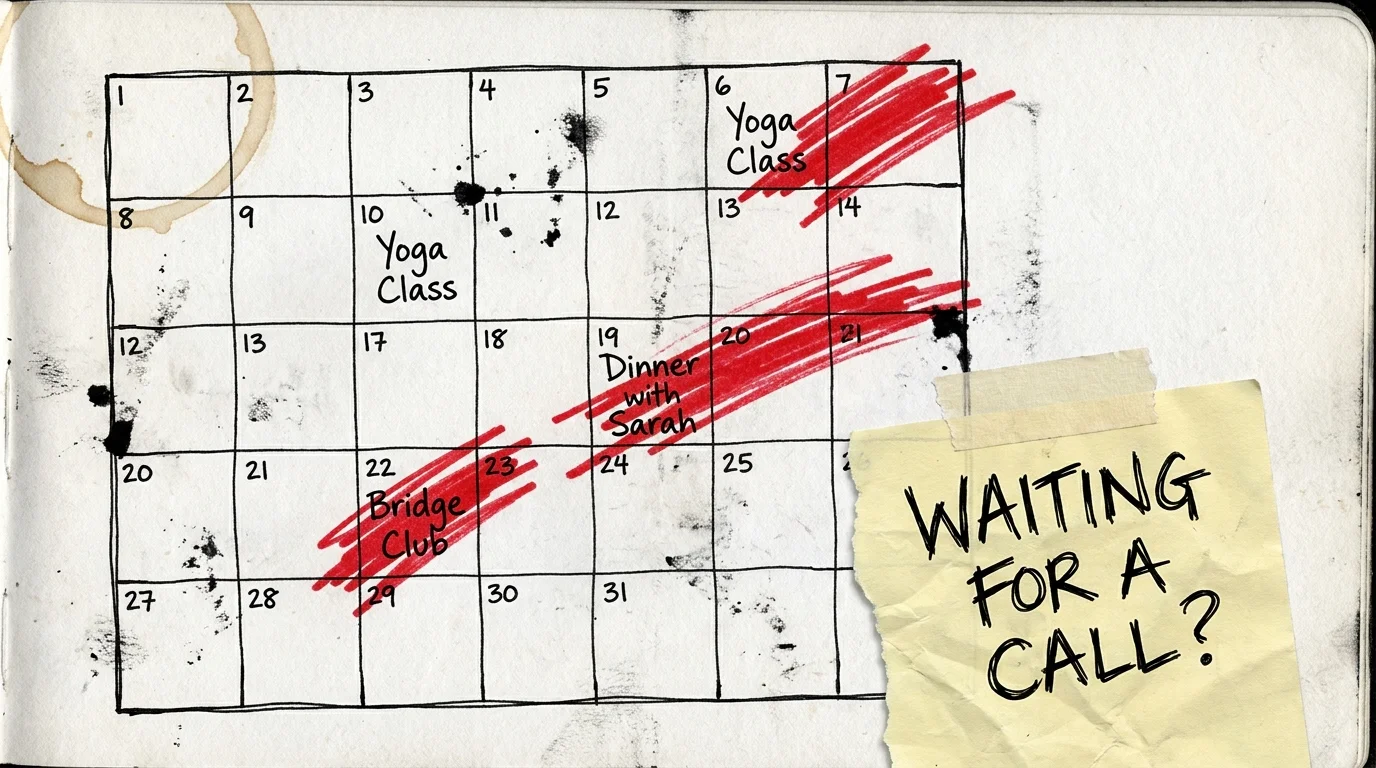
One of the clearest indicators of desperation is abandoning your established life to ensure you are always available for a date. If you drop your weekly tennis match, cancel dinners with friends, or neglect your personal fitness routines the moment a potential partner asks to see you, you communicate that your own time holds no inherent value.
A healthy, secure partner wants to enter a life that is already full, structured, and vibrant. They do not want to be your sole source of entertainment, nor do they want the pressure of acting as the absolute center of your universe. When you bend over backward to accommodate their schedule while ignoring your own, you set a dangerous precedent for the entire relationship. You teach them early on that your boundaries are entirely negotiable.
To project confidence, maintain your existing commitments. If a new prospect asks you out for Thursday night and you already have a painting class booked, decline politely and offer a firm alternative. You can say, “I have a class on Thursday evening, but I would love to grab coffee on Saturday morning instead.” This simple pivot shows that you prioritize your own schedule but still hold a genuine interest in seeing them. Protecting your independence makes you vastly more attractive and intriguing.
Ignoring Red Flags Because You Want a Relationship
Desperation often wears the mask of extreme tolerance. When you desperately want to avoid being single, you might convince yourself that poor communication, blatant disrespect, or severe inconsistency are just temporary quirks. You excuse their bad behavior, rationalize their flakiness, and accept absolute crumbs of affection because you fear having to start the dating process all over again.
Overlooking early warning signs guarantees future heartbreak. If a date speaks poorly to service staff, belittles your core interests, or refuses to respect your physical boundaries, no amount of wishing will transform them into a supportive partner. Tolerating poor treatment signals that you do not respect yourself enough to walk away from a toxic situation. Settling for someone who mistreats you is infinitely more exhausting than waiting for someone who honors you.
It is vital to recognize when a red flag crosses the line into dangerous territory. Please seek professional help immediately if you experience abuse, coercion, severe distress, or have ongoing safety concerns in your dating life. If a new partner exhibits controlling behavior, extreme jealousy, or attempts to isolate you from loved ones, these are recognized indicators of dating violence. You can reach out to the National Domestic Violence Hotline for 24/7 confidential support and guidance. Furthermore, always prioritize safe consent, relying on organizations like RAINN to understand your personal rights and access crucial resources.

Oversharing Past Traumas on the First Date
Vulnerability serves as a critical component of a deep connection, but trauma dumping on a first or second date represents a massive misstep. Sharing the darkest, most painful details of your past divorce, childhood trauma, or financial ruin before establishing a baseline of mutual trust puts an unfair emotional burden on a near-stranger. It creates an artificial illusion of intimacy while actually exposing poor emotional boundaries.
Research indicates that an alarming number of individuals use dating as an avenue for self-improvement or emotional offloading, effectively treating their dates like free therapists. Leading with your heaviest baggage makes you appear unable to manage your own emotional well-being. A first date is an audition for a romantic partner, not a clinical counseling session.
Share your story progressively as trust builds. On early dates, focus the conversation on your passions, your current interests, and your future goals. Keep the dialogue light, engaging, and authentic. Save the complex, heavy conversations for when you have established mutual care and a secure, supportive foundation. If you find yourself unable to hold back overwhelming emotional pain, process those feelings with a licensed therapist or through resources provided by the National Alliance on Mental Illness before you actively pursue romance.
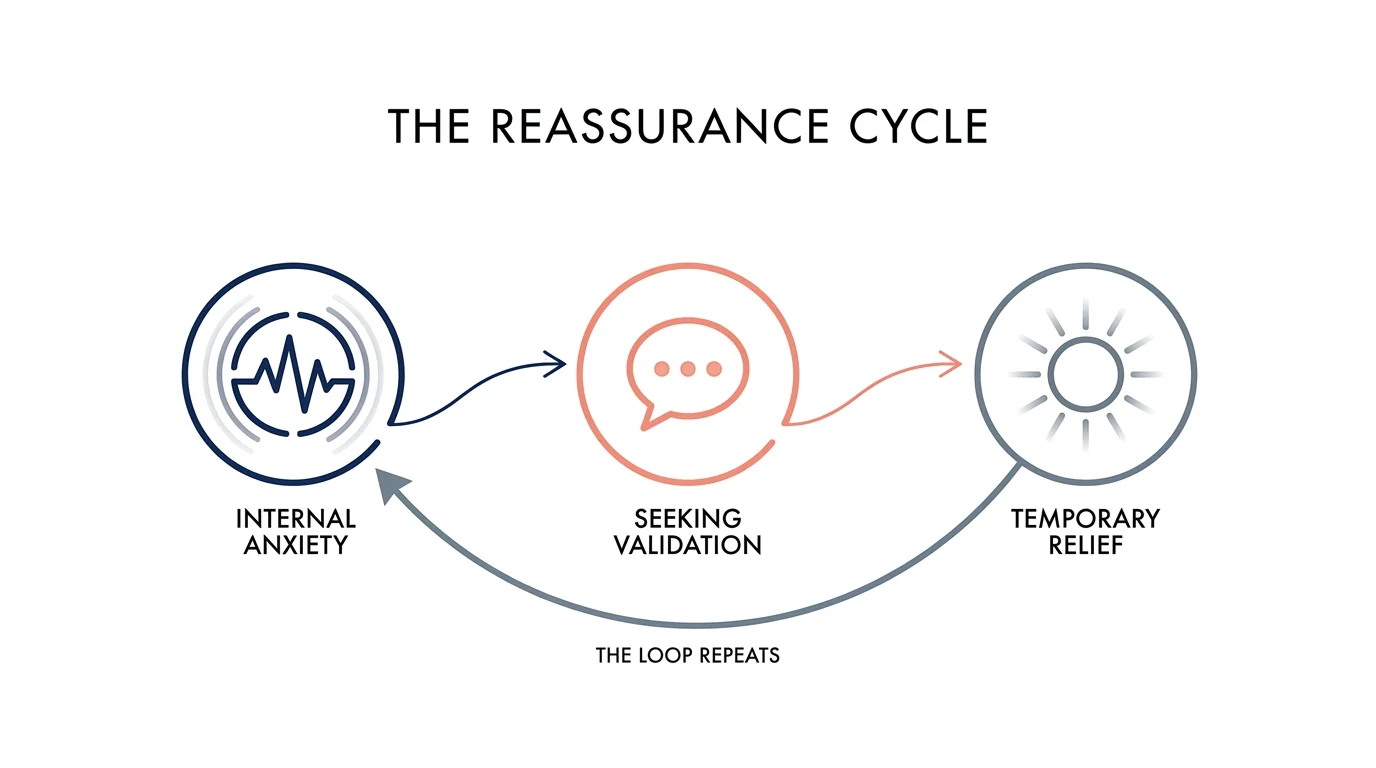
Seeking Constant Reassurance and Validation
Confidence is quiet; insecurity is exceptionally loud. If you repeatedly ask a new partner questions like, “Do you really like me?” or “Are you still attracted to me?”, you shift the heavy emotional labor of managing your self-esteem directly onto their shoulders. While everyone appreciates a thoughtful compliment, relying on a date to validate your basic worth drains their energy and ruins the romantic dynamic.
When you constantly fish for reassurance, you project a deep-seated belief that you are not actually worthy of their affection. This lack of self-belief often acts as a self-fulfilling prophecy, driving away the very people you want to keep close. A secure partner wants an equal teammate, not someone they have to constantly prop up emotionally.
Rather than seeking external validation, do the internal work required to build your confidence. Remind yourself of your positive traits, your life accomplishments, and the unique value you bring to a relationship. When a date gives you a compliment, simply smile, say thank you, and accept it graciously. Do not deflect the compliment or immediately demand further proof of their affection.
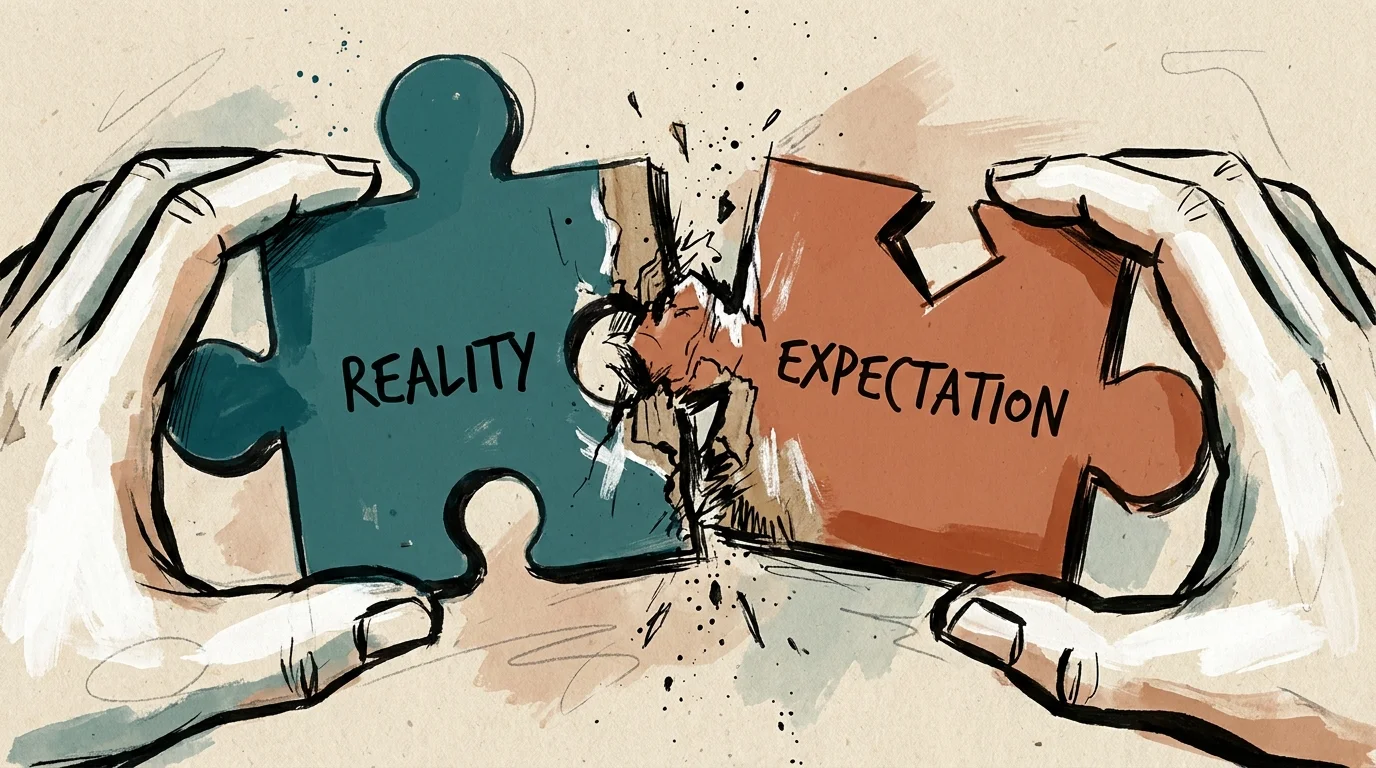
Forcing a Connection Where None Exists
According to data from the Pew Research Center, roughly 57 percent of women over the age of fifty describe their online dating experiences as somewhat or very negative. A major contributing factor to this widespread frustration is the sheer exhaustion of trying to force compatibility. When you desperately want love, you might try to convince yourself—and the other person—that a painfully mediocre date was actually a spectacular success.
You simply cannot negotiate genuine chemistry. If the conversation feels like pulling teeth, if your core values clash, or if they explicitly tell you they do not want the same type of commitment, believe them the first time. Sending long paragraphs of text trying to persuade someone to give you a second chance only cements your perceived desperation. Attempting to mold someone into your ideal partner is a guaranteed path to resentment.
Rejection is rarely a personal attack; it is merely a redirection toward a better fit. Let mismatched connections go with grace and dignity. If they pull away, let them. You can simply say, “It was wonderful meeting you, but I don’t feel a romantic spark. I wish you the best.” Walking away with your head held high leaves your energy open and available for someone who aligns with you effortlessly.
How to Project Confidence Instead of Desperation
Replacing desperate habits with confident behaviors completely changes your dating trajectory. Confidence does not mean you never feel nervous or uncertain; it means you fundamentally trust yourself to handle the outcome, whether a specific relationship works out or not. When you operate from a place of unshakable self-respect, you naturally attract partners who mirror that exact level of respect.
Shifting your mindset requires intentional practice and firm boundaries. Implement this actionable checklist to help you maintain your poise, protect your energy, and elevate your standards while navigating the dating pool:
- Audit your availability: Keep your calendar balanced and fulfilling. Dedicate specific days to your hobbies, friends, and personal rest, and only offer your remaining free time for dates. Do not clear your entire week for one person.
- Pace your responses: You do not need to reply to a text message the literal second it arrives. Finish your current task, enjoy your present moment, and respond when it is actually convenient for you.
- Evaluate them, too: Shift your internal monologue from “I hope they like me” to “Do I actually like them?” Pay close attention to how their presence, words, and actions make you feel.
- Embrace the power of no: Decline dates that do not meet your standards. Say no to last-minute, late-night invitations if you are genuinely seeking a serious, respectful commitment.
- Communicate with absolute clarity: State your intentions kindly but firmly from the beginning. If you want a long-term relationship, mention it casually early on so you do not waste your precious time on incompatible, emotionally unavailable matches.
Dating should be an enjoyable exploration of compatibility, not a high-stakes mission to secure your worth. By slowing down, honoring your own needs, and refusing to settle for less than you deserve, you strip away the desperation and step fully into your power. The right person will never require you to compromise your dignity to earn their love.