
If you keep hitting dead ends with promising matches, the culprit might be the ingrained dating habits you do not even realize you have. By dropping these unintentional barriers, you can stop self-sabotaging your connections and start building a fulfilling relationship. Finding love after 50 requires a different approach than dating in your twenties—you are navigating established lives, fixed routines, and decades of relationship history. The defensive mechanisms that kept you safe during past heartaches are often the exact behaviors driving high-quality partners away today. We will break down the communication traps, safety blind spots, and rigid expectations that ruin dates, showing you how to pivot toward lasting love.
1. Treating the First Date Like a Deposition
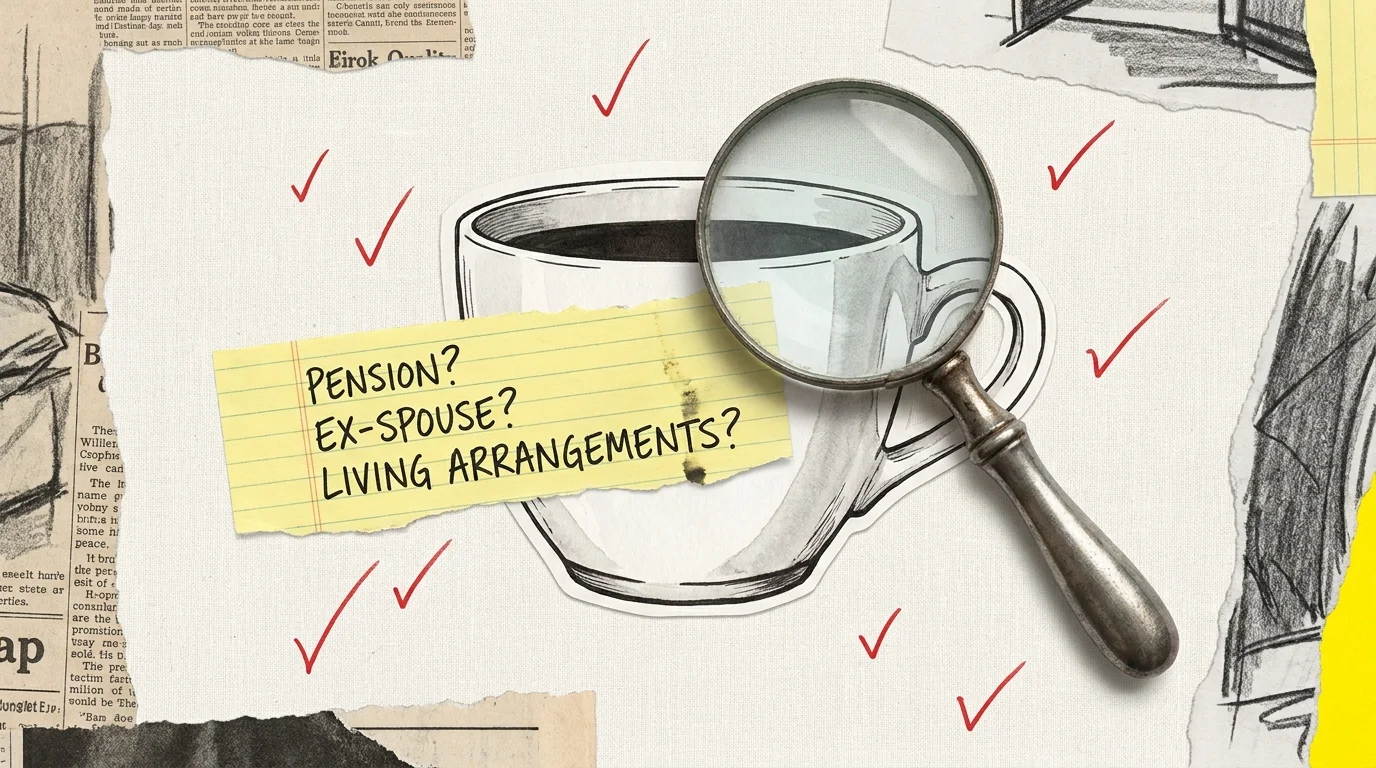
Many singles over 50 approach romantic encounters with an exhausting sense of urgency. Because you know exactly what you want and refuse to waste your precious time, you might accidentally transform a casual coffee meetup into a high-stakes job interview. You sit down across from a promising match and immediately fire off heavy, logistical questions about their retirement accounts, their timeline for relocating, the intricate details of their ex-spouse, and their living arrangements. While your desire for efficiency is entirely logical; this rapid-fire interrogation makes your date feel heavily scrutinized rather than genuinely seen.
Good partners want to feel a natural spark and discover your authentic personality. They are looking for chemistry, shared laughter, and mutual interests—not an opportunity to submit a verbal resume. When you lead heavily with logistics, you strip the joy and romance out of the interaction. You signal that you are merely looking to fill a vacant practical role in your life rather than actively seeking a dynamic, unique human connection.
Actionable Insight: Shift your mindset from interviewing a candidate to discovering a new person. Focus your early conversations on present-day passions, hobbies, and shared values. Instead of asking blunt questions about their pension, try asking what their ideal weekend looks like these days. Invite them to share their lifestyle aspirations organically without feeling cornered. Let the heavier logistical details naturally unfold on the third or fourth date once you have established a solid foundation of mutual interest.

2. Letting Past Relationship Ghosts Haunt Your Dates
When you have lived half a century, you carry a rich, complex history. However, repeatedly bringing up your ex-spouse or past dating disasters is one of the absolute fastest ways to extinguish a new connection. Whether you speak about your ex with lingering bitterness, unresolved anger, or even excessive fondness, the underlying message you send your new date remains identical: there is simply no emotional room for me in this dynamic.
It is entirely normal to want to explain your past; it provides context for who you are today. Yet, if you spend the evening detailing the bitter nuances of a difficult divorce or complaining loudly about how all modern daters are liars, you burden a virtual stranger with your unresolved emotional baggage. A healthy, emotionally available partner will instantly interpret this as a blaring signal that you are not truly ready to move forward. They want to know the person sitting in front of them today, not the ghosts of the people who sat beside you decades ago.
Actionable Insight: Institute a firm, personal rule to limit all talk of past relationships during your early dates. If your date politely asks why your previous marriage ended, provide a brief, neutral response and swiftly redirect the conversation toward the present. For example, you might say that you ultimately grew in different directions but learned a great deal from the experience, and then immediately ask about a hobby they mentioned in their profile. Give your new connection a completely clean slate to build upon.

3. Using Criticism and Contempt as an Emotional Shield
After surviving heartbreak, messy divorces, or simply the accumulated disappointments of life, it is a natural human instinct to build protective emotional walls. Unfortunately, those defenses often manifest outwardly as sarcasm, deep cynicism, or hyper-criticism. You might find yourself nitpicking a date’s wardrobe choice, rolling your eyes at their restaurant selection, or utilizing mocking humor to maintain a safe emotional distance.
Relationship researchers at the Gottman Institute identify criticism and contempt as two of the most deeply destructive behaviors in any romantic dynamic. Contempt actively conveys disgust and a sense of moral superiority, creating a toxic environment where affection simply cannot survive. Dr. John Gottman’s decades of clinical research specifically highlight that contempt is the number one predictor of relationship failure. If you consistently correct your partner, invalidate their opinions, or deliver your feedback wrapped in hostile humor, a healthy and secure individual will simply walk away to protect their own peace. They recognize that a partnership built on constant evaluation is emotionally exhausting.
Actionable Insight: Replace your critical reflexes with direct, gentle communication about your actual needs. Notice the specific moments when you use sarcasm to deflect vulnerability. If you feel anxious or unsure, own your internal feelings instead of attacking your partner’s character. Cultivate a proactive habit of scanning your environment for things to appreciate rather than things to critique. Offering a sincere compliment about their punctuality or their conversational skills builds a culture of fondness that serves as the perfect antidote to contempt.
4. Refusing to Adapt to Modern Dating Protocols
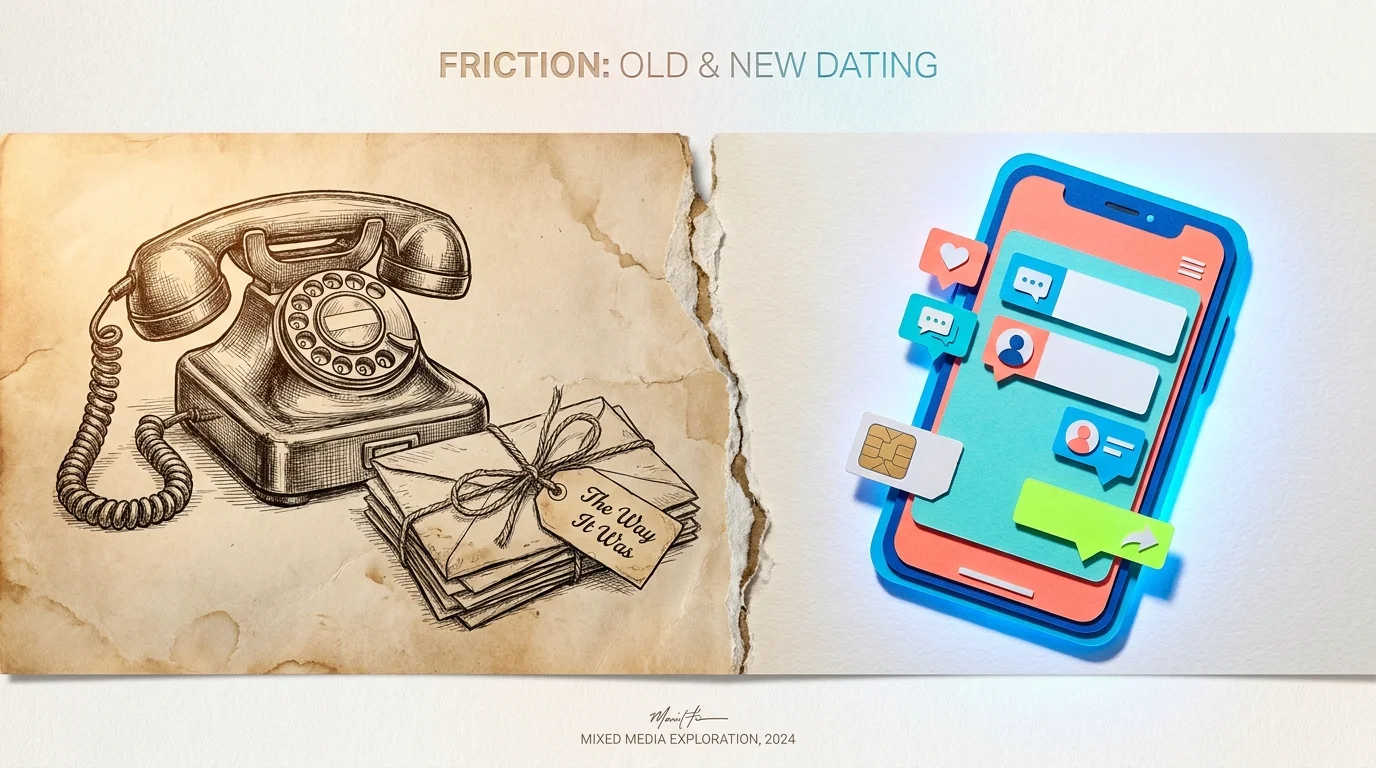
The dating landscape has fundamentally transformed over the last few decades. If you stubbornly insist on meeting someone entirely by chance while complaining loudly about modern digital platforms, you dramatically shrink your dating pool to a mere puddle. Many singles over 50 sabotage their own chances by treating dating apps as an inherent societal evil rather than a highly efficient, neutral tool for connection.
According to demographic research compiled by the Pew Research Center, a significant and rapidly growing percentage of adults in their fifties utilize online dating platforms to find companionship. These digital applications are simply a modern venue to cross paths with like-minded people outside your immediate, everyday social circle. When you refuse to write a thoughtful profile, use blurry ten-year-old photos, or complain bitterly in your biography about how much you hate online dating, you broadcast a heavy negativity to hundreds of potential matches. You are essentially standing in the middle of a bustling social gathering and shouting about how much you despise parties.
Actionable Insight: Embrace the digital dating era with a renewed spirit of curiosity rather than dread. Treat the process like attending a large, diverse networking event. Keep your profile entirely positive, highlighting the specific activities you enjoy and the unique qualities you bring to a partnership. Avoid listing stringent demands or stating what you refuse to tolerate. Instead, upload recent, clear photos and write an engaging, warm bio that gives an excellent partner a compelling reason to initiate a conversation with you.

5. Ignoring Red Flags and Modern Dating Safety
Optimism and trust are wonderful traits, but navigating the modern dating world with blind faith can prove incredibly dangerous. As older adults re-enter the dating scene, they frequently become prime targets for highly sophisticated digital scams. Believing that your life experience automatically makes you immune to deception is a dangerous habit that can quickly lead to emotional devastation and severe financial ruin.
The Federal Trade Commission continually reports that older adults lose billions of dollars to fraud annually, with romance scams consistently ranking as one of the most financially damaging categories. Scammers actively prey on the human desire for companionship; they often feign intense, rapid affection—a tactic known as love bombing—before eventually asking for urgent financial help due to a fabricated medical or legal emergency. A high-quality, genuine partner will always respect your boundaries and your profound need for security. They will never pressure you for money, demand your personal financial information upfront, or continuously make excuses to avoid meeting via a live video call.
Actionable Insight: Protect your heart and your assets by adopting a proactive, non-negotiable safety strategy. Implement this straightforward dating safety checklist to thoroughly vet new connections:
- Always verify the person’s identity by setting up a brief, clear video call before agreeing to meet in person.
- Never send money, gift cards, or cryptocurrency to someone you have not met face-to-face and established a deeply trusted relationship with.
- Ensure your first few dates take place in well-lit, busy public spaces, and completely manage your own transportation to and from the venue.
- Share your live location and the specific details of your date with a trusted friend or family member before you leave your home.
- Run a quick reverse-image search on their profile pictures to confirm they are not utilizing stolen photographs from another source.
If you ever encounter a partner who uses emotional coercion, displays aggressive behavior, attempts to isolate you from loved ones, or causes you severe psychological distress, prioritize your immediate physical and emotional safety. Seek professional help from a licensed therapist or contact a domestic abuse support organization to secure the expert guidance you deserve.

6. Rushing Intimacy and Oversharing
After experiencing the deep, effortless connection of a decades-long marriage, the early stages of a new dating dynamic can feel painfully superficial. To bypass the seemingly awkward phase of small talk, you might accidentally fall into the pervasive habit of oversharing—frequently referred to as trauma dumping. This involves sharing intense, highly personal information about medical histories, bitter family estrangements, or deep-seated fears within the first hour of meeting someone.
While emotional vulnerability is absolutely essential for building long-term trust, sharing too much heavy information too soon completely overwhelms a new partner. It creates an artificial, forced sense of intimacy that is rarely sustainable. True intimacy must be earned over time through consistent behavior, mutual respect, and shared experiences. When you unload your heaviest emotional burdens on a near-stranger, an emotionally intelligent person will immediately recognize a severe lack of personal boundaries and will likely retreat to protect their own energy.
Guidance from mental health organizations like the American Psychological Association reinforces that healthy relationships rely on a foundation of mutual trust that develops incrementally. Moving at breakneck emotional speed deprives both of you of the genuine joy of gradual discovery.
Actionable Insight: Practice deliberate pacing as you get to know someone new. Think of intimacy as a tall staircase; you must walk up one step at a time rather than attempting to leap directly to the top floor. Keep your early conversations focused on lighter, highly engaging topics like travel, hobbies, and daily joys. As your partner demonstrates consistent reliability and earns your trust, you can slowly begin to share the more complex, challenging chapters of your life story. Allow the connection the space it needs to breathe and grow naturally.

7. Clinging to a Rigid “Type” Built for Your Twenties
Take a quiet moment to reflect on the specific traits you valued in a romantic partner when you were twenty-five years old. You likely focused heavily on physical characteristics, peak earning potential, or a highly specific, adventurous lifestyle. If you are still using that exact same rigid checklist to evaluate potential dates in your fifties, you are almost certainly pushing perfectly wonderful partners away.
Many mature daters deeply sabotage their own success by instantly dismissing anyone who does not seamlessly meet highly specific, superficial criteria. You might reject a fantastic, attentive conversationalist simply because they are an inch too short; alternatively, you might turn down a remarkably kind, financially stable professional because they do not share your exact taste in weekend activities. At this mature stage in life, prioritizing superficial traits over genuine emotional intelligence, consistent kindness, and communication style is a massive misstep. Physical attraction still holds importance, but outward appearances inevitably shift with time. A partner’s ability to navigate a disagreement respectfully, their capacity for deep empathy, and their unwavering willingness to support you through life’s inevitable challenges are the actual traits that will determine your daily happiness.
Actionable Insight: Write down your current list of relationship requirements. Review the document critically and cross out anything related to highly specific physical traits, minor recreational hobbies, or arbitrary societal timelines. Replace those superficial requirements with profound core values. Actively look for traits like emotional resilience, intellectual curiosity, active listening skills, and a shared, compatible vision for how you both want to spend your retirement years. When you intentionally expand your parameters, you immediately open the door to a significantly richer, more aligned pool of high-quality partners who are ready to build a beautiful life with you.