
Decades ago, meeting a romantic partner usually happened through a mutual friend, a community event, or a serendipitous encounter at the local grocery store. Today, the landscape of connection looks drastically different. If you find yourself single later in life, you are far from alone. Currently, about 41 percent of adults age 65 and older in the U.S. are unpartnered. Rather than relying solely on chance encounters, a growing number of older adults are turning to digital avenues to expand their social circles and spark new romances. The stigma that once surrounded meeting a partner on the internet has largely dissolved, replaced by a practical understanding that technology is simply a tool to facilitate human connection.
For digital dating retirees, navigating this new ecosystem requires a blend of open-mindedness and caution. The mechanics of courtship have shifted from slow-paced letters and phone calls to instant messaging and video chats. Yet, the core human desire for companionship remains identical. Whether you seek a casual companion for Sunday morning walks, a travel buddy for European cruises, or a serious long-term relationship, the digital world offers a tailored approach to meeting your exact needs.
Understanding the Current Digital Dating Landscape
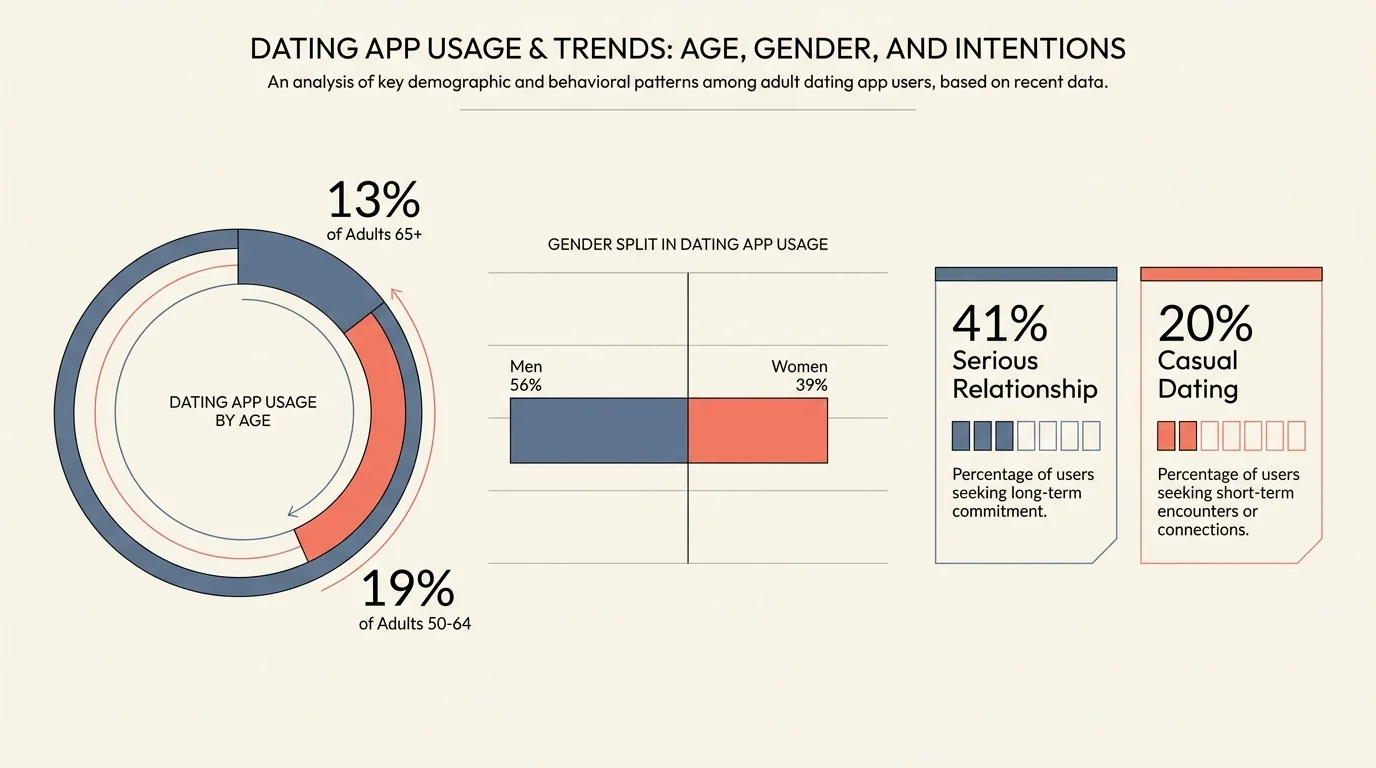
The sheer volume of people participating in the online dating market is staggering. Recent data reveals that roughly 19 percent of adults ages 50 to 64, and 13 percent of adults 65 and older, actively use dating applications. The reality of online dating seniors experience today is not a niche subculture; it is a mainstream avenue for connection. Platforms have evolved significantly to accommodate older demographics, prioritizing accessibility, clear navigation, and robust matching algorithms over the gamified, rapid-fire swiping features preferred by younger generations.
As you explore these platforms, you will notice a distinct division between mainstream platforms and niche websites. Mainstream giants like Match and eHarmony host massive user bases, which drastically increases your sheer volume of potential connections. Because these platforms have existed for decades, many older adults feel a sense of familiarity and comfort using them. Conversely, specialized senior dating apps like SilverSingles or SeniorMatch cater exclusively to the 50-plus demographic. These dedicated spaces often provide a much more focused experience, eliminating the noise of users who are navigating entirely different life stages.
Statistically, across the broader online dating landscape, men generally outnumber women—roughly 56 percent to 39 percent. However, these demographics can shift depending on the specific app and age bracket you target. When you set out to find love online 60+, the most critical step is defining your intentions before you even upload a photo. Studies indicate that about 41 percent of older digital daters are looking strictly for a serious relationship, while roughly 20 percent are interested in casual dating. Knowing exactly where you fall on this spectrum prevents deep frustration and helps you filter out incompatible matches early in the process.
The Profound Mental and Physical Health Benefits of Connection
Pursuing romance later in life is not merely about having someone to share a meal with; it profoundly impacts your physiological and psychological health. Human beings are inherently social creatures, and the relationships we maintain directly influence our physical longevity. Chronic loneliness and social isolation carry severe health risks, often compared by medical professionals to the dangers of smoking or obesity. By actively seeking out companionship, you invest directly in your own long-term well-being.
According to research supported by the National Institute on Aging and the CDC, strong social connections protect against cognitive decline and significantly reduce the risk of dementia. One comprehensive study demonstrated that frequent social contact decreases the risk of dementia by approximately 14 percent, while prolonged loneliness increases it by a staggering 42 percent. The cognitive complexity required to navigate social situations, maintain engaging conversations, and build a new romantic relationship builds a “cognitive reserve” in the brain. This mental reserve acts as a powerful buffer against age-related decline.
The physical benefits extend far beyond brain health. Engaging in meaningful relationships lowers your body’s production of cortisol, the primary stress hormone. When you feel genuinely cared for and supported, your nervous system relaxes. This reduction in systemic stress leads to steadier blood pressure, improved immune function, and much higher-quality sleep. Aging adults who feel emotionally anchored by a romantic partner often stay more physically active and maintain more consistent medical routines simply because they have a companion encouraging them to thrive.
Crafting a Profile That Reflects the Real You
Your dating profile serves as your digital first impression. A common hurdle for older adults entering the app ecosystem is the temptation to overexplain or, conversely, to share almost nothing at all. The most successful profiles strike a delicate balance between authenticity, brevity, and optimism.
Start with your photos. Skip the heavily filtered images, the ten-year-old vacation shots, and the group photos where it takes a magnifying glass to figure out which person you are. Choose a clear, recent, and well-lit headshot as your primary photo. Smile warmly, just as you would if you were meeting someone at a neighborhood coffee shop. Follow this primary image with three or four supplementary photos that showcase your daily lifestyle: a picture of you gardening, hiking a local trail, painting, or enjoying a local art exhibit. Action shots naturally provide easy conversation starters for potential matches.
When writing your biography, focus heavily on the present and the future rather than the past. While your history shaped you, your dating profile should emphasize who you are today and what you want moving forward. Use active, descriptive language. Instead of writing a generic phrase like “I like the outdoors,” try, “I spend my weekends tending to my rose garden and walking the trails at the state park.” Specificity always attracts compatible people. If you love trying new Thai restaurants, attending live jazz concerts, or spending Sunday mornings doing crossword puzzles, mention it.
Honesty is absolutely paramount. Misrepresenting your age, your height, or your living situation only sets the stage for massive disappointment when you eventually meet in person. Embrace exactly who you are and where you are in life. True confidence in your current reality is a highly attractive trait.
Guarding Your Heart and Your Finances
While the digital dating world is filled with genuine people seeking connection, it unfortunately also attracts bad actors who view vulnerable individuals as lucrative targets. Protecting yourself requires a sharp blend of emotional intelligence and practical cybersecurity. In recent years, romance scams have skyrocketed, costing consumers billions of dollars. The Federal Trade Commission explicitly notes that older adults reported losing a staggering $2.4 billion to fraud between 2020 and 2024, with romance and investment scams driving a massive portion of these devastating financial losses.
Scammers typically rely on a psychological manipulation technique called “love bombing.” They shower you with intense affection, grand promises, and rapid declarations of love before you have ever met in person. They fabricate compelling, intricate stories, frequently claiming to be working overseas on an oil rig, serving in the military, or volunteering internationally. These elaborate excuses conveniently prevent them from meeting you face-to-face or participating in live video calls.
Once these bad actors establish a deep emotional bond, the inevitable crisis occurs. They will urgently request money for a medical emergency, a travel visa to come see you, or a highly lucrative cryptocurrency investment. They often demand payment via wire transfers, gift cards, or crypto apps because these digital transactions are virtually impossible to trace or reverse.
When seeking an internet romance elderly daters must recognize these red flags immediately. Never, under any circumstances, send money or share your banking information with someone you have only met online. Keep all of your communication strictly on the dating platform until you have met the person in real life. Scammers will aggressively try to move the conversation to private text messages, WhatsApp, or email so they can operate outside the built-in security filters of the dating app.
Additionally, be highly mindful of oversharing in your public profile. Scammers scour dating platforms for signs of vulnerability. If you mention that you are recently widowed, going through a bitter divorce, or currently grieving, predators view this as an open door. Focus your public-facing information entirely on your hobbies and interests. Save the deeply personal details of your past for private, in-person conversations built on earned trust. For extensive, practical resources on identifying and reporting these digital crimes, organizations like AARP provide excellent, up-to-date guidance specifically tailored for older adults.
Navigating Common Digital Dating Pitfalls
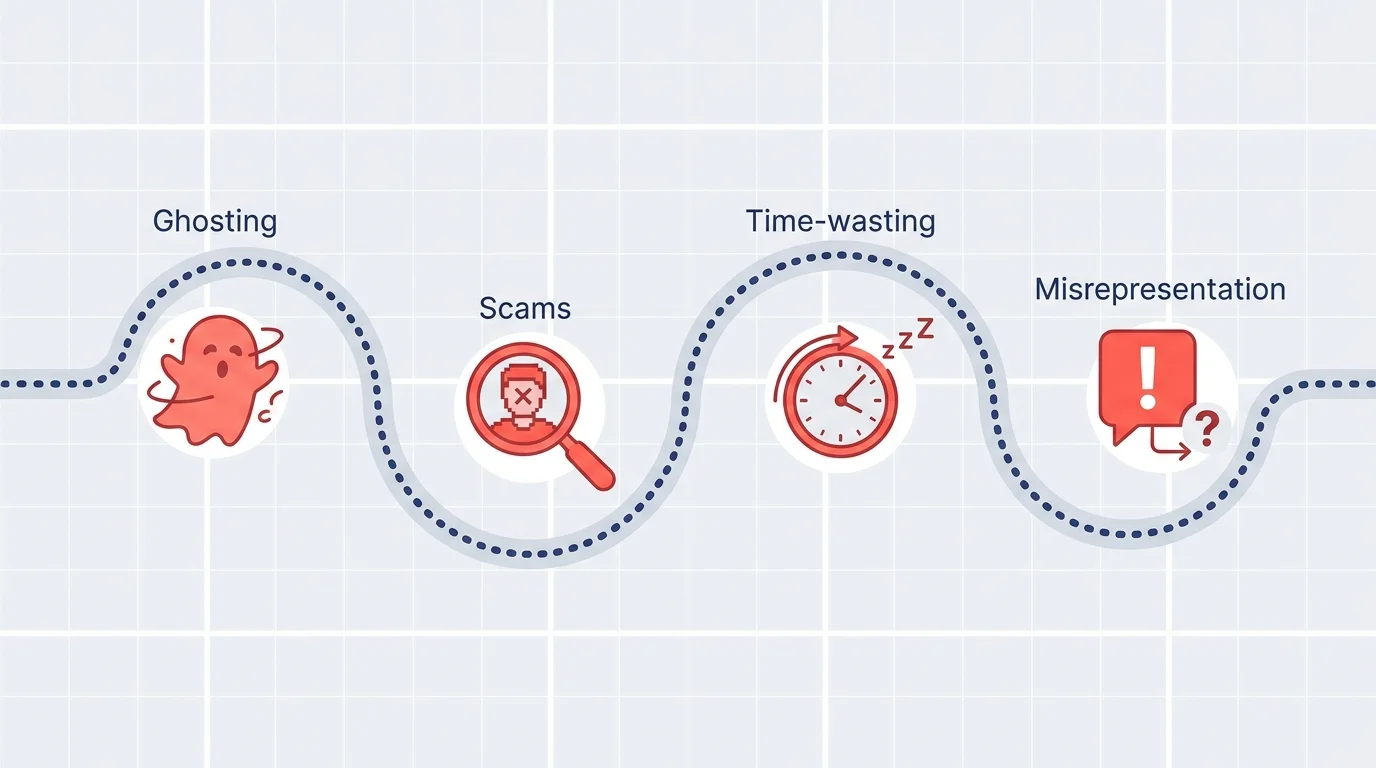
Beyond safety concerns, modern digital dating comes with its own set of behavioral quirks and social norms that might feel jarring if you have not dated in several decades. Understanding these common pitfalls helps you navigate the ecosystem with grace and resilience.
The first major pitfall is the phenomenon known as “ghosting.” This occurs when someone you have been chatting with—or even someone you have gone on a few dates with—suddenly ceases all communication without any explanation. While ghosting feels incredibly rude and deeply personal, it is unfortunately a common feature of modern dating. If someone ghosts you, recognize that their behavior reflects their own lack of communication skills, not your intrinsic worth. Let it go and redirect your energy toward matches who actively engage with you.
The second pitfall is getting stuck in the “pen pal” phase. This happens when you exchange lengthy, enjoyable messages with a match for weeks or months, but neither person ever initiates an in-person meeting. Digital messages allow you to build an idealized fantasy of a person in your head, which often shatters when you finally meet reality. To avoid this, propose a brief, low-stakes meeting—like grabbing a cup of coffee—within a week or two of consistent chatting.
Finally, avoid the rigid “checklist” mentality. When we have access to thousands of profiles, it becomes tempting to filter out wonderful people over minor, insignificant details. Perhaps a match is an inch shorter than your ideal preference, or they enjoy country music while you prefer classical. Focus on shared core values, emotional maturity, and how the person actually makes you feel, rather than seeking a flawless resume.
Your Actionable Safety Checklist Before the First Date
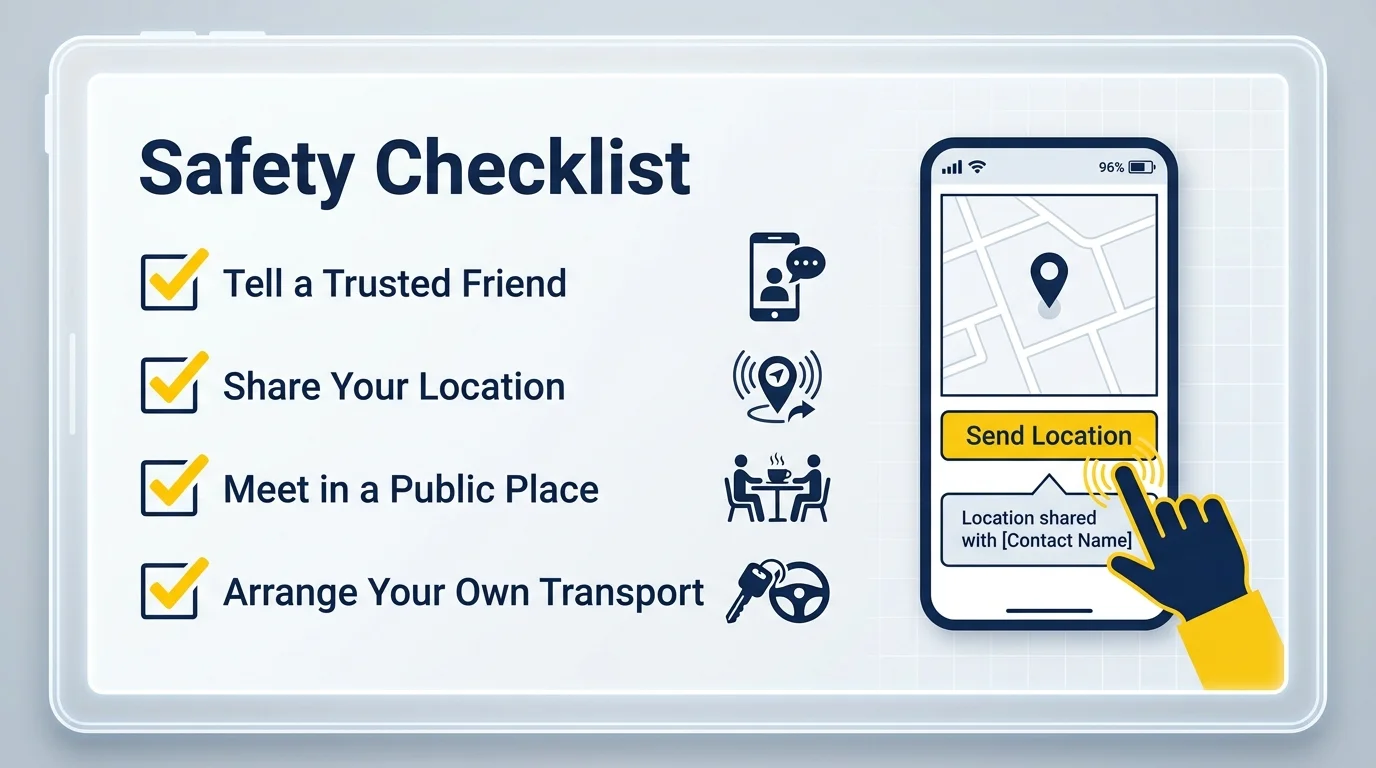
Transitioning from digital messages to a real-world meeting is an exciting, necessary milestone. To ensure this experience remains both enjoyable and secure, follow this practical safety checklist before you head out the door:
- Schedule a video chat first: Before agreeing to an in-person date, use FaceTime, Skype, or the dating app’s built-in video feature to chat. This easily confirms the person matches their photos and helps you gauge your initial conversational chemistry.
- Meet in a public, familiar place: Choose a bustling coffee shop, a popular local restaurant, or a well-populated park during daylight hours. Strictly avoid secluded areas, and never meet at either person’s private home for the first few dates.
- Provide your own transportation: Drive yourself, take public transit, or use a ride-sharing service to get to the location. You must maintain the total freedom to leave whenever you choose without relying on your date for a ride back home.
- Inform a trusted confidant: Tell a friend or family member exactly where you are going, who you are meeting, and what time you expect to return. Give them your date’s name, their phone number, and a screenshot of their dating profile.
- Protect your personal information: Do not disclose your home address, your daily routines, or sensitive family details until you have established a solid foundation of trust over multiple successful dates.
- Trust your intuition unconditionally: If something feels off, uncomfortable, or overly aggressive during the date, you have total permission to end the interaction and leave immediately. Politeness should never supersede your personal safety.
Transitioning From Screen to Reality
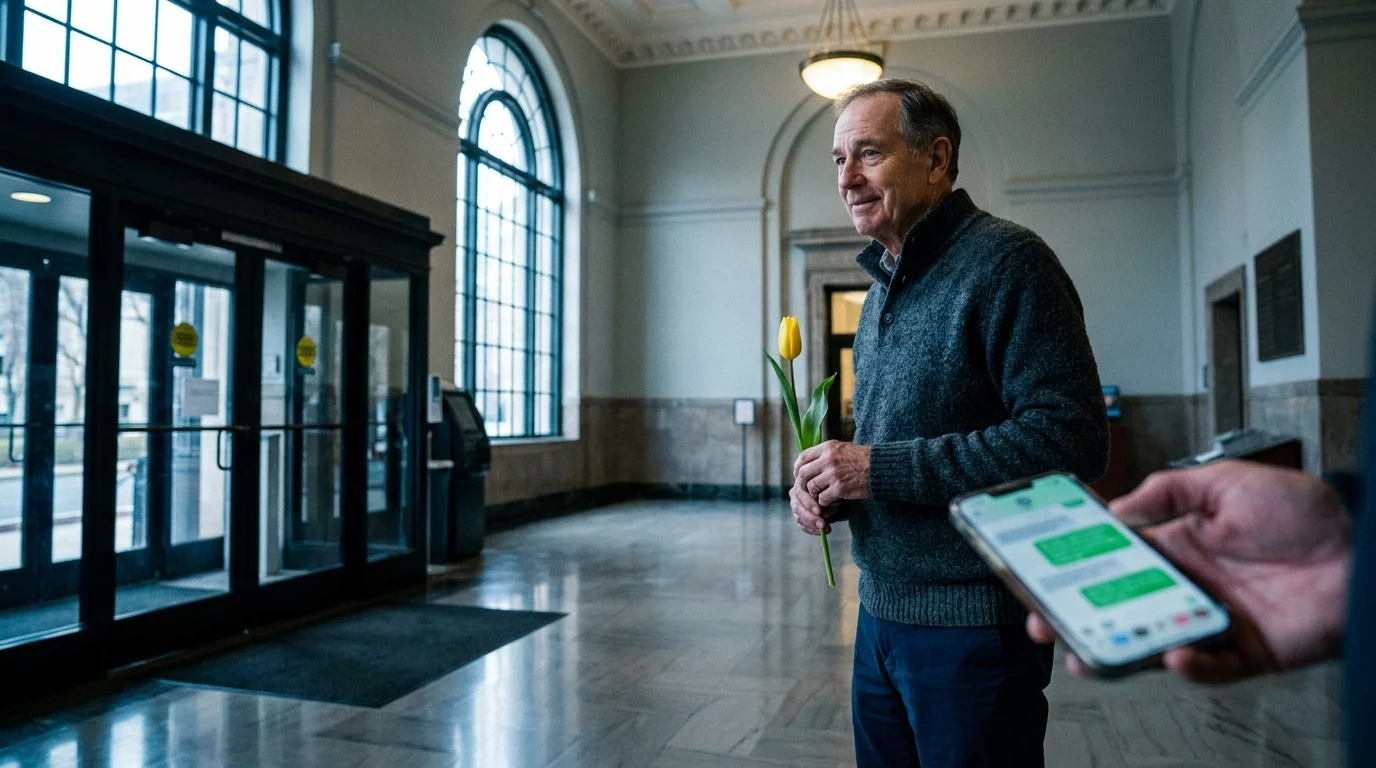
Taking your digital connection into the real world requires a deliberate shift in expectations. Text-based communication allows us to fill in the blanks of a person’s personality with our own idealized assumptions. When you meet in person, you encounter the raw reality of their voice, their unique mannerisms, and their actual conversational rhythm. Sometimes, the sparkling chemistry you felt over text messages completely falls flat over a cup of coffee. This is a normal, expected part of the modern dating process.
Approach early dates as simple, low-pressure “meet-and-greets” rather than high-stakes romantic encounters. Remove the heavy pressure of determining if this person is your future life partner within the first twenty minutes. Instead, ask yourself a much simpler, grounded question: “Did I enjoy spending an hour with this person, and would I like to see them again?”
Keep the first date relatively short. A one-hour coffee date or a quick lunch provides enough time to establish a baseline connection but offers a graceful exit if the vibe isn’t right. If the conversation flows effortlessly and the chemistry is palpable, you can always extend the date or eagerly plan a second one. If the interaction feels strained or uncomfortable, you can politely excuse yourself, pay your tab, and move forward.
Rejection is an unavoidable, universally shared element of dating at any age. If a connection doesn’t materialize, avoid internalizing it as a personal failure or a reflection of your desirability. In the complex ecosystem of modern dating, timing, life stages, and minor incompatibilities play massive roles in determining a successful match. Treat each unsuccessful date as valuable practice that refines your communication skills and clarifies exactly what you are seeking in a partner.
Embracing Vulnerability and Exercising Patience
Building deep, meaningful relationships after 60 requires a genuine willingness to be vulnerable. It means boldly opening yourself up to the possibility of great joy, directly alongside the inevitable risk of disappointment. For many older adults, re-entering the dating pool after decades of marriage or a prolonged period of being single feels incredibly daunting. The technological learning curve, combined with the emotional weight of putting yourself out there, can easily feel overwhelming.
Take the entire process at your own comfortable pace. There is absolutely no strict timeline you need to follow and no arbitrary quota of dates you need to reach. If checking the apps begins to feel like an exhausting chore rather than an exciting opportunity, give yourself full permission to pause your profile, step away from the screen, and take a restorative break. Dating should consistently add value to your life, not inject unnecessary stress.
When you do find a strong, reciprocal connection, allow the relationship to develop organically over time. Older adults bring complex histories, firmly established routines, and deep-rooted personal preferences into new partnerships. Blending two fully formed, independent lives requires immense patience, flexibility, and stellar communication. You do not need to force a traditional relationship escalator—such as immediately moving in together, combining finances, or getting married. Many seniors today enthusiastically embrace alternative relationship models, such as living apart together (LAT), where both partners maintain their own homes and treasured independence while enjoying a deeply committed, exclusive romantic relationship.
Ultimately, digital dating platforms are merely a bridge. They connect you to wonderful people you would never have organically crossed paths with otherwise. By maintaining clear personal boundaries, prioritizing your safety, and approaching the experience with a warm, open heart, you perfectly position yourself to find genuine companionship. The human capacity for love does not diminish with age; it deepens, becoming significantly more nuanced, appreciative, and profound.
Please note: If you ever feel severely distressed, coerced, or find yourself dealing with an abusive individual in your dating life, please prioritize your immediate safety. Seek professional help from a licensed mental health counselor, consult a local domestic violence advocate, or contact law enforcement. Financial abuse and emotional coercion are serious matters, and you do not have to navigate them alone.