
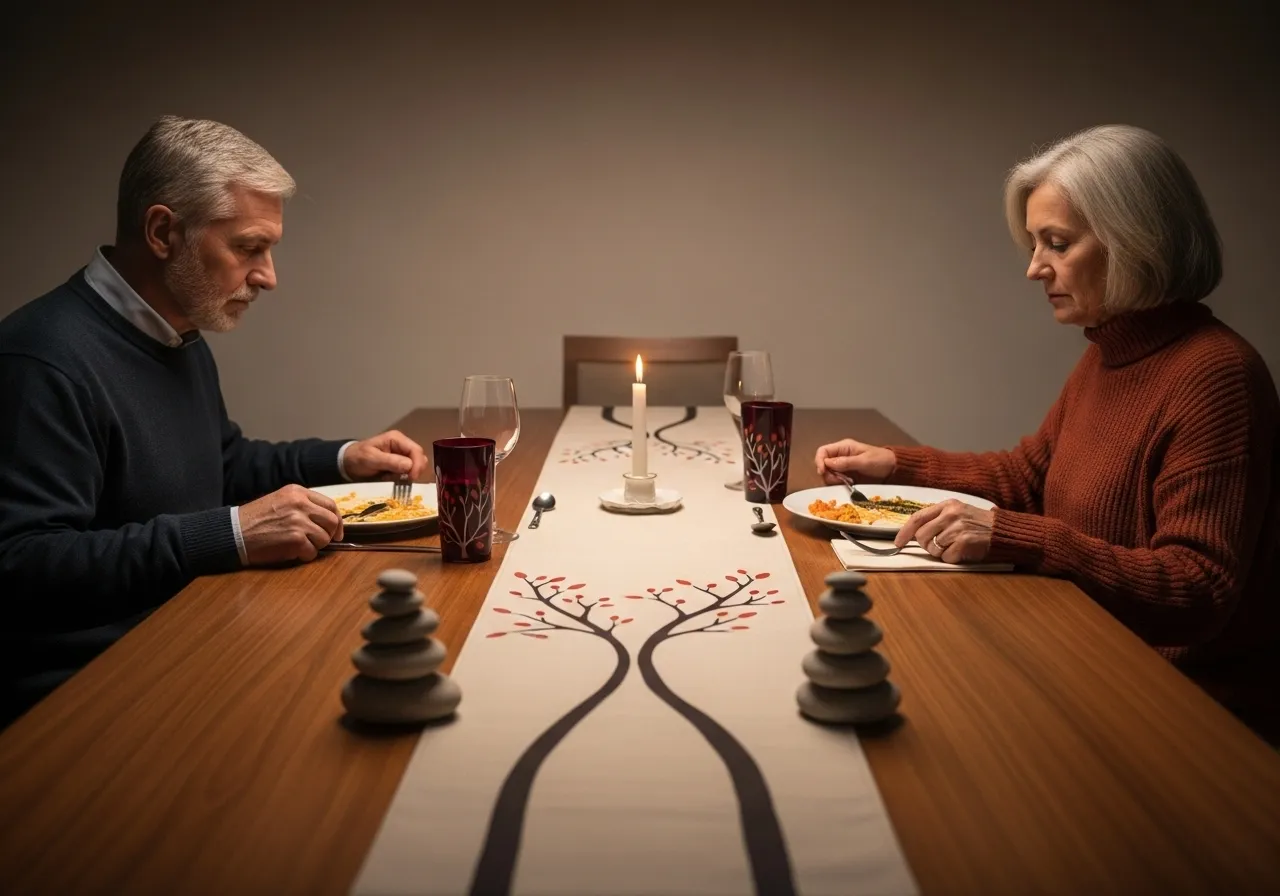
When It’s Not a Crisis, But a Fundamental Breakdown
While the explosive midlife crisis narrative is compelling, it doesn’t account for a significant number of high-profile splits. Many relationships don’t end with a bang but with a whimper. These are not cases of one person’s sudden identity crisis but rather a slow, mutual drifting apart—a fundamental breakdown in the partnership itself. This is the classic marriage crisis rooted in incompatibility, not individual turmoil.
The primary difference lies in the timeline and the nature of the conflict. A midlife crisis often appears sudden and is centered on one individual’s erratic behavior and internal state. A relationship breakdown, however, is typically a long-term process involving both partners. The issues are often chronic and have been simmering under the surface for years, sometimes decades.
Signs of this kind of breakdown are less dramatic but more profound. A key indicator is a persistent and unresolvable conflict over core values. This could involve fundamental disagreements about finances, parenting styles, career ambitions, or where to live. When two people find they want fundamentally different things out of life, no amount of love can always bridge that gap.
Another telling sign is the death of emotional and physical intimacy. The couple may function effectively as co-parents and business partners but have ceased to be romantic partners. They live like roommates, sharing a space but not a life. This emotional distance is often accompanied by a communication collapse, characterized by what relationship experts call the “four horsemen”: criticism, contempt, defensiveness, and stonewalling. When conversations consistently devolve into arguments or are avoided altogether, the foundation of the relationship is crumbling.
In these situations, the decision to separate is often mutual, though not necessarily painless. It’s a sad recognition that the relationship has run its course and that both individuals will be happier and healthier apart. The focus is not on one person’s need for a new life, but on the shared reality that their life together is no longer working.