
Identifying exactly what creates emotional distance early in a romance saves you from endless frustration and heartbreak. When someone you care about suddenly turns cold or distant, the shift often stems from subtle dating habits you might not even realize you have. Taking a closer look at how you communicate, manage expectations, and respect boundaries provides practical dating advice for building lasting love. Understanding the psychological triggers that cause people to withdraw allows you to pivot your approach and foster genuine intimacy. By examining the common behaviors that stifle relationships, you can replace them with healthier patterns that draw partners closer and build the secure, vibrant connection you genuinely deserve.
Rushing the Emotional Pace
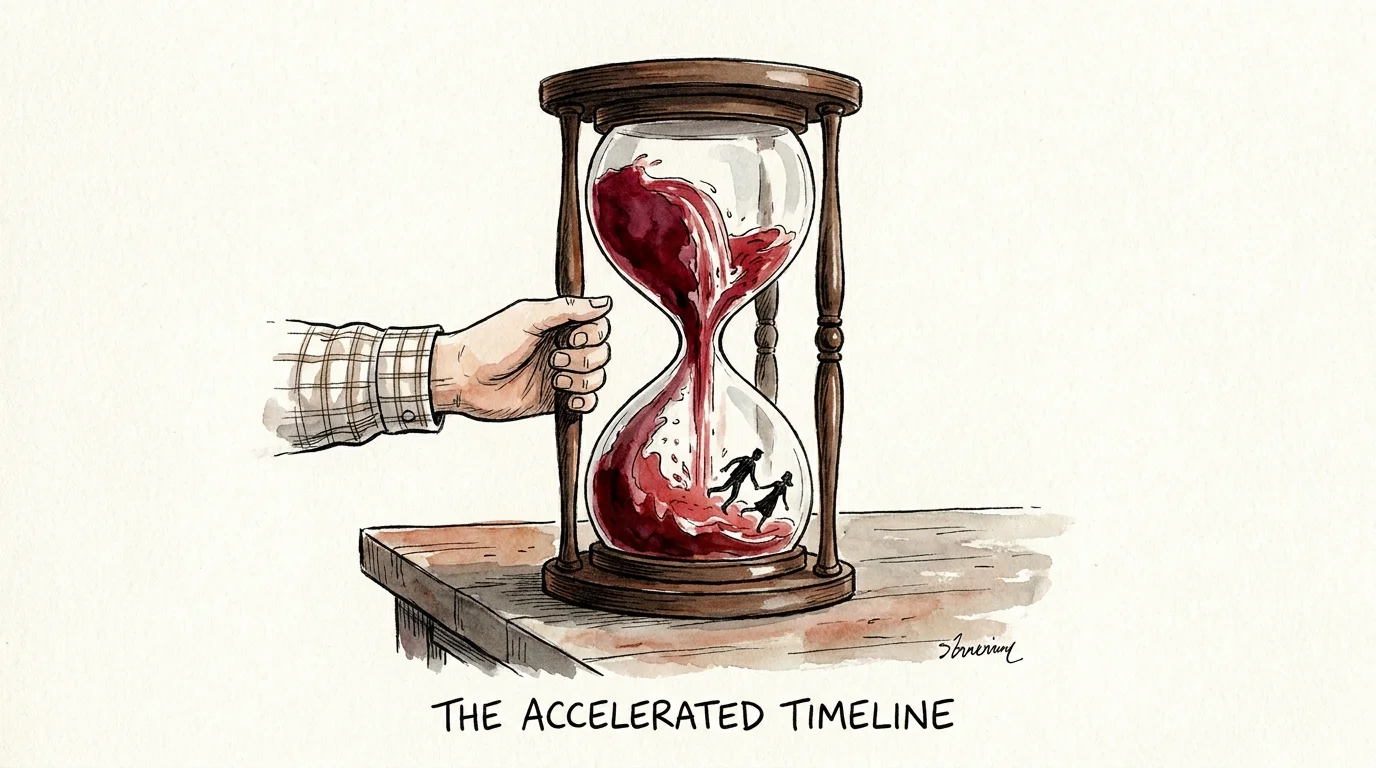
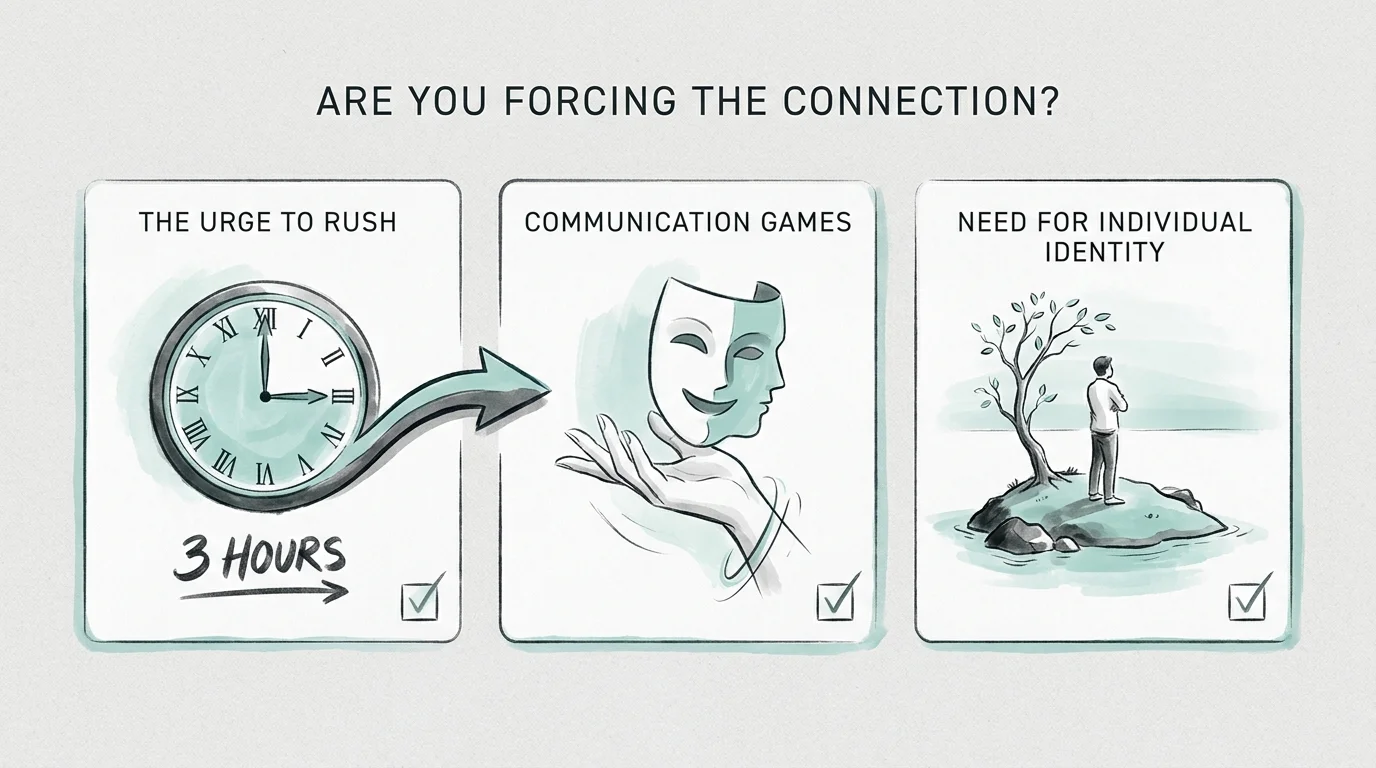
Many people mistakenly believe that an instant, blazing connection is the ultimate sign of true love. You meet someone, the chemistry feels electric, and suddenly you are spending every waking moment together. However, accelerating the pace of a new relationship often triggers an emotional retreat. When you push for rapid commitment or declare intense feelings after just a few dates, the other person frequently feels suffocated rather than flattered. The intense pressure to conform to an accelerated timeline strips away the natural joy of getting to know one another.
This behavior mimics love bombing—a dynamic characterized by excessive flattery, constant communication, and grand gestures meant to secure someone’s affection quickly. While you might just feel genuinely excited, overwhelming a new partner removes the necessary space for natural trust to build. According to the National Domestic Violence Hotline, true love bombing is an early-stage manipulation tactic often used to gain control and create unhealthy emotional dependence. If you ever feel overwhelmed by a partner who refuses to respect your pace, ignores your physical boundaries, or makes you feel unsafe, seeking professional help or contacting a domestic violence resource can provide essential guidance and support.
Instead of rushing the milestone moments, allow the connection to breathe. Healthy relationships unfold gradually. Enjoy the process of learning about each other. Give both yourself and your partner the time to assess true compatibility without the pressure of an artificially rushed commitment.
Playing Communication Games
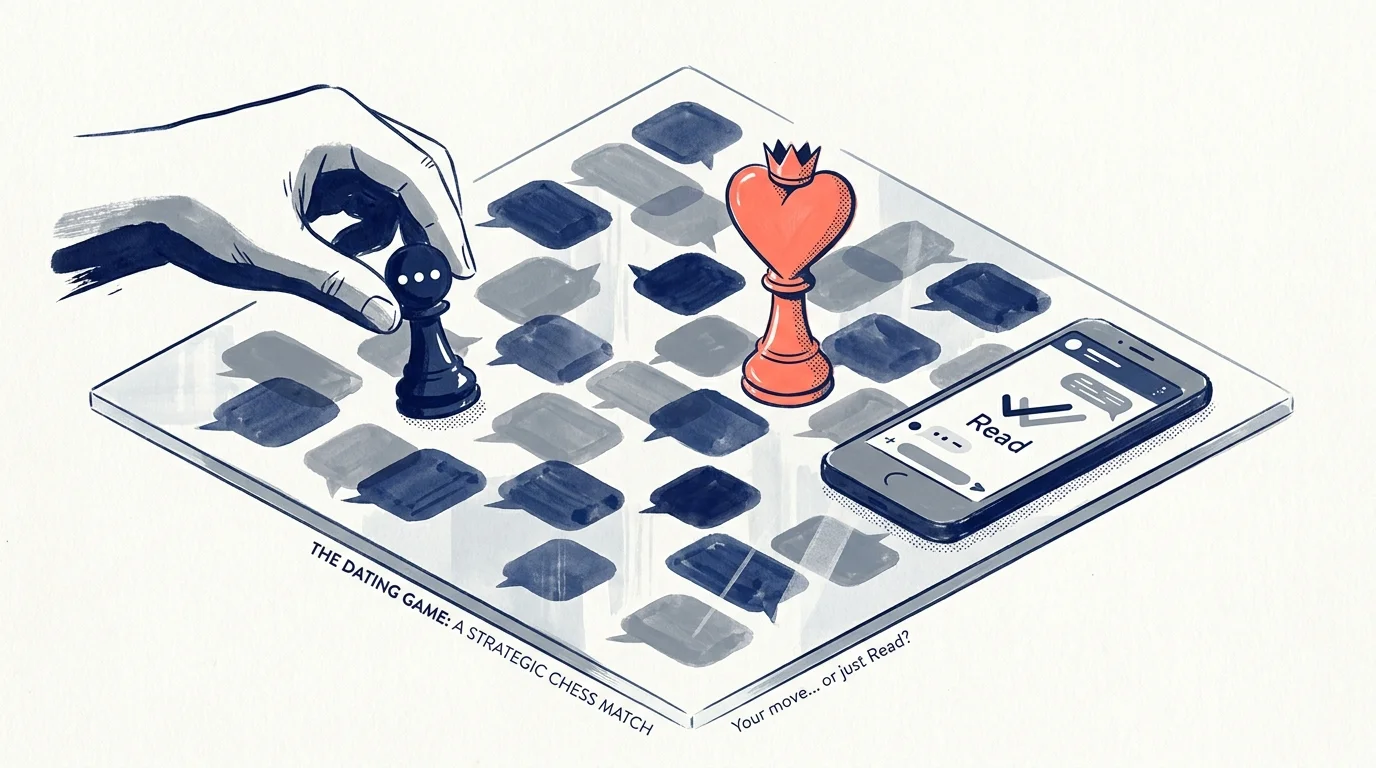
Modern dating culture often normalizes strategic communication; you might be told to wait three hours to reply to a text message, feign apathy, or deliberately remain vague about your intentions. You might adopt these tactics to protect yourself from rejection or to appear more desirable to a new prospect. In reality, these games create immense emotional distance and breed unnecessary anxiety.
When you play hard to get, you signal that you are emotionally unavailable or untrustworthy. A partner looking for a secure, mature connection will quickly lose interest in deciphering mixed signals. A Pew Research Center survey highlights that the vast majority of dating app users experience intense disappointment and dating fatigue, largely driven by ghosting, flaky behavior, and communication frustrations. People are completely exhausted by the lack of straightforward interaction.
If you like someone, tell them. If you want to see them again, say so. You do not need to overshare or overwhelm them, but clear, consistent communication builds safety. Emotional intimacy thrives on vulnerability and authenticity; it withers when treated like a strategic chess match. When you drop the facade and communicate your genuine interest, you attract partners who value honesty and mutual respect.

Disregarding Personal Boundaries
A thriving relationship requires two distinct individuals who maintain their own lives, thoughts, and physical space. Overlooking a partner’s boundaries—whether by demanding access to their phone, insisting on joining every outing with their friends, or taking offense when they request a quiet night alone—makes people pull away fast. There is a distinct difference between healthy privacy and harmful secrecy, and demanding constant access crosses that line.
You might view constant proximity as a sign of intimacy, but to the other person, it feels like enmeshment. When you disregard their need for independence, you inadvertently communicate that your desire for closeness overrides their personal comfort. This habit inevitably breeds resentment.
Practical boundary-setting involves active listening and respecting the word no without taking it as a personal insult. If your partner says they need a weekend to recharge, respond with encouragement rather than guilt. Concrete examples of respecting boundaries include asking before dropping by their home unannounced, accepting that they may not want to discuss a stressful workday immediately, and allowing them to maintain private friendships. By honoring their personal space, you demonstrate emotional maturity, making them feel secure enough to draw closer to you on their own terms.
Unloading Emotional Baggage Too Soon
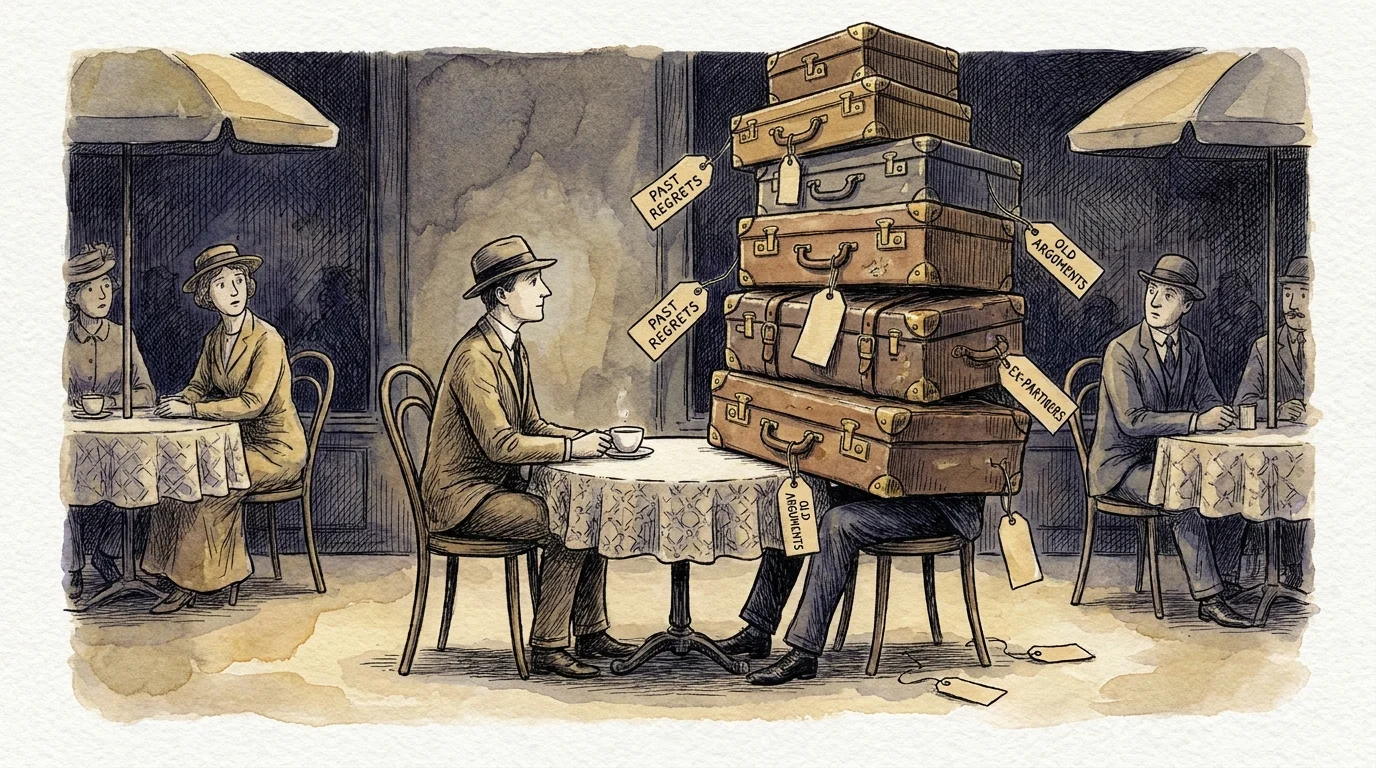
Vulnerability is the cornerstone of deep emotional connection, but timing matters immensely. Unloading heavy, unprocessed emotional baggage onto someone early in the dating phase frequently causes the listener to emotionally withdraw. This dynamic is commonly referred to as trauma dumping.
When you share deeply traumatic past experiences, bitter feelings about an ex-partner, or severe personal crises on a first or second date, you place an inappropriate burden on someone you barely know. They might pull away not because they lack empathy, but because the level of intimacy you demand does not match the current stage of the relationship. They feel overwhelmed, unqualified to help, and anxious about the heavy dynamic you have introduced.
Healthy vulnerability involves a gradual unveiling of your inner world. Start by sharing smaller personal stories and observing how the other person responds. Do they listen actively? Do they reciprocate with their own mild vulnerabilities? As trust solidifies over months of consistent, safe interaction, you can slowly begin to share deeper struggles. Remember, your partner is there to share your life, not to act as your therapist. Seeking the guidance of a licensed mental health professional allows you to process heavy distress safely without straining a budding romance.
Treating Your Partner Like a Fix-It Project
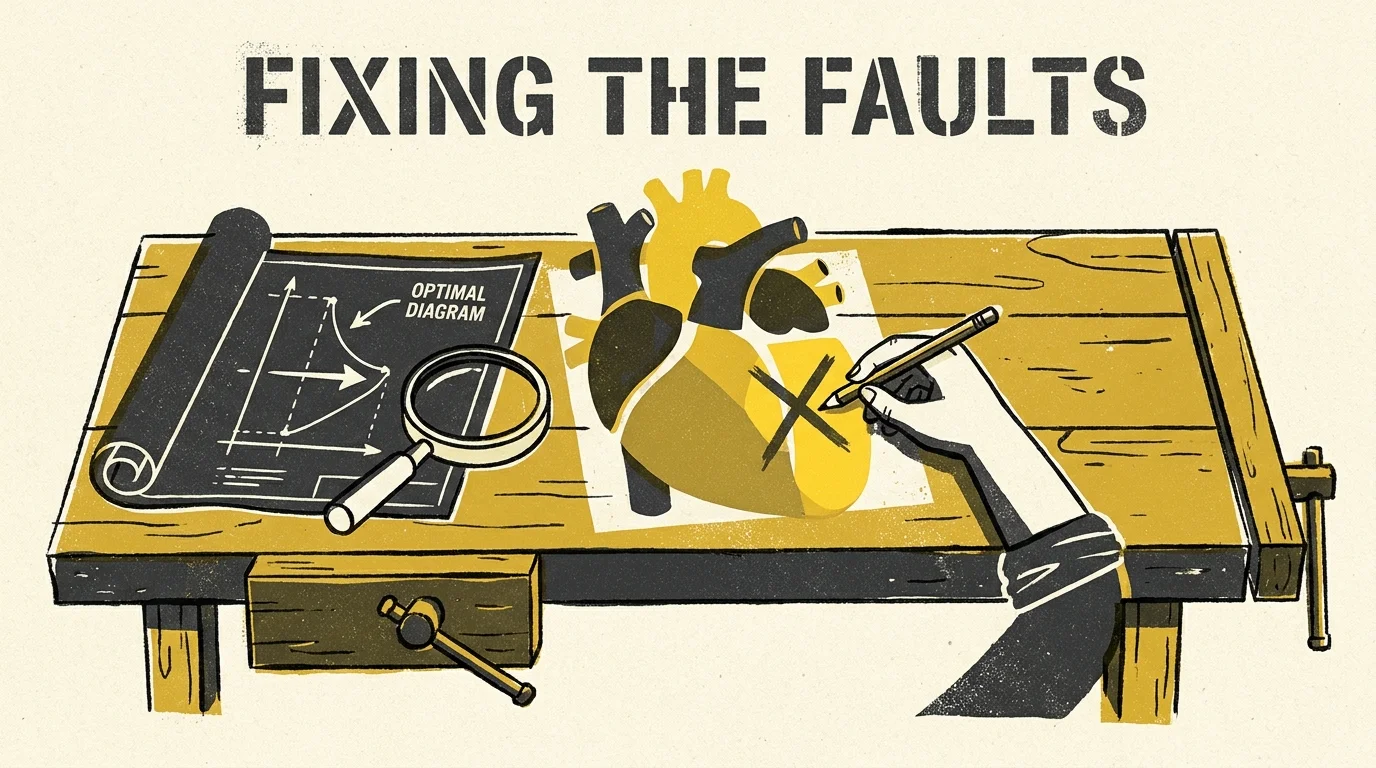
Entering a relationship with the subtle intention of changing the other person is a guaranteed way to create emotional distance. You might think you are simply being helpful by offering unsolicited advice on their career, criticizing their wardrobe, or trying to transform their introverted nature into outgoing charisma. However, your partner will likely interpret your actions as a fundamental rejection of who they truly are.
People want to be loved for their authentic selves, flaws and all. When you treat someone like an ongoing self-improvement project, you position yourself as a manager or a parent rather than an equal partner. This dynamic strips the romance and mutual respect from the connection. The moment your partner feels they must constantly prove their worth or change to earn your approval, they will begin to pull away to protect their fragile self-esteem.
Actionable insight requires focusing on true acceptance. Before committing to someone, ask yourself if you would be happy if they never changed a single thing about themselves. If the answer is no, you are likely incompatible. Champion their growth when they ask for support, but step back and let them drive their own personal development.

Seeking Constant Reassurance
It is perfectly normal to want validation in a relationship, but an insatiable need for constant reassurance exhausts your partner. Repeatedly asking questions like, Are you mad at me?, Do you really love me?, or Are we okay? forces the other person to continuously manage your emotional state. Over time, this dynamic drains the joy from your interactions.
This behavior often stems from an anxious attachment style. According to research highlighted by the American Psychological Association, early experiences shape how individuals seek intimacy, and those with high attachment anxiety often rely heavily on their partners for emotional regulation and social approval. While you might just be seeking comfort, your partner experiences this as an emotional drain. They feel that no matter how much affection they provide, it is never enough. This dynamic slowly erodes their romantic interest, causing them to withdraw to conserve their own emotional energy.
To break this habit, focus on building internal validation. Recognize your own worth independent of your partner’s feedback. When you feel the urge to ask for reassurance, pause and examine the evidence. Did they actually do something to indicate they are upset, or are your insecurities taking over? Learning to self-soothe transforms you into a more secure, attractive partner.

Withdrawing from Difficult Conversations
On the opposite end of the spectrum from anxious reassurance-seeking is the habit of emotionally shutting down during conflict. When faced with a disagreement or a difficult conversation, you might give the silent treatment, walk away without a word, or refuse to make eye contact. This behavior, clinically known as stonewalling, is devastating to a relationship.
Renowned relationship research identifies stonewalling as a massive predictor of relationship failure. It usually happens when you feel physiologically overwhelmed or emotionally flooded, prompting your nervous system to shut down to cope. However, the person on the receiving end feels dismissed, rejected, and profoundly isolated. Your attempt to avoid conflict actually escalates it, creating an impenetrable wall of emotional distance.
Instead of shutting down, implement a structured timeout. If you feel your heart racing and your emotions boiling over, communicate your need for space clearly. Tell your partner you are feeling overwhelmed and need twenty minutes to calm down, but ensure you promise to finish the conversation later. Use that time to take deep breaths or take a short walk; do not use it to ruminate on the argument. Returning to the conversation when you are calm demonstrates immense respect and keeps the emotional connection intact.
Losing Your Individual Identity
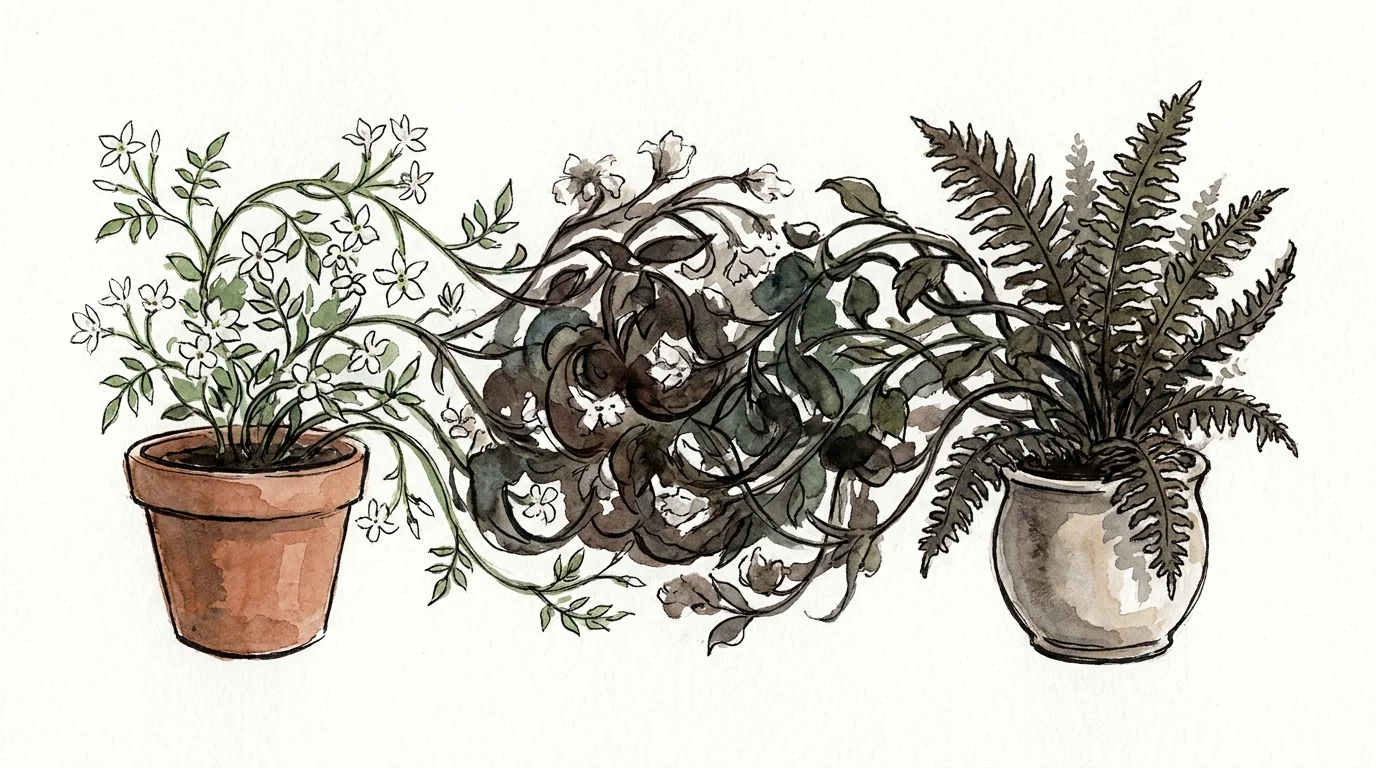
One of the most insidious habits that causes partners to pull away is the complete surrender of your own identity. In the thrill of a new romance, it is easy to start adopting your partner’s hobbies, spending all your free time with them, and neglecting your own friends and passions. You might think this makes you the perfect, accommodating partner.
In reality, it makes you disappear. The traits, interests, and vibrant social life that initially made you attractive are suddenly gone, replaced by a dependent shadow of your former self. When you rely entirely on your partner for entertainment, socialization, and purpose, you place an unbearable weight on the relationship. Your partner may begin to feel claustrophobic and slowly back away to regain a sense of normalcy.
Maintain the life you had before the relationship began. Keep your weekly dinner with friends; continue attending your solitary fitness classes; read your own books. A healthy relationship consists of two whole individuals coming together to share their lives, not two halves trying to complete one another. When you nurture your own individuality, you continually bring new energy, stories, and perspectives into the relationship, keeping the spark alive.
Checklist: Are You Forcing the Connection?
Self-reflection is your best tool for navigating the complex waters of modern dating. Review the following checklist to evaluate whether you might be inadvertently pushing a partner away through emotional forcing.
- You text multiple times without a response: You send follow-up messages simply to prompt a reply, rather than letting the conversation flow naturally. This signals a lack of emotional self-regulation.
- You compromise your non-negotiables early on: You agree to things you dislike or ignore your own boundaries just to keep the peace or win their favor. Sacrificing your values ultimately leads to deep resentment.
- You analyze every minor interaction: You spend hours dissecting a single text message or facial expression, allowing anxiety to dictate your mood. This hyper-vigilance exhausts both you and the relationship.
- You over-schedule their free time: You expect to be included in every weekend plan and feel resentful if they want to spend time alone or with others. A healthy partnership thrives on mutual independence.
- You hide your true opinions: You mirror their beliefs and preferences because you fear that showing disagreement will end the relationship. Authentic love requires the freedom to be completely honest.
If you identify with several of these behaviors, take a deep breath and step back. Redirect that intense focus back onto your own life and emotional well-being. By loosening your grip and allowing the relationship to develop at its own natural pace, you create the exact environment where genuine, lasting love can finally thrive.