
Reentering the dating pool after signing your final papers feels like stepping onto a completely new planet. You might feel a rush of excitement to reclaim your romantic life, or you might carry deep anxieties about repeating painful history. Whichever camp you fall into, navigating love after divorce requires careful intentionality. You are learning how to merge your hard-won independence with the vulnerability required for genuine connection. While stepping back out there offers a beautiful opportunity to rediscover joy, it is incredibly easy to stumble into common traps. By understanding these pitfalls early, you protect your peace, honor your boundaries, and position yourself to build a deeply fulfilling partnership on your own terms.
Rushing the Healing Timeline
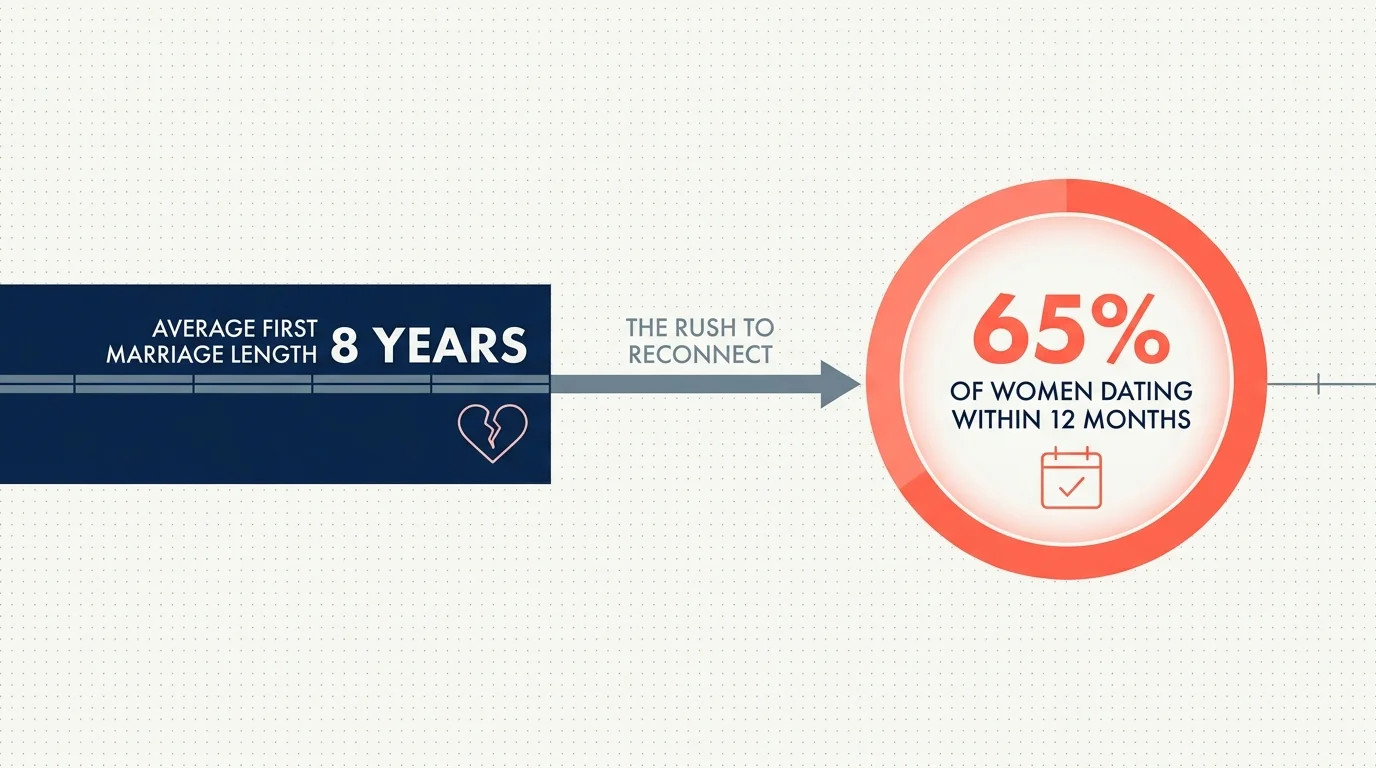
Statistics show that the average length of first marriages ending in divorce spans about eight years. When that significant chapter officially closes, the sudden silence of an empty house can feel deafening. It is entirely normal to crave physical affection, daily conversation, and the validation that comes from a fresh romance. A large-scale survey highlighted by Psychology Today revealed that 65% of separated or divorced women begin dating within the first year. However, confusing acute loneliness with genuine readiness is a misstep that frequently leads directly into rebound relationships.
Divorce is a profound grief event. Even if you were the one who initiated the split, you are still mourning the loss of a shared future, a familiar family structure, and a specific identity. Masking that complex, messy grief with the dopamine hit of a new relationship only kicks your emotional recovery down the road. You might find yourself projecting unmet needs onto a near-stranger; you might over-attach to someone simply because they are physically present to distract you from the quiet.
Instead of rushing the timeline, establish a personal baseline of emotional stability. Ask yourself if you are looking for a partner to complement your life or a life preserver to keep you from drowning. Spend time rebuilding your solo routines. When you can comfortably spend a Friday night alone without feeling a desperate urge to swipe through a dating app, you will know you are dating from a place of choice rather than a place of necessity.

Ignoring Digital Age Dating Safety
If you were married for a decade or more, the modern dating landscape will look entirely foreign to you. The days of meeting someone exclusively through mutual friends or at a local community event have largely been replaced by algorithms, geolocating apps, and encrypted messaging. While these platforms offer unprecedented access to potential matches, they also demand a highly robust approach to personal security.
Trusting a stranger too quickly is a common vulnerability for newly divorced individuals who are accustomed to the implicit trust of a long-term marriage. You must protect your personal information and physical safety with rigid boundaries. Taking a new connection offline requires careful vetting. Prioritize your comfort and safety far above being polite; if a situation feels slightly off, your instinct is usually correct.
Before you agree to meet someone from an app, run through this practical pre-date safety checklist:
- Verify identity: Request a brief video call before the first in-person meeting to ensure your match actually resembles their profile pictures.
- Control your transport: Drive yourself to the date or use a rideshare service. Never allow a new match to pick you up at your home.
- Stay in public: Choose a well-lit, populated location like a local coffee shop or a busy restaurant for the first few dates.
- Guard your data: Keep your home address, workplace details, and financial information entirely private until you have established genuine, sustained trust.
- Share your location: Send your itinerary and location tracking to a trusted friend or family member before you leave the house.
Utilize the safety features built into dating apps, and never hesitate to leave a date early if a conversation makes you uncomfortable. For comprehensive guidance, you can review RAINN’s dating safety tips alongside other essential dating tips designed specifically for the modern era.
Letting the “Four Horsemen” Ride Again
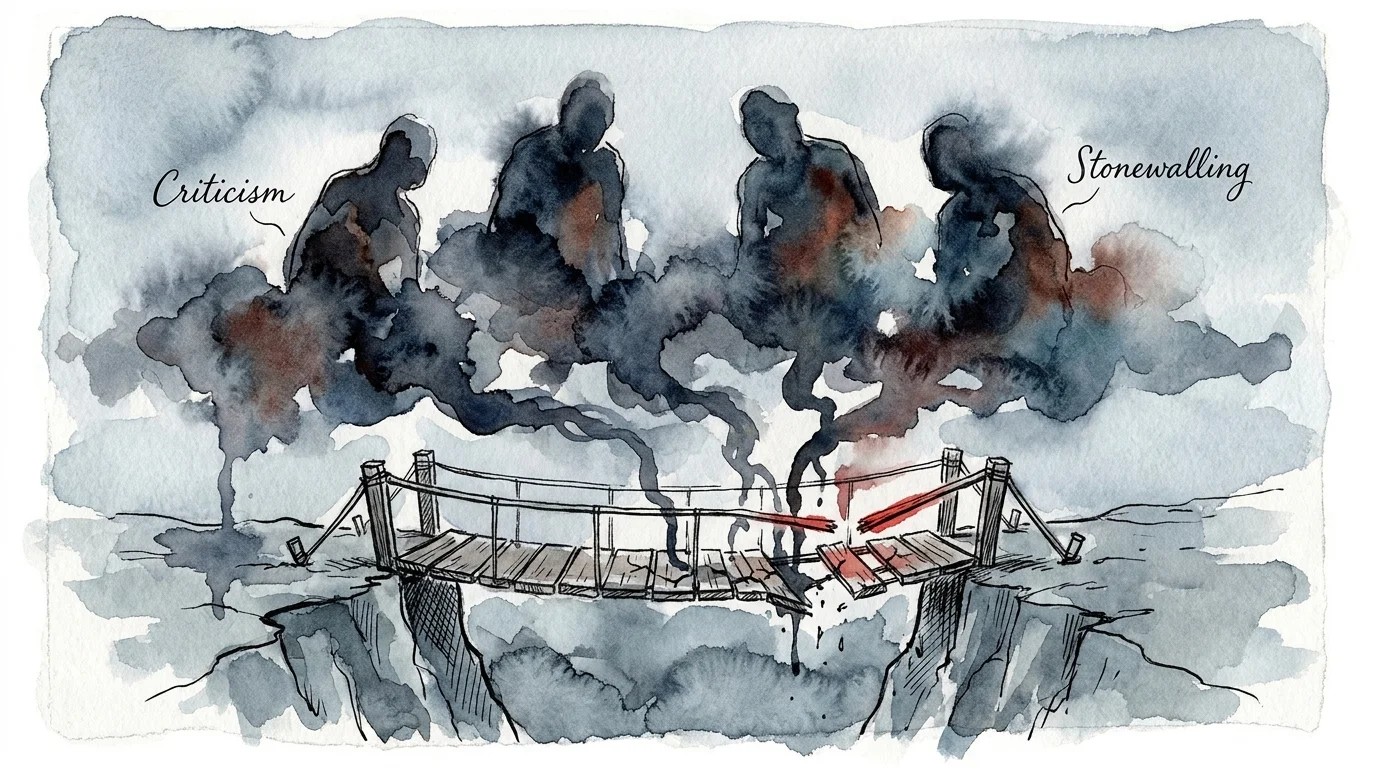
We all carry heavy baggage from our past relationships. The danger lies in unpacking that baggage in your new partner’s living room. Decades of relationship research from The Gottman Institute have identified specific communication styles that reliably predict relationship failure. Dr. John Gottman famously coined these negative patterns as the “Four Horsemen of the Apocalypse”: Criticism, Defensiveness, Contempt, and Stonewalling.
If your marriage ended due to high-conflict arguments, it is incredibly easy to slip right back into those familiar, destructive grooves with someone new. For instance, if your ex-spouse constantly belittled your efforts, you might have developed a hair-trigger defensiveness. When a new partner makes a benign suggestion about how to navigate a driving route, your nervous system might become “flooded”—a physiological state of overwhelming distress that blocks creative problem-solving. You might launch into a counterattack because your body misinterprets the simple comment as a severe threat.
Contempt—expressed through eye-rolling, heavy sarcasm, mocking, or acting superior—is the most corrosive of these behaviors and remains the single biggest predictor of divorce. If you find yourself speaking to a new date with the same sarcastic edge you used during your divorce mediation, step back immediately.
To break these cycles, practice deep self-awareness. Notice when your heart rate spikes during a minor disagreement. Instead of resorting to harsh criticism (“You never listen to me”), practice a soft startup (“I feel disconnected when we look at our phones during dinner; I need us to spend twenty minutes catching up”). Healing means actively learning how to disagree without tearing the other person down.

Misjudging Your True Relationship Value
Divorce often takes a brutal sledgehammer to your self-esteem. You might internalize the failure of the marriage as a personal defect, leaving you feeling unlovable, exhausted, or convinced you are past your prime. This profound vulnerability leads directly into the trap of poor “social pricing.”
Behavioral economists and psychologists note that when your perceived relationship value drops, you naturally lower your dating standards. You might tolerate inconsistent texting, emotional unavailability, or outright disrespect because a quiet, damaged voice in your head whispers that you should be grateful anyone is paying attention to you at all. This dynamic is especially common for single parents who fear their complex custody schedules make them a severe burden to potential partners.
Do not discount your inherent worth. The resilience, emotional intelligence, and life experience you gained from navigating a marriage—and subsequently surviving a divorce—make you a high-value partner. Your scars are tangible proof of your capacity to survive incredibly difficult things.
Take out a pen and paper. Write down three non-negotiable character traits you require in a future partner—such as emotional consistency, financial responsibility, and clear communication. Next, write down three absolute dealbreakers. When a new romantic interest shows you a dealbreaker, believe them the very first time. Do not twist yourself into knots to accommodate someone else’s dysfunction just to avoid eating dinner alone.

Underestimating the Need for Professional Support
There is a pervasive societal myth that once the divorce is finalized, you should automatically feel free, light, and ready to conquer the world. In reality, the emotional fallout often hits hardest when the distracting legal logistics finally conclude. Trying to white-knuckle your way through post-divorce depression or anxiety is a profound mistake that actively sabotages your future relationships.
Research shows that both men and women face significant, yet differing, mental health hurdles following a marital split. Studies highlight that men face a six-fold increase in the risk for depression after a divorce because they frequently rely exclusively on their spouse for their emotional support system. Without that familiar anchor, they tend to isolate themselves rather than reaching out. Conversely, women frequently grapple with intense identity shifts—mourning the transition from a traditional family unit to navigating the heavy mental load of single parenting and sudden financial restructuring.
Building a dedicated support system is not a sign of weakness; it is a vital strategic necessity. The American Psychological Association emphasizes that working with a mental health clinician helps you process emotional trauma and navigate the complex practical implications of your newly reconfigured life. Professional relationship advice from a therapist provides an objective sounding board, helping you untangle your exact role in the marriage’s demise so you do not repeat the exact same dynamic.
Note: If you are experiencing severe distress, emotional coercion, or recovering from domestic abuse, please seek immediate guidance from a licensed mental health professional or contact a local safety hotline.
Introducing New Partners to Children Too Quickly
When you finally meet someone who makes you laugh and treats you beautifully, the temptation to fold them into your family unit is overwhelmingly strong. You naturally want your children to see you happy. You want to blend your separate worlds into a cohesive, joyful whole. However, prioritizing your romantic excitement over your children’s emotional pacing is a critical, lasting mistake.
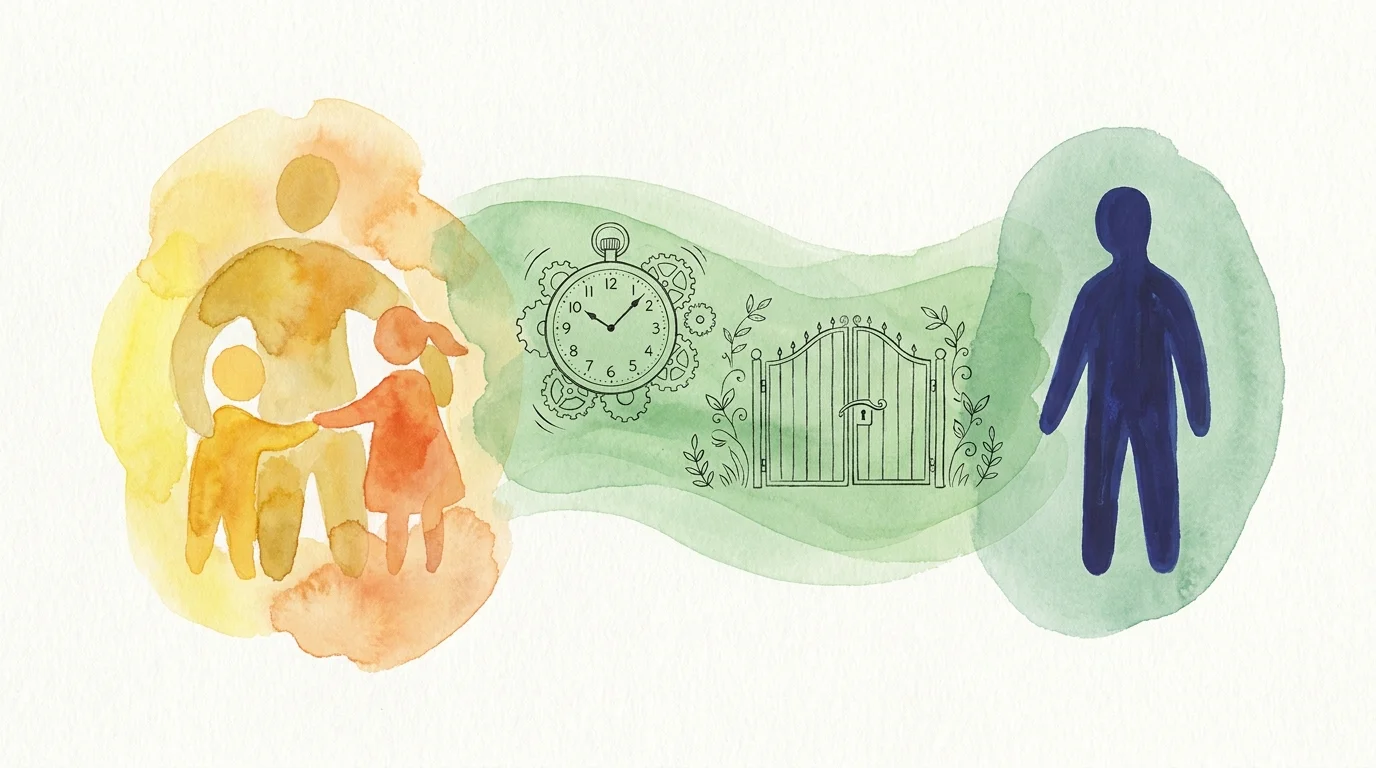
Children process divorce on a completely different, often much slower timeline than adults. Even if the split was completely amicable, children often harbor secret, stubborn hopes of reconciliation, or they carry deep, unspoken anxieties about abandonment. Introducing a new partner prematurely can trigger intense jealousy, behavioral regressions, and deep confusion. In fact, mental health professionals warn that rapid recoupling can sometimes be more destabilizing and dramatic for a child than the initial divorce itself.
Protect your children’s sanctuary. Keep your dating life strictly separate from your parenting time during the early, exploratory stages of a new relationship. Experts generally advise waiting at least a year—and ensuring the relationship is deeply committed, healthy, and stable—before making any introductions. When you do finally make the introduction, keep it casual and extremely low-pressure. Meet at a neutral location like a park or a bowling alley rather than hosting a highly charged, formal family dinner. Allow your children to completely dictate the pace of their developing relationship with your new partner.
Overlooking the Logistics of Later-Life Mergers
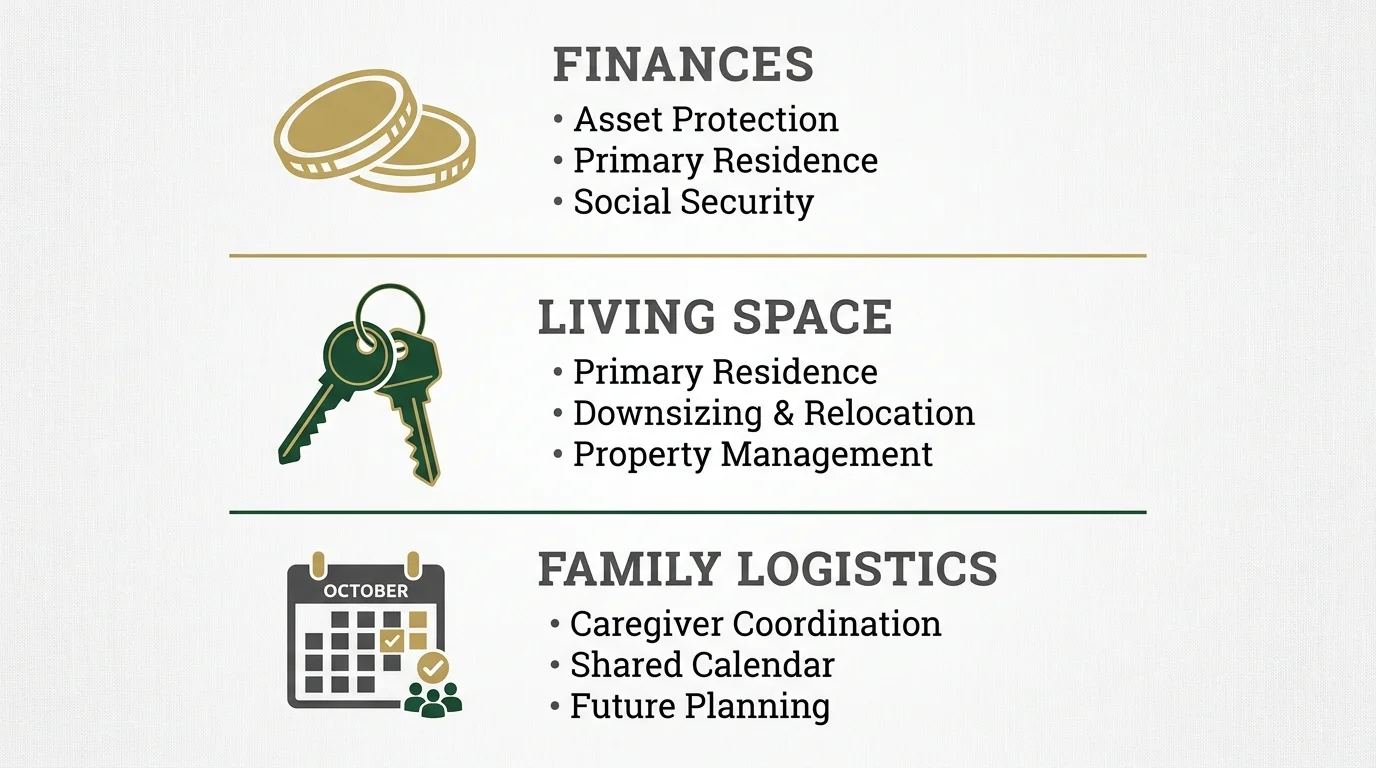
Dating after a “gray divorce”—a split that occurs after age 50—brings an entirely distinct set of complications to the table. When you are in your twenties, merging your life with a new partner usually involves splitting the rent on a small apartment and picking out a couch together. In your fifties, sixties, or beyond, merging lives involves untangling decades of established assets, retirement accounts, complex relationships with adult children, and deeply entrenched lifestyle habits.
Failing to discuss these logistical realities destroys many promising late-in-life romances. If you plan to cohabitate or eventually remarry, you must have highly transparent conversations about financial boundaries and end-of-life care. Psychologists note that when a new spouse enters the picture, adult children often feel intense anxiety regarding inheritance, the potential sale of the childhood family home, or who ultimately holds medical power of attorney.
Do not shy away from the deeply unromantic conversations. Sit down with your new partner and discuss exactly how you will handle daily expenses. Will you maintain separate bank accounts? How will you manage long-term health care needs? If you have adult children, communicate your plans clearly to them and reassure them of their permanent, unshakeable place in your life. Establishing these practical, airtight frameworks early prevents quiet resentment and catastrophic financial misunderstandings down the line.
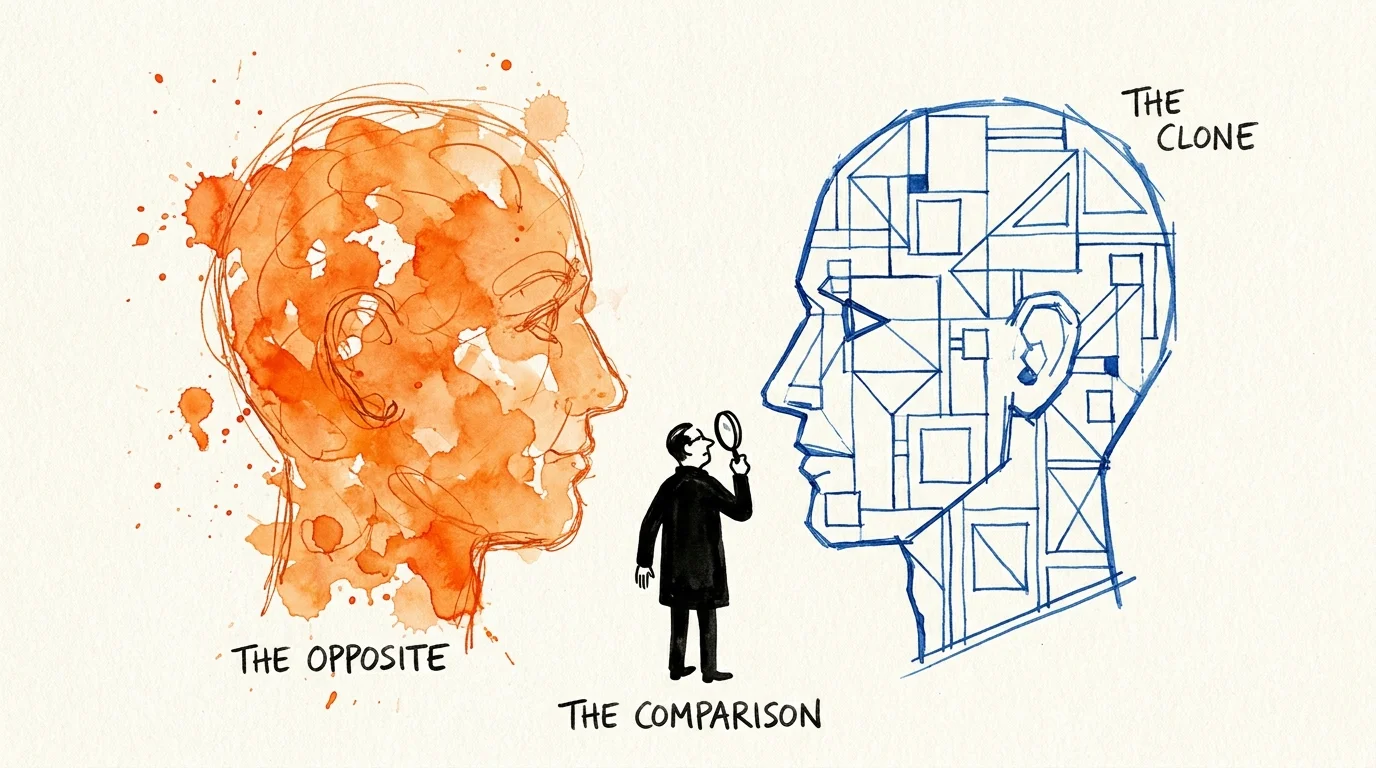
Searching for an Exact Clone—or the Complete Opposite
When reentering the dating pool, the pendulum of preference often swings wildly to one extreme or the other. Some divorced individuals actively seek out an almost exact replica of their ex-spouse, unconsciously trying to rewrite their history and achieve a better outcome with a highly familiar personality type. Others sprint in the exact opposite direction, intentionally seeking out partners who are the polar antithesis of their former spouse.
If your ex was highly rigid and relentlessly career-obsessed, you might find yourself instantly charmed by a free-spirited artist who lives purely in the moment. While that uninhibited spontaneity feels intoxicating at first, you will eventually realize that you still require a baseline of financial stability and structural reliability to feel safe. Over-correcting for your ex’s specific flaws completely blinds you to the very real, glaring incompatibilities of the new person standing right in front of you.
To avoid this subtle trap, you must deliberately decouple your future from your past. Evaluate potential partners based purely on their standalone merits, not on how they stack up against the person you just divorced. Look for shared core values, demonstrated emotional availability, and a mutual, exciting vision for the future. True, lasting compatibility is found by remaining fiercely present, rather than living in the shadows of your former marriage. Take your time, trust your renewed intuition, and allow yourself to build a relationship that finally reflects the person you have become.