
You feel a lingering disconnect in your relationship, a subtle sense that your partner adores a version of you that doesn’t actually exist. When someone loves the idea of you more than the real you, they attach themselves to a fantasy — a projection of their unmet needs — rather than embracing your authentic, flawed humanity. This dynamic leaves you feeling unseen, misunderstood, and exhausted from trying to fit into a mold that was never yours. If you regularly catch yourself hiding true thoughts or minimizing quirks just to keep the peace, you might be trapped in an illusion. Recognizing these behavioral patterns allows you to break the cycle and finally pursue the genuine emotional connection you deserve.
They Edit Your Personality to Fit Their Script
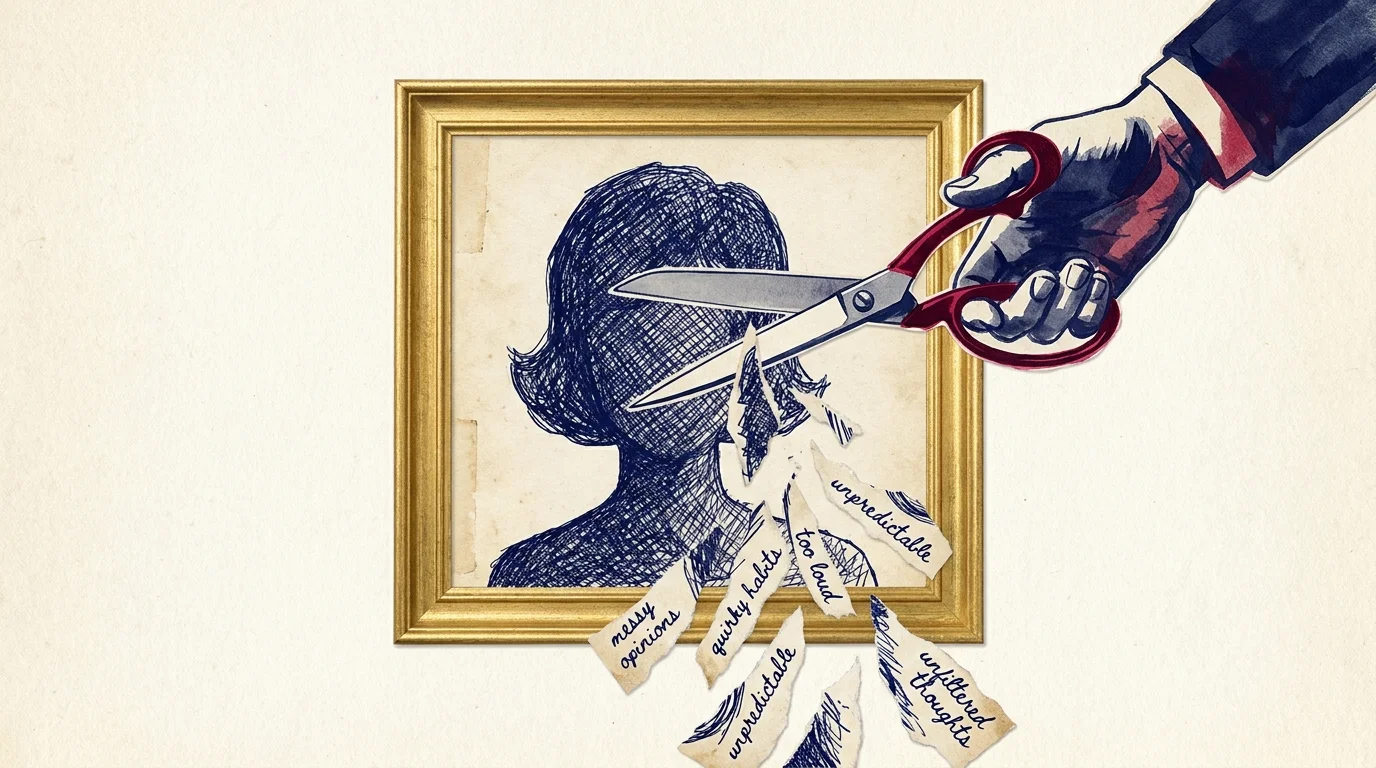
When you date someone who loves the idea of you, they act as a casting director rather than a supportive partner. They fall in love with your aesthetic, your profession, or the social status you bring them, but they conveniently ignore the messy, complex traits that make you genuinely human. If you express an opinion that contradicts their worldview, they quickly brush it off. If you display a quirky habit they find unappealing, they treat it as a frustrating annoyance to be trained out of you rather than an endearing part of your personality.
In clinical psychology, this dynamic often overlaps with a concept known as the fantasy bond, originally developed by Dr. Robert Firestone. A fantasy bond replaces genuine love and intimacy with a superficial illusion of connection. The partner maintaining this bond is primarily seeking relief from their own anxiety, relying on an idealized version of you to soothe themselves. They are not interacting with the living, breathing person in front of them; they are interacting with a highly edited image. You can spot this editing process when they introduce you to friends and heavily exaggerate your accomplishments while completely leaving out your actual passions, or when they buy you clothing that clearly belongs to an entirely different person.
They Disregard Your Bids for Emotional Connection
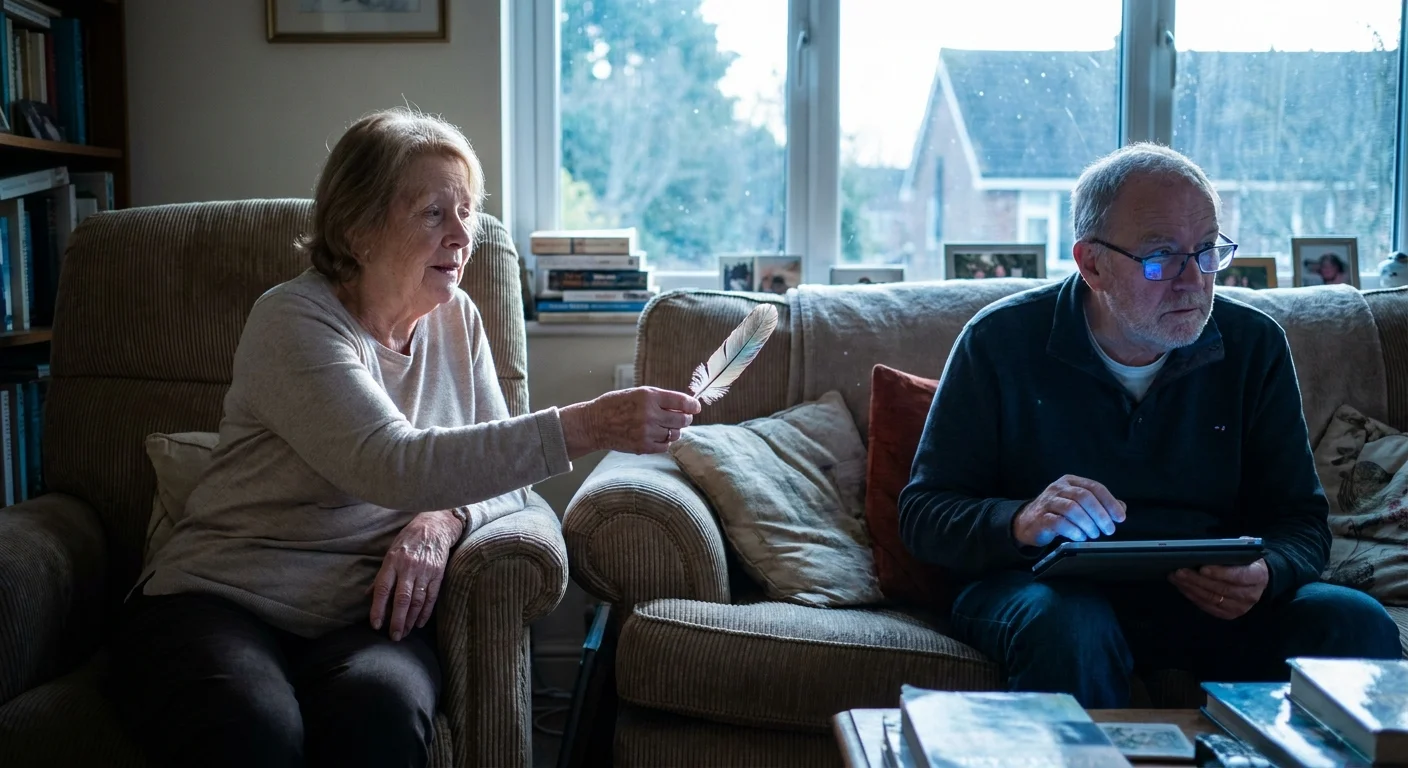
Emotional intimacy requires two people to continually acknowledge and validate each other’s lived reality. According to decades of extensive relationship research by The Gottman Institute, lasting partnerships thrive on what experts call “bids for connection.” A bid can be anything from asking a direct question to sighing heavily after a long day or simply sending a funny text message. Healthy couples routinely turn toward these bids, recognizing them as quiet requests for attention, affection, and emotional support.
When someone is merely in love with a fantasy, they drastically miss or ignore these bids unless the moment directly serves their narrative. If you come home crying because of a stressful day at work, a partner who loves the real you will sit with you in that sadness. In fact, emotionally secure partners create a safe haven where vulnerability strengthens the bond rather than threatens it. Conversely, a partner who loves the idea of you will likely feel irritated or dismissive because your sadness shatters the illusion of the perfect, low-maintenance relationship they envisioned. By tracking how often your partner actually turns toward your moments of vulnerability, you can clearly measure whether they value your true emotional state or merely your baseline compliance.
They Are Infatuated With Your Potential, Not Your Present
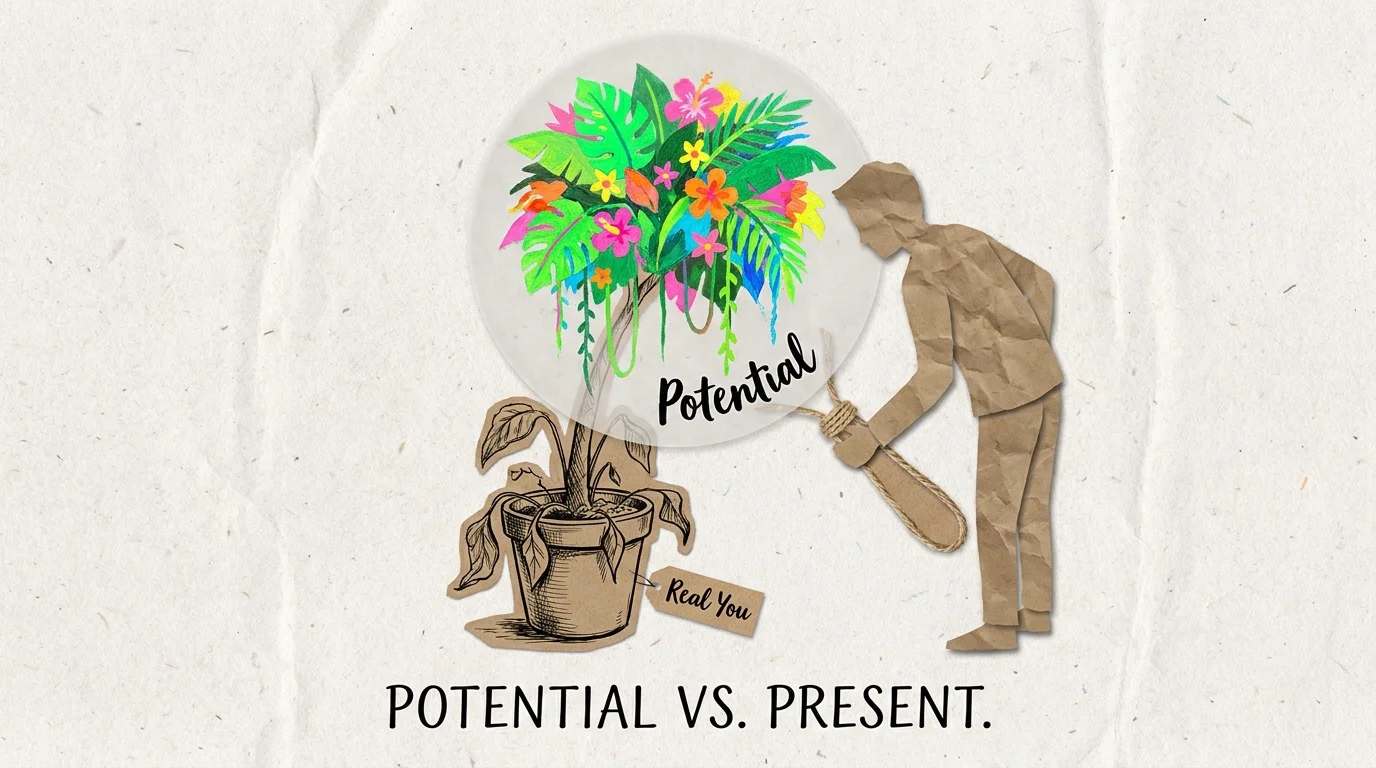
A classic hallmark of loving an idea rather than a person is the “fixer” dynamic. This person looks at you and sees a renovation project. They fall deeply in love with the potential of what you could become if you just changed your career, adopted their niche hobbies, altered your diet, or moved to their preferred city. While healthy partners certainly encourage each other to grow, they do so from a foundation of absolute acceptance of the present moment.
When you are treated as a project, the affection you receive is entirely conditional. It is doled out as a reward when you hit a milestone that aligns with their blueprint for your life, and it is quickly withdrawn when you step out of line. You might notice them saying things like, “You would be so much happier if you just listened to my advice on your career,” or “I cannot wait until you finally adopt a new style so we can go to these upscale events together.” These statements cleverly disguise control as care. The practical reality is that you are enough right now, exactly as you are. A partner who requires you to unlock a future version of yourself before granting you foundational respect does not love you; they love their own ego and their perceived ability to mold you.

You Feel Constant Pressure to Perform
Authentic love feels like taking off a heavy pair of boots at the end of a long, exhausting day. It brings an immediate sense of relief, safety, and physical relaxation. Conversely, being loved as an idea feels like walking onto a brightly lit stage. Your nervous system recognizes the intense demand to perform, leaving you constantly scanning your environment to ensure you are playing your assigned role correctly.
This performance anxiety manifests in highly concrete ways. You might spend hours perfectly curating your appearance before seeing them, terrified that looking tired or disheveled will ruin their perception of your relationship. You might rehearse conversations in the shower, carefully screening your words to avoid triggering their disappointment or annoyance. Over time, this chronic self-monitoring leads to severe emotional burnout. If you find yourself feeling physically exhausted after spending a weekend with your partner, pay close attention to your body. Your physical responses know when you are shrinking yourself to fit inside a suffocating container. True intimacy energizes; forced performance drains.
Their Future Plans Rarely Include the Real You
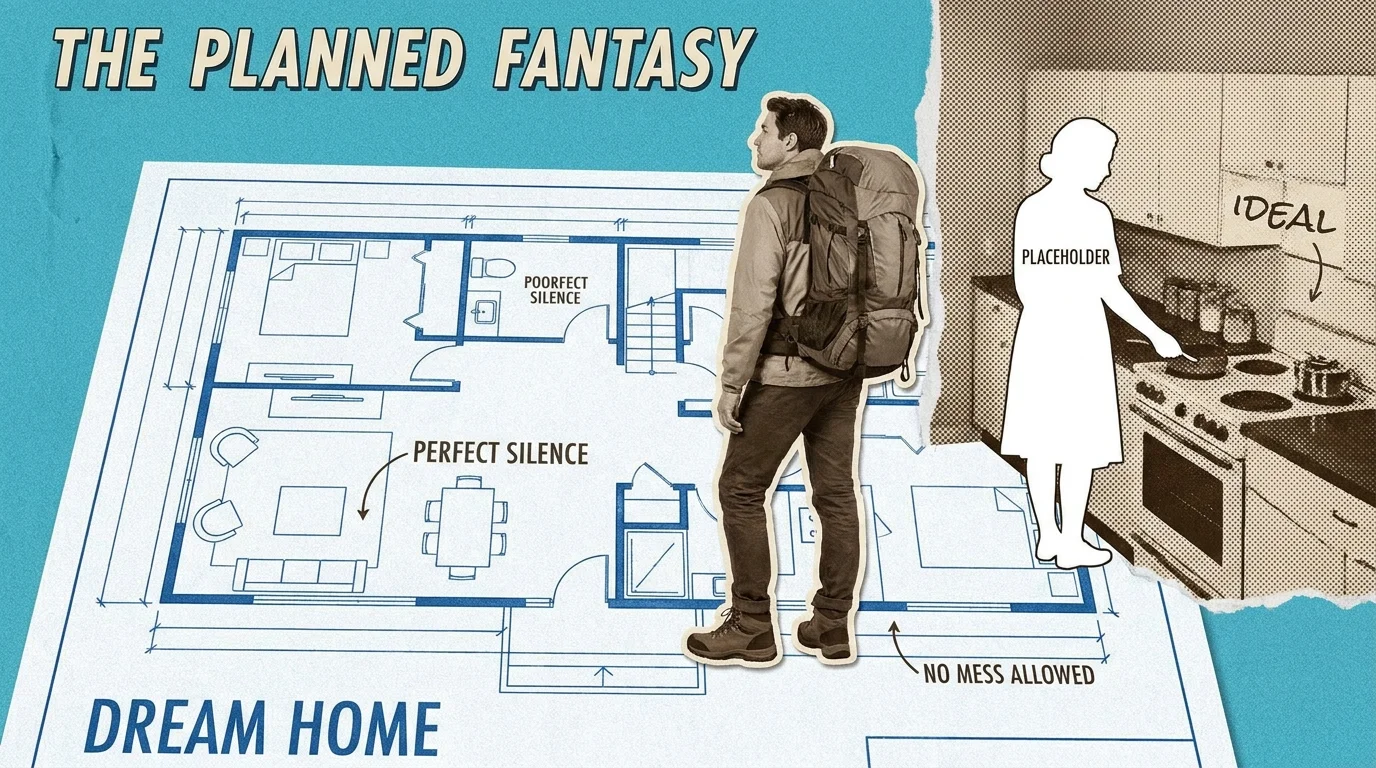
Listen closely to how they talk about the future. A partner who loves the real you builds a shared vision based on mutual desires, integrating your dreams seamlessly with theirs. A partner who loves a concept will endlessly monologue about a detailed, rigid future that seemingly has a blank space where your actual personality should go.
For example, they might enthusiastically plan a life in a quiet rural town, completely ignoring the fact that you have repeatedly stated you thrive in a bustling city environment. They might talk about having four children when you have clearly communicated your desire to remain child-free. When you gently remind them of your actual preferences, they wave away your concerns, boldly assuming you will eventually change your mind to fit the script. They view your deeply held values as temporary phases that will naturally fade once you realize the brilliance of their master plan. This blatant disregard for your long-term goals is a massive indicator that the person they intend to spend their life with is an imaginary companion, not you.
Boundaries Are Treated as Personal Insults
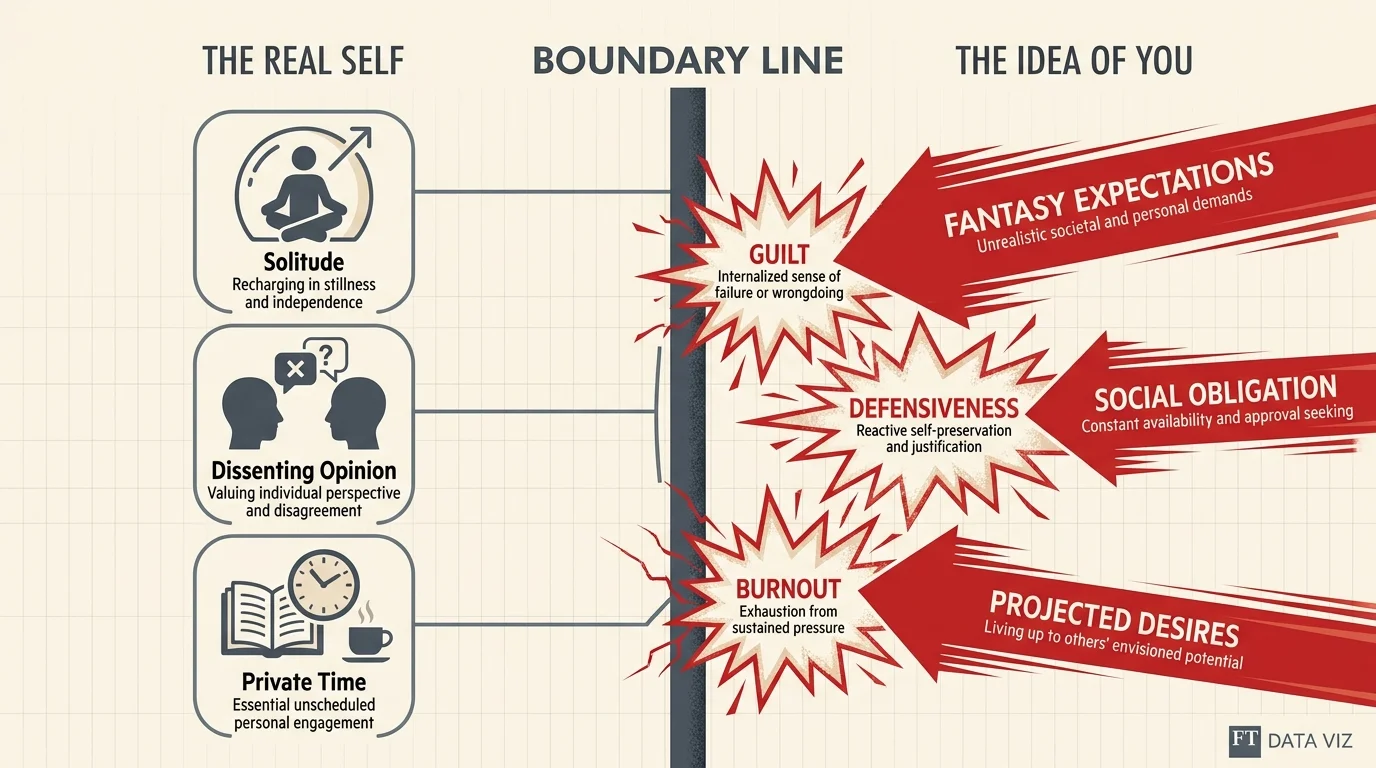
Setting a clear, firm boundary is the ultimate test of reality in any romantic relationship. When you say “no” to a request, ask for much-needed alone time, or refuse to engage in a specific activity, you vigorously assert your autonomy. A partner rooted in reality might feel momentary disappointment, but they will respect the boundary because they fundamentally respect you as an independent human being.
For someone living in a fantasy bond, a boundary is a massive threat. Your refusal to comply violently pops the bubble of their illusion, reminding them that they do not actually control you. Consequently, they react to healthy boundaries with extreme defensiveness, sulking, guilt-tripping, or sudden bursts of anger. They might accuse you of being difficult, selfish, or unloving simply because you prioritized your own well-being over their comfort.
It is highly important to recognize when boundary-crossing escalates into dangerous territory. If a partner routinely uses intimidation, guilt, or fear to trample your boundaries — especially concerning physical intimacy, finances, isolation from loved ones, or reproductive choices — this crosses the line from emotional disconnect into coercion and abuse. If you ever feel unsafe or severely distressed, please seek professional help immediately. You can reach out to The National Domestic Violence Hotline at 800-799-SAFE or text “START” to 88788 for free, confidential, and immediate support.
They Project Their Own Unresolved Issues Onto You
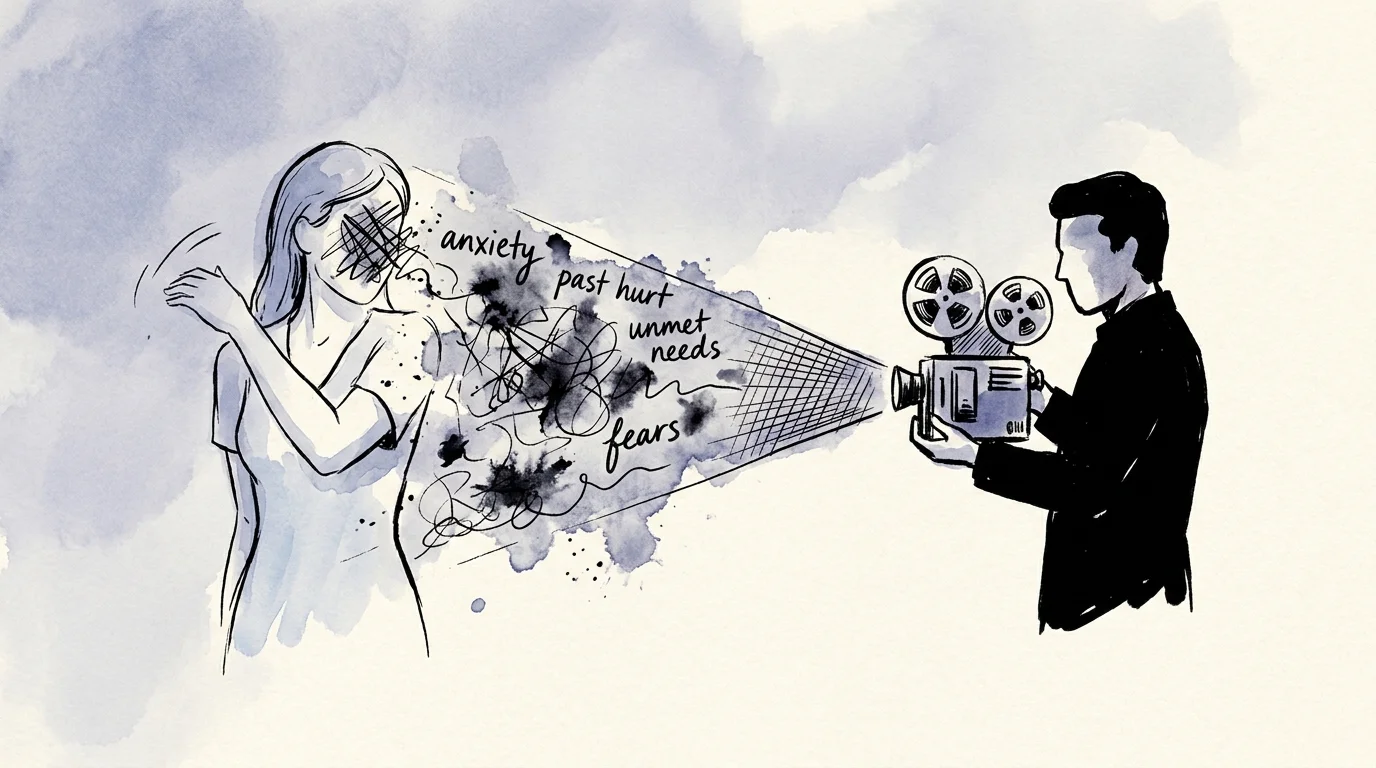
Psychological projection occurs when an individual subconsciously takes their own unacceptable thoughts, feelings, or insecurities and attributes them to someone else. When a partner is deeply invested in the idea of you, they will routinely use you as a blank canvas for their own unresolved emotional baggage rather than seeing your unique individuality.
Often, this takes the form of extreme idealization followed by sudden devaluation. Early in the relationship, they might project the role of the “perfect savior” onto you, genuinely believing you are the magical cure for their loneliness, depression, or past heartbreak. They place you on an impossibly high pedestal, showering you with praise that feels unearned and highly overwhelming. However, the exact moment you display a human flaw — perhaps you forget to run a minor errand or you express frustration over a bad day — you violently fall from grace. Suddenly, they project the role of the “villain” onto you, completely blaming you for their current unhappiness. You are forced onto an unpredictable emotional rollercoaster, entirely dictated by their internal weather rather than your actual behavior.
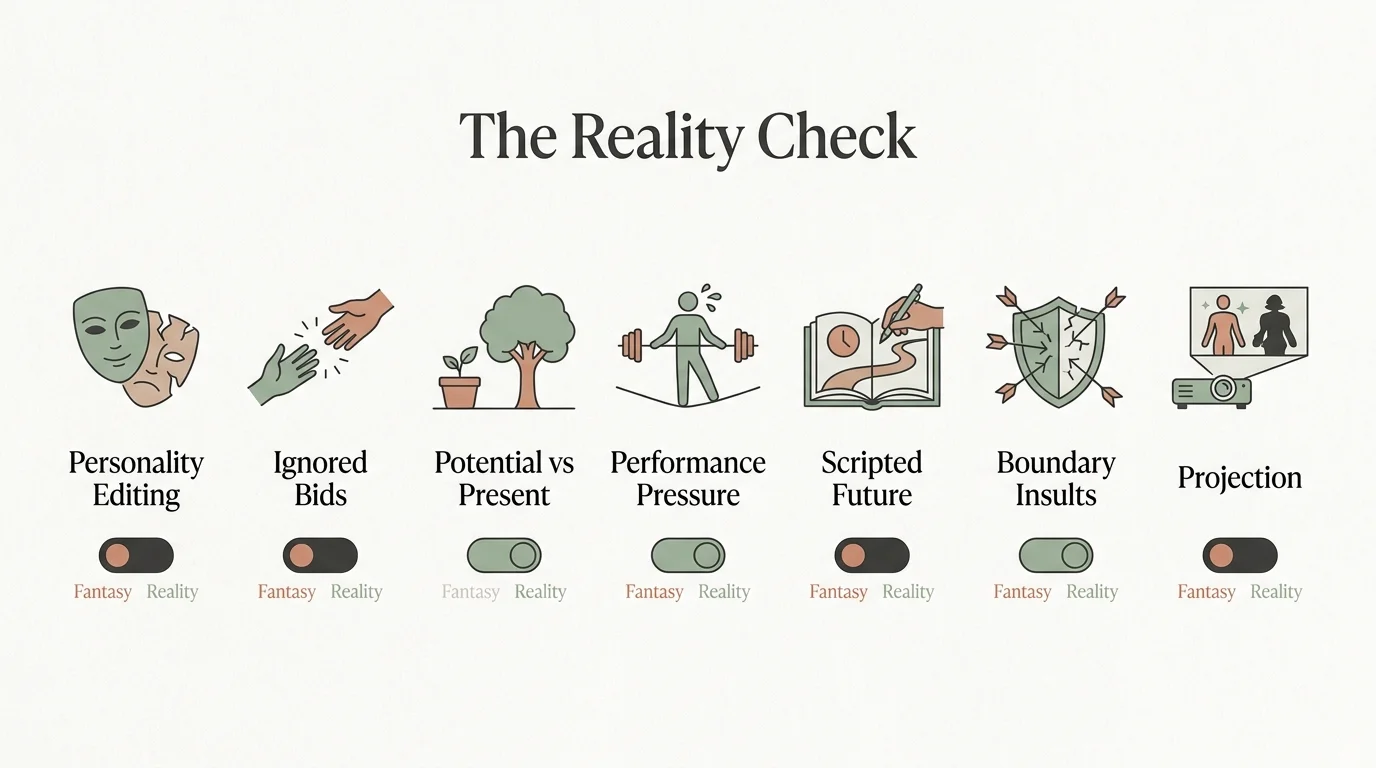
Checklist: Assessing the Reality of Your Relationship
If you suspect your partner is clinging to an illusion, it is time to conduct an honest inventory of your daily interactions. Use this practical checklist to evaluate the depth and authenticity of your connection. Ask yourself the following questions:
- The Silence Test: Do you feel entirely comfortable sitting in silence with your partner, or do you feel a frantic pressure to entertain them and keep the mood artificially light?
- The Bad Day Test: When you are sick, stressed, or visibly upset, does your partner step up to offer compassionate care, or do they withdraw and act noticeably annoyed by your lack of energy?
- The Disagreement Test: Can you express a differing political, social, or philosophical opinion without your partner treating it as a vicious personal attack on their character?
- The Memory Test: Does your partner remember the small, mundane details about your life, or do they only remember the flashy traits they can brag about to their social circle?
- The Wardrobe Test: Do they constantly suggest you change your personal style, hair, or appearance to match a specific aesthetic they actively prefer?
- The Forgiveness Test: When you make a minor, harmless mistake, do they offer grace, or do they hold it over your head as undeniable proof that you are failing them?
If you answered negatively to several of these questions, your relationship is likely suffering from a severe reality deficit.

How to Reclaim Your Authentic Self
Realizing that your partner is in love with a ghost rather than your true self is a painful, disorienting experience. It is completely normal to grieve the relationship you thought you had. However, this realization is also profoundly liberating; it frees you from the impossible burden of trying to be perfect. You no longer have to contort your personality to fit into a severely cramped box.
Your first actionable step is to begin testing the waters of authenticity. Start speaking your mind on small matters. If they suggest a restaurant you dislike, say so. If they bring up a topic you disagree with, state your actual opinion calmly and firmly. Observe their reaction without trying to manage their emotions. If they throw a tantrum, withdraw their affection, or try to gaslight you into changing your mind, you have your concrete answer. Their love is entirely conditional upon your strict compliance.
Next, you must accept a harsh but necessary truth: you cannot love someone into seeing the real you. No amount of explaining, pleading, or strategic negotiating will force an emotionally unavailable person to suddenly develop the capacity for deep, authentic connection. Their inability to see your intrinsic worth is fundamentally a reflection of their own psychological limitations, not a reflection of your actual value.
Shift your focus away from trying to be understood by them and aggressively redirect that energy toward understanding yourself. Reconnect with the friends you may have neglected while trying to maintain the relationship’s illusion. Return to the enriching hobbies you dropped because your partner found them uninteresting. Seek out vibrant communities and spaces where your true personality is not merely tolerated, but actively celebrated. You deserve a love that looks at your authentic, messy, beautifully complex reality and decides, without hesitation, that you are exactly who they want.