
Unspoken tests often determine whether a new romance deepens into a lasting bond or fades away prematurely. You might not realize it, but the person you are dating observes how you handle minor inconveniences, boundary setting, and moments of silence to evaluate your long-term potential. Understanding these subtle behavioral evaluations helps you navigate early romance with confidence and authenticity. When you recognize the psychology behind these assessments, you can respond thoughtfully rather than react defensively to sudden shifts in behavior. The way you handle conflict, unexpected delays, or even a simple bid for attention speaks volumes about your relationship skills. Here are the most common ways people secretly gauge compatibility and evaluate your capacity for a healthy connection.
1. The “Bid for Connection” Assessment
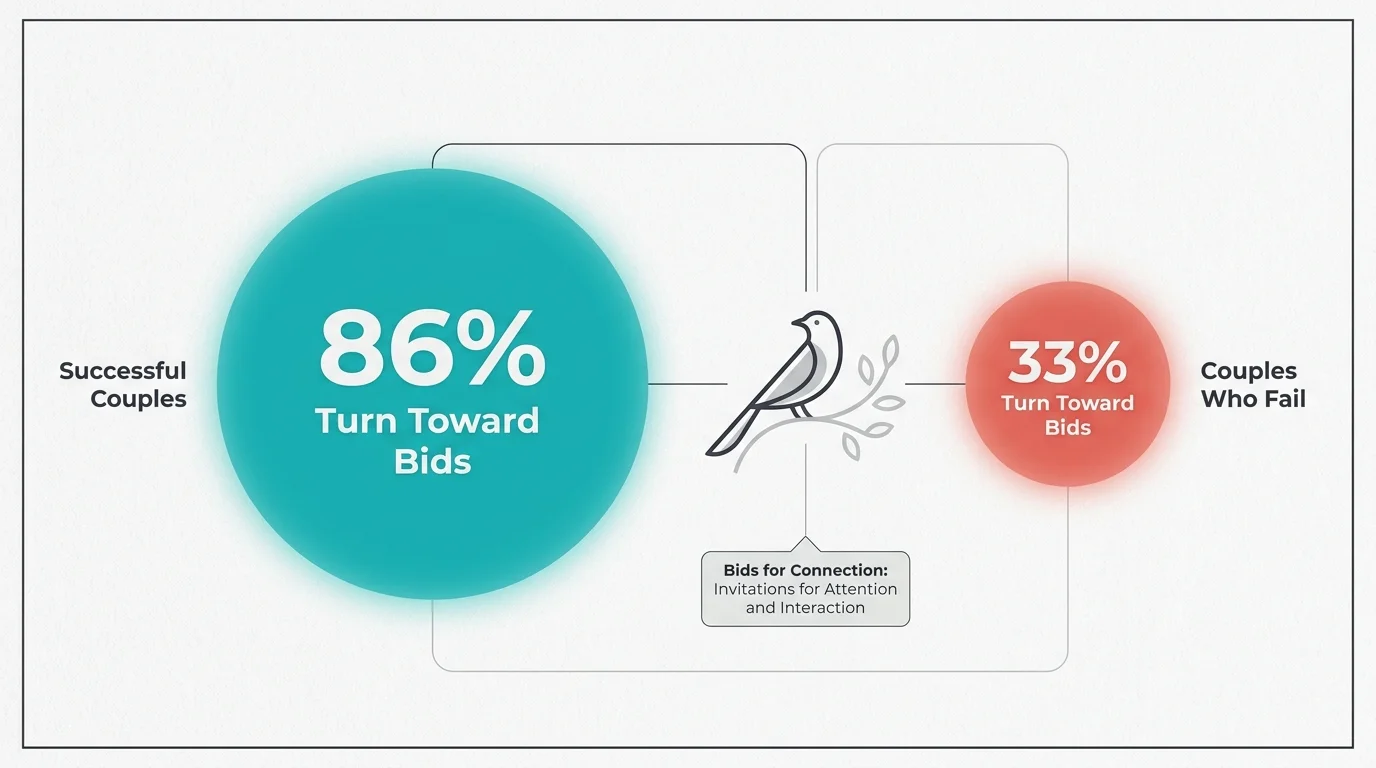
The most frequent and subtle relationship test happens multiple times a day. Relationship researchers refer to these moments as “bids for connection.” A bid can be as obvious as asking for a back rub or as subtle as pointing out an interesting bird outside the window. When the person you are dating makes a bid, they are secretly testing your attunement. They are asking, “Are you paying attention to me? Do my interests matter to you?” According to research from the Gottman Institute, successful couples turn toward these bids for connection 86 percent of the time, whereas couples whose relationships fail turn toward each other only 33 percent of the time.
If you ignore the comment about the bird, or give a dismissive grunt while staring at your phone, you fail the micro-test. Over time, these small failures accumulate into a profound sense of disconnection. When you actively put down your device, make eye contact, and engage with their observation, you pass the test by signaling that you value their perspective. If your partner texts you a meme during the workday, they are not just sharing a joke; they are reaching out for shared amusement. A brief response followed by a question about their day turns toward the bid. Silence or dismissiveness turns away. To master this assessment, you must practice active listening and recognize that mundane comments are rarely just about the topic at hand; they are invitations to connect.

2. The Stress and Inconvenience Observation
Anyone can be charming over a candlelight dinner when everything goes according to plan. The true test of compatibility emerges when the restaurant loses your reservation, the flight is delayed, or you get caught in a sudden downpour. People use minor inconveniences as a proxy to evaluate how you will handle major life crises. They are observing your emotional regulation and problem-solving skills under pressure.
During a stressful event, your partner watches your default reaction. Do you lash out at service workers? Do you blame your partner for not checking the weather? Or do you take a deep breath, laugh off the absurdity of the situation, and immediately pivot to finding a solution? If you throw a tantrum over a wrong food order, your date will correctly assume you lack the emotional maturity required for a long-term partnership.
You can navigate this test successfully by separating the problem from the relationship. When a tire goes flat on a road trip, view it as an opportunity to demonstrate teamwork. Keep your tone level, offer actionable solutions, and reassure your partner. Demonstrating grace under pressure proves that you are a reliable anchor when life inevitably becomes chaotic. Furthermore, pay attention to their reaction as well. Do they join you in problem-solving, or do they collapse into helplessness? This unspoken test works both ways.

3. The Boundary Negotiation Check
Early in a relationship, boundaries are fluid and require active communication to solidify. A partner might intentionally—or accidentally—push a boundary to see how you respond. They might text you late at night when they know you sleep early, or request your time when you have already committed to seeing friends. This test serves two purposes: they want to see if you respect yourself enough to enforce your limits, and they want to see if you respect them enough to communicate those limits kindly.
Setting robust boundaries is a vital skill that protects your well-being and fosters a healthy dynamic, as highlighted by resources from the American Psychological Association. A healthy partner actually wants you to pass this test. They want to know that you are a distinct, autonomous individual who will not simply mold to their preferences. If you constantly fold and abandon your own needs to appease your partner, you demonstrate a lack of self-respect that can quickly lead to codependency. Conversely, if you react with explosive anger when a boundary is casually tested, you reveal an inability to communicate effectively.
The ideal response lies in the middle. Deliver a warm but firm boundary. Say something like, “I would love to see you, but I need a quiet night to recharge. Let’s plan for Thursday.” This shows that you are emotionally secure enough to advocate for your own needs while still prioritizing the connection.

4. The Reaction to the Word “No”
Perhaps the most crucial evaluation in any emerging relationship is how a person handles the word “no.” This test reveals the underlying framework of a person’s ego, entitlement, and respect for autonomy. When your partner declines a date idea, refuses physical intimacy, or disagrees with an opinion, they are watching your reaction very closely. They need to know if your affection is conditional upon their compliance.
A healthy partner will accept a “no” with grace, understanding that their partner is an autonomous individual with their own preferences and limits. If you respond to a refusal with pouting, the silent treatment, or an attempt to negotiate their boundary, you immediately signal emotional immaturity. Healthy relationships require space for both partners to decline requests without fear of retaliation or guilt.
Important Note: If you find that the person you are dating regularly tests you by ignoring your boundaries, using guilt to manipulate your decisions, or responding to your “no” with coercion and anger, this is a severe warning sign. This behavior goes beyond standard relationship testing and enters the territory of emotional abuse. Please seek professional help or contact the National Domestic Violence Hotline at 1-800-799-SAFE if you have safety concerns or feel severe distress in your relationship.
When you are the one receiving a “no,” view it not as a rejection, but as a clarification of your partner’s boundaries. Acknowledge their response calmly and shift the conversation forward. Demonstrating that you can hear the word “no” without your ego crumbling is one of the most attractive traits you can display in modern dating.

5. The Independence and Jealousy Gauge
A perceptive partner will test your level of secure attachment by bringing up scenarios that trigger insecurity in codependent individuals. They might casually mention an upcoming weekend trip with their friends, reference an interaction with a charismatic coworker, or spend an evening deeply engaged in their own hobbies. This is not necessarily designed to make you jealous; rather, it is a test of your emotional independence. Based on attachment theory psychology, testing behaviors often stem from underlying fears and a need to measure emotional safety. They want to see if you can self-soothe when their attention is directed elsewhere.
If you respond with a barrage of interrogating questions, passive-aggressive remarks, or demands for constant text updates while they are out, you reveal an anxious attachment style. You signal that you require them to manage your emotional state. A healthy relationship is composed of two whole individuals who choose to be together, not two halves desperately clinging to one another for validation.
To pass the independence gauge, enthusiastically support their outside interests and friendships. Encourage them to have fun and mean it. Use the time apart to invest in your own hobbies, friendships, and goals. When you demonstrate that your life is rich and fulfilling independent of the relationship, you become exponentially more attractive and prove that you are capable of a mature, interdependent partnership.

6. The Reaction to Shared Silence
During the early stages of dating, silence can feel incredibly loud. You sit in the car together, or wait for your food to arrive at a restaurant, and the conversation naturally lulls. Your partner will observe how you handle this void. Do you panic and scramble to fill the air with mindless chatter, or do you relax into the moment and allow the silence to simply exist?
The shared silence test measures your baseline level of comfort and security. Constant, frantic talking often indicates nervous energy and an inability to be present. It suggests that you feel the need to constantly perform or entertain to keep their interest. While a desire to keep the conversation flowing is natural, an inability to tolerate quiet moments reveals a lack of inner peace.
In a hyper-connected world where we are constantly stimulated by screens and notifications, the ability to sit in quiet reflection with another human being is a rare and highly attractive skill. Mastering the silence test shows that you are comfortable in your own skin. You can navigate this test by consciously softening your physical posture when a lull occurs. Look out the window, take a sip of your drink, and offer a soft, relaxed smile. Show that you are comfortable enough in their presence to simply be. Finding comfort in quiet spaces accelerates intimacy because it proves that you do not require constant stimulation to feel secure in the connection.

7. The Ex-Partner Narrative Evaluation
Eventually, the conversation will shift to past relationships. When your date asks why your last relationship ended, they are rarely interested in the logistical details. They are conducting a profound assessment of your accountability and self-awareness. This test evaluates whether you view yourself as an active participant in your life or a passive recipient of other people’s actions.
If you claim that all of your exes were toxic or entirely at fault for the demise of the relationship, your current partner will immediately register a massive red flag. This narrative suggests that you lack the capacity for self-reflection and will likely blame them for any future conflicts. A person who portrays themselves as the perpetual victim is rarely capable of a healthy, reciprocal partnership.
To pass this evaluation, speak about your past relationships neutrally and objectively. Focus on incompatibility and personal growth rather than assigning blame. It takes courage to admit that you contributed to the breakdown of a past romance, but that courage is exactly what a high-value partner is looking for. You might say, “We ultimately wanted different things out of life, and while the breakup was difficult, it taught me a lot about the importance of upfront communication.” This response demonstrates high emotional intelligence. It shows that you can take ownership of your role in a dynamic, process difficult emotions, and apply those lessons to become a better partner in the future.

8. The Consistency Over Time Evaluation
The final and most rigorous test cannot be passed in a single evening. The consistency evaluation happens over months and years. Anyone can fake emotional intelligence, patience, and charm for the first few dates. True character is revealed through the steady alignment of your words and your actions over an extended period.
Your partner will observe whether you follow through on small promises. If you say you will call at eight o’clock, do you actually call at eight o’clock? If you claim to value physical fitness, do they see you prioritizing it in your daily routine? When your actions contradict your stated values, it creates cognitive dissonance and erodes trust. Grand romantic gestures mean very little if they are followed by weeks of emotional unavailability.
Anyone can buy flowers or plan an extravagant first date. It takes a much deeper level of commitment to consistently show up, follow through, and treat someone with steady respect over the course of an entire year. True romance is found in reliability. You build trust through boring, predictable consistency. Under-promise and over-deliver. Show up when you say you will show up, communicate proactively when plans change, and maintain the same level of respect and kindness on your fiftieth date as you did on your first. Consistency is the ultimate proof that your positive traits are inherent to your character rather than a temporary performance designed to win them over.
Actionable Checklist: Handling Unspoken Relationship Tests
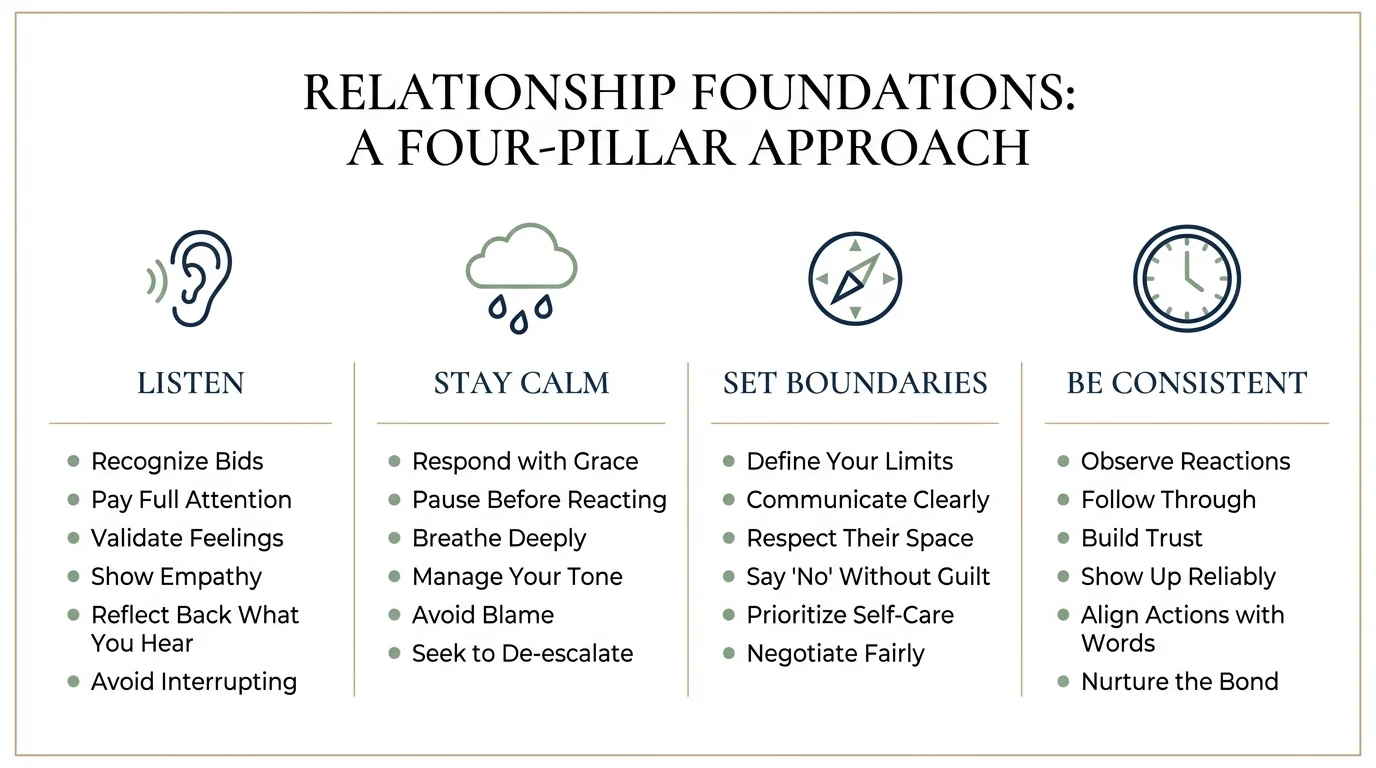
Navigating early relationship dynamics requires self-awareness and emotional regulation. Use this checklist to stay grounded when you recognize a subtle evaluation taking place:
- Pause before reacting: When faced with an unexpected stressor or boundary push, take a three-second breath before responding. This prevents defensive, knee-jerk reactions and gives you time to choose a thoughtful response.
- Look for the hidden bid: Pay attention to mundane comments. Treat your partner’s passing observations as invitations to connect, and actively turn toward them with eye contact and active listening.
- Maintain your separate life: Continue investing in your friendships, hobbies, and personal goals. Avoid merging your entire identity into the new relationship, which protects against codependency.
- Take ownership of your past: When discussing previous relationships, focus on what you learned and how you grew, rather than villainizing your ex-partners. This demonstrates emotional maturity and self-awareness.
- Embrace the word “no”: Accept boundary setting without taking it personally. Treat a “no” as valuable information about your partner’s needs, not as a rejection of your worth or desirability.
- Prioritize reliability over grand gestures: Focus on keeping your small promises every day. Ensure that your actions consistently match your words to build a deep, unshakeable foundation of trust.