
You are listening to your partner recount their weekend, and a familiar sense of unease creeps in—the timeline skips, the details blur, and your intuition tells you that something is missing. Noticing inconsistencies in someone’s story is often the first step toward uncovering a deeper truth about your relationship. While occasional forgetfulness is a normal part of human communication, chronic evasion or shifting facts usually signals a desire to hide reality. Navigating these moments requires emotional intelligence, a sharp eye for behavioral changes, and a commitment to protecting your own boundaries. By learning to identify the specific conversational tactics people use to obscure the truth, you can address suspicious behavior with confidence and clarity before it damages your trust.
The Psychology Behind Deception in Dating and Relationships
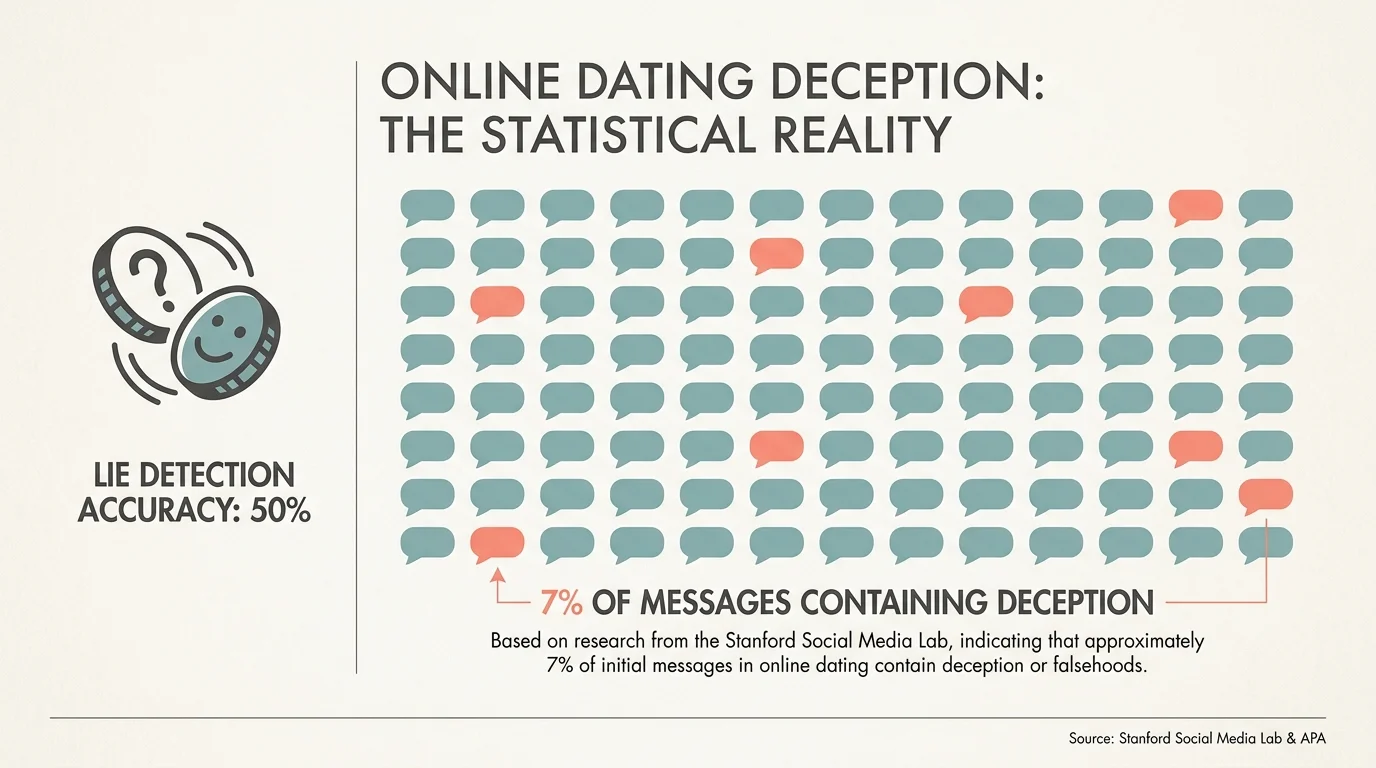
We prefer to believe that our romantic partners are always honest with us, but psychological data paints a more complicated picture. Research indicates that everyday deception is remarkably common in human interactions. In fact, a study published by the Stanford Social Media Lab found that around seven percent of messages sent by online daters during the discovery phase contained some form of deception. These lies were rarely about elaborate scams; instead, they were often polite fictions used to manage relationship availability or conceal unwanted interactions. While minor white lies to protect someone’s feelings are a standard part of social navigation, chronic deception corrodes the very foundation of intimacy.
The primary challenge for anyone trying to navigate romance is that humans are surprisingly poorly equipped to spot a liar. According to research from the American Psychological Association, people can detect lies with only about fifty percent accuracy—a rate equivalent to flipping a coin. Because we are naturally wired to trust the people we care about, we tend to overlook subtle deception clues. To spot the hidden truth signals, you must shift your focus. Instead of searching for the mythical “Pinocchio’s nose” or traditional signs of anxiety, observe the structural integrity of the story itself. Liars carry a massive cognitive load; maintaining a false reality requires immense mental effort. When that mental effort falters under the weight of maintaining a fiction, the cracks in their narrative become entirely visible to an observant partner.
Sign 1: The Core Details Change with Every Retelling
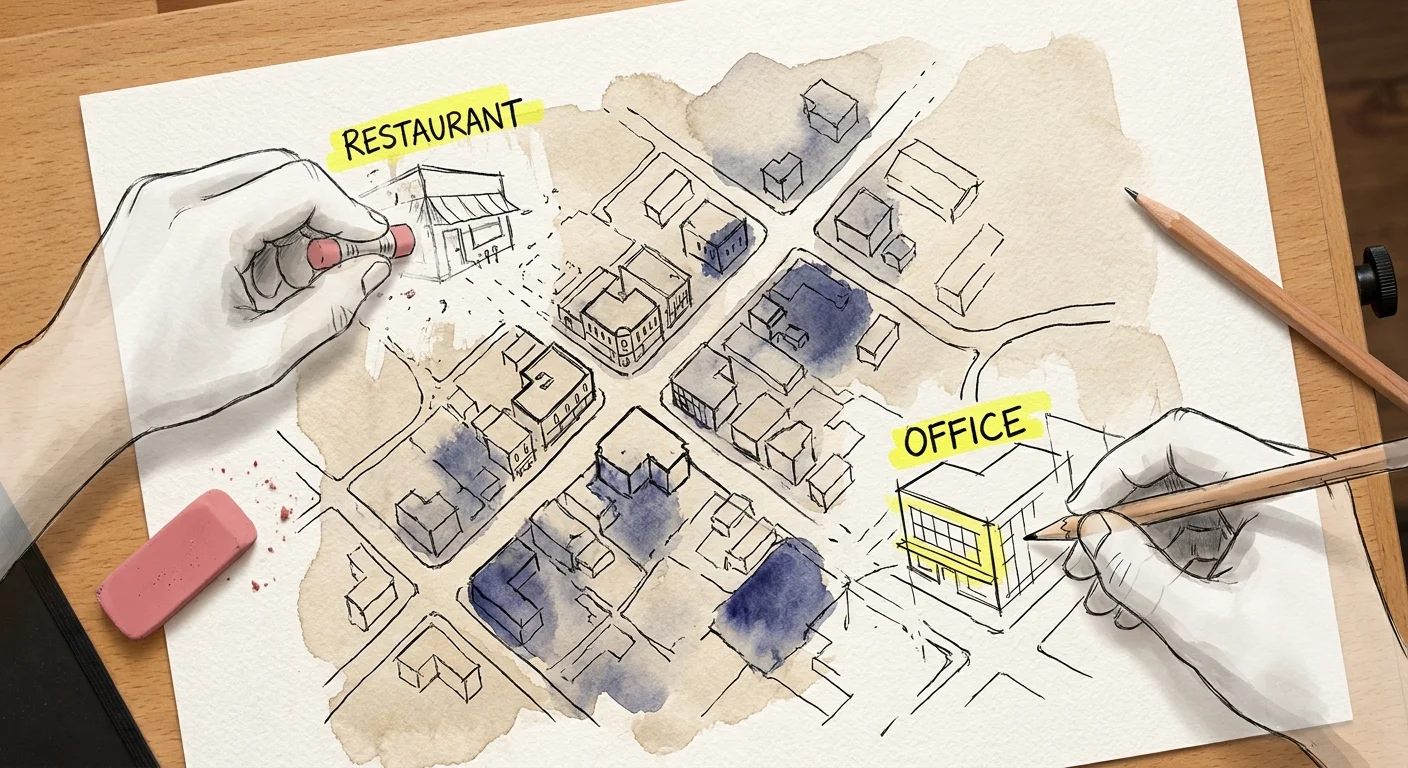
When a story is grounded in truth, the core facts remain stable while peripheral details might naturally fade over time. When someone fabricates a narrative, they often struggle to keep their own invented facts straight. You might notice that the friend they claimed to meet for dinner suddenly changes into a coworker, or the restaurant they visited mysteriously shifts to the opposite side of town. The human brain has to work incredibly hard to maintain a fictional timeline without the solid anchor of an actual memory.
If you suspect someone is lying, ask them to recount the event again a few days later under a different conversational context. A genuine memory will retain its structural integrity; a fabricated story will frequently sprout new, contradictory inconsistencies. They might completely forget which version of the lie they told you on Tuesday by the time Saturday arrives. When confronted with these changing details, one of the most revealing signs of dishonesty is an attempt to gaslight you by aggressively insisting that your memory is the problem.
Sign 2: Overloading the Narrative with Unnecessary Details
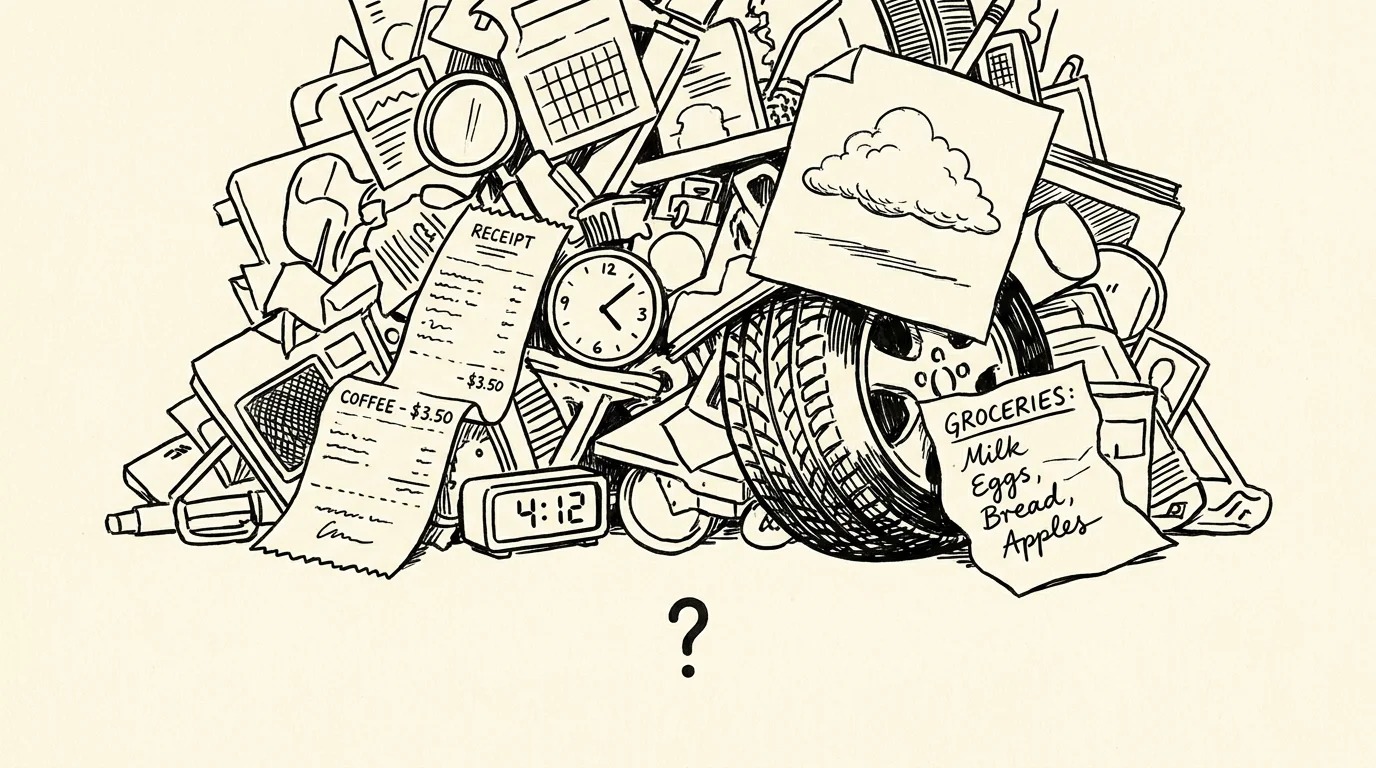
Truthful people usually answer simple questions with simple, direct answers. If you ask your partner why they were late coming home from work, a truthful response sounds like a straightforward fact about traffic or an unexpectedly late meeting. A deceptive person, however, often provides an overly elaborate, theatrical script. They might describe the exact make, model, and color of the car that caused the highway accident, recount the precise dialogue they had with a stranger at a coffee shop, and mention the specific song playing on the radio during the delay.
This phenomenon occurs because the dishonest person is desperately trying to build credibility by overwhelming you with data. They mistakenly believe that a highly detailed story sounds more authentic and leaves no room for questions. In reality, this lying behavior sign actually reveals their deep anxiety about being doubted. When a story feels suspiciously overproduced—sounding more like a rehearsed monologue than a casual recap—your radar should immediately go off.

Sign 3: Defensive Reactions to Simple Clarifying Questions
Notice exactly how the person responds when you ask a mild, clarifying question. If you say, “Wait, I thought you said you left the office at six?” a truthful person will usually pause, search their memory, and correct themselves without taking personal offense. A person hiding something will frequently interpret your basic curiosity as a hostile accusation.
They might snap back with dramatic outrage, asking why you are interrogating them or accusing you of having severe trust issues. Defensiveness serves as a highly effective conversational smoke screen. By acting deeply offended or suddenly angry, they hope to intimidate you into backing down. They want you to drop the subject to restore the peace in the household. This suspicious behavior is a classic deflection technique designed to punish you for noticing the glaring holes in their story.
Sign 4: The Timeline Constantly Shifts and Compresses
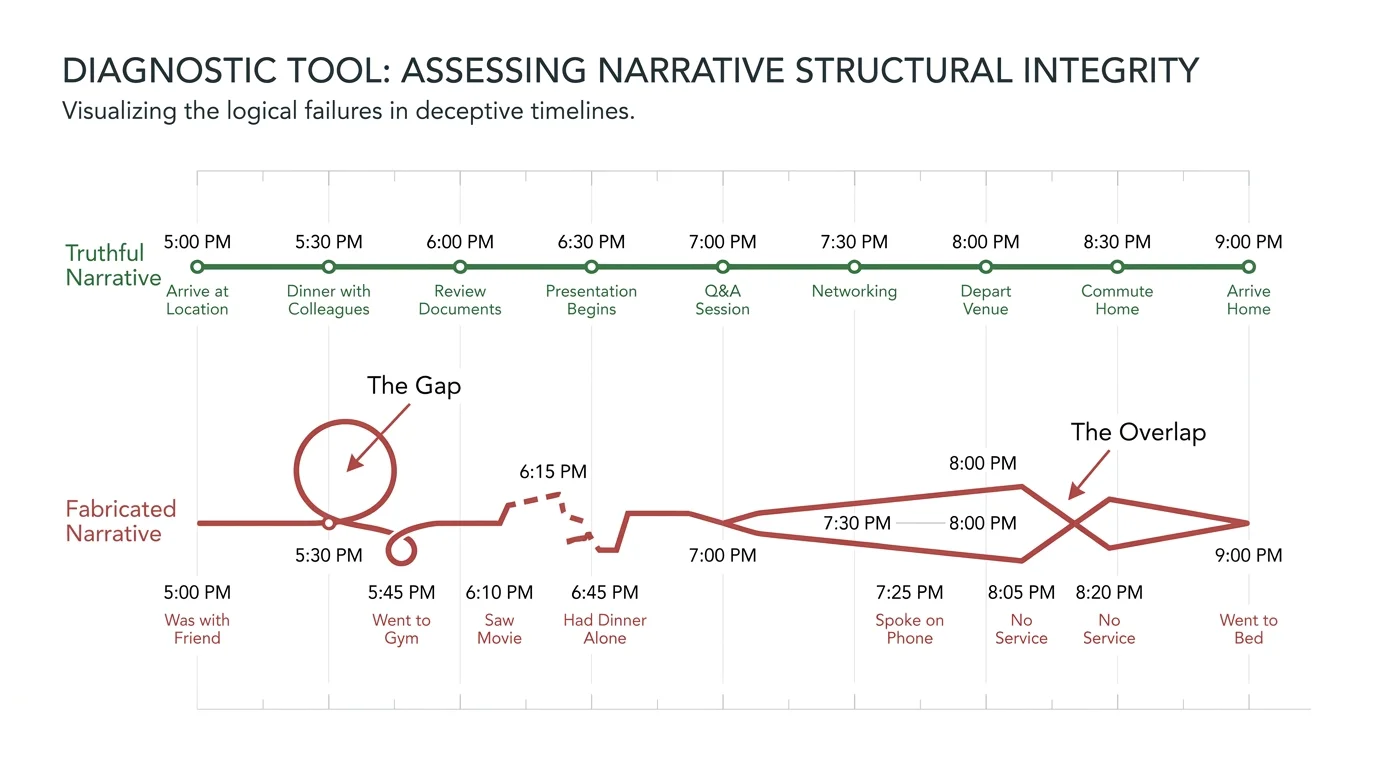
A major hallmark of a fabricated story is a warped sense of chronological time. When someone tells the truth, their sequence of events follows a logical, physical flow. When they are lying, large chunks of time often disappear entirely, or events are compressed in logistically impossible ways.
For example, a partner might claim to have driven across town in rush hour traffic, picked up a friend, eaten a three-course meal, and returned home—all within a forty-five-minute window. If you point out this logistical impossibility, they will likely stumble, backtrack, or invent a new, highly unlikely excuse to bridge the time gap. Pay close attention to the math of their story. If the hours and minutes simply do not add up to match the laws of physics, the narrative is fundamentally flawed.

Sign 5: Their Nonverbal Cues Contradict Their Words
Early lie-detection theories focused heavily on nervous fidgeting, sweating, or avoiding eye contact. However, modern psychology takes a more nuanced approach. In fact, pop culture often claims that liars cannot look you in the eye, but skilled manipulators will often make intense, unbroken eye contact to feign absolute sincerity. Instead of looking for universal signs of nervousness, look for a severe mismatch between their spoken words and their unconscious body language.
For instance, they might unconsciously nod their head “yes” while verbally denying an accusation, or they might display a fleeting expression of contempt or fear—known as a microexpression—that completely contradicts their calm, reassuring tone. Another major red flag is a sudden shift from a relaxed, fluid posture to a rigid, frozen stance when you ask a highly specific question. This freeze response is an ancient evolutionary reaction to feeling cornered by a predator, and it often surfaces when a liar realizes they are caught.
Sign 6: They Pivot the Focus Back to Your Flaws
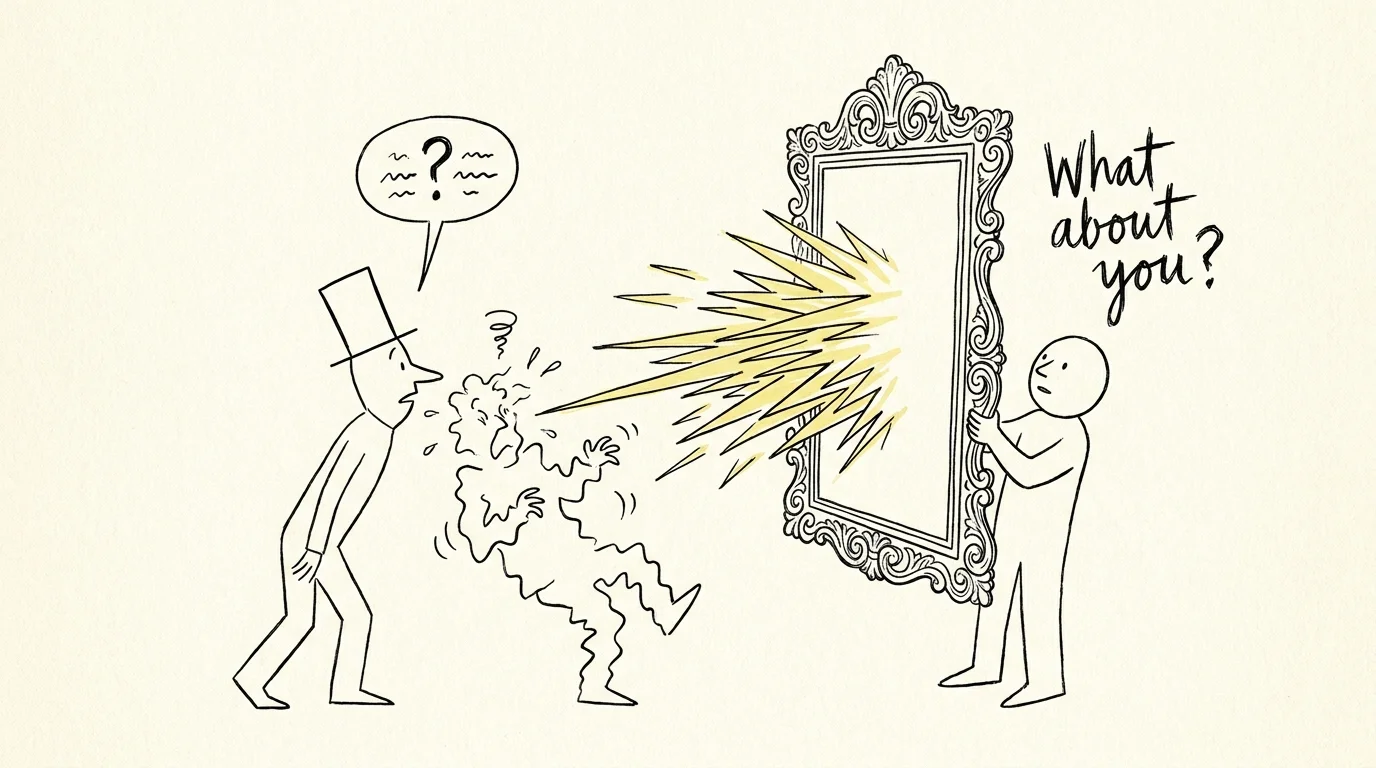
If a fabricated story begins to unravel, a dishonest person will rarely concede defeat or offer a genuine apology. Instead, they will deploy a manipulative psychological tactic known as DARVO—Deny, Attack, and Reverse Victim and Offender. Rather than addressing the glaring inconsistencies in their own narrative, they will aggressively pivot the conversation to focus on something you did wrong in the distant past.
They might say, “I wouldn’t have to keep things from you if you weren’t always so controlling,” or they might bring up a minor mistake you made three years ago to prove you are hypocritical. This strategy is designed to put you on the defensive. If you find yourself desperately apologizing or defending your own character during a conversation that was supposed to be about their suspicious story, you have successfully been distracted from the original issue.
Sign 7: Providing Vague Answers to Direct Questions
Sometimes, the most glaring sign of dishonesty is exactly what the person flatly refuses to say. When asked a direct question, a deceptive partner will intentionally offer evasive, noncommittal answers. Words like “maybe,” “around,” “stuff,” and “things” do heavy lifting in these guarded, frustrating conversations.
If you ask exactly who was at a weekend party, they might reply, “Just a bunch of people from work.” If you press for names, they remain intentionally vague, claiming they do not remember or arguing that you do not know the people anyway. This tactic is a calculated move to minimize their risk of being caught in a specific, provable lie. By providing as little concrete information as possible, they limit the exact evidence you can use to verify their story later on.
Sign 8: An Unusual Reliance on Third-Party Alibis
Truthful stories stand on their own merits and do not require a vocal cheering section. Fabricated stories, on the other hand, often come with built-in witnesses that the liar enthusiastically pushes you to verify. A person engaging in deception might say, “You can call Dave right now; he will tell you we were together the whole time.” They offer this boldly, fully aware that Dave has already been briefed to cover for them.
Alternatively, they might frequently invoke the names of people you cannot easily contact—like a mysterious new coworker, a vendor from out of state, or someone whose phone is conveniently broken—to lend credibility to an outlandish tale. If their story relies heavily on the testimony of a third party to sound believable, it is a strong indicator that the core narrative lacks its own solid foundation.
Sign 9: Your Intuition Sounds an Unignorable Alarm
Never discount the immense power of your own gut feeling. The human brain is a highly advanced pattern-recognition machine. Long before your conscious, logical mind can articulate exactly which details do not add up, your subconscious registers the subtle, jarring shifts in your partner’s vocal tone, pacing, and facial expressions.
If you feel a persistent, nagging sensation that you are being lied to, that feeling deserves your full, undivided attention. Trusting your intuition does not mean making reckless, baseless accusations, but it does mean giving yourself permission to investigate further and hold your boundaries. A healthy relationship should make you feel secure and grounded. If you constantly feel off-balance and intensely suspicious, your intuition is alerting you to a major disconnect between reality and the manufactured version of reality your partner is presenting.

How to Safely Confront Suspicious Behavior
Addressing a partner’s dishonesty requires a strategic and emotionally grounded approach. If you notice several signs of deception stacking up, avoid charging into the conversation in a state of unbridled rage. Instead, use these practical, actionable steps to navigate the confrontation and protect your peace of mind:
- Document the inconsistencies: Keep a private record of the shifting timelines and changing details. Having concrete examples written down prevents you from being gaslit into doubting your own memory when the conversation inevitably gets heated.
- Use open-ended questions: Instead of asking yes-or-no questions that allow them to give short, sharp denials, prompt them to expand on their story. Ask, “Can you walk me through exactly how that happened?” This forces them to construct more narrative, which often exposes further lies.
- Stay emotionally neutral: If you become angry, tearful, or hysterical, a deceptive partner will use your emotional state as an excuse to shut down the conversation entirely. Maintain a calm, steady tone to keep the focus squarely on their words rather than your emotional reaction.
- Notice the silence: After asking a pointed question, do not rush to fill the uncomfortable quiet space. Allow the silence to stretch. People who are lying often find silence incredibly stressful and will ramble to fill it, frequently revealing more than they originally intended.
- Establish clear boundaries: Decide in advance exactly what you will tolerate. If they refuse to provide clarity, continue to lie to your face, or respond with extreme hostility, be prepared to walk away from the conversation until they are ready to be fully transparent.
Protecting Your Emotional Health and Physical Safety
Navigating dishonesty in a dating scenario or a long-term marriage is emotionally exhausting. In some cases, lying is a symptom of poor communication skills, deep-seated insecurity, or severe conflict avoidance. However, chronic deception can also be a calculated tool for manipulation, coercion, and psychological control.
When someone consistently gaslights you, hides their whereabouts, or responds to your valid questions with aggressive intimidation, the relationship crosses the line from merely unhealthy to emotionally abusive. Your physical safety and emotional well-being must always be your absolute top priorities. You are not obligated to stay in a situation that requires you to play detective just to understand basic reality.
If confronting your partner’s inconsistencies makes you fear for your safety, or if you feel trapped in a dizzying cycle of coercion and abuse, it is crucial to seek outside professional help. You do not have to navigate this dangerous terrain alone. Reach out to trusted friends, family members, or licensed counselors who can offer objective guidance and a safe haven. If you suspect you are experiencing intimate partner violence or dating abuse, contact the National Domestic Violence Hotline at 1-800-799-SAFE or visit RAINN for confidential support and emergency resources. Trust your instincts, honor your personal boundaries, and remember that you always deserve a relationship built on genuine honesty, safety, and mutual respect.