
Throw out the outdated rulebook dictating that romance belongs only to the young; modern singles over fifty are rewriting the script to build profound connections on their own terms. You no longer have to settle for lukewarm companionship or follow rigid timelines that pressure you into hasty commitments. Today’s dating landscape empowers you to prioritize your peace, protect your independence, and demand genuine emotional intelligence. Whether you are reentering the dating pool after a decades-long marriage, navigating dating apps for the very first time, or simply refusing to compromise your hard-earned lifestyle, you hold the pen. Breaking these eight traditional dating rules allows you to embrace romance with renewed confidence and thrilling authenticity.
Refusing the Traditional Relationship Escalator
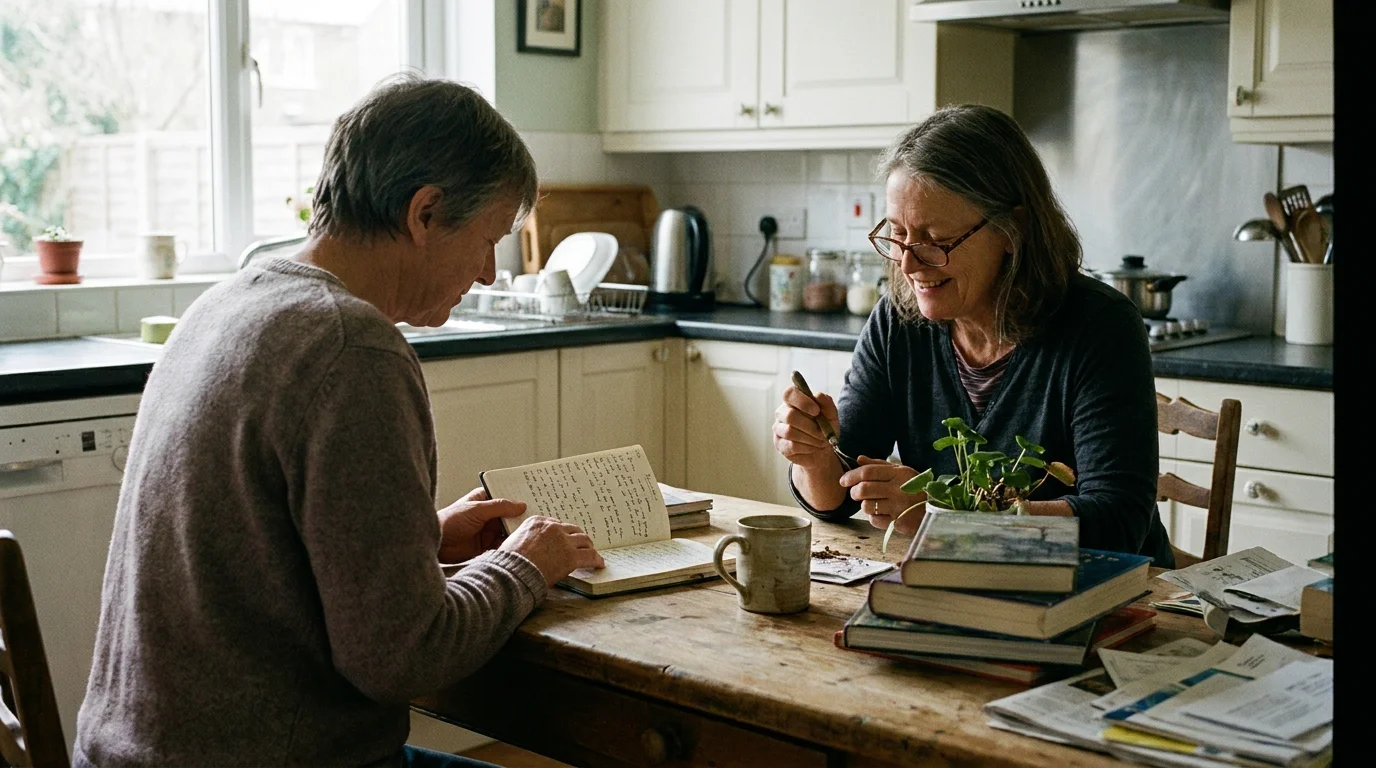
For decades, society pushed a rigid relationship escalator. You met someone, dated exclusively, moved in together, and eventually married. If you failed to hit those milestones in that exact order, the relationship was deemed stagnant or unsuccessful. Today, mature singles are completely dismantling this expectation. You have spent years building a life, decorating a home to your exact tastes, and establishing daily routines that bring you comfort. You do not have to surrender your sanctuary just to prove your commitment to a partner.
A growing trend among people over fifty is “Living Apart Together” (LAT). This dynamic allows you to maintain a deeply committed, monogamous, and emotionally intimate relationship while keeping separate residences. Choosing an LAT arrangement protects your financial independence and eliminates the mundane friction of blending households. You never have to argue over closet space, conflicting sleep schedules, or whose turn it is to empty the dishwasher. Every time you see your partner, it is an intentional choice rather than a default convenience.
To successfully navigate this, you must communicate your long-term living preferences early on. Try stating your intentions directly by saying, “I am looking for a profound, lasting partnership, but I truly value my independent living space.” Framing your boundaries positively filters out individuals who demand traditional cohabitation while attracting those who respect your autonomy and share your vision for a balanced, modern romance.
Leaving the Digital World to the Younger Generations
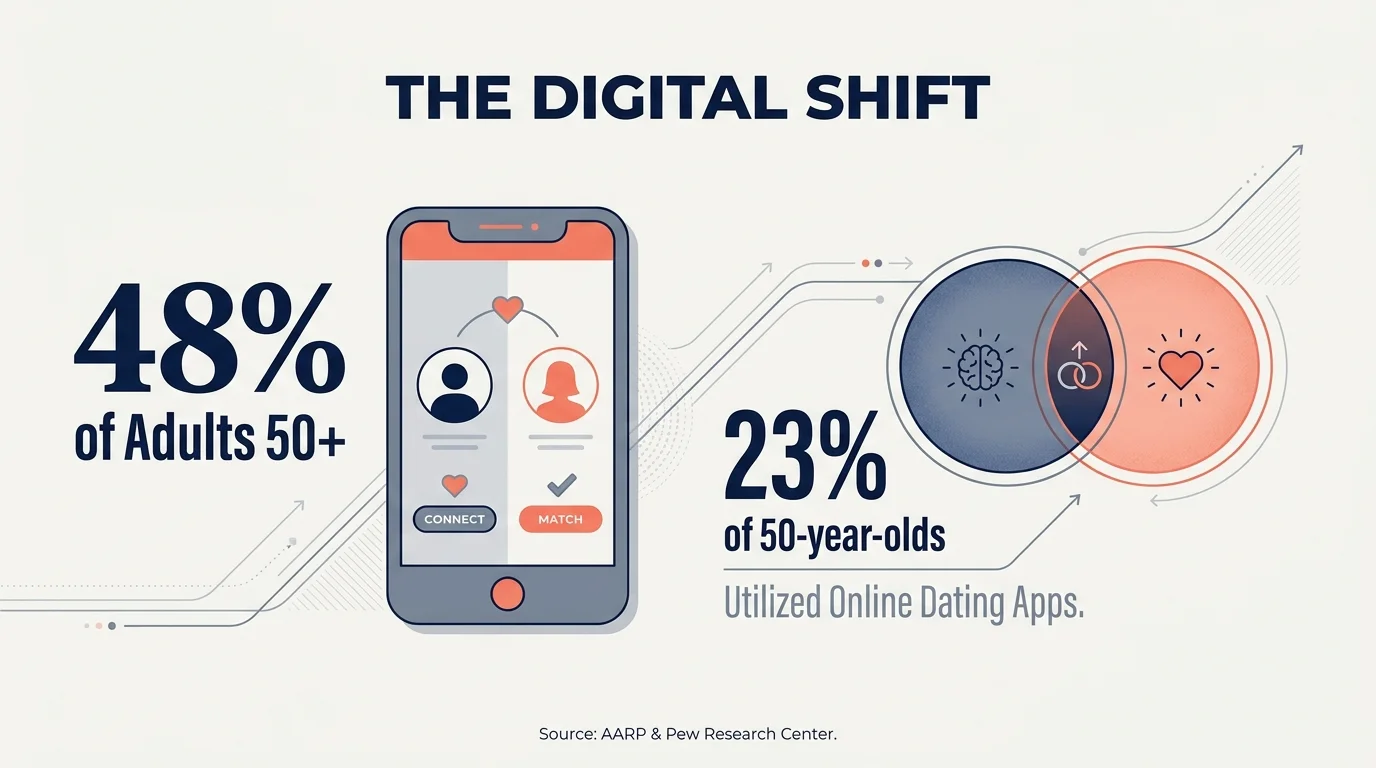
There is a lingering myth that online dating is a chaotic space exclusively reserved for millennials and Gen Z. By adhering to this outdated belief, you artificially shrink your dating pool to only the people you might happen to bump into at the grocery store or a local community event. Older adults are breaking this rule in massive numbers, reclaiming the digital landscape as a highly effective tool for finding compatible partners. A 2025 AARP survey found that nearly half of adults ages 50 and older had used a dating site within the past three years. Furthermore, data from the Pew Research Center highlights that approximately 23 percent of 50-year-olds have utilized online dating apps.
The stigma surrounding dating apps has entirely vanished. Platforms offer curated environments where you can filter matches based on precise lifestyle choices, values, and relationship goals. You can easily bypass individuals who do not align with your vision for the future before ever investing time in a face-to-face meeting. AARP’s dating resources frequently highlight that older singles find profound success by approaching these tools with intention rather than frustration.
When building your profile, showcase your authentic, vibrant life. Avoid relying on ten-year-old photographs that no longer represent who you are today; confidence in your current appearance is incredibly attractive. Use your written bio to highlight your passions, whether that involves weekend hiking, attending theater productions, or simply enjoying quiet Sunday mornings with a good book. By presenting an honest reflection of your lifestyle, you attract individuals who are genuinely excited to share those specific experiences with you.
Avoiding Talk About Money and Health on Early Dates
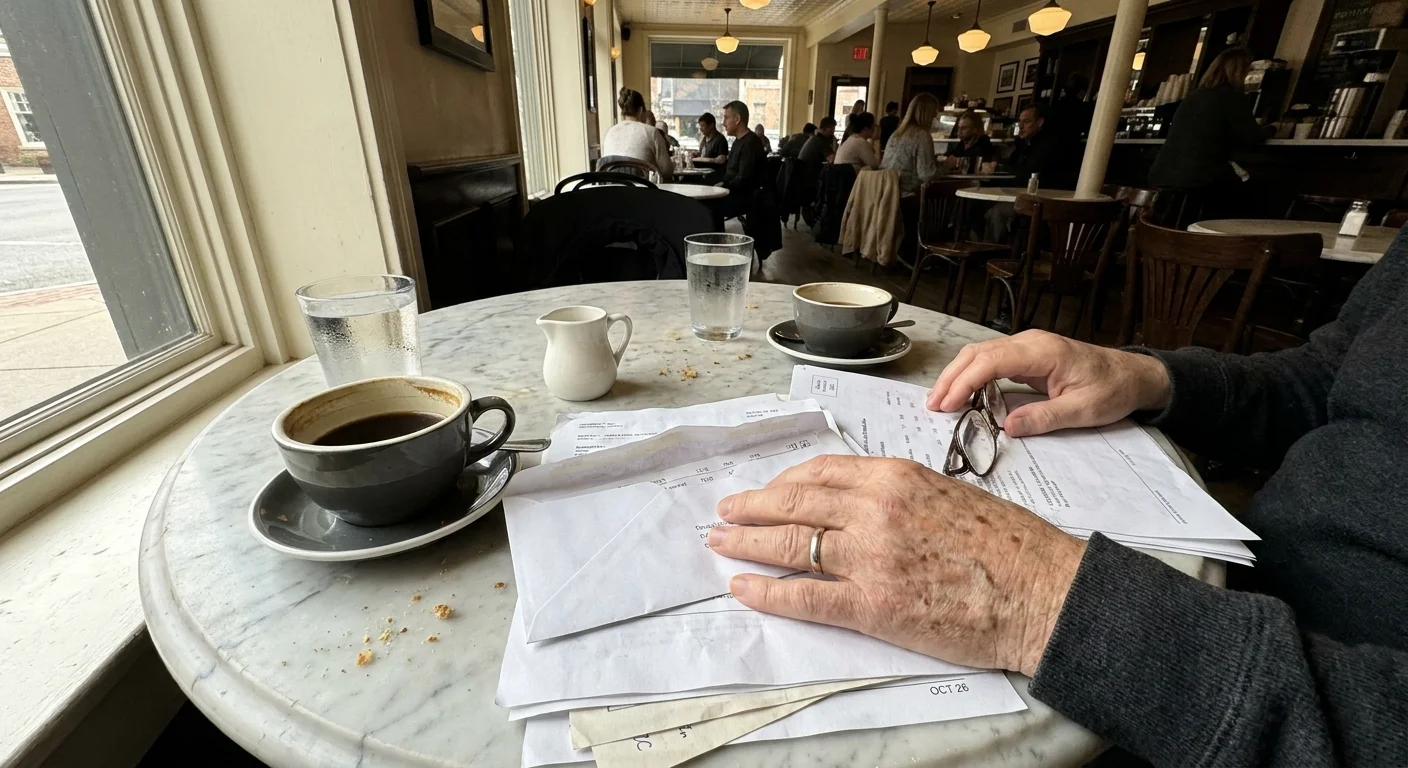
Old-school etiquette dictates that polite conversation should never touch upon money, health, politics, or religion during the early stages of a romance. While discussing your retirement portfolio over appetizers on a first date might feel aggressive, waiting six months to uncover major lifestyle incompatibilities is a massive waste of your precious time. Singles over fifty are breaking the silence and choosing radical transparency over artificial politeness.
At this stage in your life, you are likely operating with a fixed retirement plan or specific financial goals. If you dream of selling your home to travel the world, but your new partner is deeply in debt and prefers a frugal, stationary lifestyle, love alone will not bridge that gap. Health is equally critical. You need to understand if a potential partner has mobility issues that affect their ability to participate in your favorite activities, or if they require a level of caregiving that you are unprepared to provide.
You can gather this vital information without treating your date like a deposition. Weave lifestyle questions naturally into your conversations. Ask them what an ideal week in retirement looks like for them. Inquire about their favorite ways to stay active or how they approach financial planning for the future. Listening closely to their answers gives you a clear picture of their reality, allowing you to make informed decisions about whether your paths truly align.
Ignoring Red Flags Just to Be Polite
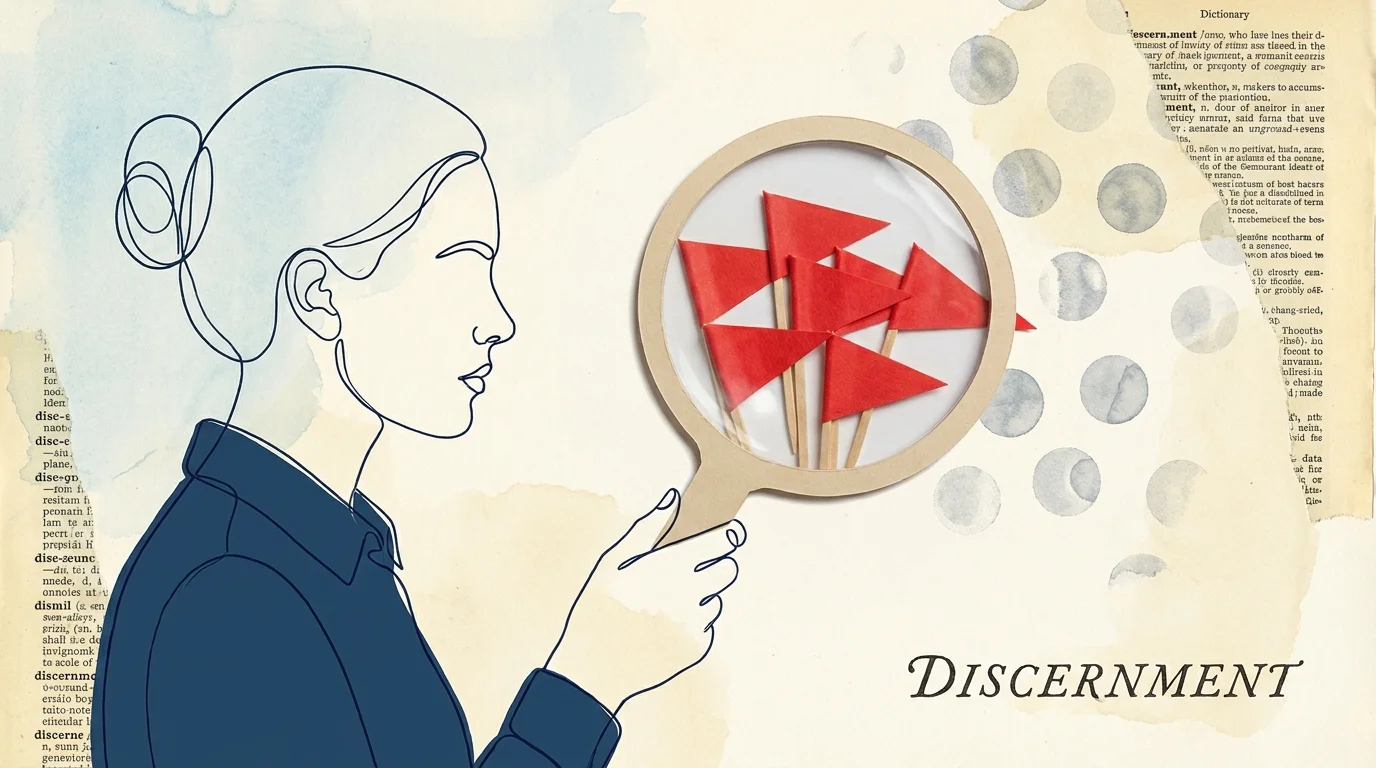
Countless generations were conditioned to prioritize politeness over personal safety and comfort. You might have been taught to sit through an agonizingly uncomfortable dinner date or continue responding to a persistent suitor just to spare their feelings. Modern daters over fifty are fiercely breaking this rule. Trusting your intuition and enforcing your boundaries is non-negotiable, especially considering the sophisticated threats present in the modern dating landscape.
Romance scams deliberately target older adults by building false emotional intimacy before manufacturing a fake financial emergency. According to the FBI, people over the age of sixty lost a staggering $367 million to sweetheart scams in 2023. Predators prey on empathy, politeness, and the very human desire for connection. Breaking the politeness rule is a necessary survival skill. You owe no one your time, your personal information, or your money.
Essential Dating Safety Checklist:
- Never send cash, gift cards, cryptocurrency, or wire transfers to someone you have not met in person.
- Insist on a quick phone or video call before agreeing to a first date. If they consistently offer outlandish excuses for why their camera is broken, end the communication immediately.
- Keep all messages on the official dating platform until you feel completely secure; scammers often push to move to unmonitored texting apps.
- Always arrange to meet in well-lit, public spaces, and ensure you have your own transportation to and from the venue.
- Utilize reverse image search tools to verify that their profile photos are genuine and not stolen from someone else online.
If you ever experience abuse, coercion, severe emotional distress, or have any concerns about your physical and financial safety, please seek professional help immediately. Reach out to local law enforcement, a licensed mental health professional, or a dedicated support organization to protect yourself and process the experience safely.

Believing Opposites Attract for Long-Term Success
The cultural trope of the “odd couple” makes for highly entertaining television, but relying on extreme friction to fuel a real-life romance often leads to exhausting, unsustainable relationships. In your twenties, dating a brooding artist or a reckless adventurer who operated as your polar opposite might have felt thrilling. In your fifties and beyond, shared values, mutual respect, and lifestyle compatibility become the true bedrock of lasting passion.
Relationship experts and psychological researchers frequently highlight that enduring love relies heavily on deep friendship and shared meaning. The Gottman Institute emphasizes that building a strong emotional bond and fostering open, non-defensive communication are crucial for maintaining intimacy. If your core values clash—such as one partner craving peaceful, quiet weekends while the other demands constant socializing and loud dinner parties—the daily friction will quickly erode any initial spark.
Seek out a companion who matches your pacing, your energy, and your conflict resolution style. Notice how they handle minor inconveniences, like a delayed flight or a botched dinner reservation. A partner who shares your fundamental worldview and laughs at the same absurdities will sustain you through life’s inevitable challenges far better than fleeting, chaotic passion ever could. Breaking the “opposites attract” rule allows you to cultivate a relationship that feels like a safe harbor rather than a battlefield.

Sweeping Your Emotional Baggage Under the Rug
Society often implies that entering the dating pool requires you to present a flawless, entirely uncomplicated version of yourself. You are subtly pressured to hide the deep scars of a gray divorce, the profound, lingering grief of widowhood, or the complex dynamics you might share with your adult children. Successfully dating over fifty means recognizing that your history is a profound asset, not a liability to be hidden away in the dark.
Emotional maturity involves owning your narrative with grace. Integrating your past experiences allows for a much deeper, more empathetic connection with a new partner. Guidelines for psychological practice from the American Psychological Association recognize the unique mental health needs of older adults and the importance of adapting positively to life’s major transitions. The challenges you have survived have built resilience, empathy, and a clearer understanding of what you truly need from a partner.
Share your story in deliberate, thoughtful layers. You certainly do not need to unpack decades of marital trauma over your first cup of coffee, but you should not shy away from discussing the major life events that shaped your character. When you speak honestly about your journey, you invite your partner to do the same. A worthy, emotionally intelligent match will honor your past, hold space for your healing, and appreciate the complex, multifaceted person you have become.
Sticking Strictly to Your Own Age Bracket
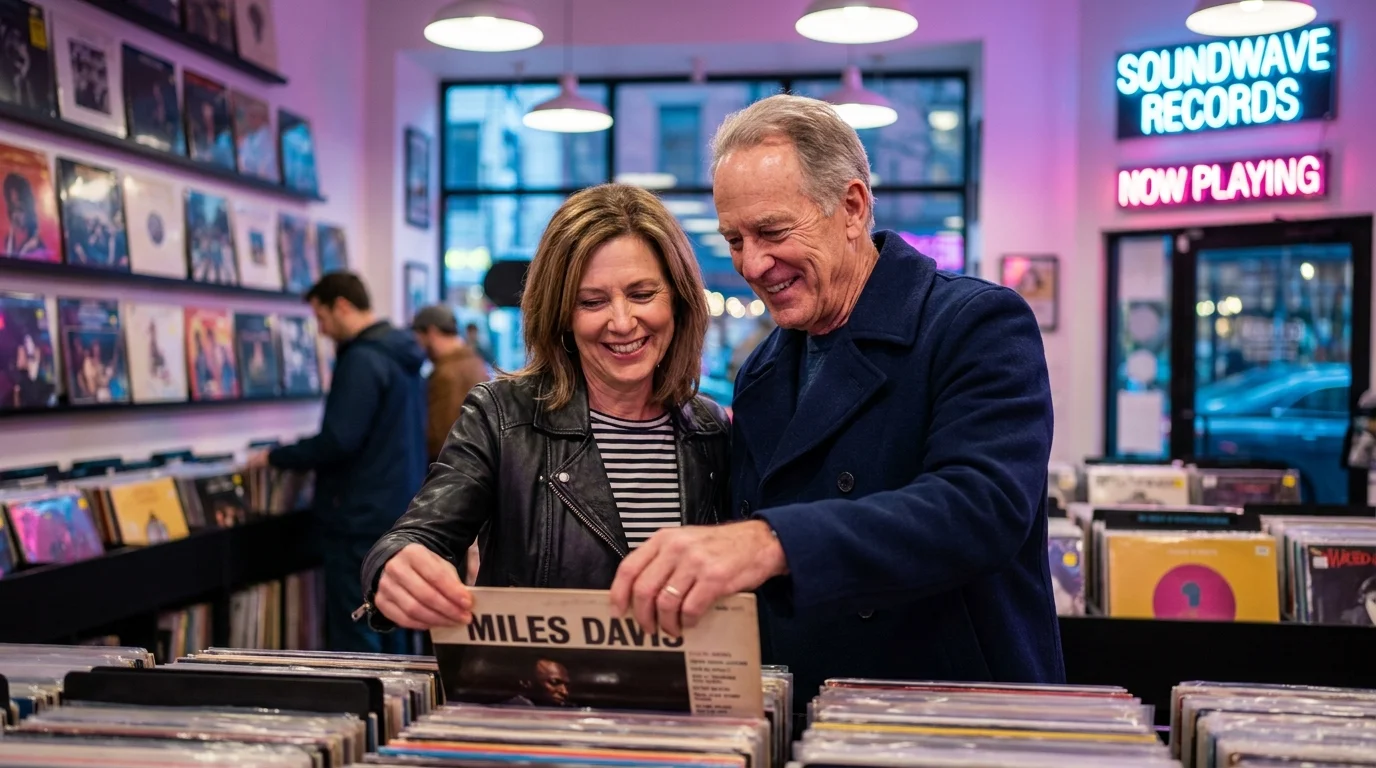
The unwritten societal rule dictating that you must date someone strictly within a three- to five-year radius of your own birth year is entirely obsolete. Chronological age tells you surprisingly little about a person’s vitality, curiosity, and readiness for a committed relationship. A fifteen-year age gap operates very differently when you are sixty than it does when you are twenty-five.
What truly dictates relationship success at this stage is alignment in your current life chapters. You might find a younger partner who shares your desire for a quiet, settled life filled with gardening and reading. Conversely, you might connect with an older partner who possesses boundless energy for international travel and new adventures. Biological energy, physical health, and mutual goals matter infinitely more than the year printed on a driver’s license.
Evaluate your matches based on their lifestyle goals and their capacity for emotional connection. Discuss your visions for the next five to ten years early in the dating process. If your daily habits and long-term dreams run parallel, the chronological age difference quickly fades into a minor logistical detail. Give yourself permission to explore connections with individuals who share your spirit, regardless of which generation they belong to.
Putting Romance Last Behind Family Obligations
Many older adults struggle with a profound sense of guilt when they decide to reenter the dating scene. You might worry about how your adult children will judge your new relationship, or you might feel obligated to dedicate every ounce of your free time to grandparenting duties. The traditional expectation insists that once you reach a certain age, your primary identity must be entirely rooted in your role as the family matriarch or patriarch, leaving your romantic life to languish in the background.
Breaking this rule is an act of necessary, healthy self-preservation. You are entirely entitled to a rich, fulfilling personal life that operates independently of your children and grandchildren. Your family loves you, but they are busy building their own lives; you deserve the exact same privilege. Embracing romance does not diminish your love for your family; it simply expands your capacity for joy.
Set clear, loving boundaries with your adult children. Inform them of your dating life as a confident statement of fact, rather than a timid request for their permission. Protect your scheduled dates just as fiercely as you would protect a medical appointment or a family holiday. When you prioritize your own happiness and refuse to put your romantic life on hold, you model healthy boundaries and self-worth for your entire family. Your pursuit of love is valid, deeply necessary, and beautifully yours to define.