
You once met romantic partners through mutual friends, a shared class, or a chance encounter at a local coffee shop. Today, your dating pool exists inside a glowing rectangle in your pocket. The rise of dating apps fundamentally rewired how we connect, flirt, and commit. While algorithms offer unprecedented access to potential matches outside your immediate social circle, they also introduce exhausting new norms—from endless swiping and ghosting to prolonged ambiguous talking phases. Adapting to this landscape requires abandoning outdated courtship rules and embracing a modern toolkit. Understanding these eight major shifts will help you reclaim your time, protect your emotional energy, and date with clear intentionality.
1. From “Meeting Cute” to Curated Portfolios
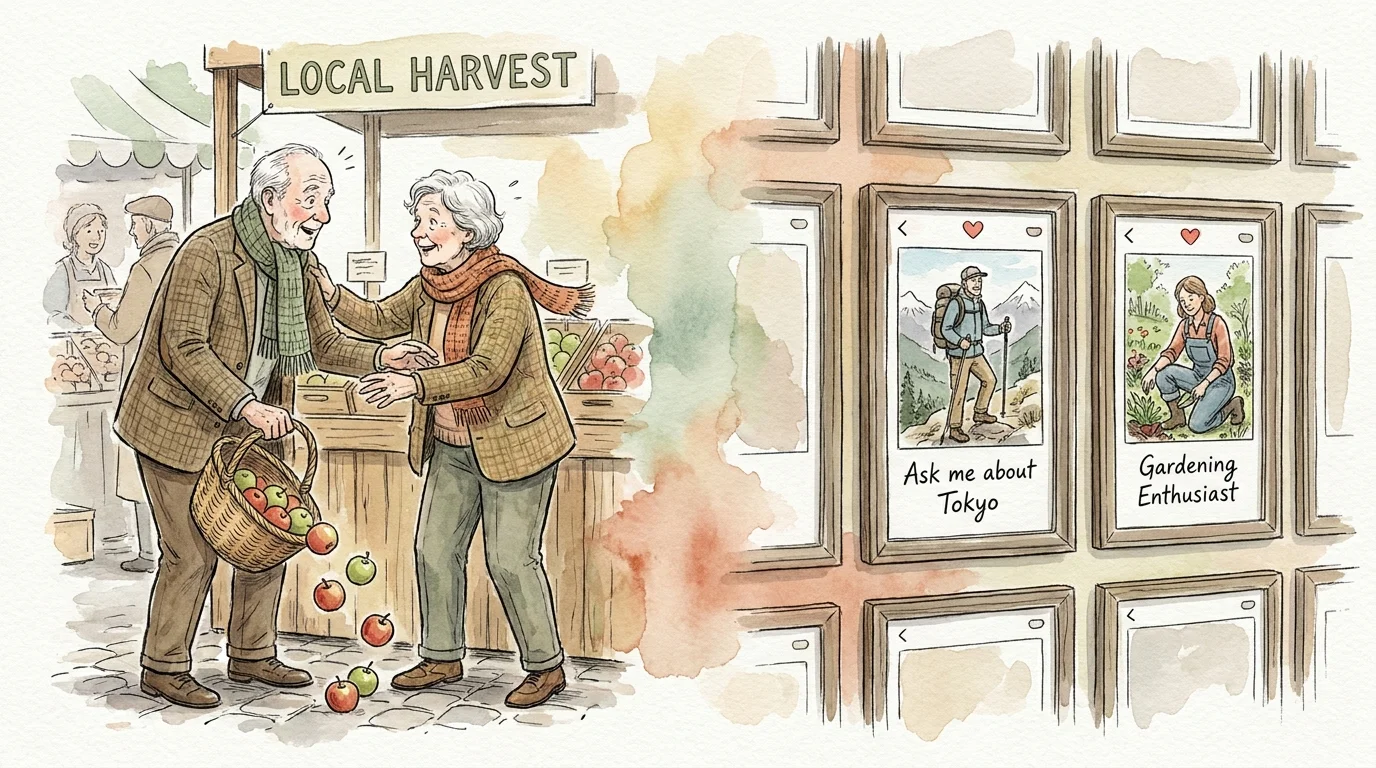
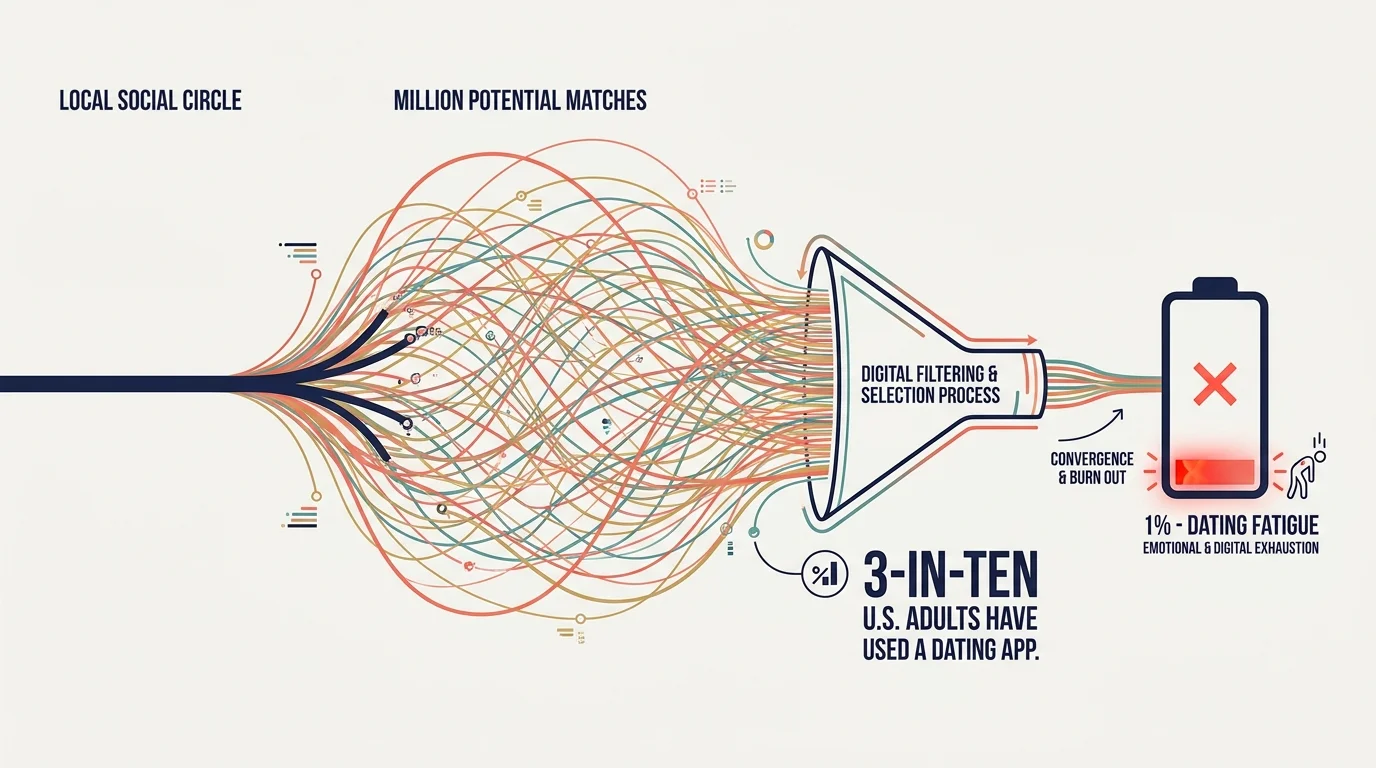
Before smartphones, chemistry sparked through body language, shared laughter, and spontaneous conversation. You determined your attraction to someone in real time. Today, the initial spark relies almost entirely on how well someone curates their two-dimensional digital portfolio. About three-in-ten U.S. adults have used a dating app or site, turning courtship into a process of evaluating personal marketing campaigns .
This shift forces you to make snap judgments based on a handful of carefully selected photos and clever prompts. Consequently, we expect people to be witty, photogenic, and completely self-aware before we even say hello. This expectation creates immense pressure to build a flawless profile, often leading to disappointment when the real-life person fails to match their highly polished digital avatar.
Actionable Insight: Build a profile that reflects your reality, not an idealized version of your life. Instead of relying on heavy filters or group photos that hide your face, use clear, recent images. Swap out generic phrases like “I love to travel” for specific conversation starters, such as, “Ask me about the time I got lost on a train in Tokyo.” When reviewing others, give grace to slightly awkward profiles; a terrible texter might just be an incredible, charismatic person in real life.
2. Ghosting Is the New Normal (But It Still Hurts)
In traditional dating circles, ignoring someone after a few dates carried social consequences. You ran the risk of bumping into them at the grocery store or facing the wrath of the mutual friend who set you up. The anonymity of app-based dating removed that social accountability, allowing ghosting to become a mainstream exit strategy. According to recent survey data, over 75% of users report having ghosted someone or having been ghosted themselves .
People ghost because it offers an easy escape from the discomfort of a confrontation. Rather than delivering a polite rejection, they simply unmatch, block, or stop responding. While intellectually we know this behavior reflects their poor communication skills rather than our own shortcomings, the sting of sudden silence still triggers feelings of rejection and inadequacy.
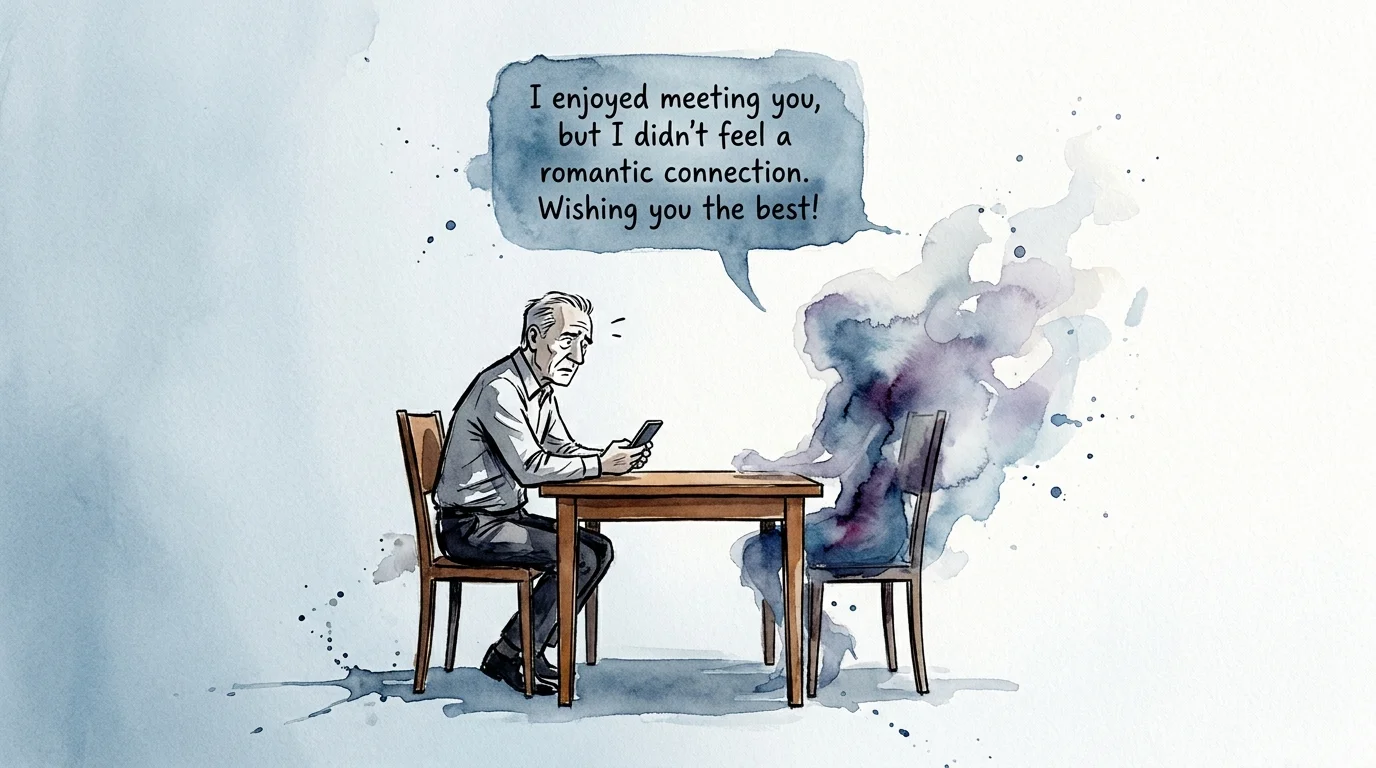
Actionable Insight: Normalize sending clear, respectful rejection texts. A simple message—”I enjoyed meeting you, but I didn’t feel a romantic connection. Wishing you the best!”—closes the loop and prevents lingering anxiety. When someone ghosts you, reframe the narrative. Treat their silence as the loudest, clearest answer you could receive. You want a partner capable of navigating difficult conversations; a ghoster instantly disqualifies themselves from that role.
3. The Paradox of Choice Fuels Searing Dating Fatigue
Historically, your dating options were limited by geography and your social calendar. Now, you hold millions of potential matches in the palm of your hand. This illusion of infinite choice sounds like a distinct advantage, but it actively sabotages relationship satisfaction. The constant availability of “someone better” makes it incredibly difficult to commit to the person sitting right in front of you.
This endless treadmill of swiping, matching, and messaging inevitably leads to burnout. A recent Forbes Health survey revealed that an overwhelming 78% of dating app users report feeling emotionally, mentally, or physically exhausted by the platforms . You open the app out of sheer habit, swipe mindlessly, and dread the repetitive “How is your weekend going?” conversations.
Actionable Insight: Treat dating apps like a tool, not a lifestyle. Set a hard boundary of 15 minutes of swiping per day. Once the timer goes off, close the app and engage with the real world. If you feel the symptoms of burnout—cynicism, irritability, or treating matches like chores—pause your profile for two weeks to reset your emotional baseline.
4. Physical Safety Demands Intensive Pre-Screening
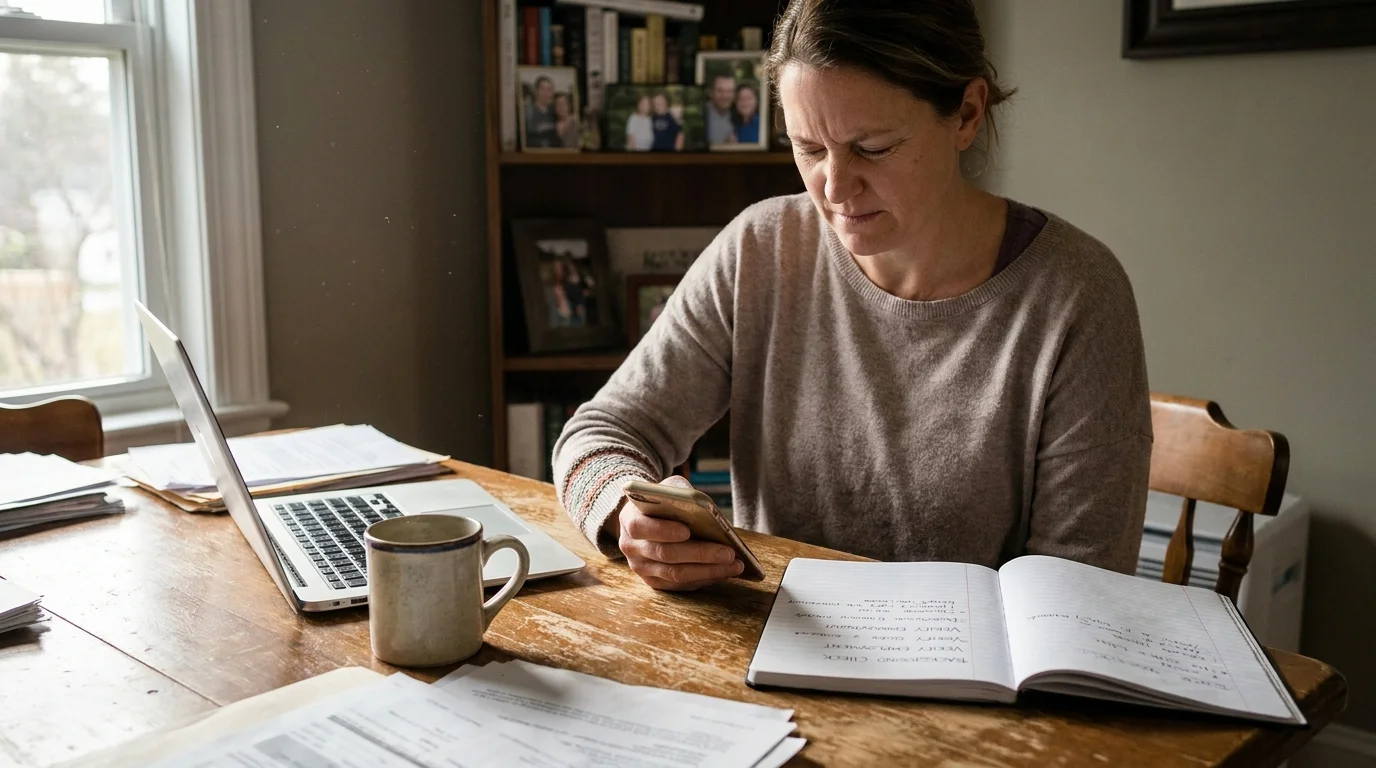
When you dated within your social sphere, a layer of inherent trust existed. You knew their last name, their friends, and their general reputation. App dating requires you to meet complete strangers, shifting the entire burden of background checking and personal safety onto your shoulders. The Rape, Abuse & Incest National Network (RAINN) emphasizes that while you are never at fault for another person’s predatory behavior, proactive safety planning is a modern dating necessity .
Note: If you ever experience coercion, stalking, abuse, or violence while dating, seek professional help immediately. You can reach out to the National Domestic Violence Hotline or RAINN’s National Sexual Assault Hotline for free, confidential support.
Your Modern Dating Safety Checklist:
- Conduct a brief video chat: Schedule a 10-minute FaceTime or in-app video call before agreeing to meet. This verifies they look like their photos and helps you gauge their conversational vibe .
- Withhold highly sensitive data: Keep your home address, workplace, and financial details private until you have built genuine, verifiable trust .
- Control your transportation: Always drive yourself, walk, or take a rideshare to the date. Never let a stranger pick you up from your home on a first meeting .
- Meet in well-lit, public spaces: Choose a busy coffee shop, a populated restaurant, or a public museum. Avoid secluded parks or private residences .
- Share your itinerary: Text a trusted friend a screenshot of your match’s profile, the name of the venue, and your expected timeline. Consider temporarily sharing your GPS location with them .
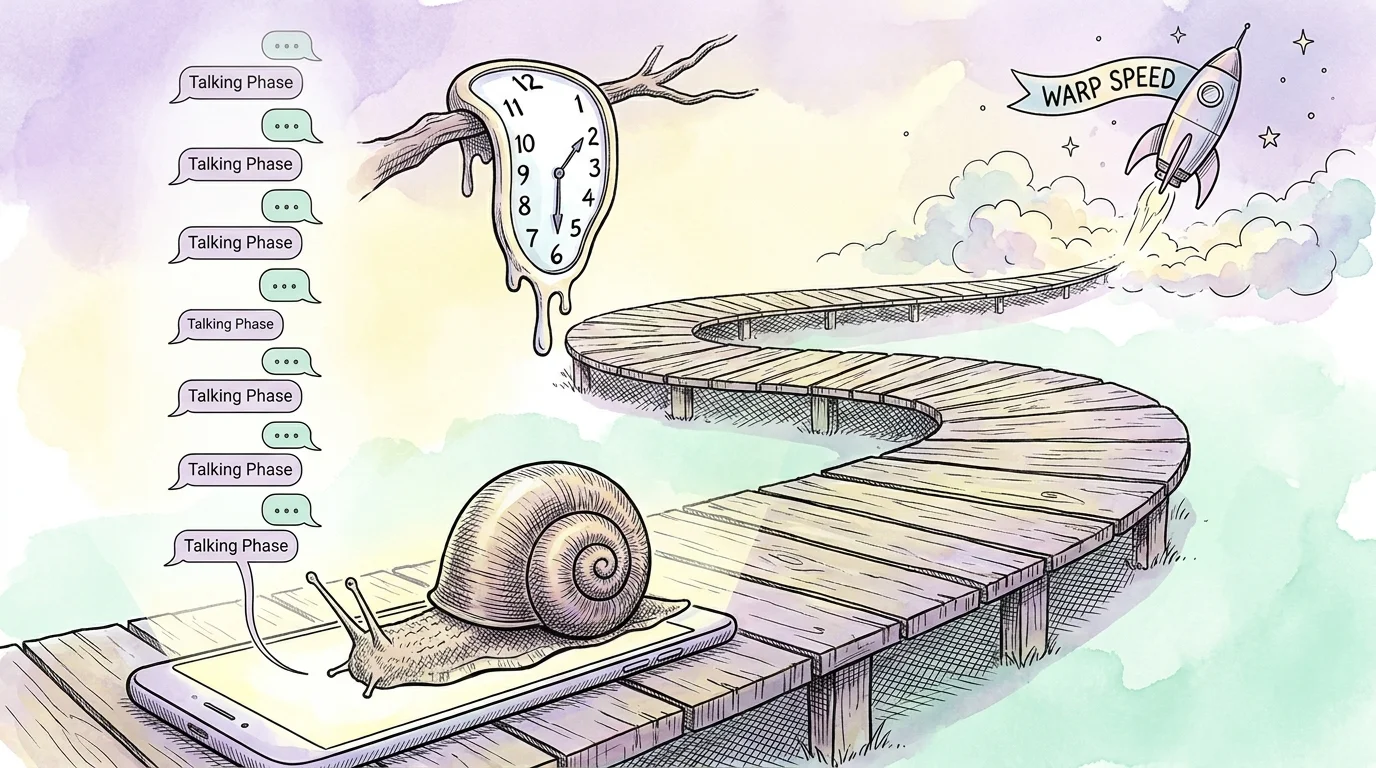
5. Timelines Moved at Warp Speed (and Also a Snail’s Pace)
Dating timelines used to follow a predictable rhythm: meet, exchange numbers, call to set up a date, and go out a few days later. Apps completely fractured this pacing. On one hand, physical intimacy can happen incredibly fast; features explicitly designed for casual encounters facilitate same-night meetups. On the other hand, the path to an actual face-to-face date can drag on for weeks.
This prolonged digital communication breeds the dreaded “pen pal” dynamic. You exchange hundreds of messages, share deep emotional vulnerabilities, and build up a massive fantasy of who this person is. When you finally meet in reality, the lack of physical chemistry crashes into the emotional intimacy you built online, creating profound disappointment.
Actionable Insight: Implement the 72-hour rule. If you have been steadily chatting with a match for three days, transition the connection to the real world. Say something direct like, “I’ve really enjoyed chatting, but I prefer getting to know people in person. Would you be open to grabbing coffee this Thursday?” If they deflect or make excuses, unmatch and invest your energy elsewhere.
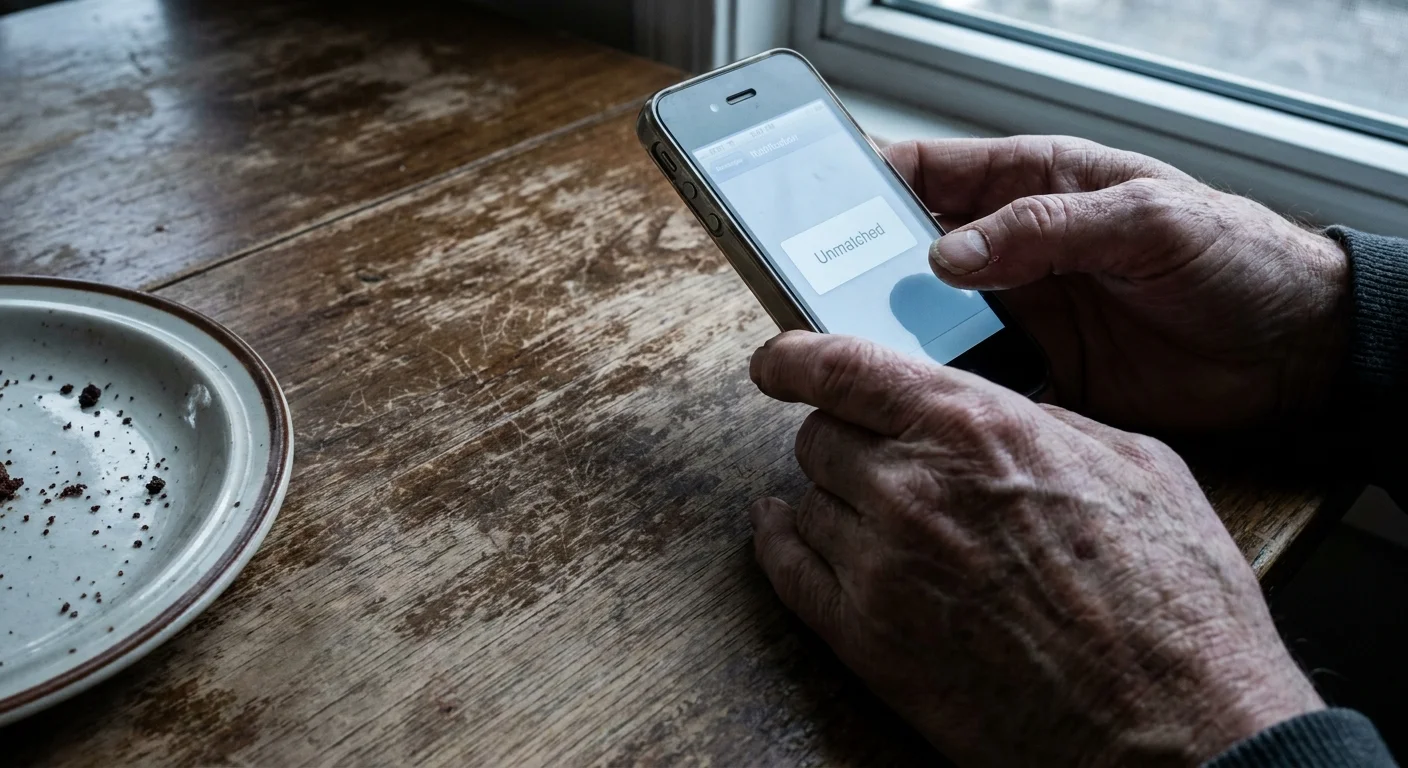
6. Rejection is Instant, Constant, and Anonymous
Getting rejected in the pre-app era usually required walking across a bar, introducing yourself, and facing a verbal decline. Because it took courage, you faced rejection sparingly. Dating apps democratized rejection, turning it into a high-frequency, daily occurrence. You swipe right on dozens of people who never match with you. You send a thoughtful opening line and receive radio silence.
This constant stream of micro-rejections subtly chips away at your self-esteem if you view it through a traditional lens. The expectation that every swipe should yield a connection sets you up for misery. In truth, app algorithms, inactive profiles, and notification fatigue dictate match rates far more than your actual desirability.
Actionable Insight: Detach your self-worth from your match queue. Understand that an unmatched swipe is not a rejection of your humanity; it is simply a missed connection in a sea of data. Keep your focus on the quality of your interactions rather than the sheer volume of your matches.
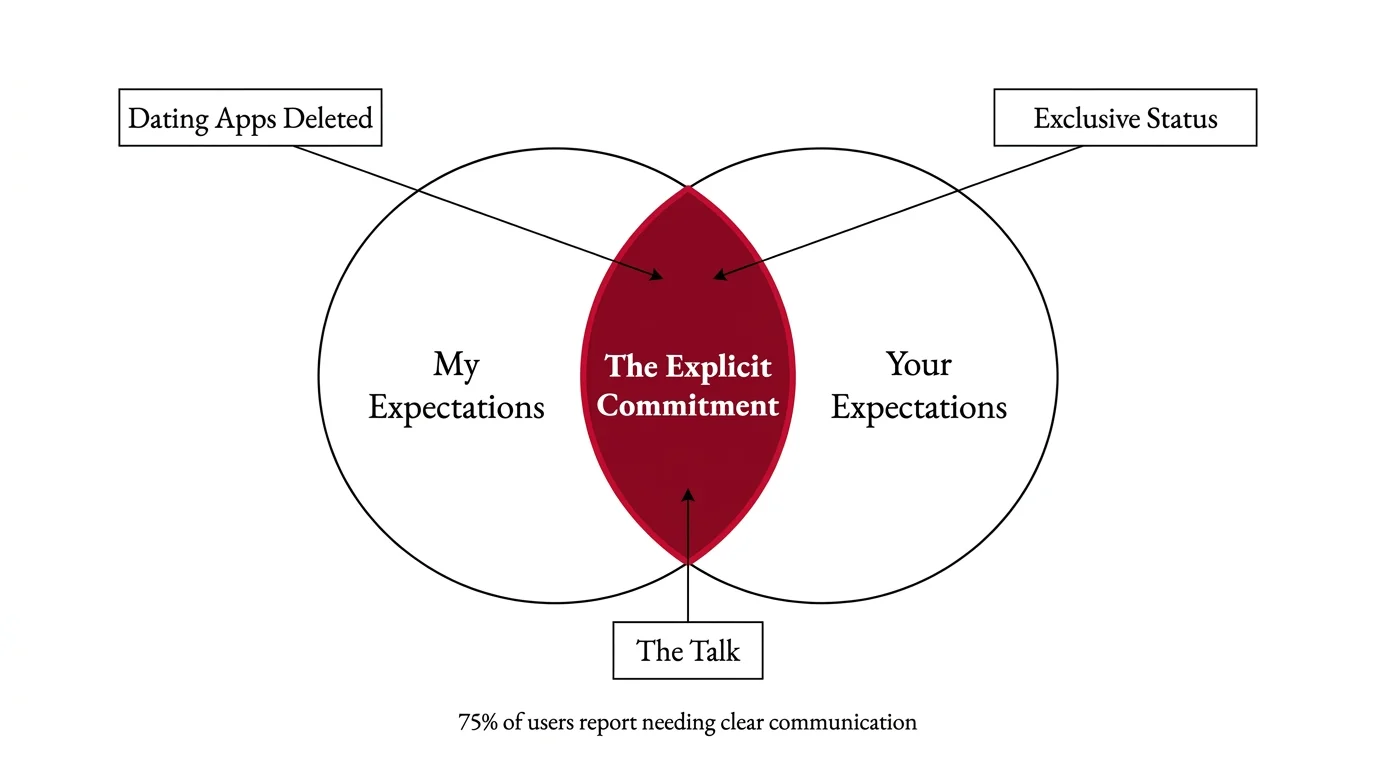
7. The Definition of “Commitment” Requires an Explicit Contract
Two decades ago, going on four consecutive dates with the same person strongly implied exclusivity. You didn’t necessarily need a formal conversation; it was assumed. Today, you must assume the exact opposite. Because dating apps provide a constant stream of new options, multi-dating is the default setting. Your match is likely texting, meeting, and evaluating several other people simultaneously.
This shift birthed the “situationship”—a prolonged gray area where two people act like a couple without committing to the title. Waiting for exclusivity to happen organically will leave you frustrated and hurt when you discover your partner is still actively updating their Tinder profile.
Actionable Insight: Take charge of the “Define the Relationship” (DTR) conversation. You cannot hold someone accountable to boundaries they never agreed to. If you want exclusivity, ask for it directly. Try saying, “I’ve loved getting to know you, and I am not interested in seeing anyone else. I’d like us to be exclusive and delete the apps. How do you feel about that?” It requires vulnerability, but it instantly clears up any agonizing ambiguity.
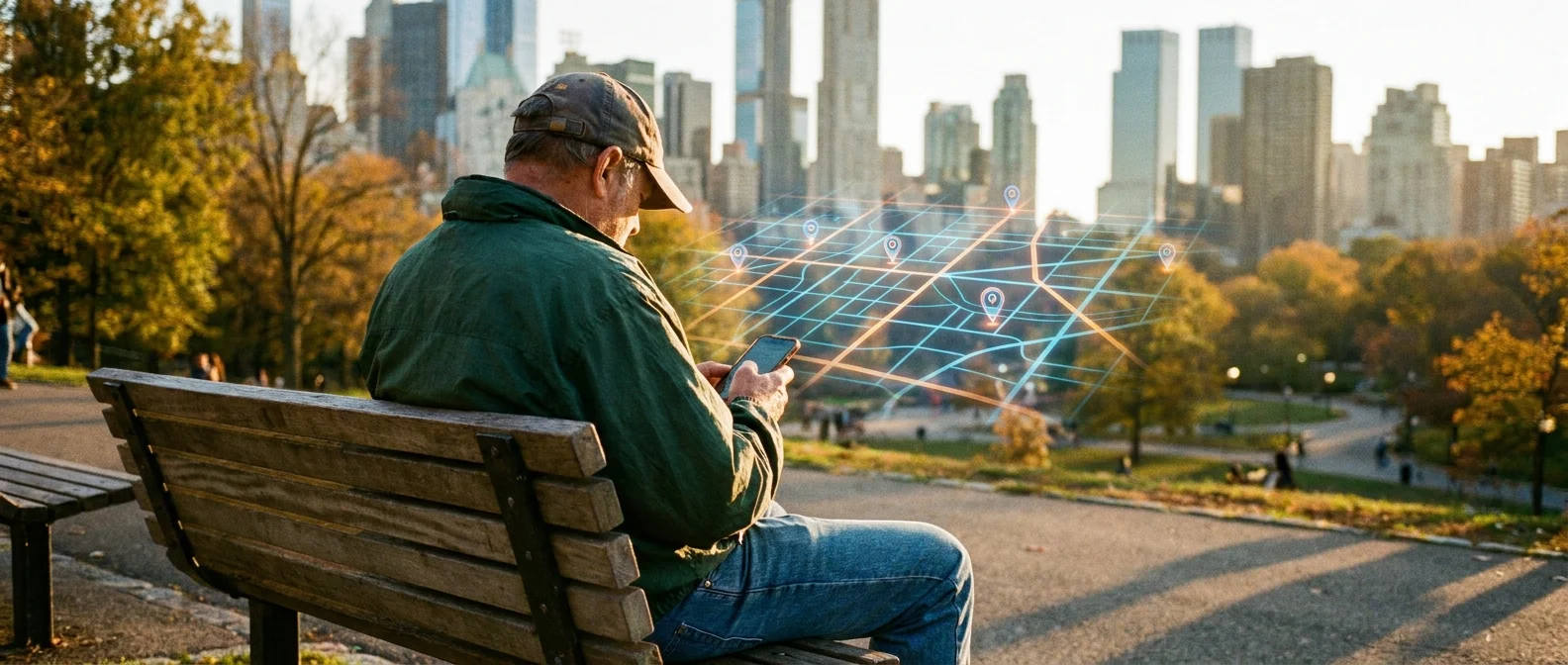
8. You Finally Date Outside Your Geographic and Social Bubbles
While dating apps introduce plenty of modern headaches, they also offer a beautiful, unprecedented advantage: the destruction of the social bubble. Historically, you married someone from your hometown, your college, or your immediate professional network. If you lived in a small town or belonged to a niche demographic, your dating pool felt suffocatingly small.
Apps throw the doors wide open. They introduce you to people from entirely different industries, cultural backgrounds, and life experiences whom you would never have crossed paths with organically. For older adults and seniors re-entering the dating scene after divorce or loss, apps provide a vital bridge to community and romance that didn’t exist a generation ago.
Actionable Insight: Deliberately widen your app filters. If you usually only date corporate professionals, give the artist or the teacher a chance. Expand your age range by a few years in either direction. Increase your geographic radius by ten miles. By stepping slightly outside your rigid “type,” you leverage the greatest feature of modern dating technology: the ability to be pleasantly surprised by a stranger.