
You are single because of specific, identifiable patterns in how you approach connection, time, and emotional risk — not because you are unlovable or because the dating pool is broken. If you have been looking for a lasting relationship but keep coming up empty, it is time to examine the habits and hidden fears driving your romantic choices. Moving from singlehood to a fulfilling partnership requires shifting your focus from finding the perfect person to becoming the right partner. The following reasons break down the most common traps keeping you single, offering actionable shifts you can make right now to change your relationship trajectory and open yourself up to genuine, lasting love.
Chasing an Illusion of Perfection
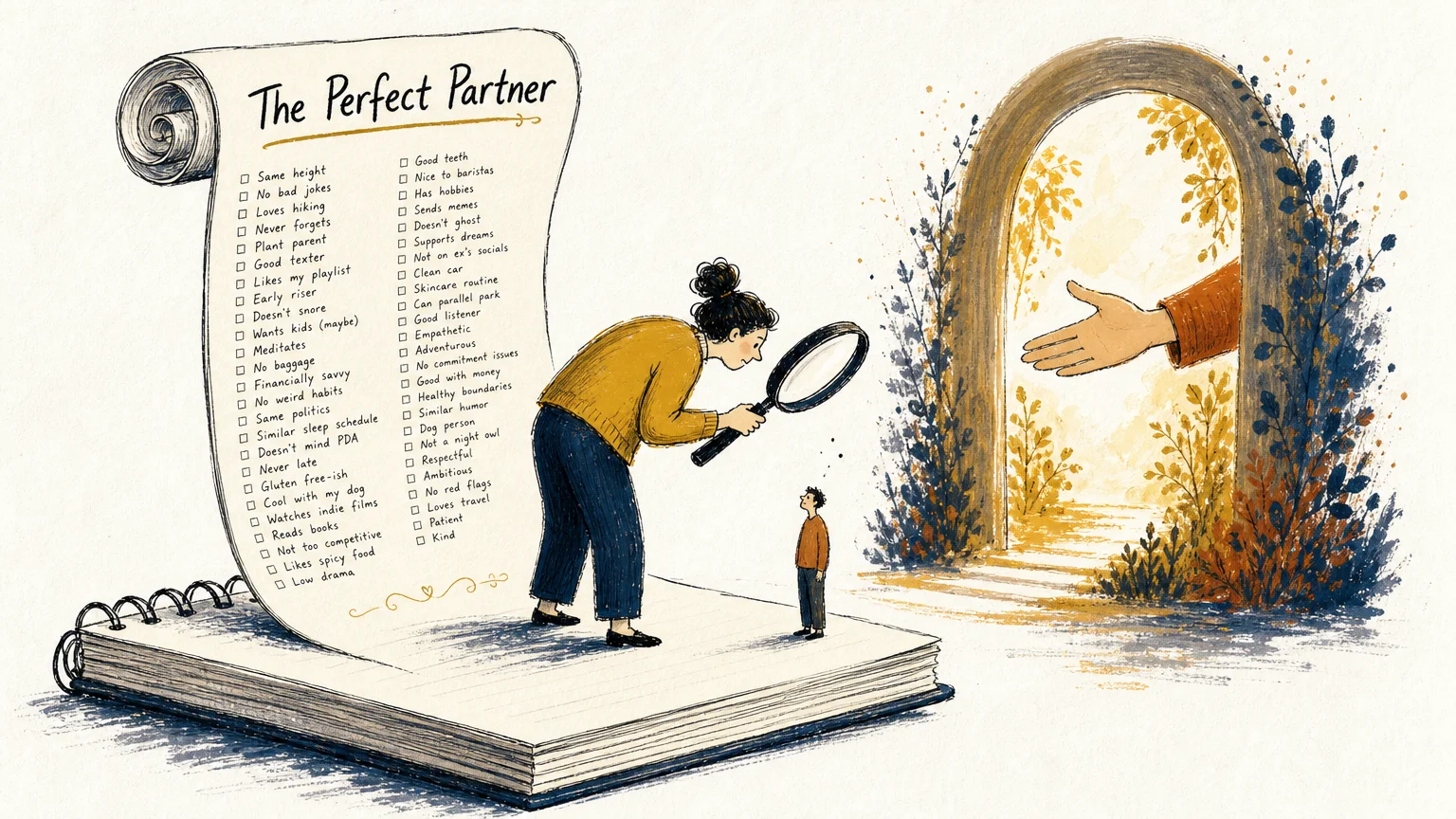
Many singles carry a rigid blueprint of their ideal partner — a mental checklist encompassing height, income, career trajectory, physical fitness, and specific hobbies. A common piece of dating advice is to refuse to settle, which is entirely correct regarding your core boundaries; however, an inflexible obsession with perfection blinds you to highly compatible people who fall slightly outside your exact physical or lifestyle parameters. People are dynamic, flawed, and constantly evolving. Modern algorithms might match you perfectly based on a shared love for weekend hiking, but those same algorithms cannot predict the emotional safety a person will provide during a devastating life crisis. When you scrutinize every date for minor, superficial flaws — dismissing them for chewing too loudly, telling a bad joke, or wearing an unfashionable shirt — you are actively using perfectionism as an impenetrable shield against intimacy. No human being can survive a microscope.
Actionable insight: Differentiate between your core values and your superficial preferences. Core values include financial responsibility, empathy, compatible communication styles, and mutual family goals. Superficial preferences encompass musical taste, hair color, and specific weekend hobbies. If you immediately dismiss a financially responsible, deeply kind person simply because they prefer staying indoors over camping, or because they are an inch shorter than your ideal height, you are actively sabotaging your own romantic success. Take out a physical piece of paper and write down your absolute non-negotiables. Restrict this list to five essential, immovable character traits. Let go of the rest and allow yourself to be pleasantly surprised by someone who does not perfectly fit your traditional type.
Relying Exclusively on Algorithm-Driven Dating Apps
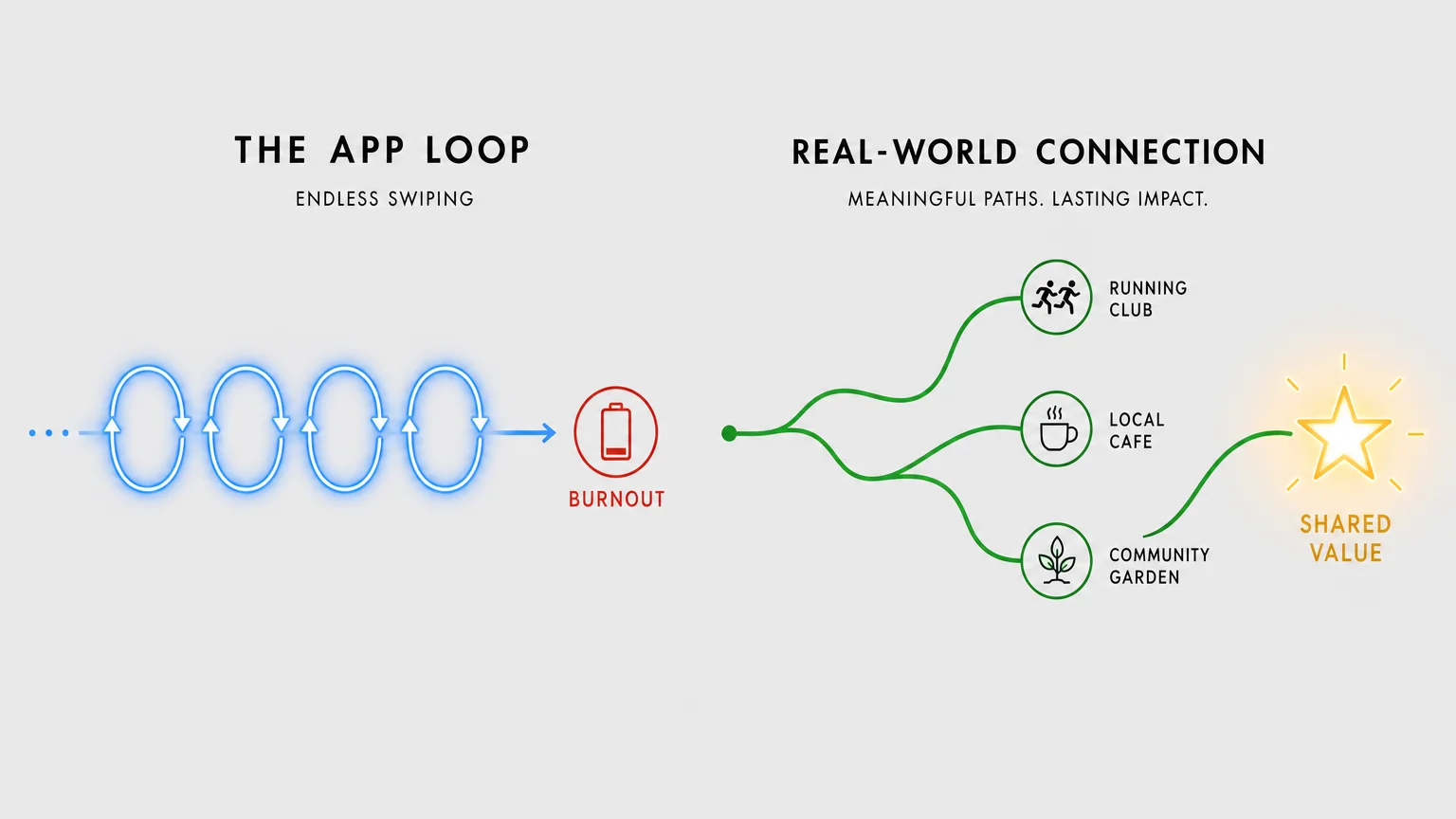
Swiping through endless digital profiles gives you the dangerous illusion of infinite choice, but it almost always leads to profound psychological exhaustion. Dating applications are heavily engineered to keep you engaged with the interface, not necessarily to help you delete the app and find a spouse. A Pew Research Center study found that over half of female dating app users feel completely overwhelmed by the sheer volume of messages they receive, while a massive percentage of users experience severe dating app burnout characterized by emotional fatigue and a total lack of real-world connection. Treating dating like a secondary job on your smartphone inadvertently trains your brain to view human beings as disposable commodities. You begin to swipe left on perfectly wonderful people simply because they used a cliché prompt or posted a slightly blurry photograph.
Actionable insight: Diversify your overall approach to meeting potential partners. Do not feel compelled to immediately delete your dating apps, but absolutely stop using them as your singular avenue for romantic connection. If you currently spend five hours a week swiping on your phone in isolation, reallocate three of those hours to engaging, in-person activities. Join a local running club, attend a community pottery class, or volunteer for a charitable cause you care deeply about. Shared offline activities naturally remove the high-stakes, interview-style pressure of a formal romantic date and allow genuine organic chemistry to develop based on mutual interests, shared laughter, and actual personality rather than heavily curated, filtered photographs.
Avoiding Emotional Vulnerability and Risk
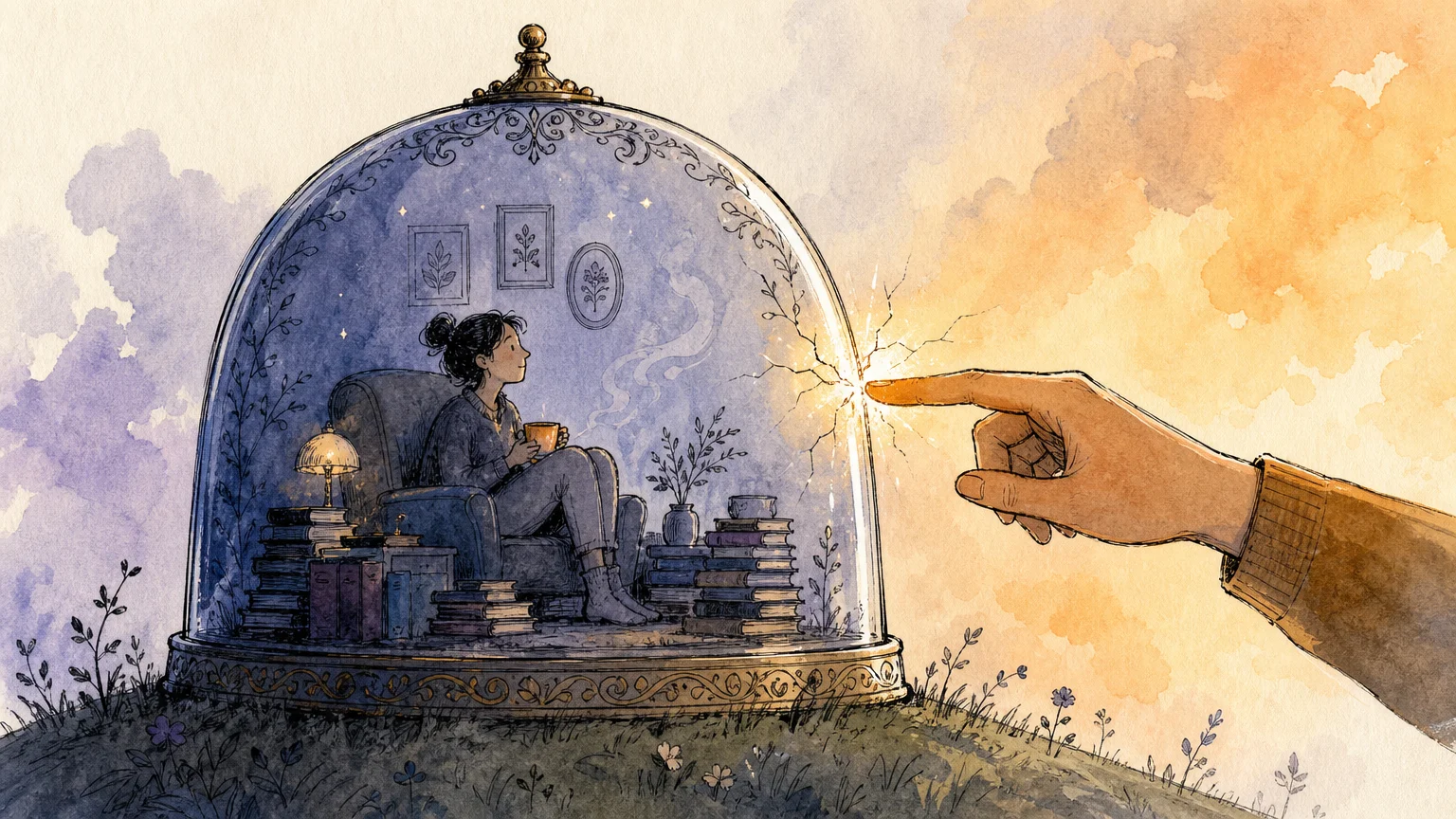
You absolutely cannot build profound intimacy while wearing thick emotional armor. Many people remain single for years because they subconsciously associate vulnerability with immense psychological danger, preferring the cold, predictable safety of isolation over the terrifying risk of romantic rejection. According to extensive research from the Gottman Institute, avoiding vulnerability leads directly to defensive behaviors and severe emotional disconnection, which are instantly fatal to any budding romance. If you keep your dates strictly focused on surface-level topics — like the weather, your commute, or generic pop culture — to intentionally protect your ego, your dates will inevitably walk away feeling absolutely no spark. They will correctly interpret your extreme self-protection as a distinct lack of genuine interest or an inability to form a deep emotional bond.
Actionable insight: Practice micro-vulnerabilities during your early dating phases. You certainly do not need to overshare your deepest childhood traumas or unpack heavy past relationship baggage on a first date, but you can confidently share a genuine, unpolished truth about yourself. Instead of giving a generic, perfectly crafted answer when asked about your day, admit that you felt incredibly overwhelmed by a massive project at work but felt deeply proud of how you navigated the stress. Sharing small, grounded fears, genuine passions, and authentic daily struggles actively invites your partner to let their guard down and do the exact same thing, laying the critical groundwork for a secure, deeply trusting connection.
Missing Red Flags and Entertaining Toxic Dynamics
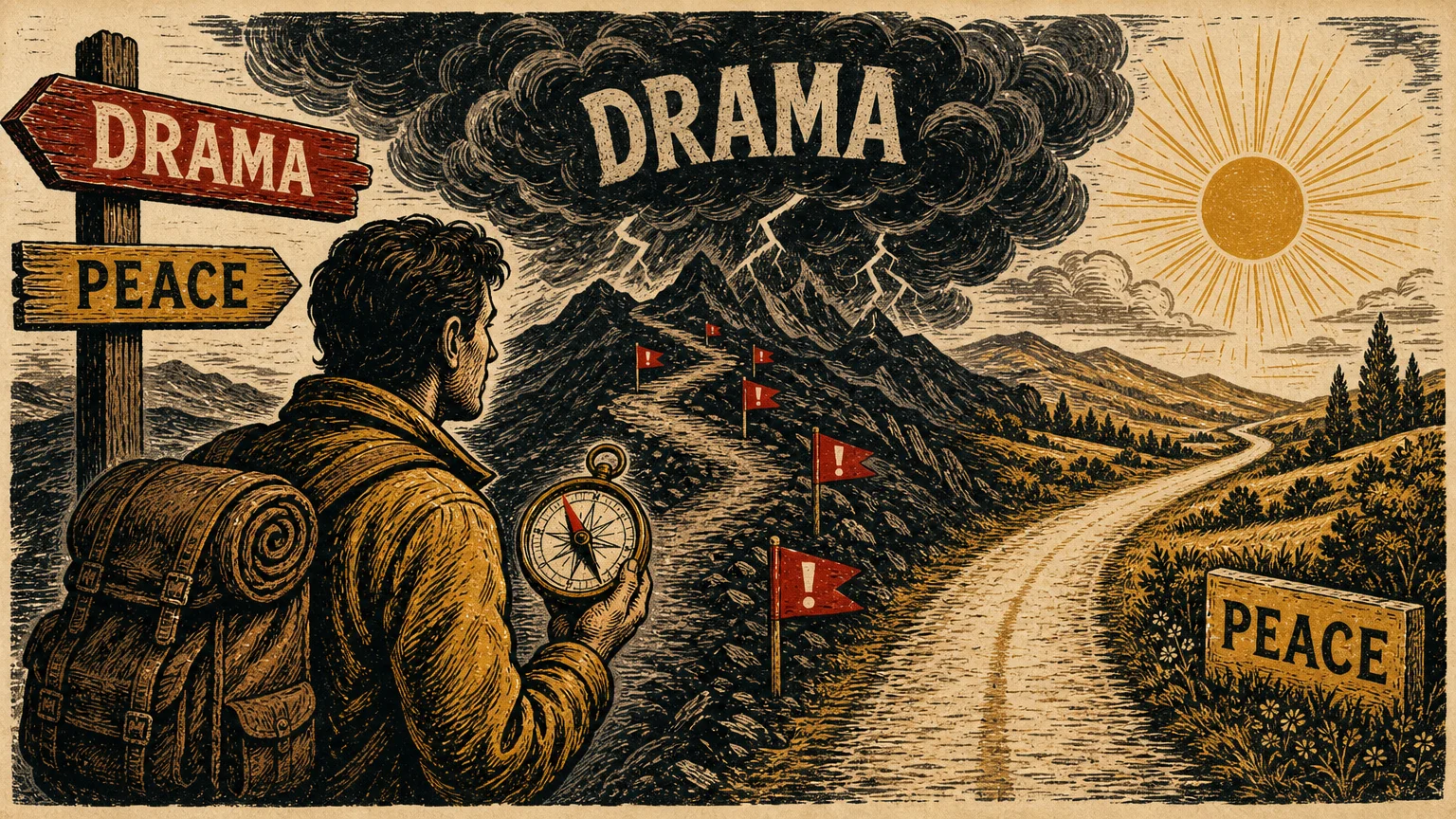
If you constantly find yourself asking, “why am I single?”, sometimes the painful answer is because your dating energy is entirely consumed by emotionally unavailable, highly manipulative, or overtly toxic individuals. Investing months — or even years — into someone who constantly belittles you, repeatedly violates your personal boundaries, or consistently runs hot and cold actively prevents you from finding a healthy, stable partnership. More importantly, ignoring early signs of controlling behavior puts your emotional and physical well-being at serious risk. The National Domestic Violence Hotline warns that dating abuse rarely starts with overt physical violence; it almost always begins with highly subtle isolation tactics, extreme jealousy disguised as care, or persistent attempts to control your daily schedule. When you tolerate these unacceptable behaviors, you completely drain the energy you desperately need to pursue someone who actually treats you with standard respect.
Actionable insight: Establish firm, non-negotiable boundaries very early in the dating process and closely watch exactly how a potential partner reacts when you finally say no. A healthy partner will immediately respect your limits with grace and complete understanding; a toxic partner will angrily push back, attempt to guilt-trip you, or demand endless, exhausting justification. If you notice a repeated pattern of intense love-bombing directly followed by sudden, cruel withdrawal, step away from the situation immediately.
If you are experiencing coercion, severe emotional distress, or feel physically unsafe in your dating life, please seek professional help or contact a domestic violence advocacy center immediately to secure your safety.

Remaining Emotionally Tied to a Past Relationship
You cannot successfully open a bright new chapter in your life if you are constantly rereading the last one. Lingering emotional attachments to an ex-partner act as a heavy, invisible anchor, keeping you tightly tethered to the past. This unresolved grief manifests in several destructive ways: constantly comparing your new dates to your ex, obsessively cyberstalking your former partner’s social media accounts to see exactly who they are dating now, or secretly holding onto the desperate hope for a dramatic reconciliation. When you drag the heavy ghost of a past relationship on every single new date, your current prospects can intuitively sense your emotional absence. They feel the invisible wall you have erected. Even if you are physically sitting across a table from someone charming and new, your mind is miles away, quietly analyzing how this new person measures up to an idealized, heavily edited version of your past love.
Actionable insight: Conduct a ruthless emotional audit of your past. Acknowledge exactly what the previous relationship taught you, grieve the loss fully without rushing the painful process, and take proactive, physical steps to permanently sever the emotional cord. Mute or completely block your ex on all social media platforms to immediately stop the daily influx of painful updates about their new life. When you catch your brain automatically comparing a new person to your past partner, actively interrupt and redirect your racing thoughts. Remind yourself constantly that the previous relationship ended for a valid, unchangeable reason, and give the new person the absolute fairness of a totally blank slate.
Operating with an Unrecognized Insecure Attachment Style
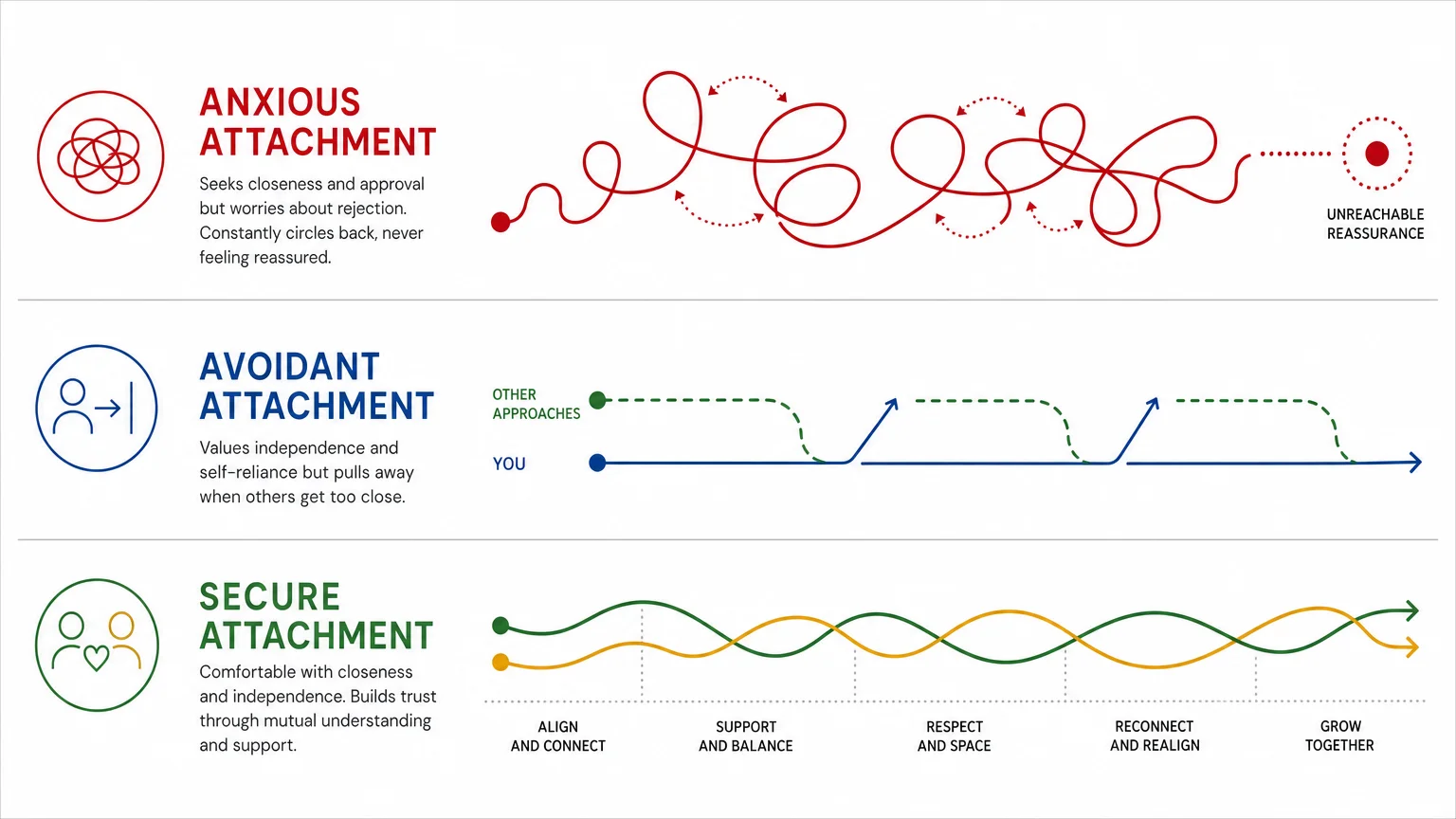
Your early life experiences profoundly shape how you perceive human intimacy, and these deeply ingrained psychological patterns almost always dictate the success or failure of your adult dating life. The American Psychological Association highlights how insecure attachment styles — specifically anxious and avoidant attachments — create massive, subconscious barriers to forming healthy romantic bonds. If you happen to possess an anxious attachment style, you might inadvertently suffocate potential partners with a desperate demand for constant reassurance and rapid, premature commitment. Conversely, if you operate with an avoidant attachment style, you might actively sabotage highly promising relationships the exact moment true intimacy develops, falsely convincing yourself that strict independence is much safer than the terrifying vulnerability of commitment.
Actionable insight: Identify your specific attachment triggers and proactively develop healthy, reliable self-soothing techniques. When you feel the sudden, overwhelming urge to pull away from a genuinely great person because they are getting “too close,” pause and critically ask yourself if they are actually doing something objectively wrong, or if you are simply feeling terrified of vulnerability. Alternatively, if you feel a massive spike of intense anxiety when a casual text goes unanswered for two hours, practice deep breathing exercises or call a trusted friend to vent instead of sending a barrage of needy double-texts. Bringing focused awareness to your psychological wiring allows you to consciously choose your responses rather than reacting blindly to old childhood fears.
Failing to Communicate Your True Intentions
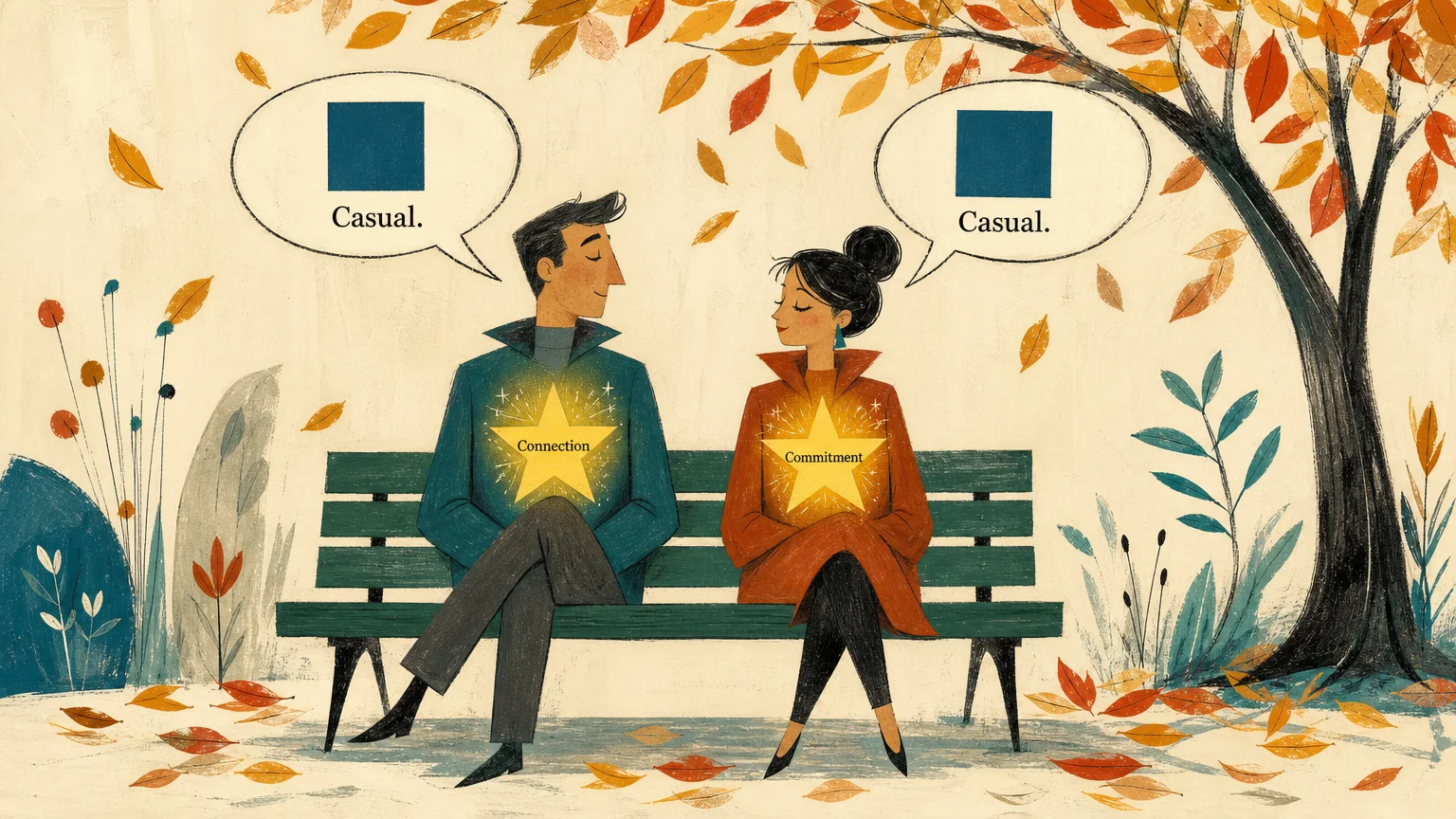
One of the most common dating mistakes is playing elaborate psychological games to appear mysterious, emotionally detached, or perfectly “chill.” This is a guaranteed fast track to remaining single and chronically frustrated. Many adults boldly pretend they are looking for something casual when they actually deeply desire a committed marriage, terrified that stating their true intentions will make them look desperate or immediately scare attractive people away. This specific strategy backfires spectacularly every single time. By actively suppressing your actual desires and adopting a fake, laid-back persona, you naturally attract people who genuinely only want a casual, non-committal fling. When those individuals eventually — and predictably — refuse to commit to a serious relationship, you feel deeply betrayed, even though you never explicitly asked for a real commitment in the first place.
Actionable insight: Embrace the immense, liberating power of clear, unapologetic communication. You absolutely do not need to demand a marriage proposal on the first date, but you should be completely honest about your overall relationship goals from the very beginning. Try saying something confident and grounded like, “I am currently looking for a meaningful, long-term relationship. How about you?” This simple, direct approach acts as a powerful, time-saving filter. It will undoubtedly scare away the commitment-phobic dates, but those are exactly the people you want to eliminate from your rotation as quickly as possible.
Keeping a Closed-Off, Rigid Daily Routine
A rigid, highly predictable routine is the absolute enemy of romantic serendipity. If your daily life strictly consists of driving to work, eating lunch alone at your desk, driving straight home, and watching television until bed, you have effectively eliminated all physical opportunities to meet someone new. You might deeply desire a vibrant, spontaneous partner, but your current lifestyle simply does not leave any physical or temporal room for a new relationship to blossom. Finding love almost always requires stepping outside your comfortable, predictable bubble and intentionally placing yourself in dynamic environments where human connections naturally occur.
Actionable insight: One of the most practical relationship tips you can follow is to audit your weekly routine and intentionally inject social friction into your carefully planned schedule. Implement the following actionable checklist to immediately open up your life to new romantic possibilities:
- Work from a bustling local coffee shop instead of your quiet home office at least one morning a week.
- Leave your headphones in your pocket when waiting in lines, walking through the grocery store, or taking public transit.
- Say a definitive yes to at least one social invitation per month that you would normally decline out of sheer laziness.
- Strike up a brief, low-stakes conversation with someone completely new every day to actively build your social confidence.
- Take up a brand-new hobby that requires consistent group interaction, such as a local cooking class, a recreational sports league, or an amateur theater group.
Lacking the Time or Energy to Actually Date
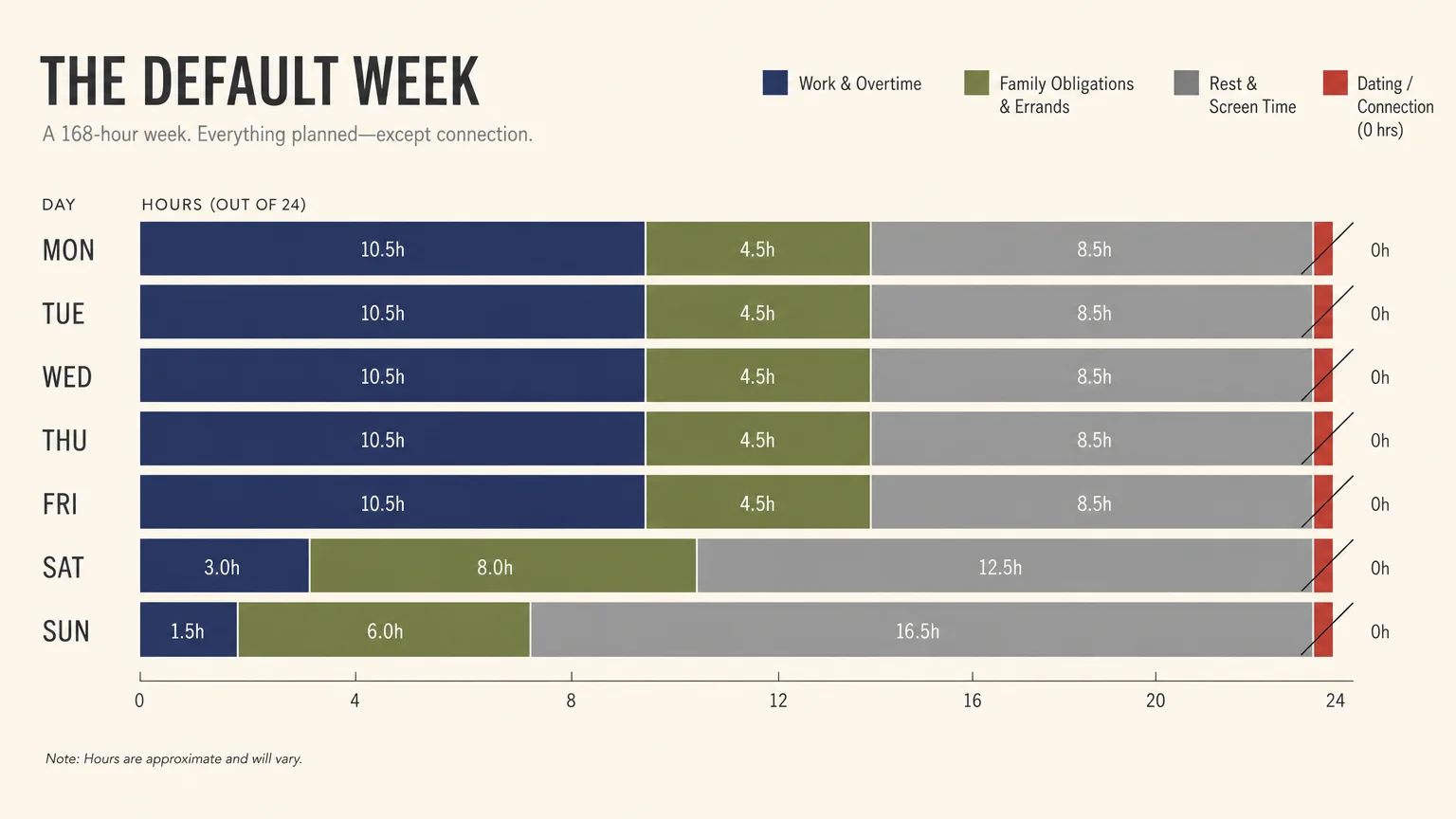
Healthy relationships require a massive, ongoing investment of time, emotional energy, and focused attention. If you are currently working eighty hours a week trying to secure a major promotion, studying late into the night for a demanding graduate degree, or pouring all your available energy into raising children from a previous relationship, you simply might not have the bandwidth required for dating. You cannot successfully squeeze a thriving relationship into the exhausted, neglected margins of your life. When going on dates feels like an agonizing chore or an annoying interruption to your incredibly busy schedule, you will naturally emit a stressed, frantic energy that rapidly pushes potential partners away.
Actionable insight: Treat your dating life with the exact same level of respect and scheduling priority as your most important career goals. Look critically at your weekly calendar and honestly assess if you currently have the emotional and temporal capacity to effectively date. If you genuinely do not, give yourself absolute permission to take a purposeful, guilt-free break from dating until your season of life calms down. If you do want to date, practice rigid time-blocking. Dedicate specific windows — such as Friday nights and Sunday afternoons — strictly to relationship building and meeting new people. Guard this personal time fiercely against late-night work emails, household chores, and other endless distractions.

Finding Genuine Contentment in Your Single Life
Sometimes the primary reason you are still single is the healthiest, most positive reason of all: you are genuinely, deeply happy on your own. Society heavily pushes the relentless narrative that romantic partnership is the ultimate, required marker of a successful life, but profound peace, fierce autonomy, and deep platonic friendships offer immense, undeniable fulfillment. If you have successfully built a rich life full of distinct purpose, robust financial stability, and daily joy, you are incredibly — and rightfully — unwilling to disrupt your hard-won peace for a relationship that is anything less than absolutely extraordinary. This is not a personality flaw or a failure; it is a profound, hard-earned strength.
Actionable insight: Reframe your current singlehood from a temporary, miserable waiting period into a highly valid, widely celebrated life choice. Stop viewing your fierce independence as a problem that needs to be urgently solved. Continue holding out for a partner who adds undeniable, concrete value to your already thriving life, rather than settling for someone just to avoid eating dinner alone. When you date from a place of absolute, unshakeable contentment rather than societal desperation, you make vastly better dating decisions and naturally attract highly secure partners who fully respect your autonomy. Embrace your exceptionally high standards and profoundly enjoy the journey, knowing that a great romantic relationship is just one of many beautiful paths to a fully realized life.