
Discovering that your spouse is having an affair is devastating, but suspecting they are involved with a close friend, coworker, or family member adds a unique layer of betrayal. If you are experiencing relationship trust issues, you need to identify the behaviors that separate harmless friendships from hidden romances. Sudden shifts in how your partner interacts with this specific person—such as unusual defensiveness, sudden over-explaining, or a sudden change in schedule—are powerful spouse cheating clues. By analyzing these subtle changes, you can confront the situation with clarity. Below are the definitive signs of a cheating spouse when the other person is already in your social circle, helping you uncover the truth and decide your next steps.
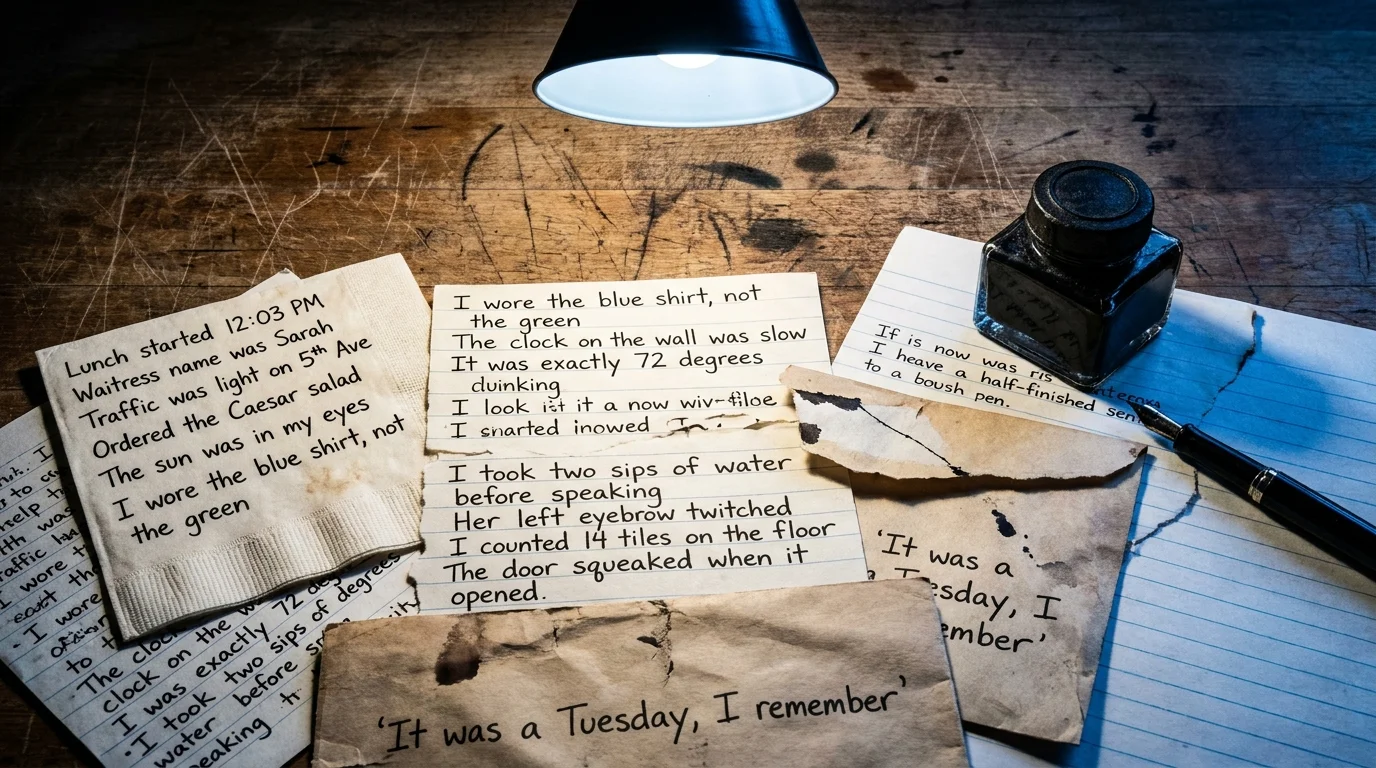
1. They Over-Explain Their Interactions With This Person
When people feel guilty, they often try to cover their tracks with unnecessary details. If your partner suddenly gives you a minute-by-minute breakdown of their lunch with a specific coworker or friend, pay attention. Innocent interactions do not require an alibi. Over-explaining is a classic psychological defense mechanism meant to eliminate suspicion before you even ask questions. You might notice them emphasizing how boring the meeting was, listing the exact topics discussed, or repeatedly mentioning how many other people were present. When a spouse volunteers too much information, they are often trying to convince themselves of their innocence just as much as they are trying to convince you. When an innocent person is asked about their day, they give a high-level summary and move on. A guilty person, however, behaves like they are on the witness stand, desperately trying to establish an airtight alibi. Instead of interrupting their monologue, simply let them talk. The more details they provide, the easier it becomes to spot factual inconsistencies later. This behavior is one of the most reliable infidelity warning signs, especially if they never used to recount their daily interactions with such forensic precision.

2. You Notice Unwarranted Defensiveness When Their Name Comes Up
A healthy relationship allows for open dialogue about friends, family, and colleagues. If casual questions about a mutual acquaintance suddenly trigger an aggressive or highly defensive response, you have reason to pause. For example, if you innocently ask, “Did [Name] go to the office party?” and your partner snaps, “Why are you always checking up on me? I can’t even mention my coworker without you getting paranoid!”—that is a massive red flag. Unwarranted defensiveness is a prominent warning sign of a cheating spouse. Instead of calmly answering the question, they accuse you of being controlling or jealous. This psychological tactic is designed to make you second-guess your reality and feel guilty for even asking. This aggressive posturing is a shield. If they can make the topic of this specific person completely radioactive, you will stop asking questions out of a desire to keep the peace. Do not let this manipulation tactic work on you; the ultimate goal is to condition you to avoid bringing up the person’s name altogether, thereby creating a protective bubble around their secret connection.

3. The Dynamics of Your Social Gatherings Have Shifted
Affairs involving a mutual acquaintance completely alter the energy of your social gatherings. Watch closely how your spouse behaves when this specific person enters the room. Often, you will observe one of two behavioral extremes: hyper-engagement or unnatural avoidance. They might gravitate toward each other immediately, finding excuses to be alone in the kitchen, sitting next to each other, or stepping outside simultaneously. Pay attention to body language—do their feet naturally point toward this person? Do they laugh excessively at their jokes? Conversely, they might actively ignore each other, making a performative point to sit on opposite sides of the room and avoid eye contact. If a normally friendly dynamic suddenly turns cold, stiff, or overly formal, it is a significant spouse cheating clue. You may also notice highly specific grooming habits when you attend these gatherings. If your spouse suddenly buys a new outfit, wears a different cologne or perfume, or spends an extra hour getting ready for a casual barbecue where this person will be present, take note of the effort. The tension is palpable because both parties are hyper-aware of your presence and terrified of slipping up in public.
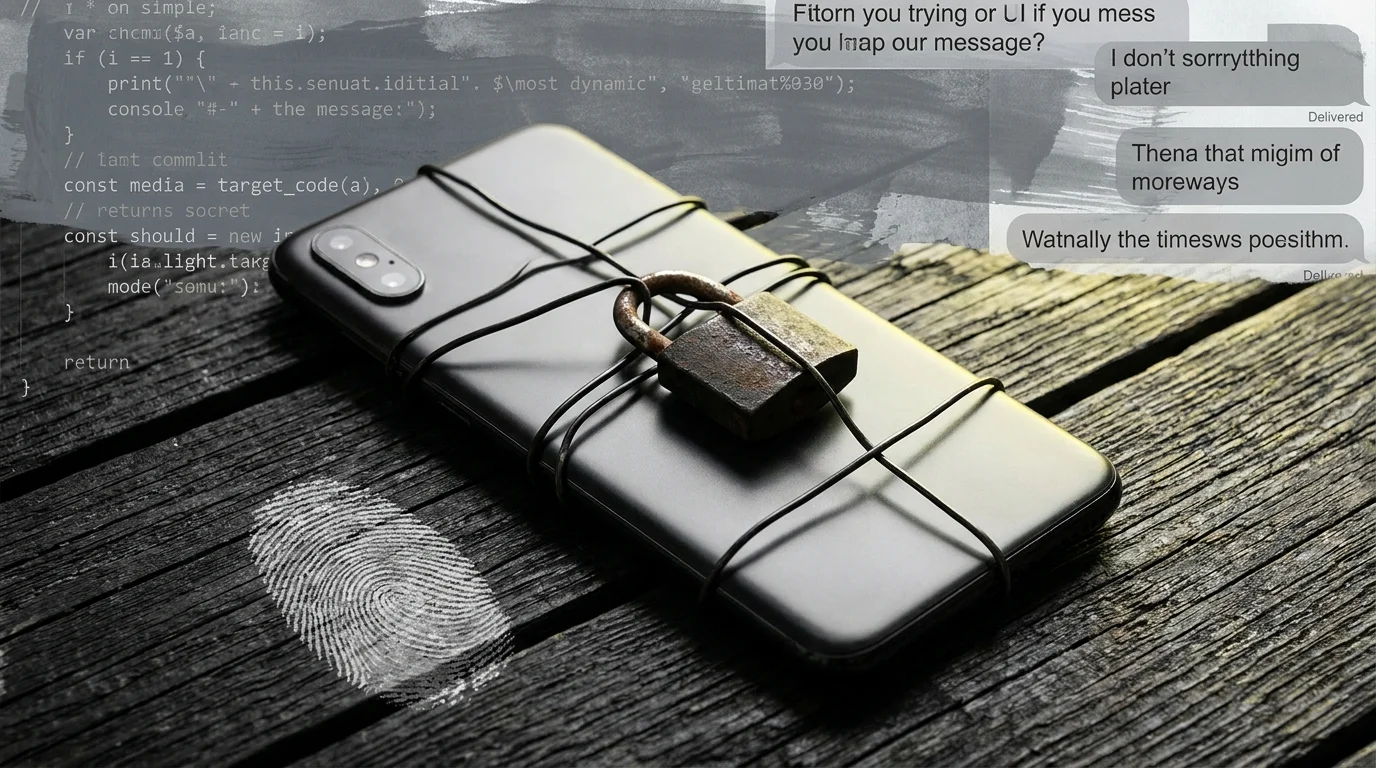
4. They Are Suddenly Hyper-Protective of Their Devices
Technology is the primary conduit for modern affairs, and a sudden shift in digital boundaries is rarely innocent. If your partner previously left their phone on the kitchen counter but now takes it into the bathroom, changes their passwords, or consistently places the phone face-down, they are hiding something. According to relationship research from The Gottman Institute, secretive smartphone habits frequently point to hidden communications that damage the fabric of a relationship. You might notice them quickly closing apps when you walk into the room, deleting text threads, or using disappearing message features on social media. When the suspected affair partner is someone you already know, the cheating spouse must work overtime to ensure you do not accidentally see an incoming notification or an overly familiar text message from a familiar name. If their phone was an open book last year and is now treated like classified intelligence, your suspicions are entirely justified.

5. You See Signs of an Emotional Affair First
Not all infidelity starts with a physical betrayal. Emotional affairs occur when a partner channels their intimacy, vulnerability, and day-to-day sharing away from you and toward someone else. The signs of an emotional affair include confiding in this person about your marriage, sharing inside jokes that intentionally exclude you, and leaning on them for emotional support during stressful times. If your spouse turns to a mutual friend or coworker to complain about relationship frustrations rather than working through them with you, the boundary has been entirely breached. They might start texting this person first thing in the morning or call them immediately after a disagreement with you. Emotional affairs completely erode the foundation of your marriage because they steal the emotional energy that rightfully belongs to your partnership. Left unchecked, these intense emotional connections frequently escalate into physical intimacy.
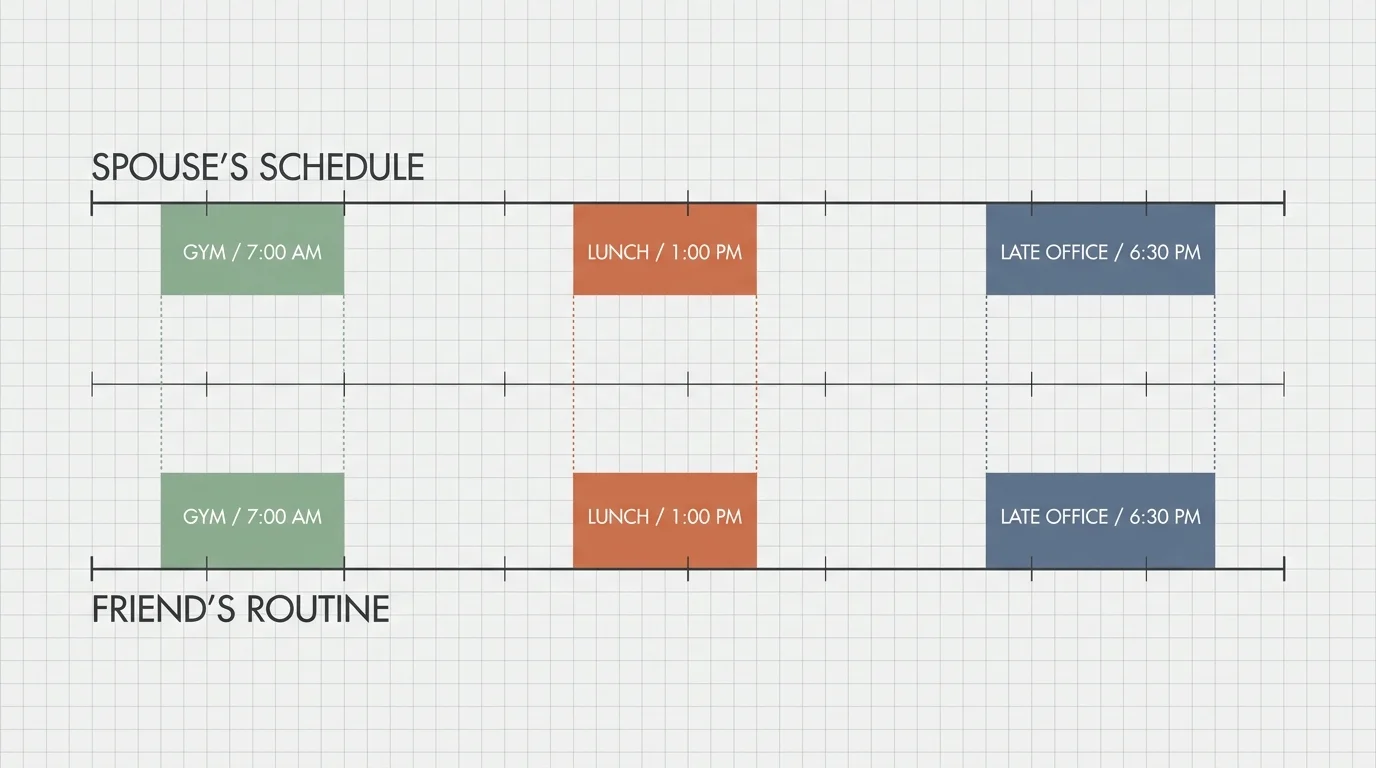
6. Their Schedule Now Revolves Around the Other Person’s Routine
Pay close attention to sudden, unexplained changes in your partner’s routine that coincidentally align with the other person’s schedule. If the suspected affair partner joins a new gym across town, your spouse might suddenly decide they need to start lifting weights at that exact location. If a coworker starts staying late on Thursdays, your spouse might suddenly have mandatory Thursday evening meetings. If the mutual acquaintance is a neighbor who walks their dog at 7:00 PM, your spouse might develop a sudden passion for evening jogs at exactly 6:55 PM. These overlapping schedules provide a convenient, built-in excuse to spend time together without raising immediate suspicion. If you confront them about these schedule changes, they will likely dismiss your concerns as a crazy coincidence or cite an overbearing boss demanding more of their time. When their timeline repeatedly syncs up with someone you know, you are dealing with a deliberate, calculated effort to manufacture alone time. Document these anomalies; patterns will quickly emerge.

7. They Constantly Compare You to Them
An unfaithful spouse often begins viewing their affair partner through rose-colored glasses. Because this illicit relationship is free from the daily grind of paying bills, doing chores, and parenting, they idolize the other person’s traits. You may start hearing subtle comparisons or backhanded criticisms. Your partner might say, “[Name] is so laid back about things like that,” or “[Name] never gets stressed out over a messy house.” These constant comparisons highlight deep relationship trust issues because your spouse is measuring your complex, real-world marriage against an idealized fantasy. This behavior is incredibly damaging to your self-esteem and serves to mentally justify the affair for the cheating partner. When you hear these comparisons, do not internalize them. Recognize that your spouse is projecting their own guilt and attempting to rewrite the narrative of your marriage to suit their current actions.
8. The Suspected Person Has Pulled Away From You
When the affair partner is a mutual friend, a coworker you know well, or even a family member, their behavior toward you will inevitably change. Guilt and the persistent fear of exposure make it extremely uncomfortable for them to look you in the eye. A once-chatty friend might stop calling, decline invitations to hang out one-on-one, or give vague, awkward answers when you ask how they are doing. You might notice they stop inviting you to couples’ dinners, or they abruptly cancel plans when they know your spouse will not be attending. If you notice that this person is slowly phasing you out of their life while simultaneously maintaining or increasing their connection with your spouse, their withdrawal is a glaring red flag. They are actively trying to manage their own guilt by removing you from their line of sight.
9. Financial Inconsistencies Linked to Shared Hobbies or Events
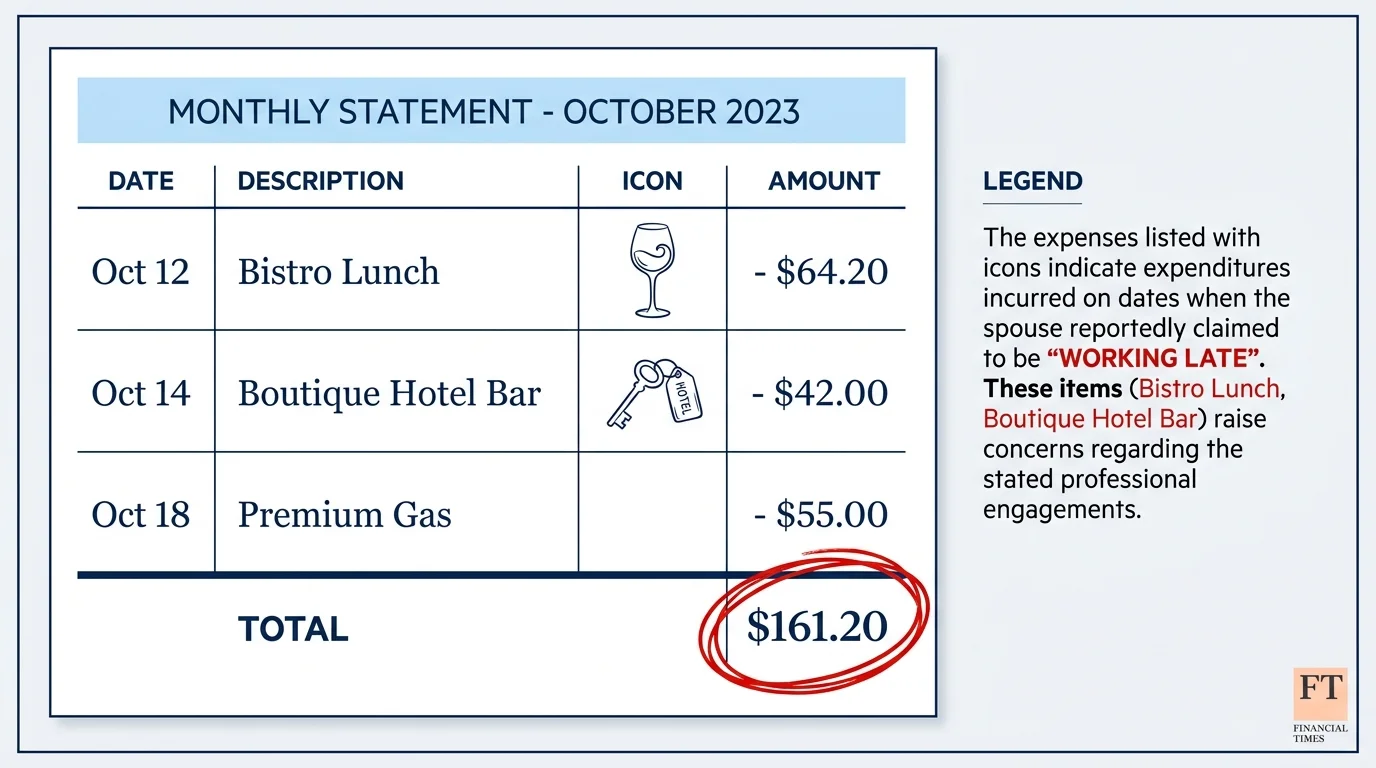
Affairs require funding, and the paper trail often reveals the truth. Look for financial discrepancies that align with the other person’s interests, location, or shared events. You might spot unexplained ATM withdrawals, receipts from coffee shops near the other person’s home, or sudden business expenses that do not make logical sense. In today’s digital age, cheaters frequently use payment apps to hide transactions. Look for vague emojis in payment histories or frequent, unexplained transfers to a friend. If your spouse and the mutual acquaintance share a hobby—such as golfing, wine tasting, or attending concerts—you may find that your spouse is suddenly spending significantly more money on these activities without inviting you. Financial secrecy goes hand-in-hand with infidelity; it provides tangible evidence that time and resources are being actively diverted outside the marriage.

10. Your Intuition Is Screaming That Something Is Wrong
Never underestimate your gut feeling. The human brain is incredibly adept at recognizing micro-expressions, subtle shifts in tone, and slight deviations from normal baseline behavior. Even if you cannot pinpoint exactly what is happening, you can feel the emotional distance. Your body often registers betrayal before your conscious mind catches up with the evidence. You might experience a persistent knot in your stomach, sudden insomnia, or random spikes of anxiety when your spouse mentions this specific person. When you sense that your partner’s attention, affection, and energy have been redirected toward someone you know, you are picking up on genuine, biological cues. While intuition alone is not empirical proof, it serves as an internal alarm system; it prompts you to look closer, stop dismissing red flags, and start gathering the concrete facts you need to address the situation directly.
Actionable Steps to Protect Yourself and Find Clarity
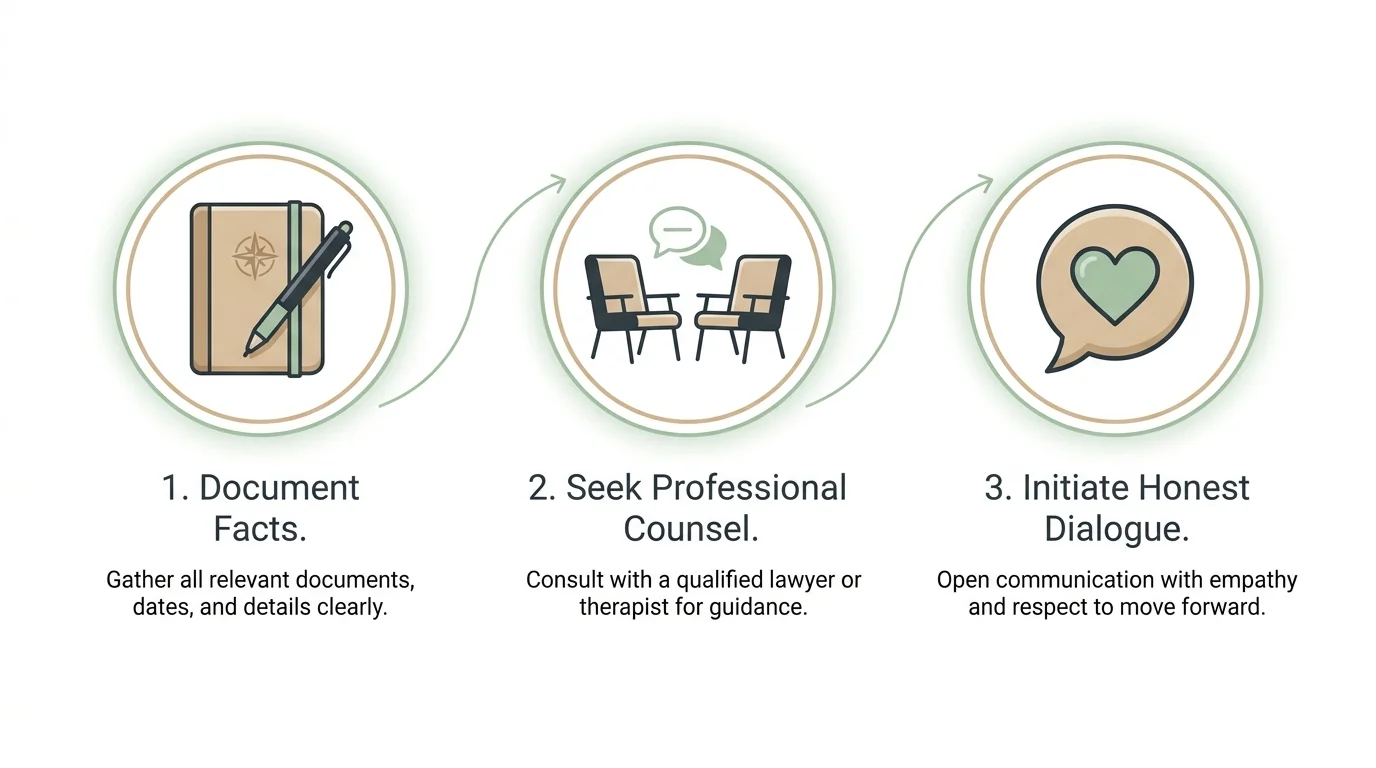
If these signs resonate with your current situation, you must take proactive steps to protect yourself emotionally and practically. Confronting a spouse without solid preparation often leads to intense gaslighting and deeper secrecy. Take the following steps to gain clarity and safeguard your well-being:
- Document your observations objectively: Keep a private, secure journal of suspicious events. Note dates, times, financial anomalies, and specific behavioral changes. This factual record grounds you in reality when your spouse attempts to deny your experiences.
- Secure your financial independence: Review joint bank accounts, credit card statements, and payment apps for unusual activity. Consider opening a separate checking account in your name to ensure you have immediate access to funds if the situation escalates.
- Observe, do not interrogate: Ask open-ended questions and let your spouse do the talking. Instead of accusing them outright, say, “You seem to be spending a lot of time with [Name] lately.” The more they speak, the more likely they are to trip up on their own inconsistencies.
- Seek a neutral confidant: Because the suspected affair partner is someone in your social or familial circle, you must be extremely careful about who you confide in. Choose a trusted friend or family member who is completely removed from the situation to avoid messy social fallout.
- Prioritize STI testing: If you strongly suspect physical infidelity, prioritize your physical health immediately. Schedule a comprehensive screening with your doctor to ensure you are not at risk.

Navigating the Emotional Fallout and Seeking Help
Discovering that your spouse is cheating with someone in your own social circle inflicts a profound level of betrayal trauma. You are not just losing trust in your life partner; you are simultaneously losing trust in the friend, coworker, or family member involved. Processing this devastating dual betrayal requires time, patience, and professional support. Engaging with a licensed relationship therapist—which you can locate through resources like the American Association for Marriage and Family Therapy—can help you navigate the immediate shock. A professional can assist you in deciding whether the marriage can be repaired through rigorous accountability, or if you need to safely plan your exit.
In some cases, the discovery of infidelity triggers volatile behavior, emotional abuse, or severe coercion as the cheating spouse desperately attempts to maintain control over the narrative. If you ever feel physically threatened, or if your partner uses intimidation and gaslighting to keep you silent, you must prioritize your safety above all else. Reach out to the National Domestic Violence Hotline for confidential support, resources, and assistance with personalized safety planning. You do not have to endure this trauma in isolation. You deserve to navigate this incredibly difficult chapter with clarity, robust support, and a definitive path toward personal healing.