
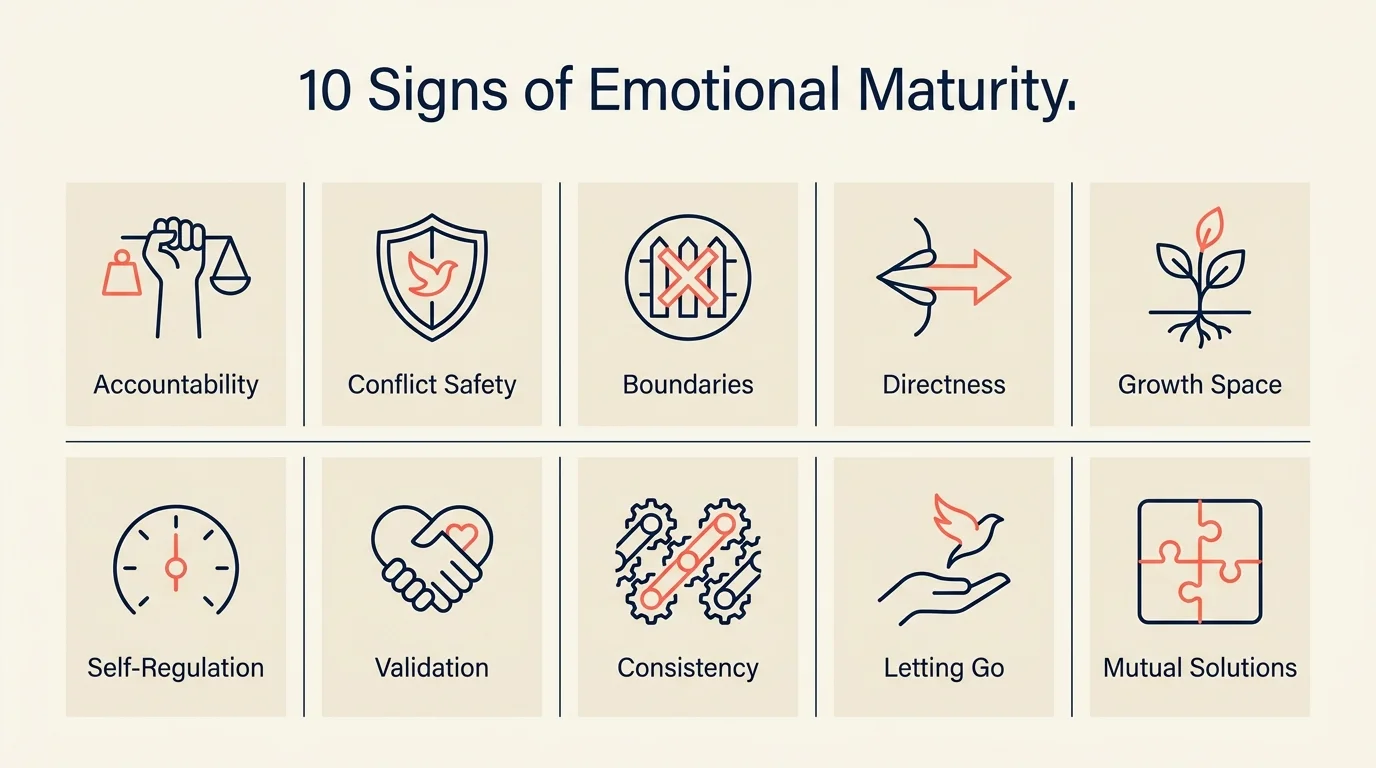
Emotional maturity is the foundation that keeps a relationship grounded when the initial infatuation fades, transforming everyday conflicts into opportunities for deeper connection. When you and your partner cultivate this trait, you replace exhausting power struggles with a shared sense of emotional safety and mutual respect. Recognizing the markers of emotional intelligence helps you evaluate the health of your current partnership or identify what to look for when dating. A mature partner regulates their own nervous system, takes accountability for missteps, and listens to understand rather than simply waiting for their turn to speak. By understanding these core habits, you can stop navigating unpredictable emotional rollercoasters and start building a stable, deeply fulfilling bond.

Taking Ownership Without Defensiveness
When emotionally mature partners make a mistake, they do not deflect blame, make excuses, or shift the focus onto your flaws. They take full accountability for their actions. Defensiveness acts as a shield to protect the ego, but it ultimately blocks genuine connection. A mature partner listens to your feedback, acknowledges the impact of their behavior, and offers a sincere apology. They focus on repairing the rupture rather than protecting their pride. For example, if they forget an important anniversary, they do not say, “You know how busy I am at work; you should have reminded me.” Instead, they say, “I am so sorry I forgot. I know that hurt you, and I will make it right.” This level of emotional intelligence in love ensures that disagreements lead to growth rather than resentment. True accountability goes beyond simply saying the words. It involves a noticeable change in behavior moving forward, proving that the lesson was truly absorbed. When you date someone who takes ownership of their flaws, you do not have to carry the exhausting burden of managing their ego.
Managing Conflict Without Contempt
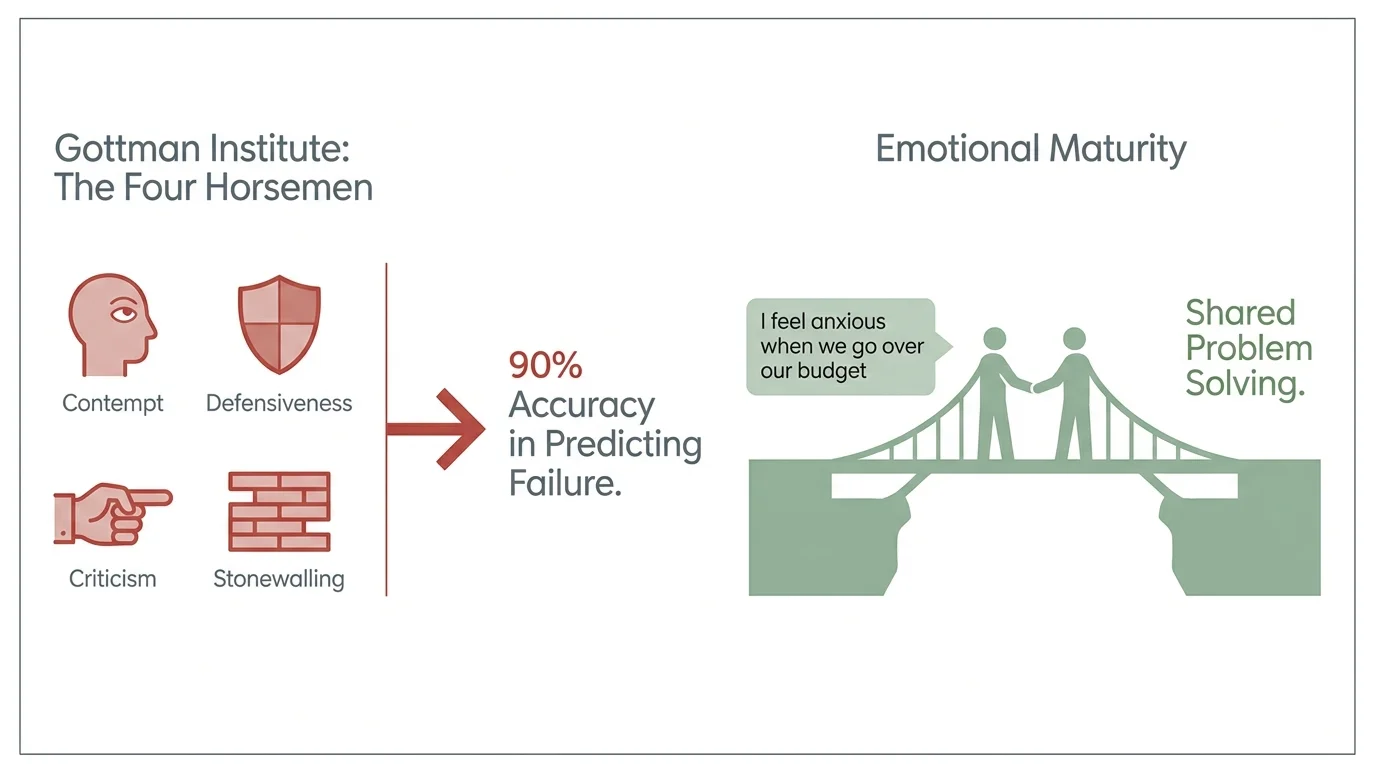
All couples argue, but the way a couple navigates those arguments reveals their underlying emotional maturity. Research by the Gottman Institute demonstrates that toxic communication patterns like criticism, defensiveness, stonewalling, and contempt can predict relationship failure with over 90 percent accuracy. Contempt—which includes eye-rolling, mocking, name-calling, and speaking from a place of superiority—is particularly destructive because it conveys deep disrespect. An emotionally mature partner approaches conflict with a spirit of collaboration, even when they are incredibly frustrated. They do not attack your character or use your past vulnerabilities as ammunition against you. Instead of saying, “You are always so irresponsible and selfish with our money,” they frame the issue around their own feelings and the specific situation at hand: “I feel anxious when we go over our budget, and I want us to figure out a sustainable plan together.” They view conflict as a shared problem to solve, not a battlefield where one person must emerge victorious and the other defeated. Cultivating this healthy approach to disagreement protects the emotional bond and prevents arguments from leaving lasting scars.

Respecting Boundaries Without Taking Offense
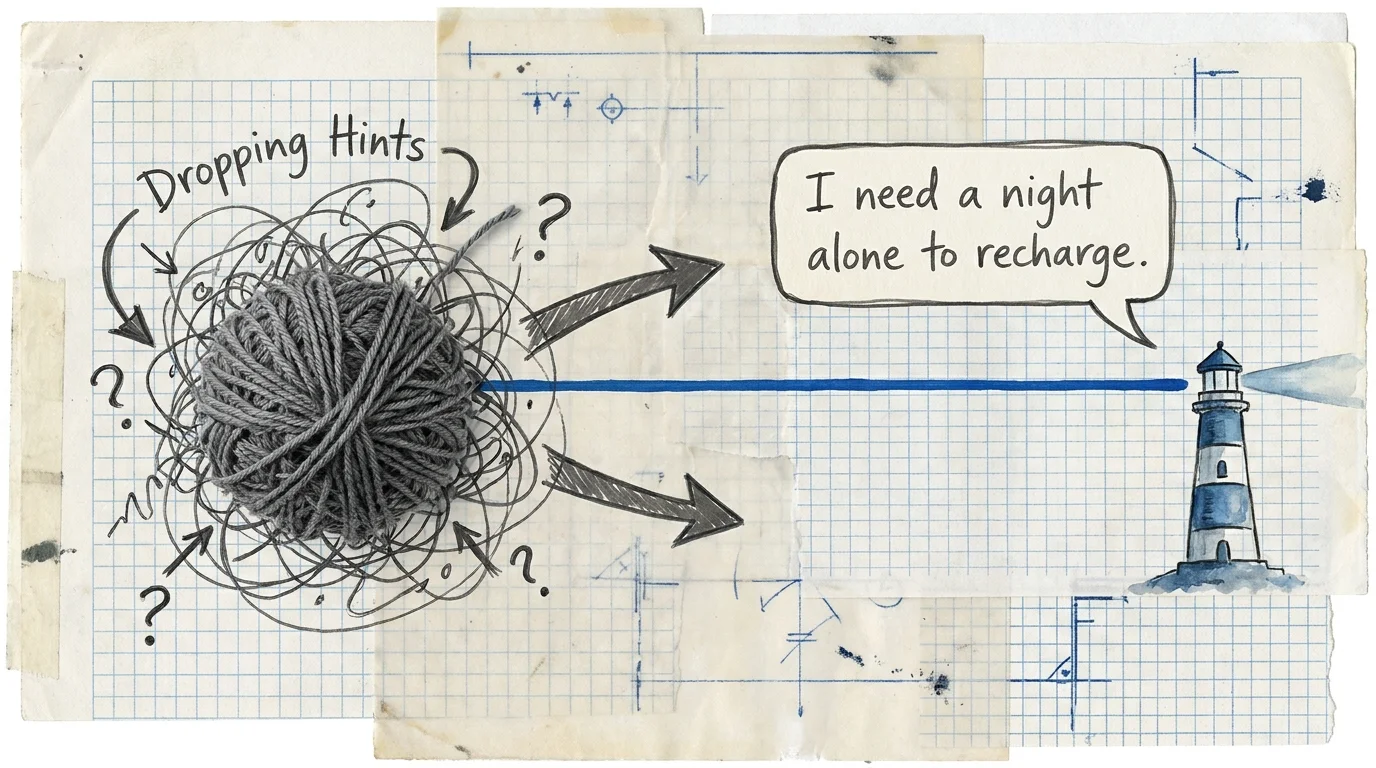
Healthy relationship signs often revolve around how two people handle the word “no.” Emotional maturity means understanding that boundaries are not a form of rejection, but rather a practical blueprint for how to love someone safely and sustainably. According to the American Psychological Association, clearly articulated limits protect personal well-being, reduce the risk of burnout, and foster mutual respect between individuals. Furthermore, individuals who state their needs clearly routinely report higher relationship satisfaction. A mature partner does not guilt-trip you for wanting a night alone to recharge, nor do they pressure you into social events or physical activities that make you uncomfortable. They respect your physical space, your emotional capacity, and your time limits. If you say, “I am too exhausted to go out tonight; I need to stay home and rest,” they do not take it personally or accuse you of not caring about them. They simply accept your limit and support your need for recovery. This mutual respect creates an environment where both partners feel safe enough to be fully authentic without the fear of retaliation.
If you ever find that your boundaries are continuously violated through coercion, intimidation, or physical fear, it is crucial to seek professional support. Disregarding boundaries to establish power and control is not simply immaturity; according to experts at the Mayo Clinic, it is a clear warning sign of domestic abuse. The National Domestic Violence Hotline provides free, confidential assistance at 1-800-799-SAFE (7233) for anyone navigating severe distress or relationship safety concerns.
Communicating Needs Directly Instead of Dropping Hints
Passive-aggression thrives in the absence of emotional maturity. When someone lacks the tools to articulate their internal desires, they often resort to sighing loudly, giving the silent treatment, or expecting you to magically read their mind. Emotionally mature individuals recognize that it is their sole responsibility to communicate their needs clearly and respectfully. They do not test you to see if you care enough to guess exactly what is wrong. If they need more affection or support, they ask for it directly. They might say, “I have been feeling a little disconnected lately, and I would love it if we could put our phones away and spend some uninterrupted time together this evening.” Direct communication eliminates the maddening guesswork and chronic anxiety that plague immature dynamics. It allows both partners to show up for each other effectively, building a robust foundation of trust, transparency, and reliability. When you operate this way, you remove the hidden emotional traps from your daily conversations.

Providing Space for Individual Growth
Codependency often masquerades as intense romantic love, but true emotional maturity in relationships requires a healthy, secure degree of separation. Mature partners encourage each other to maintain lifelong friendships, pursue individual hobbies, and achieve personal career goals outside of the relationship. They do not view your independence or your external successes as a threat to the partnership. Instead, they deeply understand that two whole, fulfilled individuals make a much stronger, more resilient couple. They enthusiastically celebrate your promotions, support your desire to take a solo weekend trip to visit family, and encourage you to spend quality time with your own social circle. They do not require your constant, undivided presence to feel secure in the relationship. This dynamic creates an expansive, breathable bond where both people can thrive and evolve without ever feeling suffocated, trapped, or resentful.
Regulating Personal Emotions During Stressful Moments
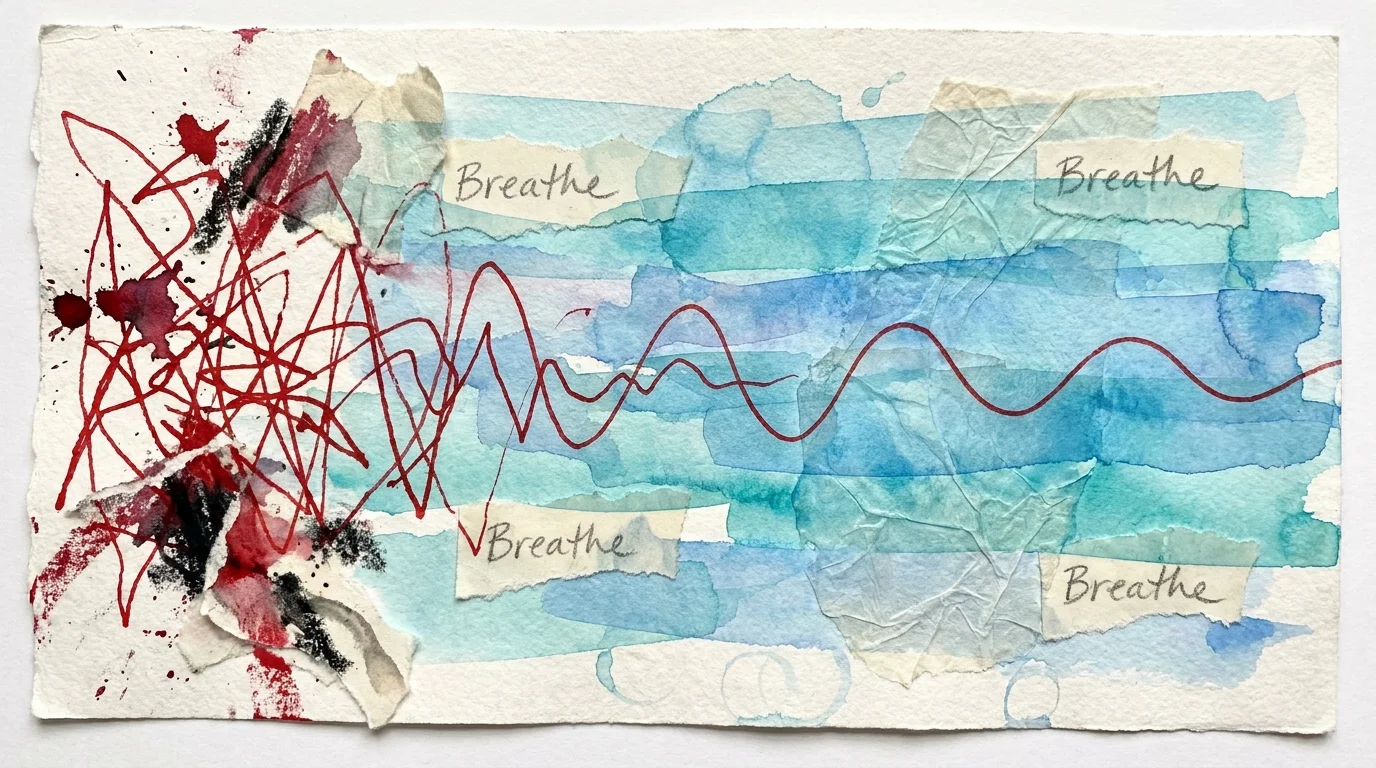
Life inevitably delivers stressful moments—a sudden job loss, a flat tire on the way to work, or an unexpected family emergency. Strong relationship habits include the ability of each partner to regulate their own nervous system rather than dumping their unmanaged anxiety or anger onto the other person. Emotional regulation does not mean suppressing natural feelings or pretending everything is fine when it is not. It means experiencing a strong, difficult emotion, pausing to process it internally, and then responding thoughtfully rather than reacting explosively. For example, if your partner has a terrible day at work, they do not come home and snap at you over minor issues like dirty dishes in the sink. They might instead communicate their state of mind by saying, “I am feeling incredibly stressed and overwhelmed about work right now, and I need twenty minutes of quiet time to decompress before we talk.” This self-awareness prevents external stressors from corroding the internal peace of the relationship. It ensures that your home remains a sanctuary rather than becoming just another source of tension.
A Checklist for Assessing Strong Relationship Habits
To help you gauge the emotional intelligence level in your own partnership, look for these concrete, daily behaviors. Mature couples routinely practice the following habits:
- Active Listening: Giving full attention without formulating a rebuttal while the other person speaks, maintaining eye contact, and showing genuine curiosity.
- Daily Check-Ins: Taking a few minutes each day to connect emotionally, ask about each other’s inner worlds, and discuss topics beyond logistics or household chores.
- Expressing Gratitude: Regularly acknowledging and appreciating the small, mundane things your partner does to keep your shared life running smoothly.
- Taking Time-Outs: Recognizing when physiological flooding occurs and stepping away from a heated argument before it escalates, with a firm promise to return and resolve it later.
- Making Repair Attempts: Using gentle humor, a reassuring touch, or a kind word to intentionally de-escalate tension and bridge the gap during a disagreement.

Validating Your Feelings Even During Disagreements
Emotional intelligence in love shines brightest during moments when partners simply do not see eye to eye. A mature partner understands that they do not need to entirely agree with your perspective in order to validate your feelings. They possess the cognitive flexibility to recognize that two conflicting realities and emotional experiences can exist simultaneously in a healthy relationship. If you feel hurt by a comment they made, they do not dismiss your experience by saying, “You are being far too sensitive,” or “That is not what I meant, so you should not feel that way.” Instead, they lean in, listen closely, and affirm your emotional experience. They might say, “I can see why my comment made you feel overlooked, and it makes complete sense why you are hurting right now.” Validation creates a profound sense of emotional safety. It sends a clear message that your internal world is respected and taken seriously, which drastically reduces the human urge to argue loudly or defensively just to feel heard.
Demonstrating Consistency Between Words and Actions
Trust is not built through grand, sweeping romantic gestures; it is built through a thousand tiny, daily moments of consistency. Emotionally mature partners do exactly what they say they are going to do. If they promise to call at a certain time, they pick up the phone. If they commit to handling a tedious household chore, they complete it without needing to be repeatedly reminded or nagged. They fundamentally understand that erratic behavior, broken promises, and mixed signals erode the foundation of safety in the relationship. When words and actions align perfectly, it removes the cognitive dissonance and anxiety that so often accompany toxic or immature romantic dynamics. You never have to spend hours analyzing their text messages or lying awake wondering where you stand with them. Their steady, predictable behavior provides a highly secure baseline, allowing you to relax deeply into the relationship rather than remaining hyper-vigilant for the next inevitable letdown.

Letting Go of Past Grievances and Avoiding Scorekeeping
In mature partnerships, individuals do the hard work of forgiving fully and deliberately leaving the past in the past. Emotional immaturity frequently manifests as keeping an invisible, mental scorecard of every mistake, flaw, or hurtful comment your partner has ever made, which is then weaponized against them during future arguments. A mature partner, however, addresses an issue in the present moment, works through the necessary repairs with you, and then genuinely lets the matter go. They do not resurrect a mistake you made three years ago just to gain the upper hand or deflect blame in a current dispute. They understand that a romantic relationship is a collaborative partnership, not a ruthless competition where someone needs to settle the score or tally up wrongdoings. Releasing past grievances requires profound vulnerability and a steadfast commitment to moving forward together. It means gracefully extending the exact same compassion and forgiveness to your partner that you hope to receive when you inevitably make your own human missteps.

Seeking Mutual Solutions Instead of Focusing on “Winning”
When a disagreement arises, immature individuals focus intensely on proving that they are right and their partner is completely wrong. They view conflict as a rigid zero-sum game where one person’s victory demands the other person’s defeat. Emotionally mature partners, on the other hand, care significantly more about the long-term health of the relationship than about stroking their own ego in the moment. They approach complex problems with a collaborative, “you and me against the problem” mentality. If you find yourselves arguing about how to spend the upcoming holidays or how to handle a family boundary, they do not dig their heels in and selfishly demand their way. They actively look for creative compromises that adequately honor both of your underlying needs. They ask curious, open-ended questions like, “What is the most important part of this situation for you?” and “How can we make sure we both feel comfortable and satisfied with this final decision?” Prioritizing a mutual solution reinforces the beautiful reality that you are actively on the same team, working hand in hand to build a life that feels genuinely good for both of you.