

Living with a spouse who constantly snaps over everyday matters drains your emotional energy and destabilizes your home life. Identifying the clear signs of miserable husband syndrome helps you distinguish between treatable distress and deeper relational discord.
This persistent hostility often traces back to unrecognized hormonal shifts, midlife transitions, or masked depressive disorders. Pinpointing these behavioral shifts empowers you to stop walking on eggshells and evaluate your relationship objectively.
Equipped with actionable clarity, you can navigate his turbulent moods while steadfastly safeguarding your own peace of mind.
Understanding Irritable Male Syndrome and Midlife Distress
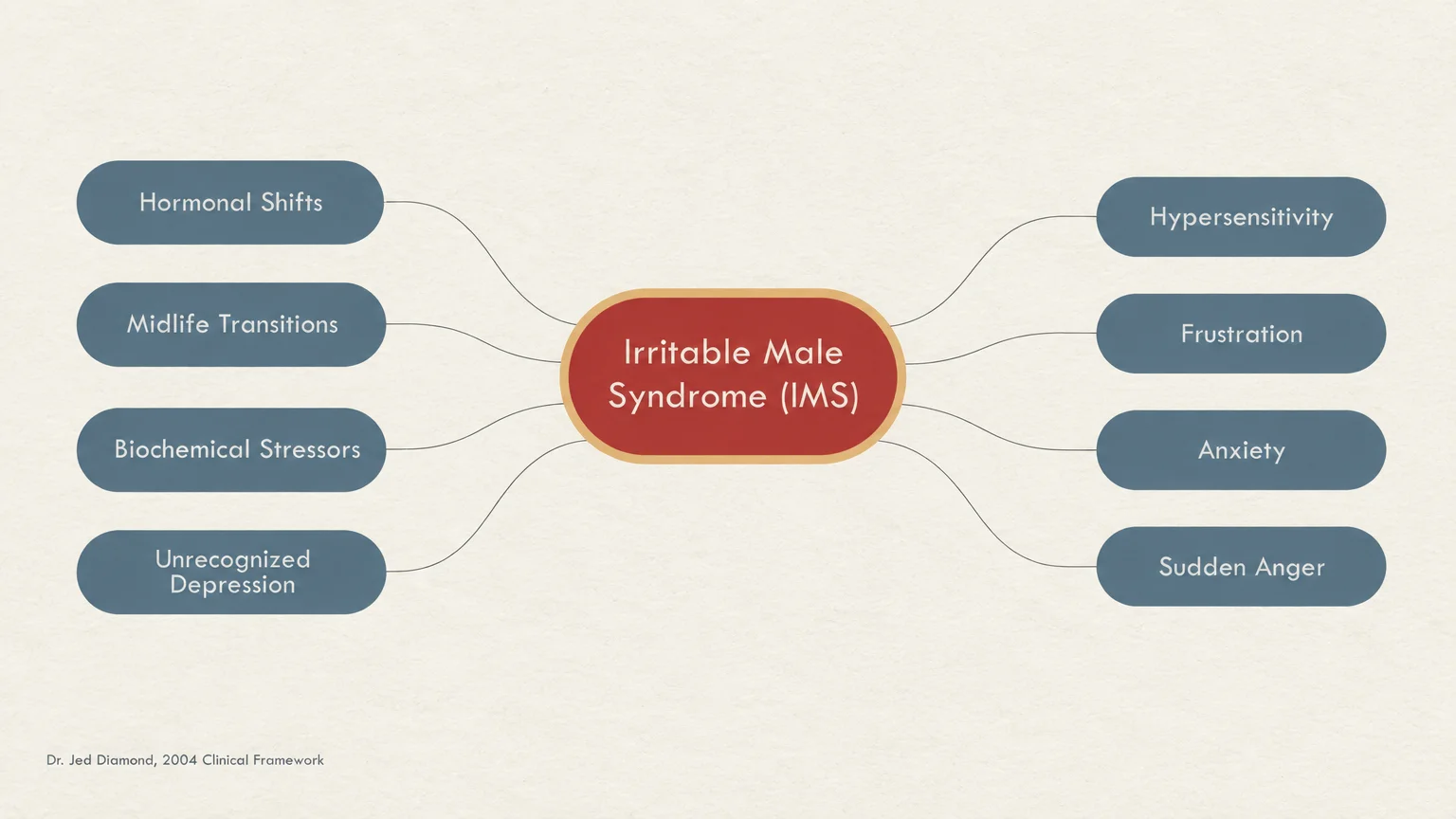
While “miserable husband syndrome” is a colloquial term, the underlying behavioral phenomenon carries established clinical backing. In 2004, psychotherapist Dr. Jed Diamond formalized this condition as Irritable Male Syndrome (IMS).
Diamond identified IMS as a state of hypersensitivity, frustration, anxiety, and sudden anger. It frequently afflicts men navigating midlife transitions, biological decline, and unresolved biochemical stressors.
Rather than expressing sadness, many men exhibit midlife husband mood changes through chronic pessimism. Understanding this distinction prevents you from internalizing your spouse’s brooding temperament as your fault.
When men hit midlife, a convergence of physiological shifts and psychological pressures alters their baseline emotional stability. Recognizing these symptoms of MHS enables both partners to address the root issue constructively.
1. Persistent Irritability and Hair-Trigger Reactivity
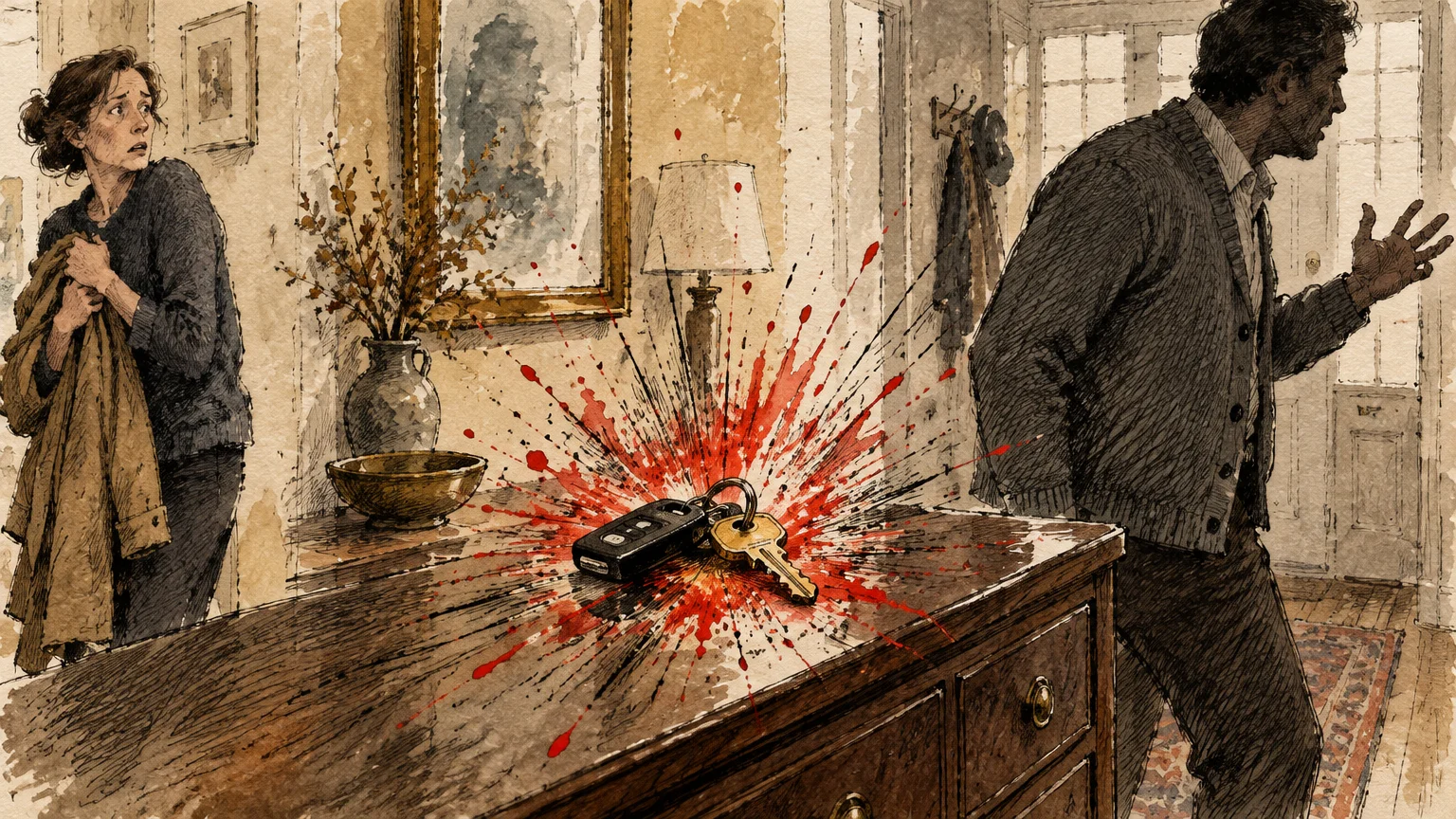
A classic hallmark of this syndrome involves an abrupt, disproportionate reaction to minor household disruptions. A misplaced set of keys or a delayed dinner can trigger a sudden verbal eruption.
You may find yourself monitoring your words and walking carefully around his unpredictable temperament. This chronic state of hypervigilance signals that his emotional regulation has broken down.
According to the National Institute of Mental Health, men experiencing depressive episodes frequently display irritability and anger rather than typical melancholic sadness.
His outbursts rarely reflect the actual situation in front of him. Instead, these reactions represent displaced frustration over an internal sense of lost control and mounting vulnerability.

2. Chronic Emotional Withdrawal and Stonewalling
Alongside sudden flares of temper, an affected husband often retreats into prolonged, chilling silence. He may physically occupy the living room while remaining completely inaccessible emotionally.
Simple queries about his day encounter monosyllabic grunts, dismissive shrugs, or immediate departure into another room. This barrier leaves you feeling isolated within your own marriage.
Psychologists refer to this behavior as stonewalling, a devastating pattern that shuts down relational repair. Over time, his refusal to engage dismantles intimacy and halts collaborative problem-solving.
This withdrawal serves as a maladaptive defense mechanism. When overwhelmed by internal distress, he erects an impenetrable wall to avoid dealing with uncomfortable conversations.
3. Externalizing Blame and Chronic Defensiveness
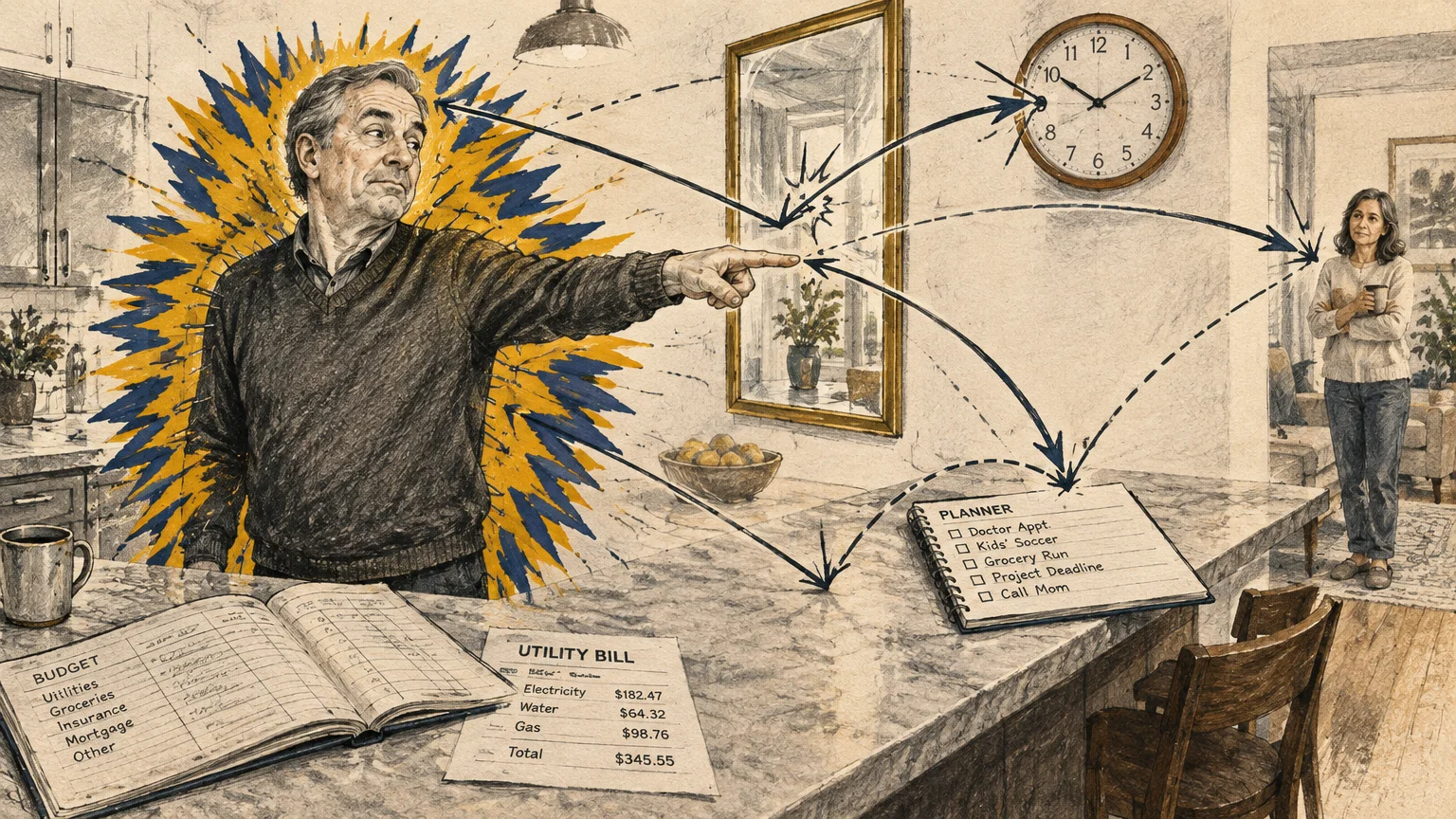
A man wrestling with signs of male midlife crisis irritability often refuses to accept personal accountability. He reflexively shifts the blame for his unhappiness onto his spouse, his employer, or external circumstances.
If financial pressure mounts, he accuses you of overspending. If his career stalls, he claims family demands held him back from achieving his true ambitions.
The American Psychological Association emphasizes that societal conditioning often compels men to externalize vulnerability as outward aggression rather than self-reflection.
By casting himself as the perpetual victim of external demands, he avoids confronting his personal deficits. This defensive stance makes calm, mutual negotiation nearly impossible without firm interpersonal boundaries.

4. Anhedonia and the Total Loss of Daily Joy
Another unmistakable indicator is anhedonia—the complete inability to experience pleasure from previously cherished activities. Hobbies, family gatherings, social outings, and intimate moments lose their appeal.
He may abandon golf, woodworking, or weekend travel, opting instead to stare blankly at television screens or digital devices. His conversational tone turns flat, monotonous, and persistently dismissive.
When you suggest enjoyable activities, he dismisses them as exhausting chores or pointless wastes of money. His persistent inability to find joy casts an inescapable dark shadow across your shared environment.
This emotional flattening is not merely boredom; it is a primary physiological indicator of clinical depression. His brain struggles to produce adequate dopamine, robbing him of anticipation and satisfaction.
5. Weaponized Sarcasm and Subtle Contempt
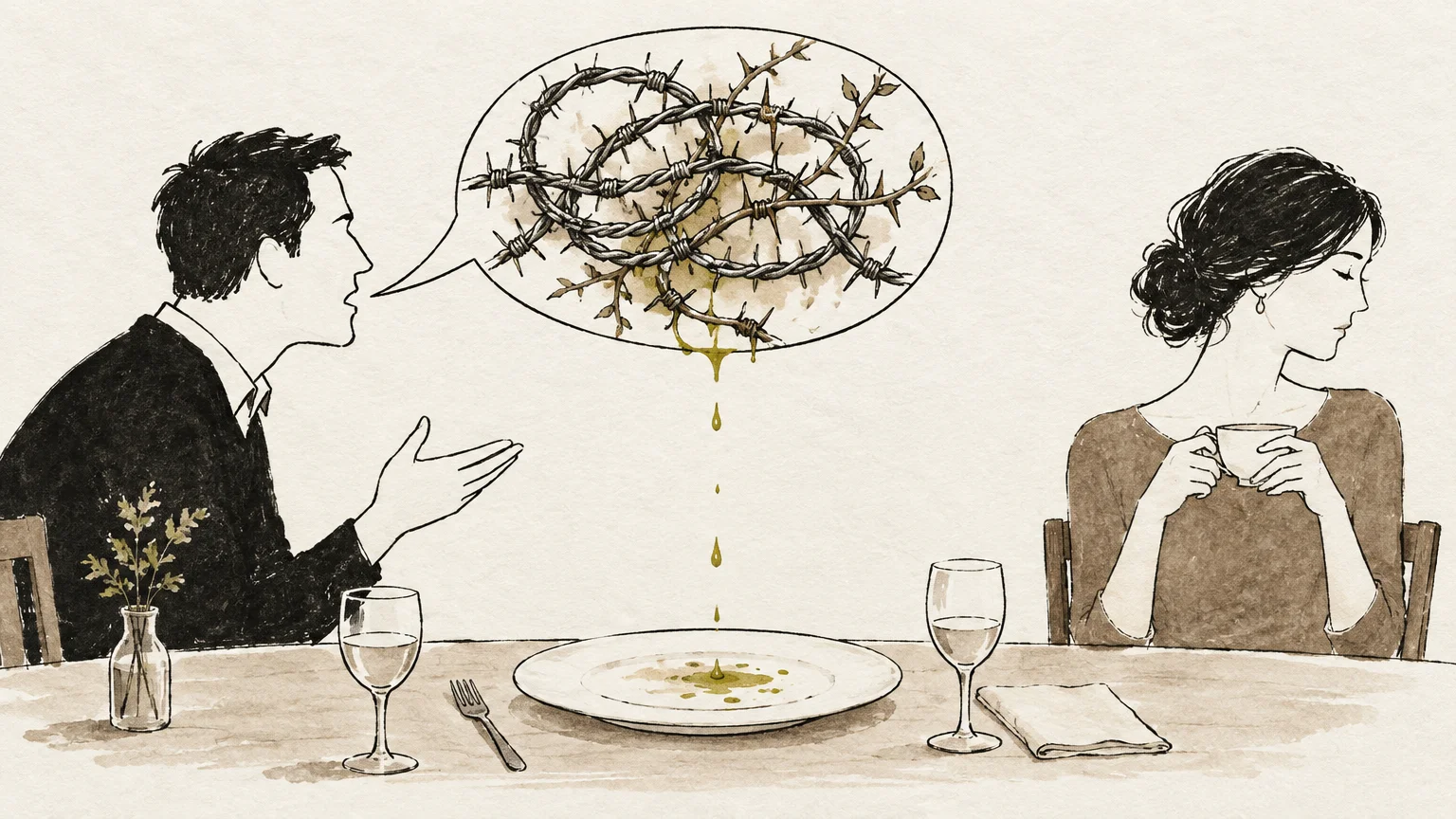
Miserable husband syndrome often manifests as sharp, biting humor designed to undermine your confidence. He disguises cutting remarks as harmless teasing, only to label you oversensitive when you object.
You may observe chronic eye-rolling, sneering, or patronizing critiques regarding your decisions, appearance, or opinions. These subtle acts of hostility erode mutual respect far faster than overt arguments.
Contempt corrodes marital foundations because it communicates moral superiority and disdain. Renowned marital researchers identify contempt as the single strongest behavioral predictor of eventual relationship dissolution.
When contempt becomes his default communicative style, it reveals deep-seated bitterness. He vents unexpressed internal pain by cutting down the person closest to him.

6. Physical Lethargy Paired with Restless Discontent
You might notice a jarring contradiction between his physical sluggishness and an internal, frantic restlessness. He complains constantly of chronic fatigue yet struggles with persistent insomnia and nighttime agitation.
He may pace the house, fixate on impulsive purchases, or daydream aloud about abandoning his responsibilities. He craves a total escape from his current reality without knowing what he actually wants.
This restlessness stems from a frantic realization that time is moving forward rapidly. He feels trapped by routine, aging, and career plateaus, producing intense internal panic.
His exhaustion is genuine, yet his agitated mind refuses to let him rest peacefully. This volatile combination leaves him perpetually drained, touchy, and dissatisfied with everyday life.
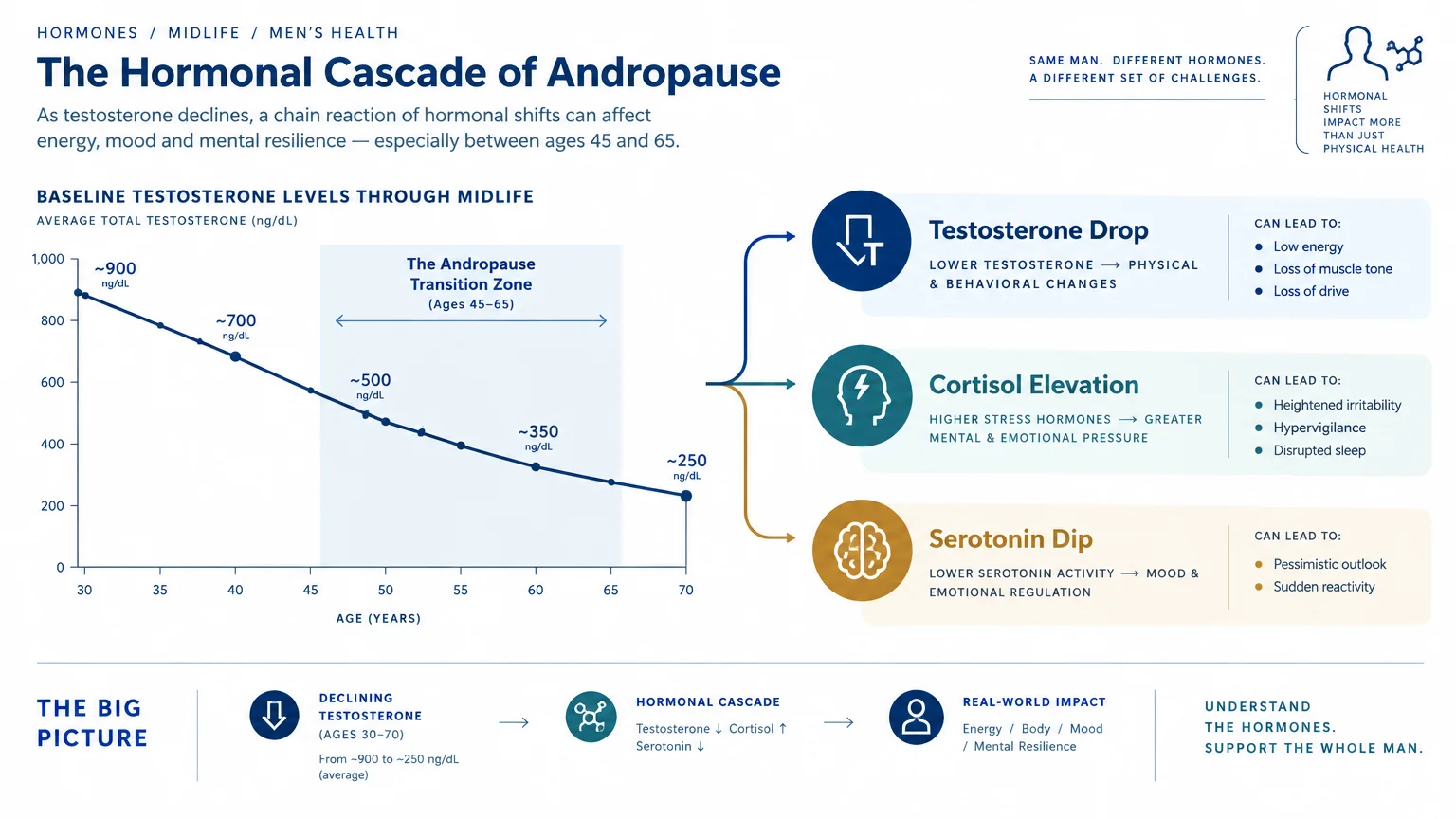
The Biological Driver: Hormonal Shifts and Testosterone Decline
While psychological stressors play a major role, biological transformations often initiate irritability in older men. The gradual physical decline of midlife alters brain chemistry and emotional equilibrium.
Beginning around age 30 to 40, a man’s testosterone levels decrease naturally by approximately 1% per year. Research from Harvard Health Publishing demonstrates how this subtle decline gradually impacts mood, sleep, and vitality.
The American Urological Association sets the clinical threshold for hypogonadism at a total testosterone level below 300 nanograms per deciliter (ng/dL). Men below this threshold frequently experience severe lethargy and uncharacteristic grumpiness.
Declining testosterone also disrupts sleep architecture and elevates cortisol levels. When chronic exhaustion collides with hormonal deficiency, emotional regulation becomes nearly impossible for him to sustain on willpower alone.
Before assuming his hostility reflects purely emotional problems, encourage a thorough physical exam. Simple blood panels can uncover reversible biochemical drivers that fuel his daily misery.

The High Cost of Inaction: The Gray Divorce Phenomenon
Ignoring these chronic mood changes carries serious long-term consequences for older marriages. When left unaddressed, years of hostility and emotional neglect culminate in marital collapse.
Demographic research by the Pew Research Center reveals that the divorce rate for adults aged 50 and older doubled between 1990 and 2010. For adults aged 65 and older, that rate roughly tripled.
Sociological analyses by Susan L. Brown and I-Fen Lin demonstrate that late-life separations frequently stem from prolonged emotional disengagement rather than sudden infidelity. Spouses simply grow weary of carrying an embittered partner’s negativity.
Women often endure decades of emotional turbulence before deciding they cannot spend their retirement years walking on eggshells. Addressing these relational fractures early protects the future you both built.
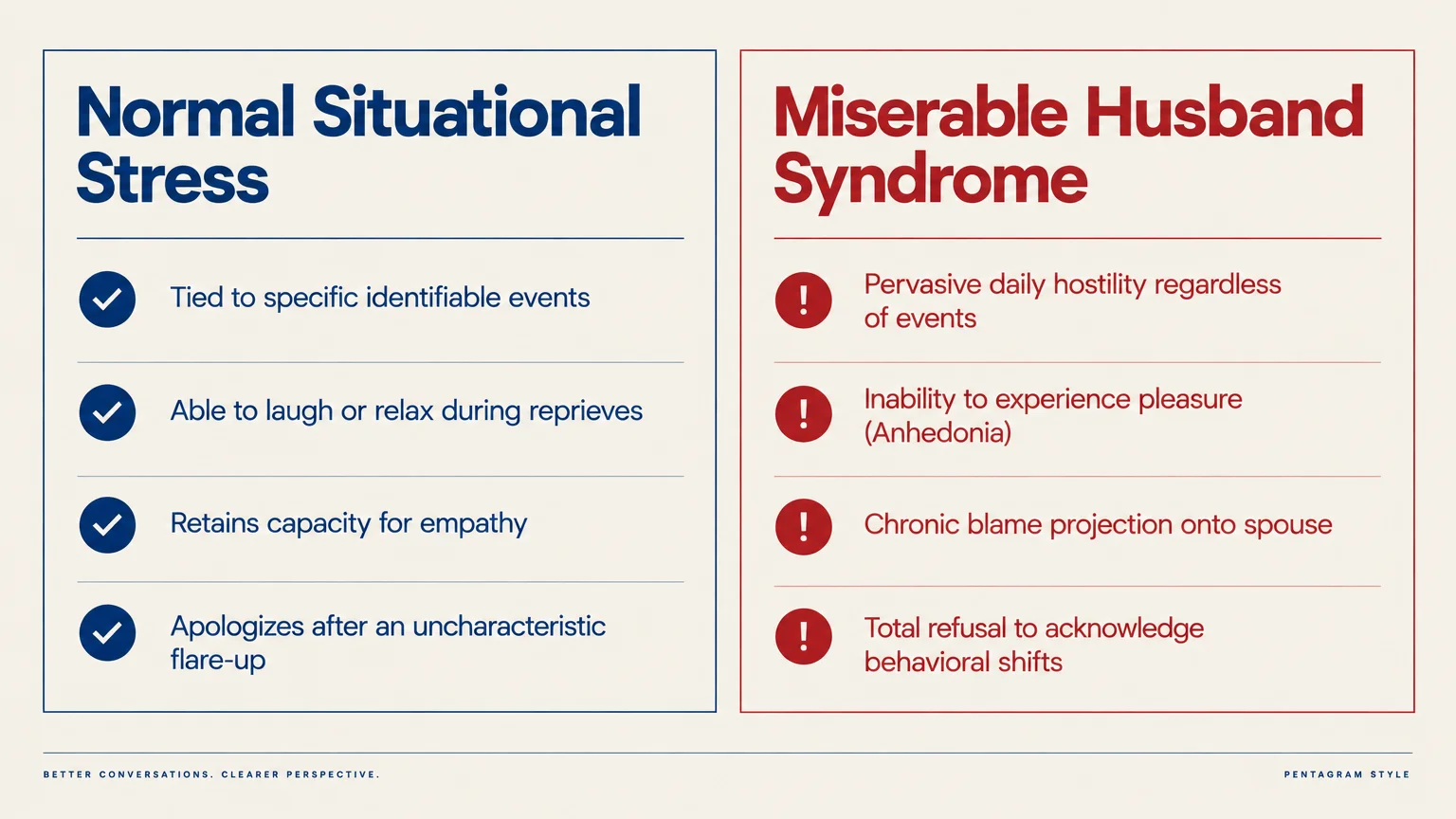
Checklist: Differentiating MHS from Normal Life Stress
Every relationship experiences challenging seasons of stress, grief, and exhaustion. Use this practical evaluation checklist to determine whether his behavior aligns with temporary tension or chronic syndrome symptoms:
- Duration: Has his sour temperament, pessimism, and hostility lasted longer than six consecutive months without relief?
- Disproportion: Does he unleash intense anger over trivial occurrences, like a traffic delay or misplaced household item?
- Pervasiveness: Has he abandoned previous hobbies, friendships, and shared family traditions to brood in isolation?
- Unilateral Blame: Does he hold you responsible for his personal dissatisfaction, professional obstacles, and negative emotions?
- Rejection of Repair: Does he consistently refuse your attempts to communicate gently, seek counseling, or consult a doctor?
If you checked three or more items, you are likely navigating chronic midlife behavioral dysfunction. Recognizing this pattern allows you to stop taking his foul moods personally.

Actionable Steps to Protect Your Peace and Set Boundaries
You cannot cure your husband’s misery, but you can alter how you react to it. Taking deliberate steps protects your mental health and forces him to confront his actions.
Start by refusing to absorb his displaced fury. When he begins an irrational tirade, disengage immediately and state calmly that you will discuss matters only when voices remain composed.
Establish clear conversational boundaries. You might say, “I hear that you feel frustrated, but I will not permit you to speak to me with contempt.”
Step away physically if he refuses to moderate his tone. Leaving the room deprives his outbursts of an audience and protects your nervous system from chronic fight-or-flight activation.
Reclaim your independent social life and personal interests. Spending joyful time with friends, adult children, and creative communities reminds you that his gloomy worldview is not your reality.
Stop over-functioning to compensate for his inertia. If he refuses to attend social events or schedule doctor appointments, allow him to experience the natural consequences of his passivity.

How to Encourage Him to Seek Medical and Psychological Help
Approaching an irritable man about therapy or hormone evaluation requires strategic timing. Never propose medical interventions during an active argument or emotional flare-up.
Choose a quiet, neutral moment when tension is low. Frame your observations around his physical comfort and vitality rather than his behavioral shortcomings.
Instead of saying, “You are impossible to live with,” try saying, “I notice how exhausted and stressed you feel lately, and I want you to feel strong again.”
Focus on concrete biological symptoms like sleep apnea, low energy, and physical stamina. Men often accept a medical visit to test hormone levels and blood work far more willingly than psychiatric therapy.
A comprehensive physical exam can assess thyroid function, vitamin D deficiencies, cardiovascular health, and free testosterone levels. Correcting nutritional and endocrine imbalances often creates the mental bandwidth needed for deeper emotional healing.
If he agrees to professional counseling, look for therapists who specialize in men’s midlife transitions. Clinicians experienced in male depression know how to bypass defensive anger and address core vulnerabilities.

When Grumpiness Becomes Emotional Abuse: Prioritizing Your Safety
There is a critical boundary between a struggling, grumpy spouse and an emotionally abusive partner. Understanding that line is essential for your long-term psychological and physical protection.
Miserable husband syndrome never excuses threats, financial deprivation, intimidation, or coercive control. If his behavior generates genuine fear or forces you to isolate from loved ones, it constitutes abuse.
You are never obligated to tolerate cruelty in the name of standing by a depressed spouse. Your safety, dignity, and sanity must remain your highest priorities.
If you experience domestic abuse, coercion, intimidation, or severe safety concerns, seek professional help immediately. You can reach the National Domestic Violence Hotline confidentially by calling 1-800-799-SAFE (7233) or texting “START” to 88788.
Trained advocates provide safety planning, objective support, and local resources without judgment. Never attempt to manage violent or escalating behavior on your own.

Navigating the Path Ahead with Clarity and Self-Respect
Living alongside a partner caught in midlife distress tests the strongest bonds. You cannot force a man to confront his depression or accept biological treatment if he insists on staying bitter.
Commit to clear boundaries and maintain your personal joy regardless of his daily disposition. Your life does not have to stall simply because he refuses to move forward.
If he acknowledges his distress and takes proactive steps toward medical and emotional health, transformation is entirely achievable. Many marriages emerge from midlife turbulence deeper, more resilient, and genuinely communicative.
However, if he rejects all help and continues inflicting hostility upon your household, remember that you have choices. You deserve a partnership defined by warmth, mutual respect, and reciprocal emotional care.









Leave a Reply