

Your inner monologue shapes how you perceive your worth, navigate intimacy, and make daily decisions. When an overly critical inner voice takes command of your mental narrative, it turns minor missteps into overwhelming personal failures and erodes your emotional resilience. Recognizing the subtle inner critic signs allows you to reclaim your confidence and build healthier, more secure connections with the people you love. Rather than accepting negative self-talk signs as immutable truths, you can learn to identify this hyper-vigilant internal judge and dial down its volume. By auditing your internal dialogue, you protect your self-esteem, improve your communication with your partner, and cultivate a deeper sense of emotional peace every day.
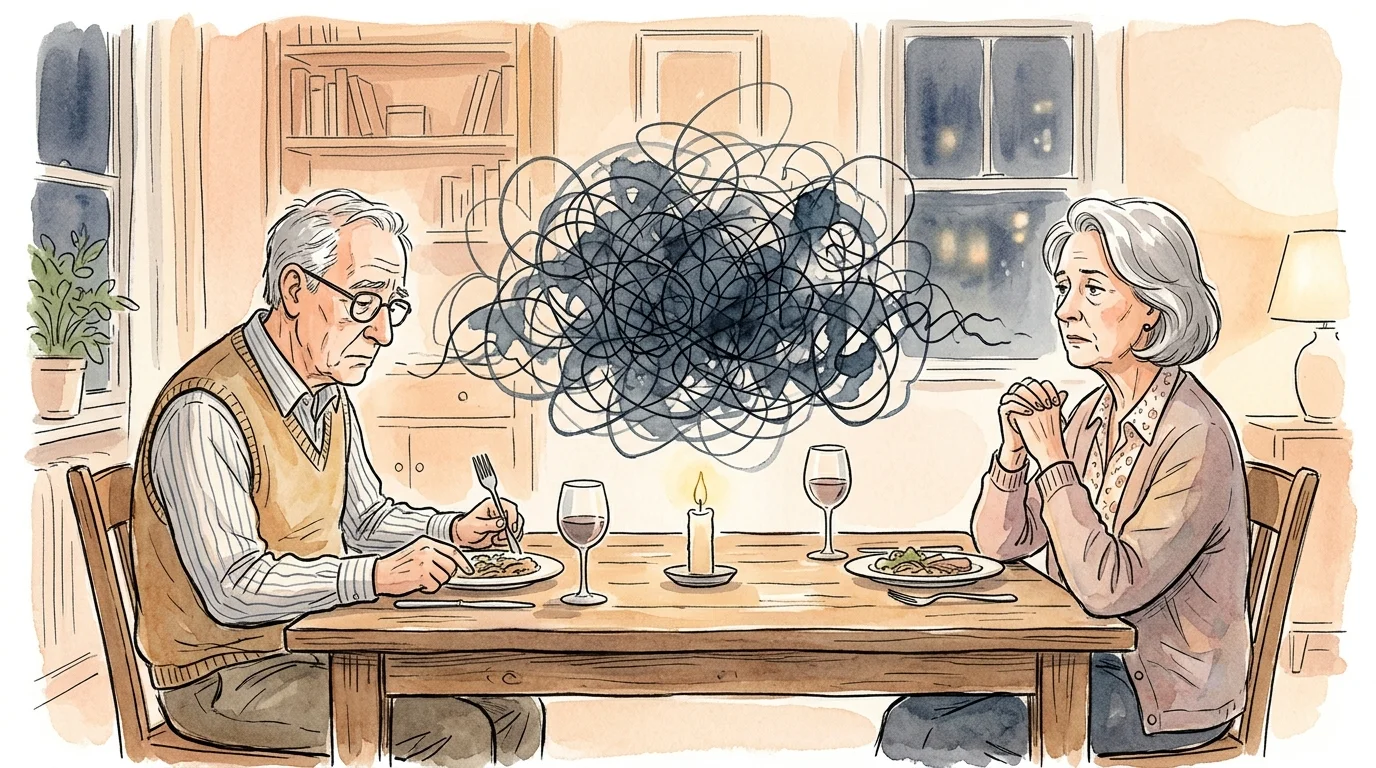
How Harsh Self-Criticism Disrupts Your Emotional Well-Being
Every person carries an ongoing internal narration that evaluates choices, reflects on daily experiences, and monitors social interactions. When this internal dialogue operates constructively, it functions like a wise mentor—offering thoughtful course corrections and encouraging steady personal growth. However, when signs of harsh self-criticism dominate your mental landscape, that supportive mentor transforms into a relentless antagonist. Clinical research documented by the American Psychological Association indicates that chronic negative self-talk correlates strongly with elevated anxiety, depressive symptoms, and diminished life satisfaction over time.
In intimate relationships, an active internal judge creates invisible barriers between you and your partner. You might project your self-doubt onto your loved one, assuming they view you with the same hyper-critical lens you apply to yourself. When your brain constantly signals that you are inadequate, receiving genuine affection becomes difficult; you may dismiss warm gestures, misinterpret harmless comments, or anticipate rejection where none exists. Furthermore, mental health insights from Harvard Health highlight how persistent cognitive stress alters your emotional regulation pathways, making you far more prone to defensive outbursts or sudden emotional withdrawal during relationship conflicts. Understanding how this dialogue operates is the foundational step toward restoring your emotional balance and deepening your bond with others.

1. You Second-Guess Every Decisive Moment
Chronic indecision often acts as a protective reflex against potential failure. When your internal narrative continuously warns you that a single mistake will expose your underlying flaws, making choices—even small, routine ones—feels like navigating a high-stakes scenario. You might spend thirty minutes drafting a simple text message to a new dating partner, editing every word to ensure you do not sound overly eager, needy, or awkward. In established marriages or long-term partnerships, this dynamic presents as a constant reliance on your spouse to choose dinner spots, plan vacations, or handle financial decisions because you fear bearing the blame if things turn out poorly.
This endless hesitation drains your mental energy and steadily erodes your self-trust. When you refuse to back your own judgment, you signal to your subconscious that your instincts are fundamentally unreliable. Over time, this creates a frustrating cycle: the less you trust your choices, the louder your internal antagonist becomes, convincing you that independent action is inherently dangerous.

2. Perfectionism Paralyzes Your Progress and Partnerships
Perfectionism is rarely about pursuing high standards; it functions primarily as a defense mechanism against emotional vulnerability and shame. If you believe that flawless performance protects you from rejection or criticism, any minor imperfection feels like a personal disaster. When an overly critical inner voice sets impossible standards, you may procrastinate on personal goals or avoid crucial relationship discussions because you cannot guarantee a flawless outcome.
Research led by self-compassion expert Dr. Kristin Neff, accessible through Self-Compassion.org, demonstrates that severe self-criticism destroys intrinsic motivation and heightens fear of failure, whereas self-compassion fosters long-term resilience and emotional stability. Within romantic partnerships, perfectionism creates friction. You may project your impossible standards onto your partner—becoming hyper-focused on their small flaws—or hold yourself to such an exacting standard that you become exhausted, anxious, and emotionally distant.

3. You Assume Others Are Judging You Harshly
Psychologists frequently study the “spotlight effect”—a cognitive bias where individuals drastically overestimate how much other people notice their minor flaws, social slip-ups, or physical appearance. When your mental internal narration constantly critiques your behavior, you naturally project that internal harshness onto the people in your life. You might enter a social gathering and immediately assume that colleagues are analyzing your outfit, or you might finish a first date convinced that the other person dissected every phrase you spoke.
In romantic relationships, this assumption damages mutual trust and destroys emotional safety. You might misinterpret your partner’s quiet moment or tired expression as secret annoyance with you, asking repeatedly, “Are you upset with me?” or “Did I do something wrong?” This habit places a heavy burden on your partner, who must continuously offer reassurance, while preventing you from feeling genuinely loved and accepted for who you are.

4. Compliments Make You Feel Uncomfortable or Deceitful
Consider how you react when your partner, friend, or supervisor offers sincere praise. If your immediate reaction is to deflect, minimize, or argue against the compliment, your internal filter is actively discarding positive feedback to protect its negative self-narrative. You might respond to a compliment on your appearance by highlighting a physical flaw, or you might dismiss praise for a complex project by asserting that you simply got lucky.
This pattern aligns closely with the imposter phenomenon. When someone offers warm affection or genuine admiration, but your internal dialogue insists that you are flawed, an uncomfortable tension arises. To relieve that discomfort, you push the praise away, which inadvertently signals to your partner that their perspective is inaccurate or untrustworthy. Accepting praise requires allowing positive evidence into your self-concept—a practice that directly weakens an entrenched internal judge.
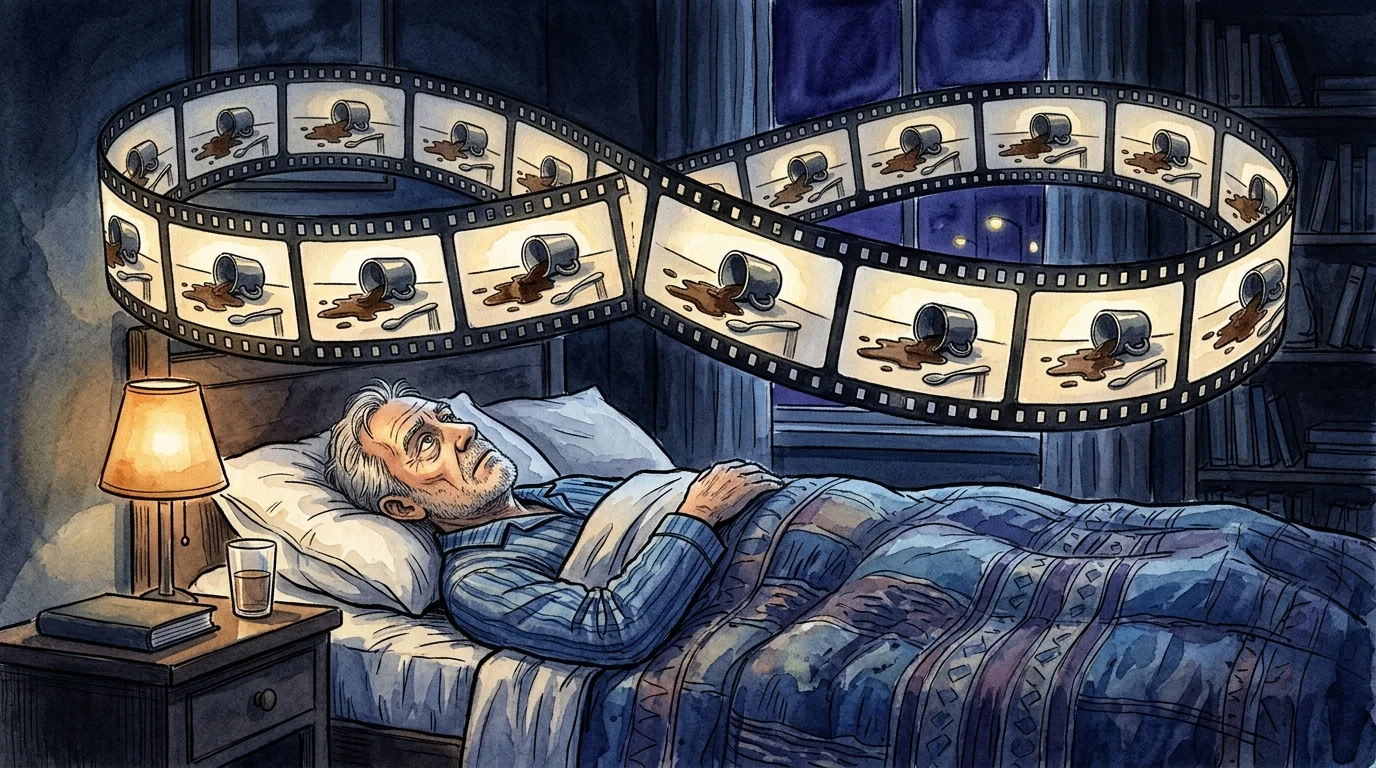
5. You Replay Past Mistakes Like an Unending Loop
Mental rumination involves obsessively reviewing past events, overanalyzing what went wrong, and punishing yourself for the outcome. You might lie awake at night cringing over an awkward joke you made years ago, or endlessly dissecting an argument with a former partner. While healthy self-reflection focuses on learning and growth, rumination serves only to humiliate you and maintain high stress levels.
This mental habit keeps emotional wounds fresh and prevents you from engaging fully in the present moment. In dating or marriage, chronic rumination brings past baggage directly into your current relationship. If you continuously replay past betrayals or personal errors, you may act guarded, suspicious, or excessively defensive around a current partner who has demonstrated complete loyalty and trustworthiness.

6. You Apologize Constantly for Existing
Take notice of how frequently you say “I’m sorry” throughout a regular day. Do you apologize when someone else bumps into you in a hallway? Do you introduce routine questions with “Sorry to bother you, but…”? Do you apologize for having normal emotional reactions, expressing reasonable preferences, or simply taking up space? Frequent over-apologizing operates as a subtle safety behavior designed to pre-emptively neutralize potential criticism or conflict.
When you apologize for basic human needs, you reinforce an internal belief that your presence is an inconvenience to others. In relationship dynamics, constant apologizing skews the balance of equality. It often leaves your partner feeling perplexed or emotionally fatigued, as they must repeatedly reassure you that you have committed no offense. Authentic accountability builds trust, but reflexively apologizing for existing weakens your self-respect and dynamic standing.
7. You Measure Your Real Life Against Highlight Reels
Social comparison theory explains that humans naturally gauge their personal worth by measuring themselves against peers. However, when an overly critical inner voice drives this process, comparison becomes harmful. You end up comparing your messy, private reality—complete with personal doubts, bad days, and relationship friction—to the polished, curated highlight reels displayed by colleagues and social media acquaintances.
When you see a seemingly serene couple online, your internal voice quickly uses that image as proof of your own deficiencies. You might think, “They never struggle, while my relationship is complicated,” or “They have life figured out, and I am falling behind.” This unfair comparison ignores the basic truth that every person experiences private struggles, relationship challenges, and moments of deep insecurity behind closed doors.
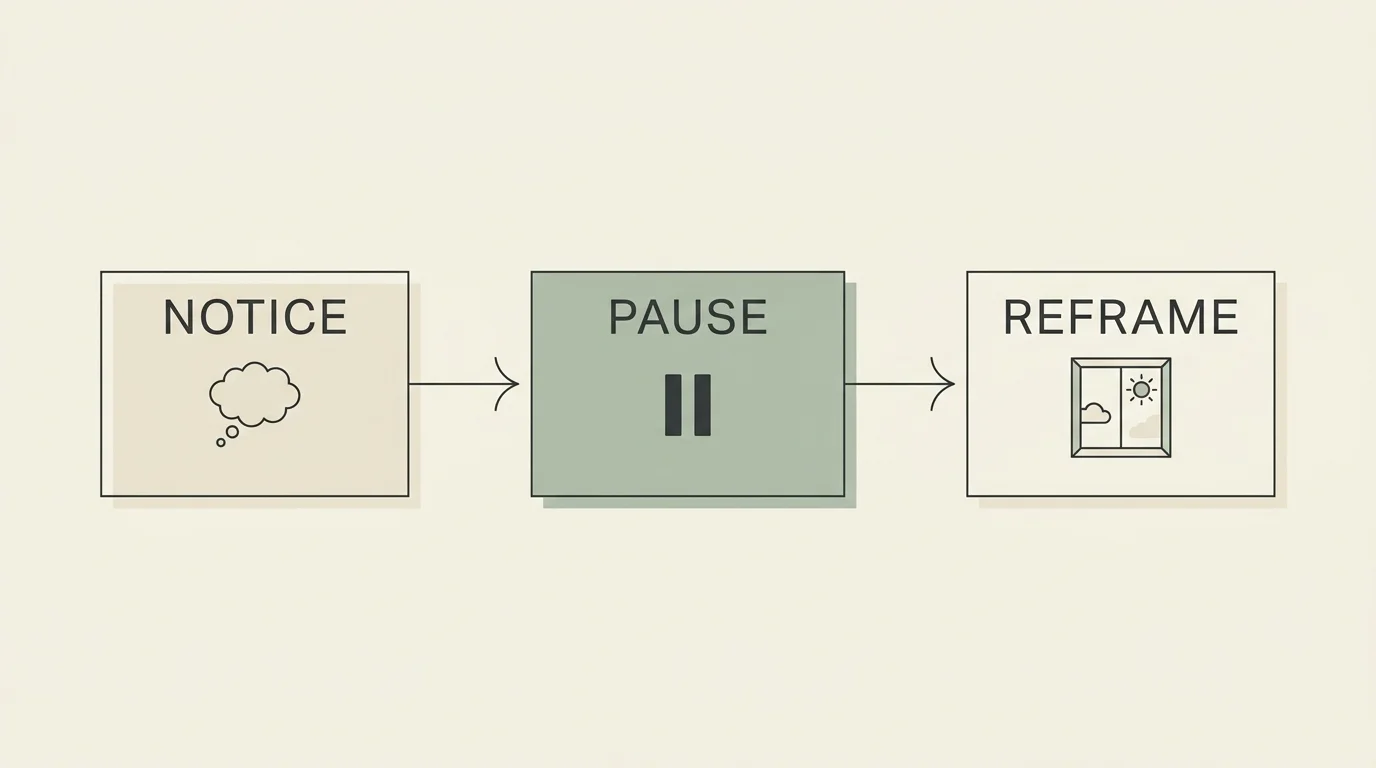
Actionable Framework for Quieting Your Inner Critic
Quieting your inner critic requires practical, deliberate steps rather than sheer willpower. You cannot eliminate negative thoughts overnight, but you can systematically change how you relate to them when they surface. Use this actionable framework to reshape your internal commentary and build emotional peace:
- Externalize the Internal Voice: Assign your internal critic a distinct, separate persona—such as “The Harsh Inspector” or “The Worry Monster.” When critical thoughts begin, acknowledge them without ownership by saying, “The Harsh Inspector is speaking right now, but I do not need to accept its conclusions.”
- Interrogate the Evidence: Treat negative thoughts as unproven claims rather than established facts. Ask yourself: What concrete evidence supports this criticism? What objective facts contradict it? What would a fair, neutral observer say about this situation?
- Apply the Best Friend Standard: Notice the tone and language you use during personal setbacks. Ask if you would ever speak to a close friend or partner using those exact phrases; if the words feel too cruel for someone you love, refuse to direct them at yourself.
- Maintain an Evidence Log: Keep a dedicated folder on your phone or in a journal to record sincere compliments, positive feedback, and personal achievements. When your internal narrative insists that you are failing, review these tangible receipts to reset your mental baseline.
- Shift from Punishment to Curiosity: Replace punitive thoughts like “Why do I always mess up?” with constructive, curious inquiries such as “What can I learn from this experience?” or “What resources do I need right now to manage this effectively?”

Navigating Deep-Seated Self-Criticism and Seeking Support
For many adults, an intense internal critic is not merely a bad habit; it represents a learned protective mechanism developed during childhood, past emotional distress, or former abusive dynamics. If you grew up in an environment where approval was unpredictable or criticism was harsh, your mind may have created a hyper-vigilant internal voice to anticipate flaws and protect you from external rejection. While this strategy served a purpose in the past, it now limits your capacity for joy and intimate connection.
If your internal narrative creates overwhelming anxiety, persistent low mood, or ongoing difficulties in your relationships, working with a licensed mental health professional offers powerful relief. Evidence-based therapeutic approaches—including Cognitive Behavioral Therapy, Acceptance and Commitment Therapy, and Compassion-Focused Therapy—provide clear tools to transform negative self-talk signs and build stable self-worth.
If you are experiencing severe emotional distress, relationship trauma, coercive control, or safety concerns, seeking specialized guidance is an essential act of self-care. Reach out to supportive organizations such as the National Alliance on Mental Illness (NAMI) for mental health support, or consult the National Domestic Violence Hotline for confidential help with abusive dynamics and safety planning. Working with professional resources empowers you to quiet your inner critic, protect your boundaries, and build relationships anchored in mutual respect and authentic peace.









Leave a Reply