
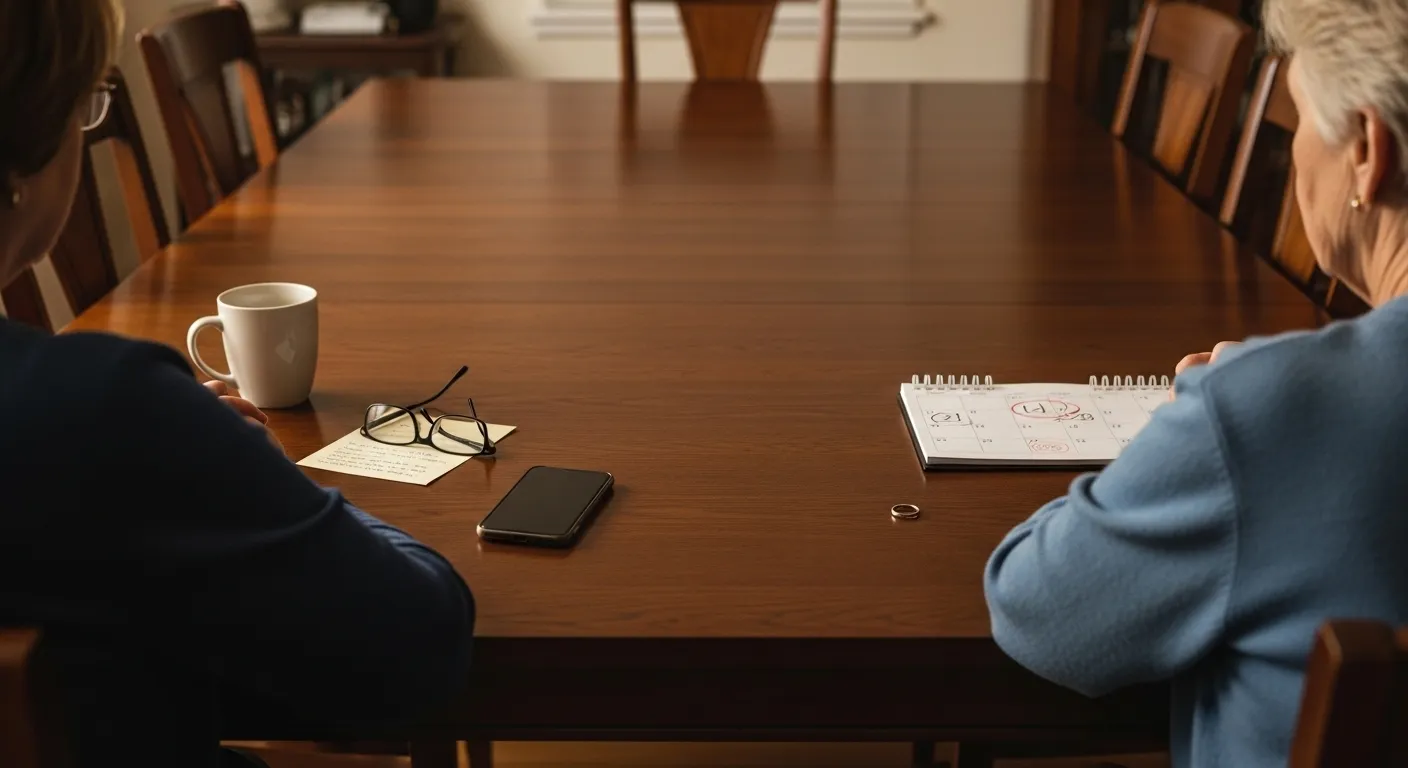
What is a ‘Gray Divorce’ and Why Is It Happening?
A “gray divorce” simply refers to a divorce that occurs later in life, typically after the age of 50 and often after a marriage of 20 years or more. The name itself reflects the stage of life, as couples may be graying, but the experience is anything but colorless. It’s a complex and often deeply emotional transition that reshapes family structures, financial futures, and personal identities.
Unlike divorces earlier in life, which are often triggered by acute conflicts or betrayals, the reasons for divorce in long-term marriages tend to be more nuanced. Researchers and therapists point to a confluence of societal shifts and personal evolutions. We are living longer, healthier lives than any generation before us. A 60-year-old today may reasonably expect to have 20 or 30 more active years ahead. The question then becomes: how do I want to spend that precious time? This “longevity bonus” has changed the calculus of commitment. Staying in an unfulfilling or lonely marriage feels like a much bigger sacrifice when you’re facing decades, not just a few years, of quiet dissatisfaction.
Furthermore, the social stigma once attached to divorce has significantly faded. Women, in particular, often have greater financial independence than their mothers or grandmothers did, giving them more agency to leave unhappy partnerships. The focus of modern life has also shifted from pure survival and duty to a culture that champions personal fulfillment and happiness. This isn’t a sign of selfishness; it’s a reflection of a deep human need to feel seen, valued, and alive. For many, a later-in-life divorce is not an ending but a courageous, if painful, attempt at a new beginning.









Leave a Reply