
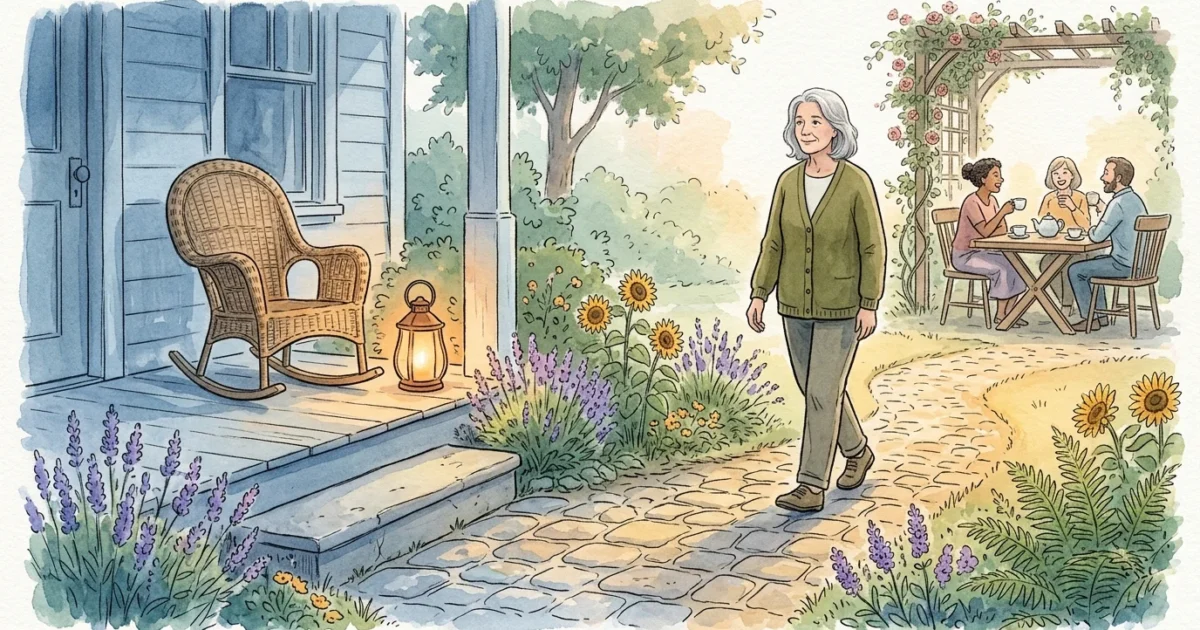
Rebuilding your social life after losing a spouse requires gentle intentionality, but you can create a fulfilling second chapter on your own timeline. Losing a life partner shifts your daily rhythm and disrupts shared friendships, leaving an empty space that requires careful, active repair. According to the U.S. Census Bureau, nearly 12 million widowed adults in the United States face this exact transition today. While coping with loneliness after loss feels overwhelming initially, thousands of retirees successfully cultivate deep support networks and vibrant daily routines. By taking small, low-pressure steps, you can expand your community, honor your grief, and discover meaningful new connections that sustain your health and emotional well-being.
1. Joining Grief-Informed Peer Support Networks
When you navigate bereavement, talking with people who understand your exact pain accelerates healing. Traditional social gatherings can feel exhausting when you must maintain a brave face; grief-informed peer groups remove that pressure entirely. In these spaces, you do not need to explain your tears, quiet moments, or fluctuating energy levels.
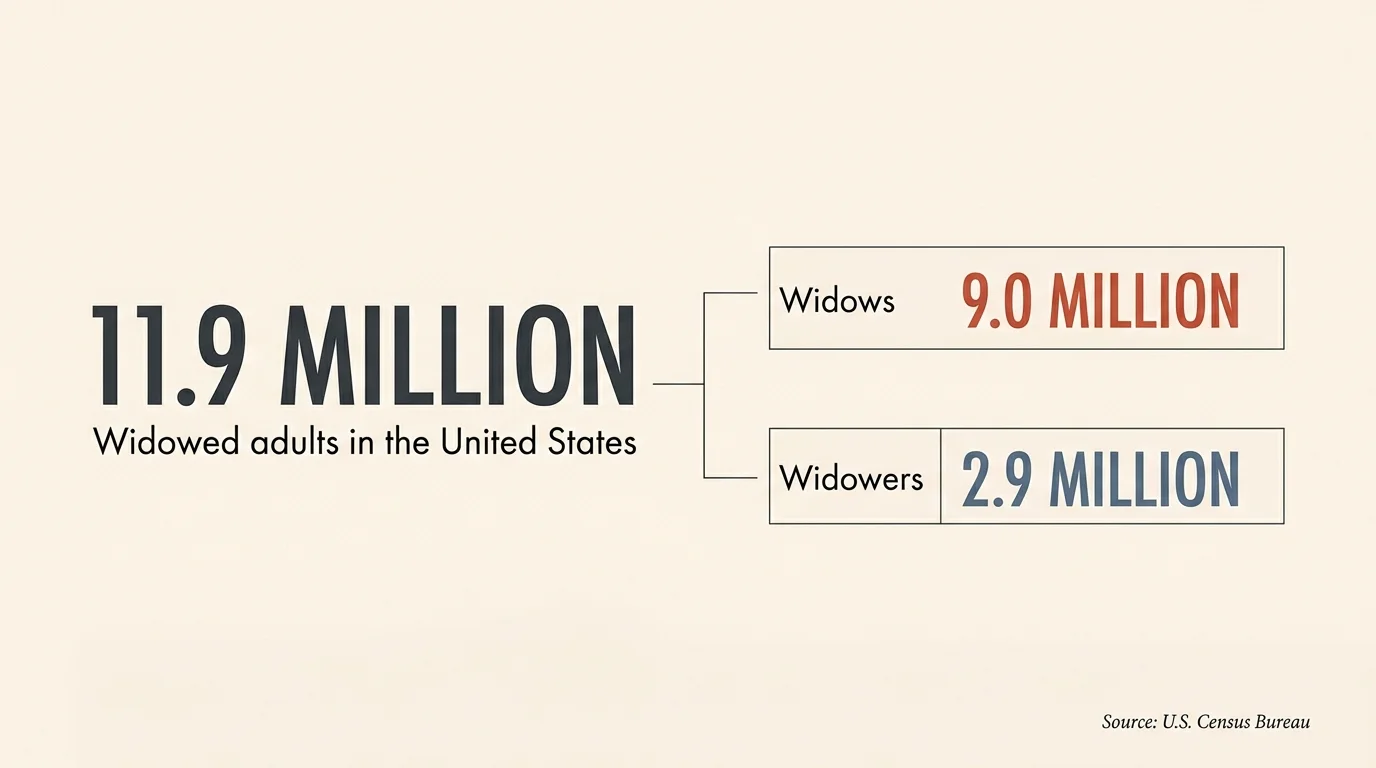
Demographic data from the U.S. Census Bureau reveals that approximately 11.9 million widowed adults live in the United States, including roughly 9 million widows and 2.9 million widowers. Because so many individuals share this journey, local communities offer diverse support options. Specialty grief circles focus on practical recovery, while informal widowhood coffee groups prioritize light companionship.
To find a group that fits your emotional readiness, consult resources provided by the National Institute on Aging guidance on coping with the loss of a spouse. Joining a peer circle allows you to talk freely about your late partner while gathering actionable advice from peers who have reconstructed their own daily lives.

2. Converting Personal Hobbies into Organized Community Connections
Shared activities offer the easiest path toward making friends after losing a spouse. Pursuing a hobby alongside others creates natural conversation starters; the activity absorbs awkward silences and removes the pressure of direct networking.
National survey data highlights both the challenges and opportunities of post-loss socialization. The National Poll on Healthy Aging, conducted by AARP and the University of Michigan, indicates that 34% to 41% of adults aged 50 to 80 report occasional feelings of loneliness. However, the same research demonstrates that widowed retirees frequently possess higher social resilience than their divorced or single peers when they actively lean into community groups.
Consider transforming your private passions into group experiences through local organizations:
- Gardening and Horticulture: Join a local community garden plot or master gardener association to swap seeds and cultivation tips.
- Crafting and Woodworking: Attend open-studio hours at community centers or join maker spaces that feature shared equipment.
- Outdoor Recreation: Sign up for gentle bird-watching walks, local historical walking tours, or recreational pickleball leagues designed for older adults.
- Literary Arts: Participate in genre-specific book clubs hosted by independent bookstores or local public libraries.

3. Utilizing Micro-Volunteering for Purpose-Driven Social Interaction
Volunteering shifts your internal focus outward, providing an immediate boost in daily purpose while connecting you with civic-minded peers. Rebuilding social life after widowhood becomes significantly easier when you share a clear, tangible goal with those around you.
The health benefits of staying connected are substantial. The landmark May 2023 U.S. Surgeon General’s Advisory on Social Connection warned that chronic isolation carries physical health risks equivalent to smoking up to 15 cigarettes daily. Furthermore, persistent loneliness raises your risk of heart disease, stroke, and cognitive decline—making consistent community engagement a vital form of preventive healthcare.
Start small with micro-volunteering opportunities that require only two to four hours per week. Local food pantries, animal shelters, historical societies, and youth literacy programs constantly seek reliable retiree volunteers. These structured environments give you predictable contact with regular team members without demanding long-term commitments.
4. Navigating Modern Senior Friendship and Dating Platforms Safely
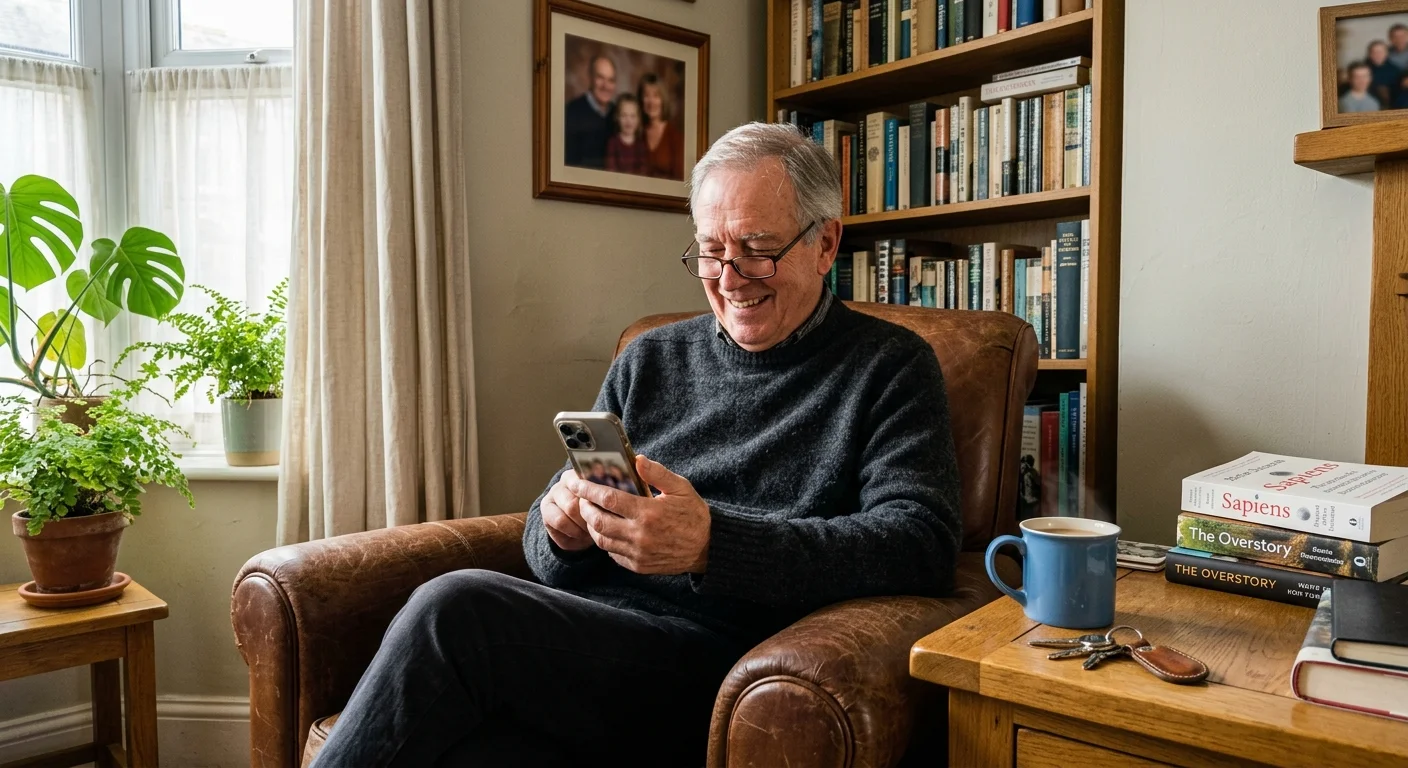
Digital technology has revolutionized how widowed retirees social support networks form. Platforms dedicated exclusively to mature adults allow you to expand your reach far beyond your immediate neighborhood, whether you seek platonic companions or romantic partners.
Specialized mobile applications and websites prioritize mature users. Platforms like Stitch focus on group outings and platonic friendships, while apps like Meetup host thousands of local, interest-based activity groups. If you eventually decide to explore dating, specialized senior dating platforms provide direct access to peers who understand late-in-life dating dynamics.
While digital tools open wonderful possibilities, maintaining digital safety remains critical. Before downloading new apps or creating online profiles, review the Federal Trade Commission safety guidelines on avoiding romance scams. Protect your emotional and financial security by adhering to these practical boundary rules:
- Always meet in public: Schedule your initial meetings at familiar, well-lit coffee shops or public parks during daylight hours.
- Protect personal finances: Never send money, gift cards, or financial details to anyone you meet online—regardless of their story or emergency.
- Inform a trusted contact: Tell a family member or close friend where you are going, who you are meeting, and when you plan to return home.
- Trust your instincts: Pause communication immediately if someone pressures you to leave a platform, asks invasive questions, or makes you uncomfortable.
5. Exploring Co-Housing and Shared Living Arrangements
Living alone after decades of marriage creates profound silent spaces in your home. According to U.S. Census Bureau data, approximately 28% of community-dwelling older adults—over 16 million people—live alone; for women aged 75 and older, that figure surpasses 40%.
Social isolation carries measurable societal costs. An landmark AARP Public Policy Institute Medicare financial impact study revealed that social disconnection among older adults drives an estimated $6.7 billion in additional Medicare spending each year, largely due to higher rates of emergency room visits and hospitalizations.
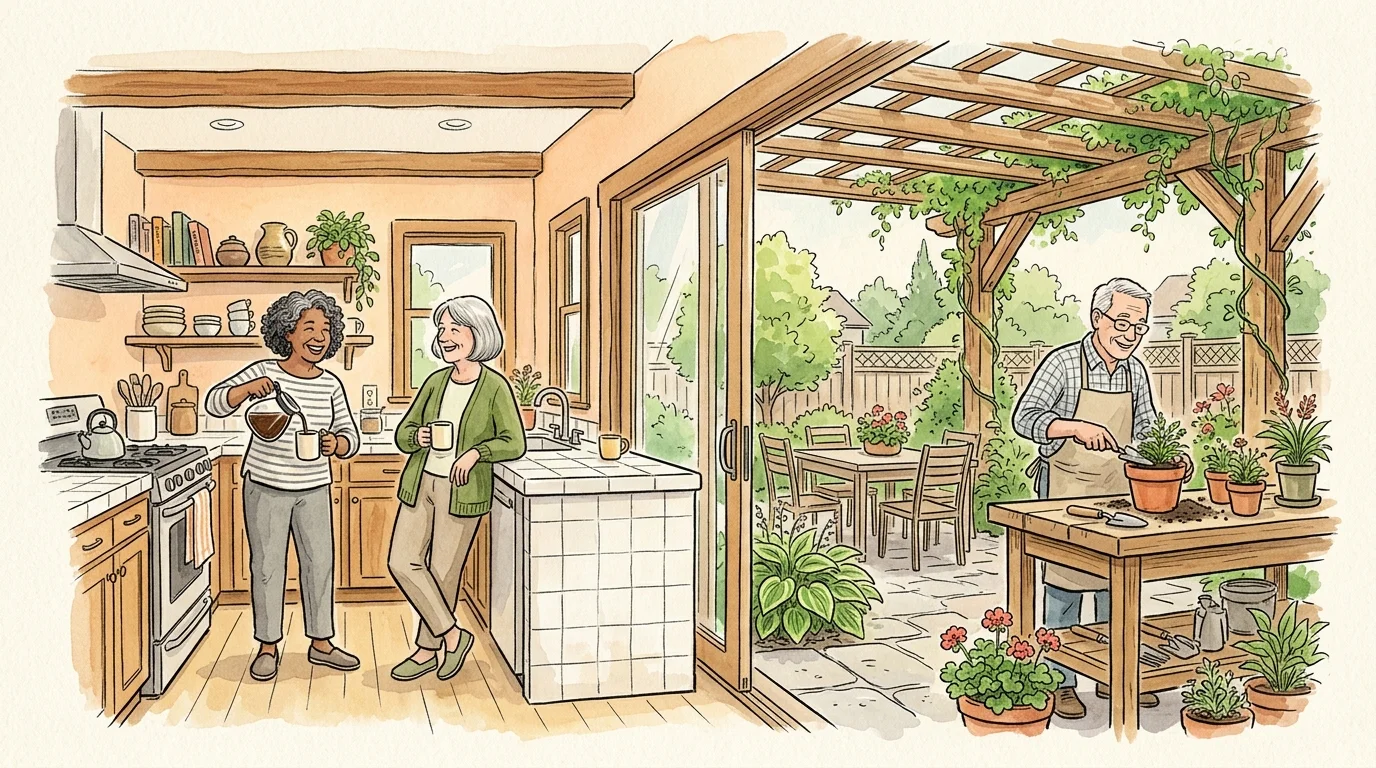
To combat empty-house syndrome, many widowed retirees choose home-sharing programs or co-housing communities. Matching services pair senior homeowners with vetted housemates, offering built-in companionship, shared household chores, and financial savings. Retaining a companion in the home restores low-stress background social connection, turning solitary evenings into comfortable shared living experiences.

6. Reconnecting Through Lifelong Learning and Academic Auditing
Enrolling in continuing education classes stimulates your cognitive vitality while surrounding you with curious, intellectually engaged peers. Higher education institutions across the country actively invite retirees onto their campuses through auditing programs and specialized institutes.
Osher Lifelong Learning Institutes (OLLI), located at over 120 universities across the United States, design non-credit courses specifically for adults aged 50 and older. These programs eliminate high-stakes exams and grades, leaving only pure learning and rich discussion. Auditing a course at a local community college allows you to interact with diverse age groups, offering dynamic cross-generational conversations that broaden your perspective.
7. Establishing Predictable Weekly Social Rhythms
When you experience loss, deciding what to do each day requires significant mental energy. Social life after widowhood flourishes when you replace spontaneous planning with predictable micro-routines that lower activation effort.
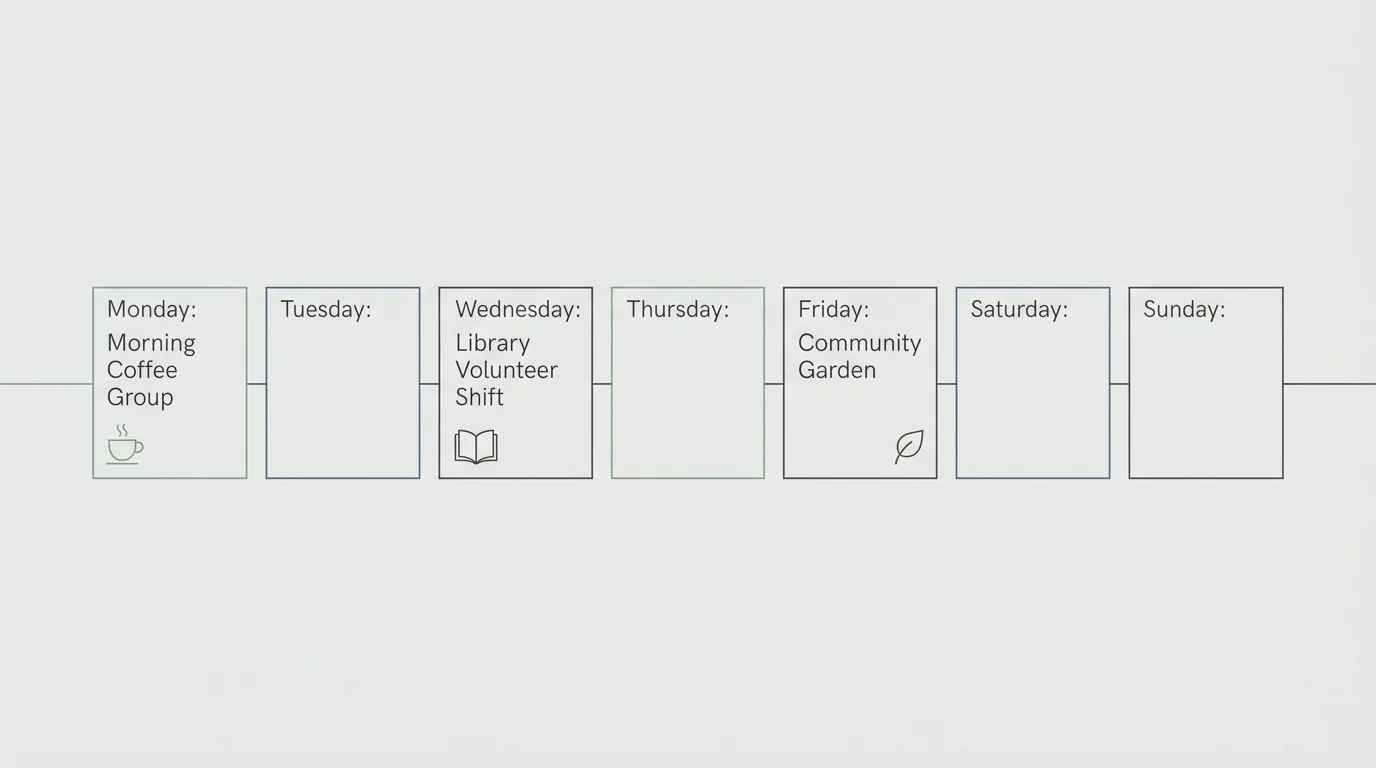
Establish “anchor events” throughout your week. An anchor event is a recurring, low-stakes commitment that takes place on the same day and time every week. Consider establishing routines like these:
- Visiting your neighborhood coffee shop every Tuesday at 10:00 AM to read or chat with staff.
- Joining a weekly Saturday morning walking group at a nearby county park.
- Reserving Thursday afternoons for open play at a local bridge or chess club.
- Scheduling a standing Sunday evening phone call with a sibling or long-distance friend.
Predictable rhythms eliminate decision fatigue. When social contact built into your calendar becomes automatic, coping with loneliness after loss becomes vastly more manageable.
Actionable Steps to Rebuild Your Social Network This Month
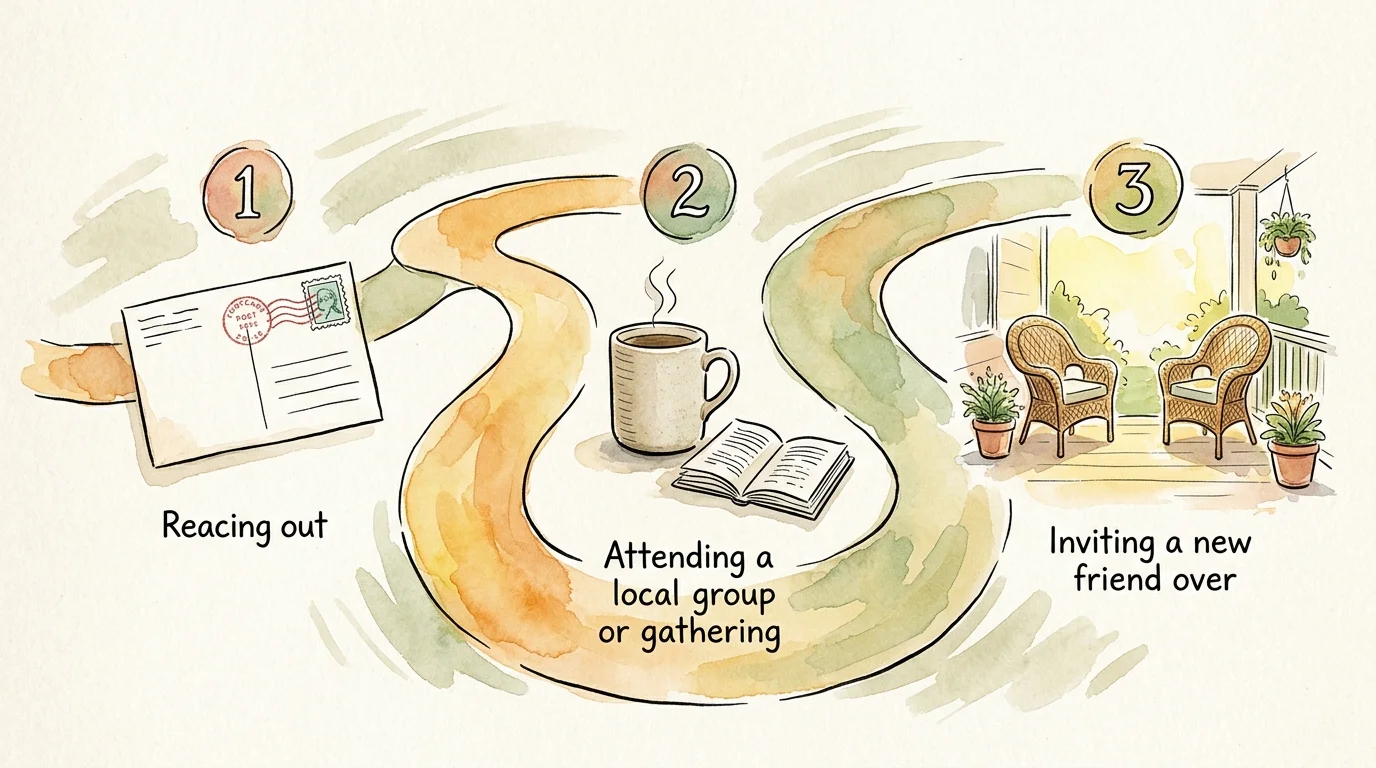
Re-entering the social sphere does not happen overnight; systematic, manageable steps yield the best long-term results. Use this practical monthly checklist to guide your progress without feeling overwhelmed:
- Week 1: Assess Your Readiness and Energy: Identify the types of interaction you feel ready for today (e.g., quiet one-on-one visits versus active group events). Write down three hobbies you enjoy.
- Week 2: Research Local Outlets: Locate one local grief support group, one community center calendar, and one volunteer organization in your neighborhood.
- Week 3: Make Initial Contact: Attend a single support meeting or send an inquiry email to a local volunteer coordinator. Set low expectations; view your first visit purely as an exploration.
- Week 4: Establish One Weekly Anchor: Commit to one regular weekly outing that places you around other people, whether it is a art class, a walking group, or a weekly cafe visit.

Prioritizing Your Mental Health and Personal Safety
While expanding your social horizon offers deep rewards, honor your internal pace throughout this transition. Feeling sad, exhausted, or protective of your time is a normal part of processing loss. Never force yourself into high-energy social settings before you feel emotionally ready.
If you experience persistent severe distress, prolonged depression, severe sleep disturbances, or thoughts of self-harm, reach out for professional mental health assistance immediately. Resources like the 988 Suicide & Crisis Lifeline offer free, confidential support 24/7. Additionally, if you encounter boundary violations, financial coercion, or safety risks while making new acquaintances, remove yourself from the situation and consult trusted family members or local professional services right away.









Leave a Reply