
Thriving partnerships do not happen by accident; they require intentional daily habits and a mutual willingness to avoid common relational pitfalls. Happy couples understand that long-term connection relies just as much on the behaviors they omit as the positive actions they take. Whether you are navigating the early stages of romance, settling into marriage, or exploring senior dating, recognizing subtle destructive patterns protects your bond. Research shows lasting relationship problems stem from unresolved personality differences and poor conflict management. By identifying these ten relationship mistakes, you can build healthier communication, deeper intimacy, and a resilient partnership.
1. Keeping Score During Disagreements
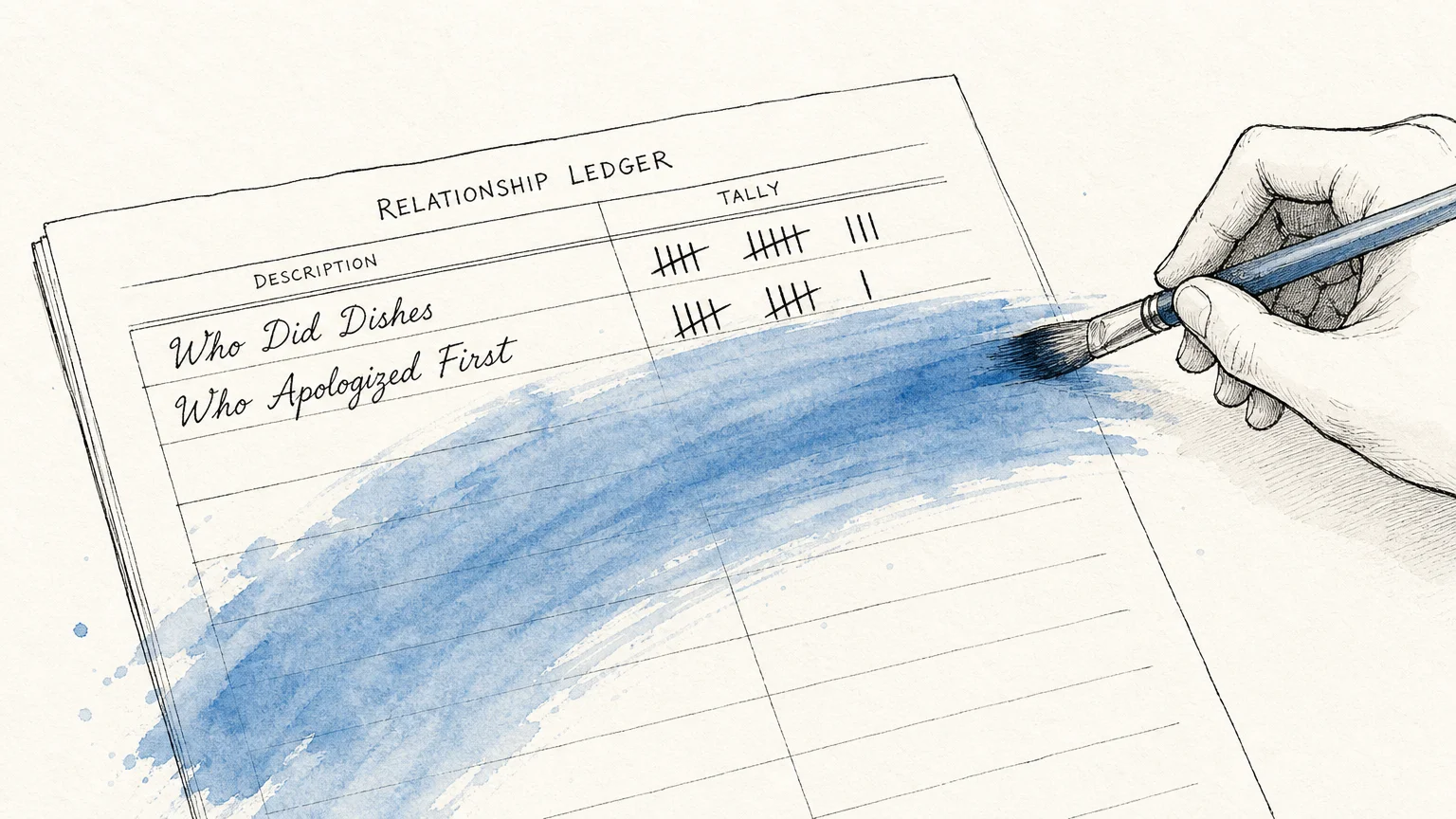
Couples often fall into the trap of viewing their partnership as a transactional ledger. When you keep a running tally of who did the dishes last, who initiated sex more often, or who apologized first after your last argument, you pit yourself against your partner. Happy couples avoid this adversarial dynamic; they approach issues as a unified team tackling a shared problem rather than two opponents fighting for a victory. The ledger system inevitably leads to feelings of injustice because human beings naturally overvalue their own contributions while underestimating their partner’s efforts. The moment you start treating your relationship like an accounting exercise, you lose the emotional generosity required for true intimacy.
Instead of pointing out how many times you carried the weight this week, shift your language to reflect your current capacity. Saying, “I am feeling utterly exhausted tonight; could you handle the bedtime routine?” fosters a collaborative environment. It invites your partner to step up without making them feel defensive. Discarding the scorecard allows both of you to give what you can on any given day without fear of resentment building in the margins.
2. Expecting a Partner to Read Your Mind
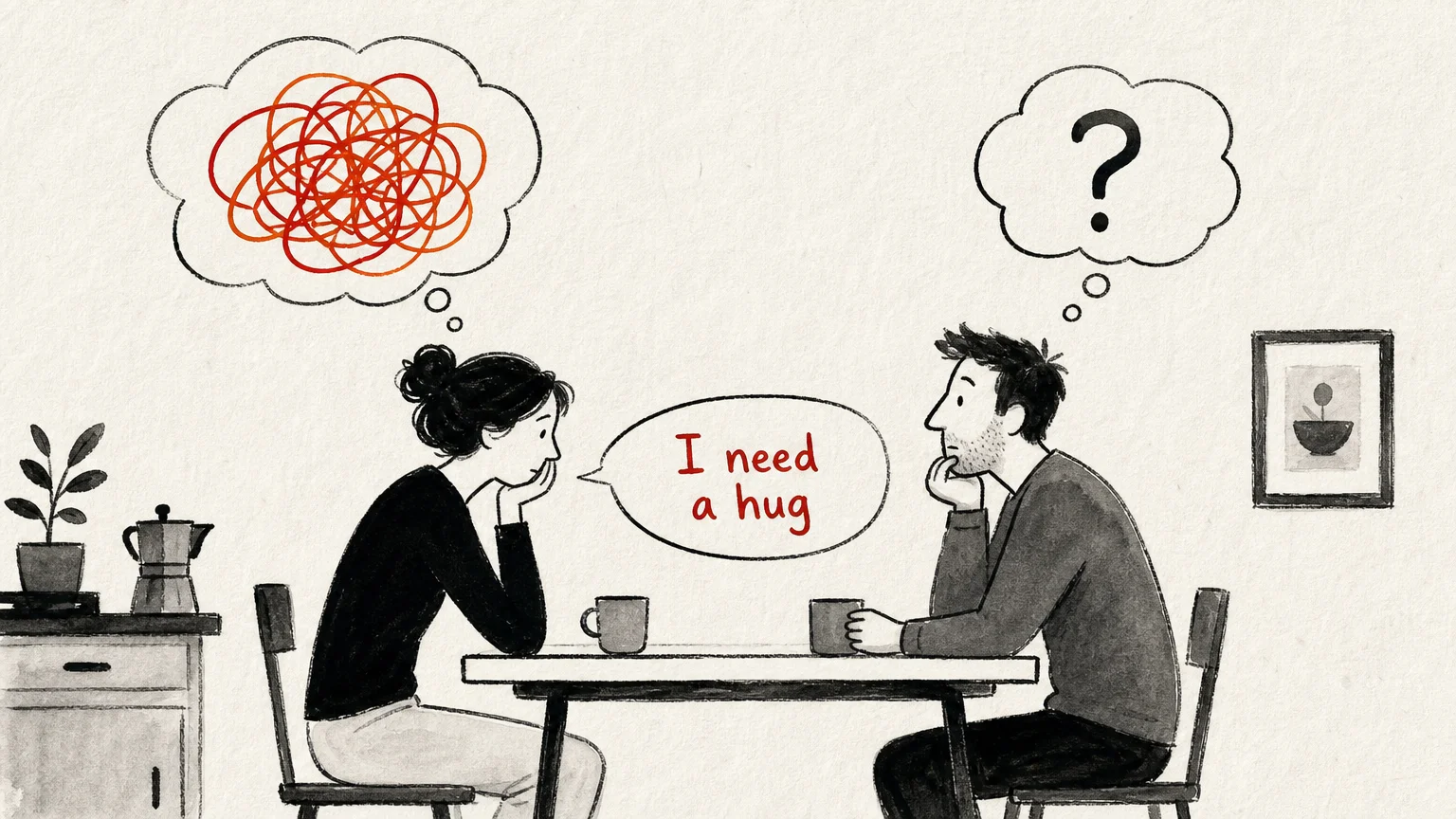
The romanticized notion that true love means your partner will intuitively know what you need is a blueprint for disappointment. Many people silently fume when their significant other fails to decipher a heavy sigh or recognize an unspoken desire for more affection. Assuming someone can read your mind places an impossible burden on them and leaves you feeling neglected. This habit often stems from childhood conditioning, where we learned to hope others would anticipate our needs to avoid the vulnerability of asking.
Healthy communication requires explicit clarity. Your partner is a separate person with a distinct internal world; they do not experience your stress or desires automatically. If you need a hug after a stressful day at work, ask for it directly. If you want your spouse to take on more household logistics, outline exactly what that looks like. Articulating your needs out loud eliminates the guesswork and gives your partner a fair opportunity to show up for you effectively. When you replace passive-aggressive hints with clear requests, you build a relationship based on mutual understanding rather than constant testing.
3. Trying to Cure Incompatible Personality Traits
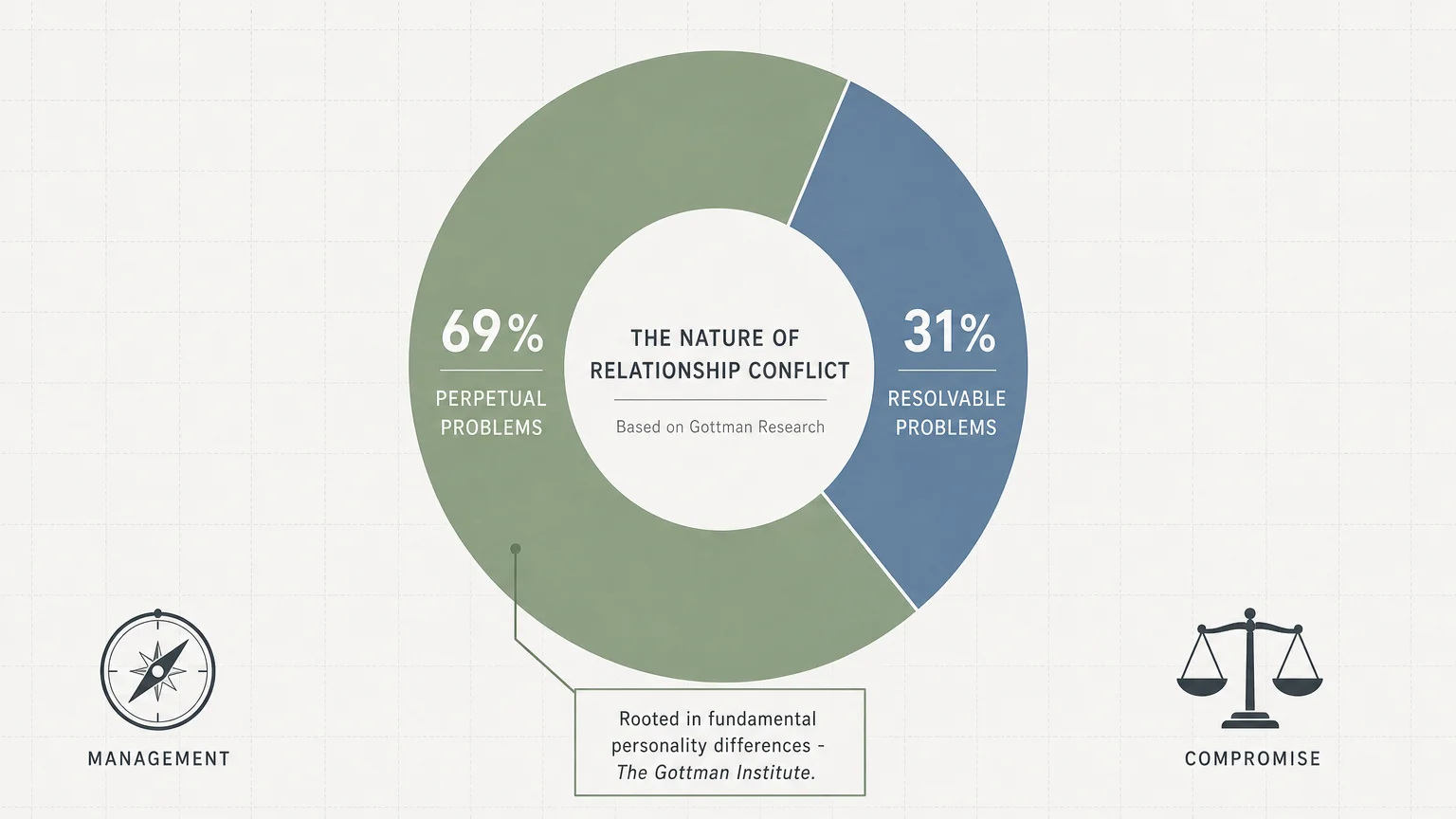
One of the most profound realizations in a long-term partnership is accepting that you cannot fundamentally change who your partner is. According to The Gottman Institute, approximately 69 percent of relationship conflicts are perpetual problems rooted in fundamental personality differences. Whether one of you is a meticulous planner while the other prefers spontaneity, or one needs quiet time to recharge while the other craves social interaction, these core traits rarely disappear.
Happy couples do not waste energy trying to fix these differences. Instead, they establish management strategies and compromises that respect both individuals. Attempting to mold your partner into a different version of themselves only breeds defensiveness and chips away at their self-esteem. If you find yourself constantly criticizing your partner for their natural tendencies, pivot your focus toward finding practical workarounds. For instance, manage your shared calendar together while leaving room for unstructured weekend time. Managing differences with humor and grace—rather than treating their personality as a flaw to be corrected—creates an environment of genuine acceptance.
4. Venting Exclusively to Outsiders
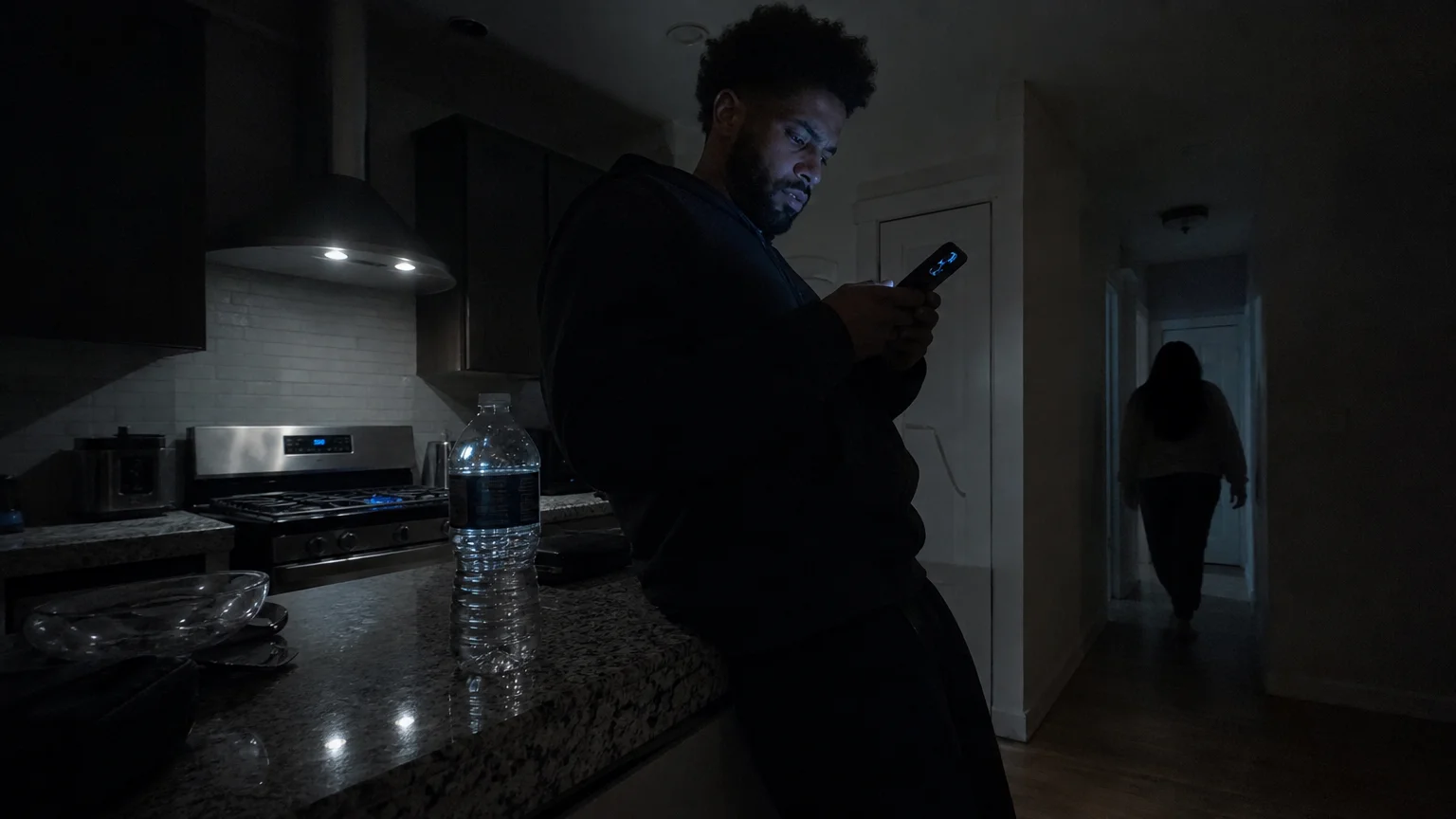
Seeking perspective from friends or family members after a disagreement is natural, but relying on them as your primary outlet damages relational trust. When you vent exclusively to outsiders, you share a highly biased version of the conflict that strips your partner of their voice. Over time, your inner circle may develop a negative view of your significant other, making it difficult for them to support your relationship long after you have forgiven your partner. This dynamic, known as triangulation, creates invisible walls within your primary relationship.
Address the source of your frustration directly. Bring your grievances to your partner first, ensuring they have the chance to hear your perspective and respond. It requires more courage to face the person you are angry with than to complain to a sympathetic audience. If you find yourselves stuck in a toxic communication loop, seek guidance from an impartial professional—such as a licensed marriage counselor—who can mediate the conversation without bringing personal agendas to the table. Protecting the privacy of your disagreements preserves the sanctity of your bond.

5. Neglecting the Small Daily Bids for Connection
Intimacy is not built solely during romantic vacations or grand anniversary gestures; it accumulates through hundreds of mundane daily interactions. Relationship experts refer to these moments as bids for connection—a brief comment about the weather, a sigh that invites a question, or a gentle touch on the shoulder as you walk by. Ignoring or dismissing these bids communicates apathy. A consistent pattern of missed bids creates an invisible emotional distance that can hollow out a marriage over the years, leading to the painful sensation of feeling alone while in the same room.
Couples who stay together consistently turn toward each other when these bids occur. When your partner points out an interesting article they are reading, pausing to look up and acknowledge them reinforces their importance in your life. Make it a deliberate practice to respond positively to these micro-moments. Putting your phone down when your partner enters the room or answering a trivial question with enthusiasm might seem insignificant, but this consistent engagement builds a deep reservoir of goodwill. That reservoir helps cushion the blow when larger conflicts inevitably arise.
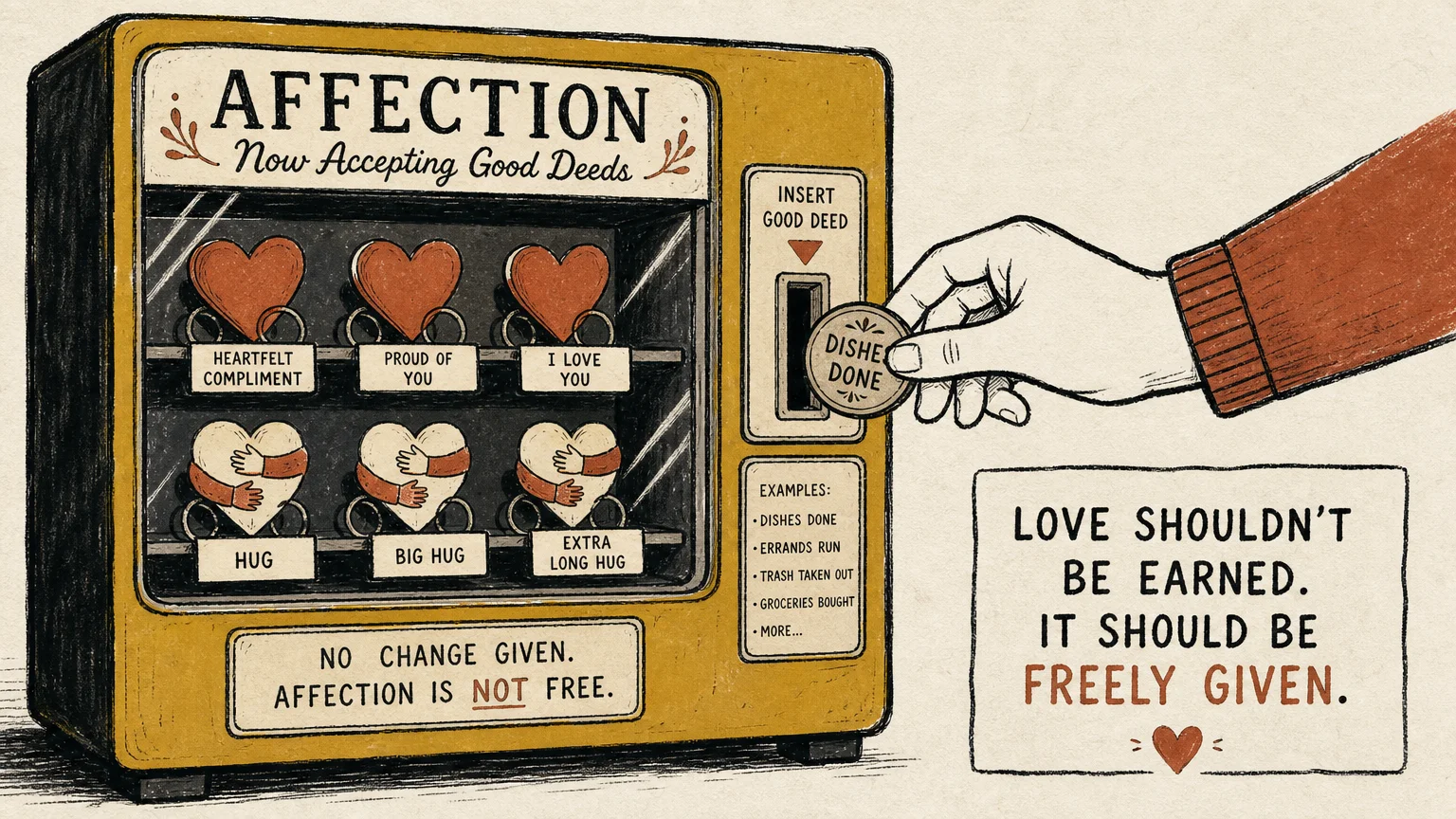
6. Treating Affection as a Behavioral Reward
Using physical or emotional intimacy as a bargaining chip creates an incredibly unsafe environment. When you withhold affection because you are irritated about a forgotten chore, you condition your partner to view love as transactional. Over time, this dynamic erodes trust and breeds profound loneliness within the relationship. Physical touch—even a simple hand on the shoulder—releases oxytocin and helps regulate the nervous system. When you weaponize intimacy, you deprive both yourself and your partner of a crucial biological tool for stress relief.
Happy couples separate their baseline level of care from their temporary frustrations. You can be angry with your partner while still pouring them their morning cup of coffee or offering a brief embrace before leaving for work. Maintaining standard gestures of affection during disagreements signals that your commitment is secure, even when your current mood is sour. Unconditional affection reminds both of you that the relationship is larger than the current argument, fostering a sense of emotional security that allows conflicts to resolve much faster.

7. Letting Routine Erase Playfulness
The longer you stay with someone, the easier it becomes to transform from romantic partners into highly efficient roommates. Between managing careers, coordinating household logistics, and potentially raising children or navigating senior health concerns, the sheer volume of adult responsibilities can crowd out fun. Allowing routine to completely erase playfulness is a silent killer of passion. When conversations consist entirely of grocery lists and scheduling updates, the relationship becomes a source of administrative labor rather than a sanctuary.
You must actively schedule spontaneity and joy. Establish a regular date night where conversations about bills, chores, and stressful obligations are strictly prohibited. Inject humor into your daily routine—whether through an inside joke, a spontaneous kitchen dance, or trying a completely new hobby together. Taking yourselves less seriously provides an emotional reset button. Breaking the tension of daily life with shared laughter reminds you why you chose each other in the first place and keeps the romantic spark alive through the most demanding seasons of life.

8. Avoiding Uncomfortable Conversations About Finances
Money remains one of the leading causes of divorce and long-term tension, largely because couples avoid discussing it until a crisis occurs. Dodging conversations about debt, spending habits, and long-term financial goals allows hidden anxieties to fester. Financial infidelity—such as hiding purchases, concealing debt, or secretly funneling money into private accounts—destroys trust just as thoroughly as romantic betrayal. Many people avoid the topic out of shame or fear of conflict, but avoidance guarantees that minor monetary issues will snowball into severe structural problems.
Approach financial discussions with radical transparency and a nonjudgmental attitude. Schedule a monthly budget check-in to review your shared accounts, discuss upcoming expenses, and align on your financial priorities. Framing these conversations as collaborative planning rather than an interrogation strips away the anxiety. Use inclusive language: “How are we tracking toward our savings goal?” or “What adjustments do we need to make this month?” Facing financial realities side-by-side helps you build a secure future together without the looming dread of unexpected monetary surprises.

9. Ignoring Personal Boundaries and Red Flags
A healthy relationship thrives on mutual respect, and ignoring persistent boundary violations under the guise of “working through it” is a dangerous mistake. Happy couples understand the difference between a normal communication breakdown and coercive, manipulative, or abusive behavior. Tolerating chronic disrespect, name-calling, or isolating behaviors does not prove your loyalty; it compromises your safety and mental well-being. Normalizing toxic behavior out of a fear of being alone often leaves deep emotional scars that require years to heal.
Your emotional and physical safety must always remain the priority. A partner who truly loves you will respect your boundaries, celebrate your independence, and encourage your personal growth. If your partner routinely dismisses your boundaries, uses intimidation, or attempts to control your finances and social interactions, these are not mere relationship hurdles—they are severe red flags. If you are experiencing abuse, coercion, or feel unsafe in your relationship, seek professional help immediately. You can find confidential support, resources, and guidance through the National Domestic Violence Hotline or the advocacy programs at love is respect.

10. Forgetting to Express Gratitude for Routine Tasks
When someone consistently handles specific responsibilities—such as cooking dinner, paying the utility bills, or walking the dog—it is incredibly easy to start taking those contributions for granted. Assuming your partner does not need a “thank you” for something they are supposed to do anyway drains the warmth from your partnership. The absence of validation slowly breeds resentment, making your partner feel more like an unappreciated employee than a cherished companion.
Gratitude is the antidote to resentment. Acknowledge the mundane efforts your partner makes to keep your shared life running smoothly. A simple, “I really appreciate you handling the laundry today,” validates their effort and reinforces their value. Recognizing these small contributions fosters a positive environment where both partners feel seen, appreciated, and motivated to continue supporting one another. Moreover, behavioral science and medical studies, such as those highlighted by Harvard Medical School, show that building strong, supportive relationships through positive reinforcement significantly boosts your emotional resilience and overall physical health. A culture of appreciation makes your home a place of refuge.
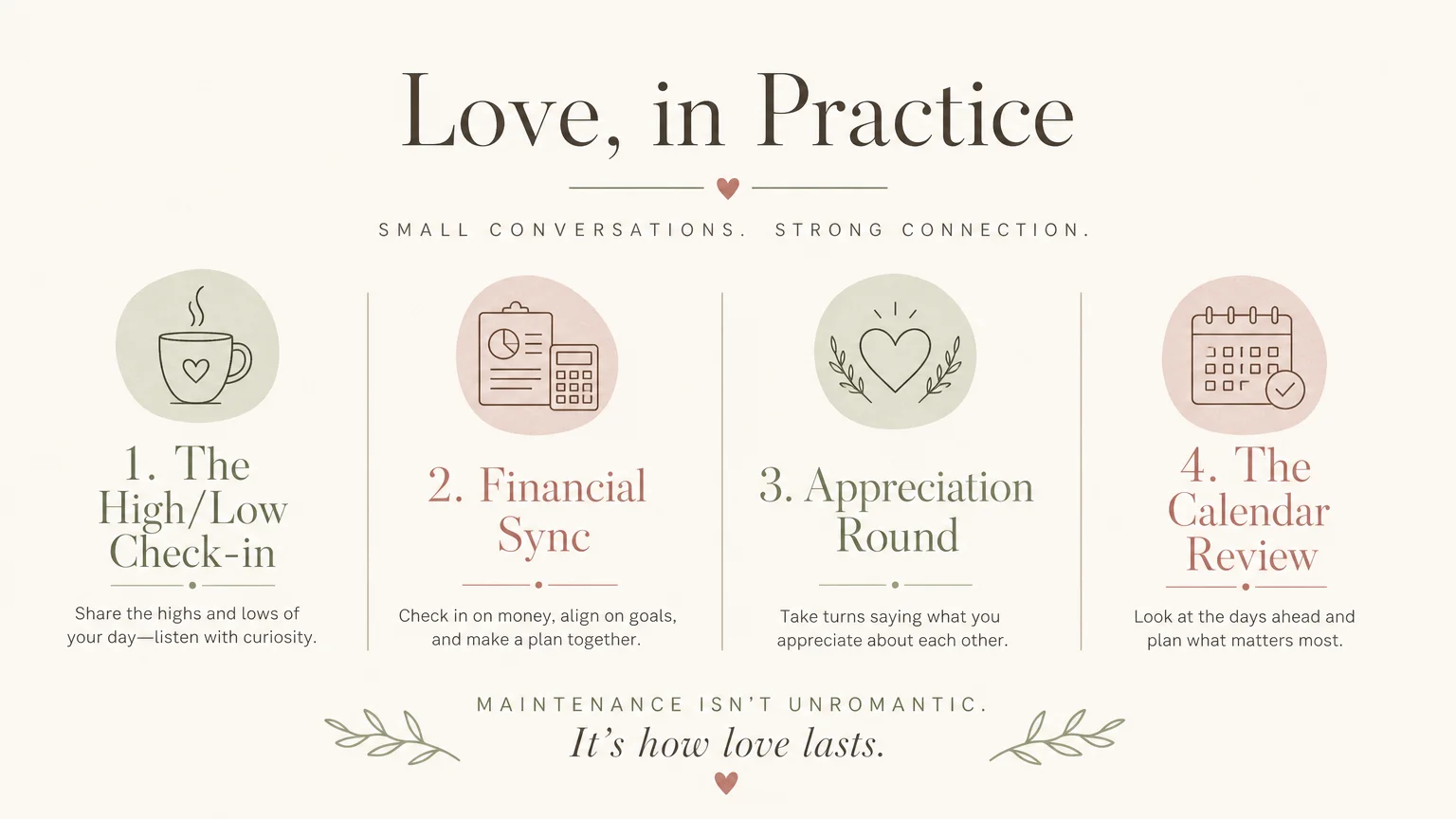
A Weekly Relationship Maintenance Checklist
Avoiding relationship mistakes requires continuous, proactive effort. To keep your partnership aligned and prevent minor misunderstandings from evolving into major conflicts, sit down with your significant other once a week and walk through this simple check-in routine. Establishing this habit normalizes open communication and removes the anxiety of bringing up sensitive topics.
- Acknowledge a win: Name one specific thing your partner did this week that made you feel loved, supported, or appreciated. Starting with positive reinforcement sets a collaborative tone.
- Check the emotional temperature: Ask, “Is there anything left unsaid from this week that we need to clear up?” Address minor annoyances directly so they do not turn into major resentments.
- Review the logistics: Look at your upcoming calendar together. Clarify who is handling which responsibilities—such as school pickups, dinner planning, or errands—to avoid unspoken expectations and last-minute stress.
- Assess your intimacy: Check in on your physical and emotional connection. Ask, “Did we spend enough quality time together this week, or do we need to prioritize a date night?”
- Offer support: Close the conversation by asking, “How can I make your life easier in the coming days?” This question demonstrates your ongoing commitment to their well-being.
Healthy, enduring love is not about achieving absolute perfection. It is about recognizing your missteps, communicating with honest vulnerability, and making the conscious choice to choose your partner—flaws and all—every single day.