

Noticing sudden shifts in your partner’s attention can trigger deep anxiety, but learning to identify concrete behavioral patterns will help you separate harmless distractions from genuine betrayals of trust. When romantic energy drifts outside a partnership, subtle micro-shifts usually precede outright dishonesty. Whether you are navigating marriage, a committed dating relationship, or senior companionship, recognizing the signs your partner is interested in someone else allows you to address emotional drift before resentment hardens. By observing how your partner manages communication, physical boundaries, and digital privacy, you can assess the health of your bond with clarity, protect your emotional well-being, and decide how to move forward constructively.

1. Sudden Digital Secrecy and Guarded Device Habits
Modern technology shapes how relationships form and fracture. When someone develops an external romantic interest, their smartphone frequently becomes the primary conduit for that connection. You might notice your partner suddenly placing their phone face down on tables, switching passcodes without mention, or angling their screen away whenever you walk into the room.
A partner who previously left their device on the kitchen counter might now carry it into the bathroom, out to the garage, or keep it tucked securely in their pocket at all times. They may silence notifications, disable message previews, or clear their messaging histories compulsively. While everyone deserves digital privacy, a stark transition from openness to defensive concealment serves as one of the primary warning signs partner is cheating or exploring an emotional attachment elsewhere.
Pay attention to emotional reactions regarding devices. If asking a simple question like, “Who texted you so late?” produces disproportionate anger, defensiveness, or accusations of distrust, your partner may be deflecting their own guilt.
2. Emotional Distancing and the Breakdown of Deep Conversation
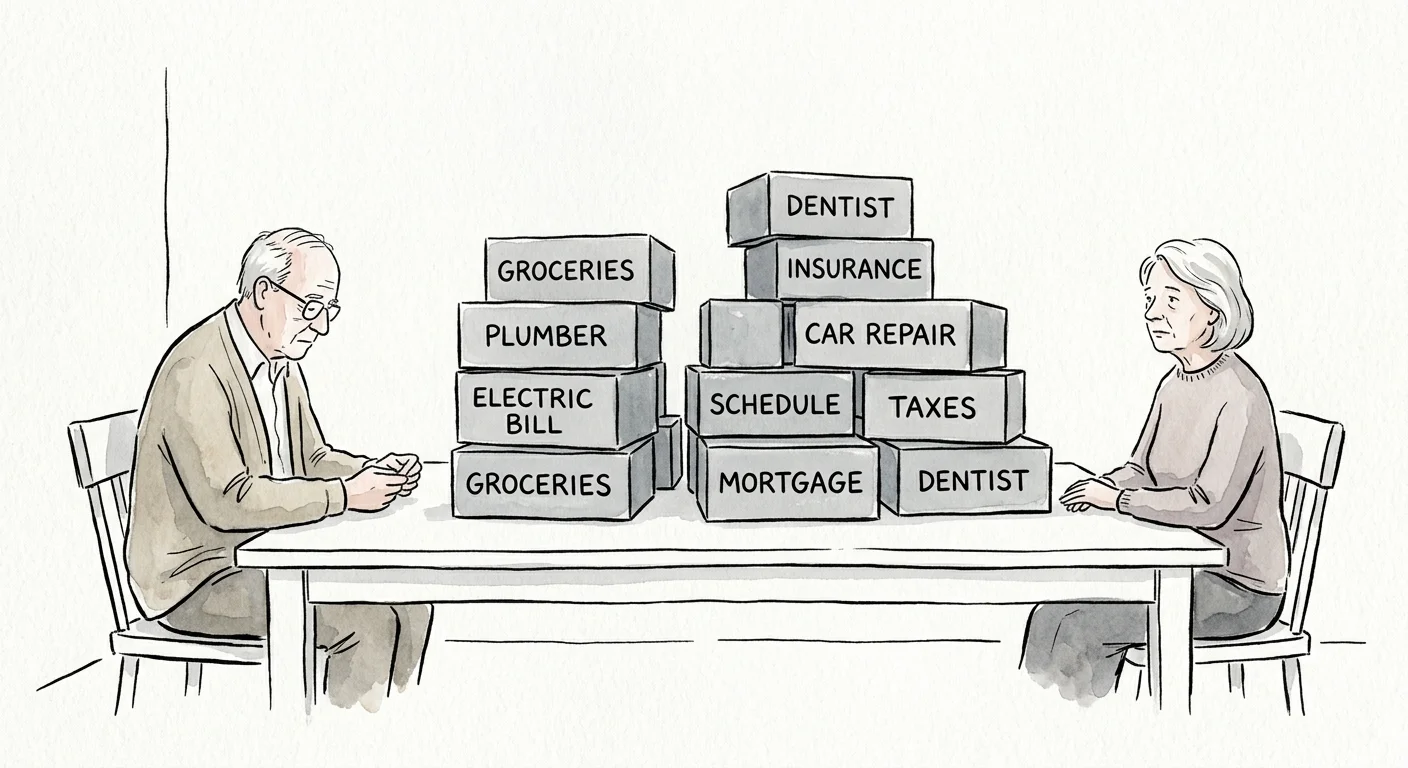
Emotional intimacy requires consistent investment. When a partner directs their emotional bandwidth toward a third party, the current relationship suffers an immediate drought of vulnerability. You may find that your conversations have dwindled to purely transactional topics; you talk about grocery lists, household chores, or child schedules, but they no longer share their fears, aspirations, or daily highs and lows.
According to clinical insights from The Gottman Institute, emotional connection relies on partners turning toward each other’s “bids” for attention. When your partner is mentally engaged with someone else, they consistently turn away. They might offer vague, non-committal answers when you ask about their feelings, or display a noticeable lack of curiosity about your internal life.
This dynamic often signals one of the most painful relationship red flags emotional affair dynamics produce: your partner experiences triumphs and challenges throughout their day, but chooses to process those experiences with someone other than you.

3. Uncharacteristic Fixation on Physical Appearance and Daily Routines
While personal self-improvement is positive, abrupt and dramatic changes in grooming habits—especially those disconnected from shared activities—merit attention. When someone feels the chemical rush of a new crush, their brain floods with dopamine and norepinephrine, recreating the excitement of early-stage courtship.
Consider whether your partner has suddenly implemented changes like these without any clear external catalyst:
- Investing in an entirely new wardrobe, designer fragrance, or upscale underwear that they rarely wear around you.
- Developing an intense, urgent fitness routine or grooming regimen specifically tied to work hours, solo outings, or social events where you are absent.
- Modifying daily schedules—leaving home unusually early, staying late at the office, or taking solo evening errands that take twice as long as necessary.
- Showing heightened self-consciousness about aging or physical appeal, seeking validation from outside sources rather than accepting your compliments.
In mid-life and senior relationships, this often presents as an unexpected resurgence of vanity or youthful posturing. If your partner suddenly revamps their image for the outside world while treating home life with apathy, their motivation may stem from an desire to impress a specific third party.
4. The Fixation Paradox: Excessive Mention or Complete Erasure of a Specific Person
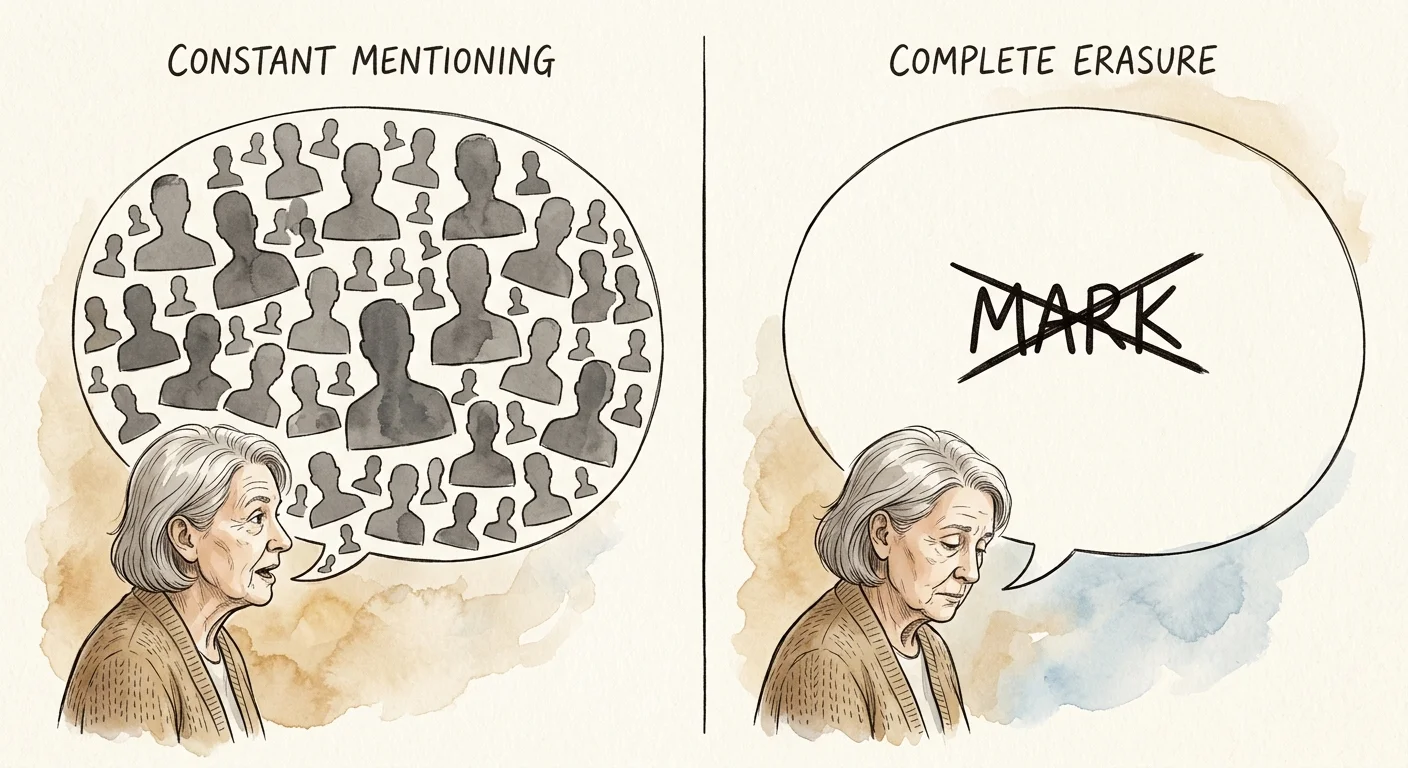
When someone captures your partner’s attention, that obsession usually surfaces through speech in one of two polarizing ways: the frequent mention or the deliberate omission.
In the early stages of attraction, your partner might bring up a new coworker, casual acquaintance, or gym partner constantly. They weave this person’s jokes, opinions, and achievements into ordinary conversations. This phenomenon—known colloquially as “infatuation leakage”—occurs because the partner struggles to keep their thoughts off the new individual, even when conversing with you.
Alternatively, if your partner knows their attraction crosses ethical boundaries, they may implement a total information blackout. They might spend hours collaborating with a colleague or messaging a friend, yet never mention their name at home. If you discover they attended events or spent significant time with someone whose existence they actively concealed, the secrecy points directly to signs your partner is interested in someone else.

5. Unexplained Fluctuations in Physical Affection and Sexual Intimacy
Wandering attention rarely leaves a couple’s sex life untouched; instead, it tends to cause volatile swings between emotional coldness and sudden, confusing intensity. The American Association for Marriage and Family Therapy notes that shifts in sexual frequency and emotional availability frequently accompany infidelity and emotional betrayal.
You might experience a prolonged dry spell where physical contact feels mechanical. Your partner may avoid lingering hugs, stop holding your hand in public, or pull away from deep kissing. When intimacy does happen, you might feel a distinct lack of eye contact and emotional presence, as if your partner is mentally elsewhere.
Conversely, some straying partners experience an unexpected spike in sexual desire at home. Guilt can cause them to overcompensate with sudden gifts and physical attention; alternatively, the sexual arousal sparked by their outside interest creates an elevated libido that spills over into the primary relationship. If their approach to intimacy shifts abruptly—especially if they introduce unfamiliar techniques or preferences without clear explanation—it may reflect external influences.
6. Heightened Irritability, Criticism, and Defensive Gaslighting
To justify romantic wandering to their own conscience, a partner often engages in cognitive restructuring. They unconsciously exaggerate your flaws to convince themselves that the relationship is fundamentally broken, thereby excusing their wandering eye.
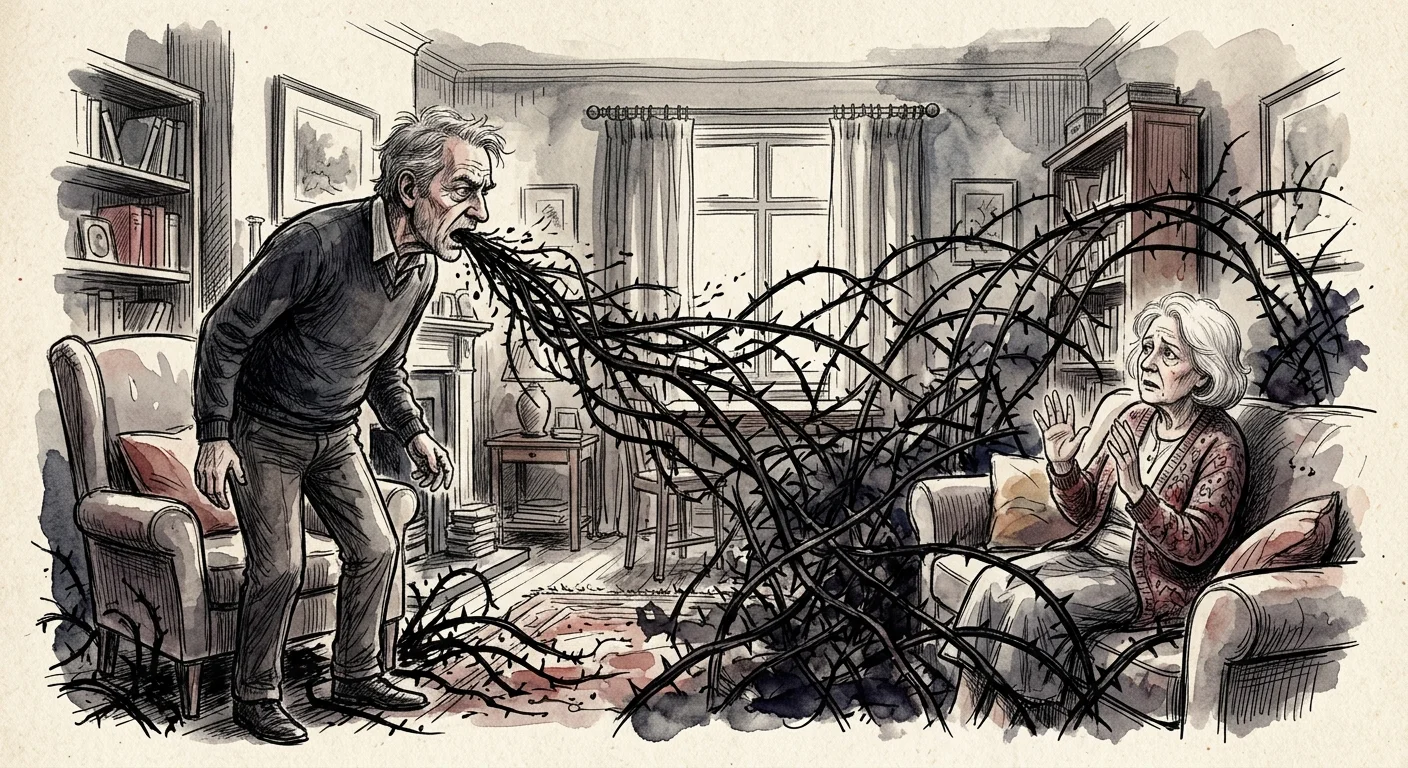
You may find yourself subjected to harsh criticism over trivial matters. The way you speak, your cooking, your personal habits, or your parenting style suddenly draw sharp rebukes. By framing you as an unsupportive, nagging, or incompatible partner, they construct an internal narrative where their attraction to someone else feels like a reasonable response rather than a breach of commitment.
Defensiveness also escalates during routine interactions. When you make a calm, reasonable inquiry about their day or an unusual expense, they may respond with hostility, claiming you are controlling, paranoid, or insecure. This tactic, known as DARVO (Deny, Attack, and Reverse Victim and Offender), shifts the focus away from their questionable behavior and forces you to defend your sanity.
7. Unaccounted Gaps in Time, Money, and Shared Logistics
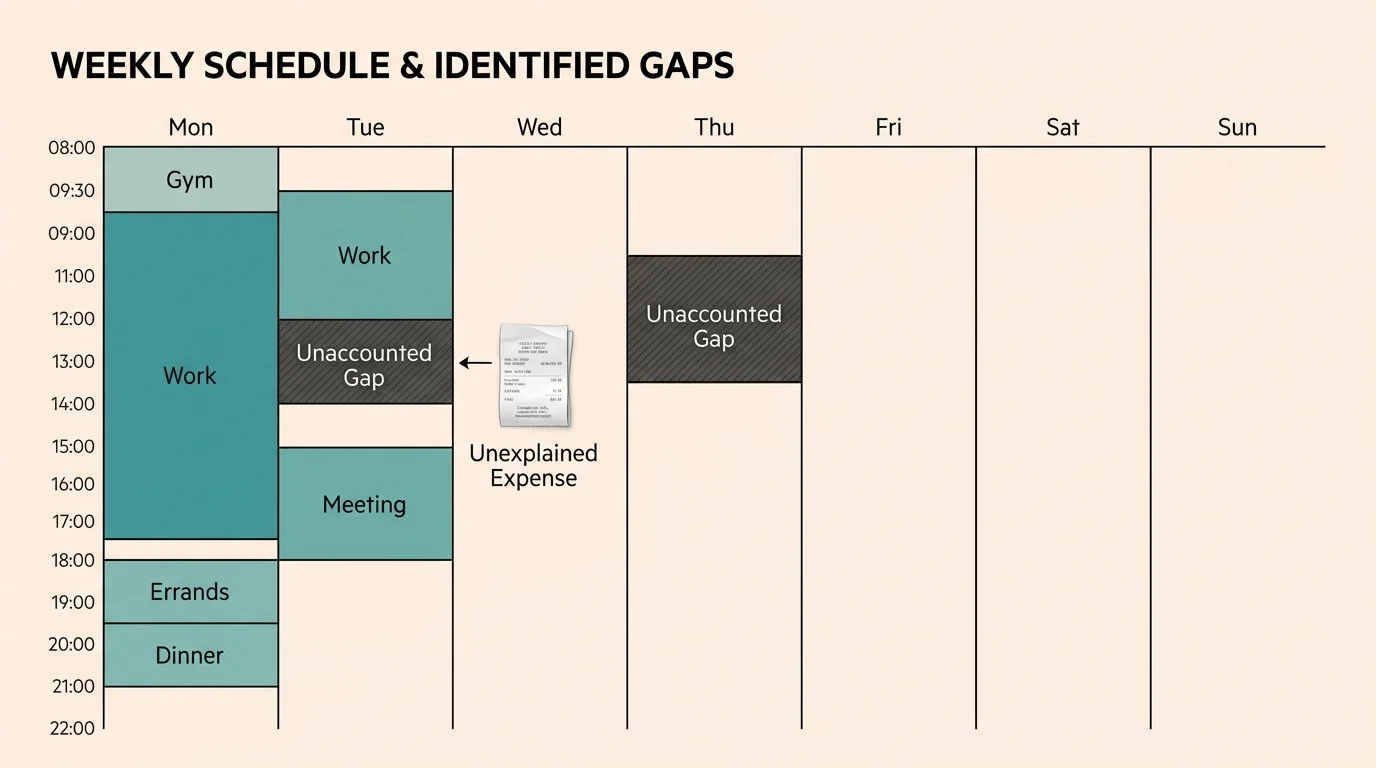
Romantic pursuits require resources. Cultivating a bond with someone new demands time, coordination, and financial investment. Over time, these demands leave practical footprints that disrupt the normal rhythm of your partnership.
Look for concrete, logistical signs of wandering attention in a relationship:
- Regular, unexplained delays during commutes or routine trips to the grocery store.
- Hidden receipts, sudden cash withdrawals, or new credit accounts opened without your knowledge.
- Vague answers about daily activities, such as “I was just driving around” or “I lost track of time at the office.”
- Unexplained expenses at restaurants, coffee shops, or florists in neighborhoods your partner does not typically frequent.
While financial privacy varies across couples, abrupt departures from established financial transparency often signal that resources are flowing toward unshared experiences.

8. Reluctance to Make Future Plans and a Linguistic Shift from “We” to “I”
Language reflects psychological investment. When a partner envisions a future with you, they naturally frame upcoming events through inclusive language. They discuss next year’s holidays, home renovations, retirement goals, or family vacations with enthusiasm.
When someone develops an interest in another person, their internal horizon shifts. They begin uncoupling mentally, which manifests in subtle linguistic changes. They may replace “we” and “us” with “I” and “me” when describing future events. Furthermore, they might hesitate to commit to long-range plans, offering evasive responses like, “Let’s wait and see how things go closer to that date,” or avoiding non-refundable reservations altogether.
This hesitancy stems from internal ambivalence; committing to future milestones with you conflicts with the fantasy life they are contemplating with someone else.

Evaluating Your Suspicions: A Step-by-Step Clarity Checklist
Before initiating a difficult conversation, you need to distinguish between fleeting stress and sustained behavioral shifts. External pressures—such as career burnout, physical health issues, grief, or depression—can mimic some signs of infidelity in a relationship. Use this checklist to organize your observations rationally before drawing firm conclusions.
- Examine the Timeline: Did these changes occur suddenly after a specific event (e.g., a new job, an old school reunion, a new social hobby), or have they developed gradually alongside major life stressors?
- Track Baseline Deviations: Compare current behaviors against your partner’s long-term habits rather than an idealized standard. Is their current secrecy a complete break from who they have been for years?
- Verify the Cluster Effect: A single sign rarely confirms romantic betrayal. Look for clusters of three or more distinct behavioral changes operating simultaneously (such as device secrecy combined with emotional withdrawal and schedule changes).
- Separate Intuition from Anxiety: Identify whether your distress originates from documented behavioral evidence or unhealed wounds from past relationships.
- Document Objective Facts: Keep mental or private notes of tangible inconsistencies in timelines, financial records, and explanations rather than relying solely on emotional impressions.

How to Address Your Concerns Without Escalating Conflict
Approaching your partner with raw accusations often triggers immediate defensiveness, prompting them to destroy evidence or retreat further into secrecy. A strategic, emotionally grounded approach yields far better clarity.
Choose a quiet, neutral setting where neither of you faces immediate time constraints. Avoid starting conversations late at night or during heated arguments about chores. Ground your dialogue in observable behaviors and personal feelings rather than sweeping character judgments.
Frame your statements using non-accusatory language:
- “I have noticed that our communication has felt distant over the past few weeks, and you seem guarded whenever your phone rings. I value our emotional closeness, and this distance makes me feel disconnected from you. Can we talk about what is happening between us?”
- “When you stay late without checking in and give vague answers about where you were, it creates anxiety for me and strains our trust. I need transparency about how we spend our time so we can stay on the same page.”
Observe how they respond. A partner invested in the relationship will acknowledge your distress, offer reassurances, and work proactively to restore transparency. A partner deeply entangled elsewhere will likely deflect, attack your character, or minimize your valid concerns.
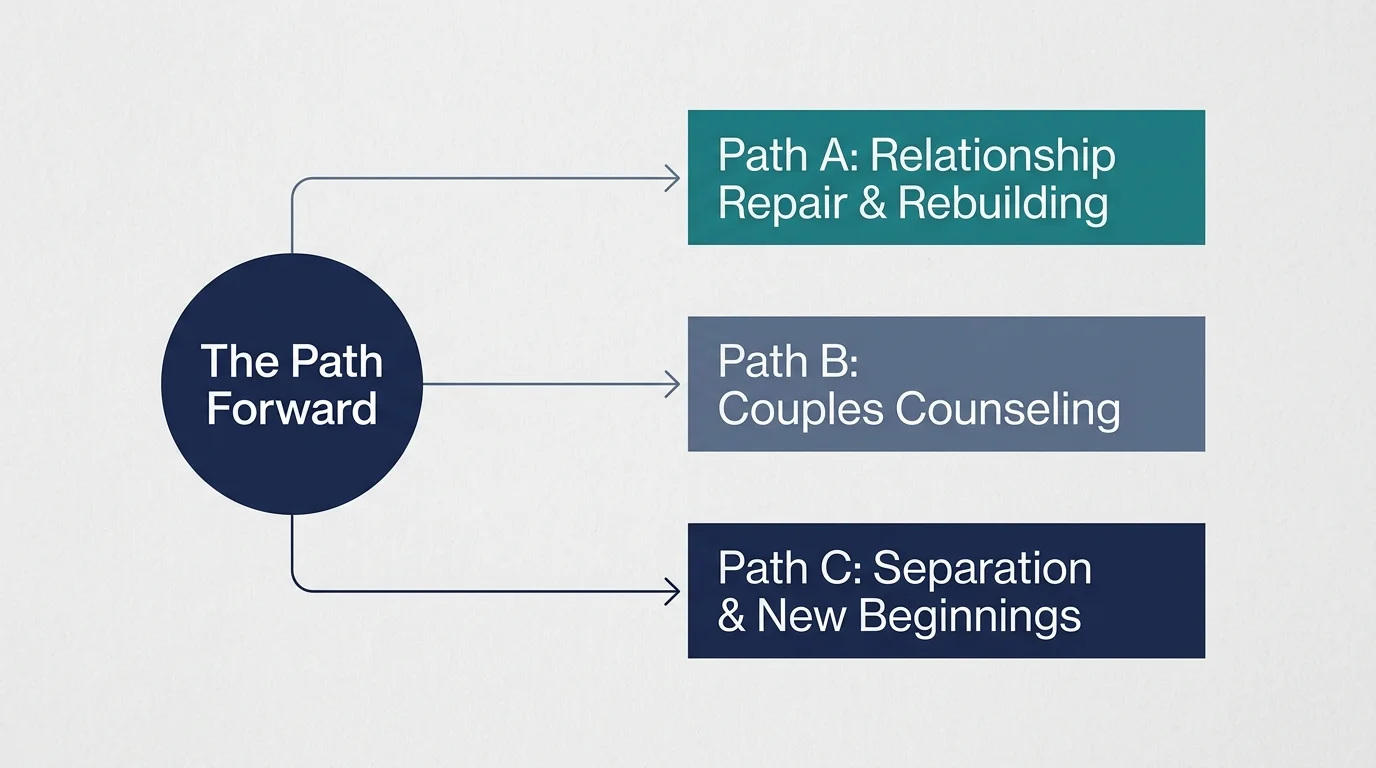
Choosing Your Path Forward: Repair, Counseling, or Separation
Discovering that your partner is interested in someone else represents a pivotal juncture in any relationship. This realization does not always signal the immediate end of a partnership, but it demands honest evaluation and firm boundaries.
If both partners commit to radical honesty and personal accountability, relationships can heal from wandering attention and emotional betrayals. Professional guidance from a licensed marriage and family therapist, recognized by the American Psychological Association, provides a structured environment to address underlying vulnerabilities, dismantle toxic communication loops, and rebuild shattered trust.
However, reconciliation requires full cooperation from the straying partner. If your partner denies reality, refuses to sever contact with the outside interest, or continues a cycle of deceit, you must prioritize your emotional stability and self-respect. Setting clear boundaries—and having the courage to walk away when those boundaries are repeatedly violated—ensures that you do not sacrifice your long-term mental health for a one-sided partnership.
Safety Note: If your relationship involves emotional coercion, manipulation, physical intimidation, or abuse, do not confront your partner alone. Seek immediate, confidential support through professional resources like The National Domestic Violence Hotline or a local crisis counselor to prioritize your safety and well-being.









Leave a Reply