
You might think the ultimate test of your relationship is surviving a major crisis, but the real measure of your bond lies in how you handle everyday interactions. A thriving partnership does not require perfect compatibility or an absence of conflict; it requires a willingness to look closely at your dynamic. Whether you are newly dating, navigating marriage, or exploring a connection in your senior years, asking the right questions reveals hidden strengths and vulnerabilities. By exploring these four foundational questions with your partner, you can identify exactly where your relationship shines and where it needs more intentional care.
1. Do We Know How to Repair After a Rupture?
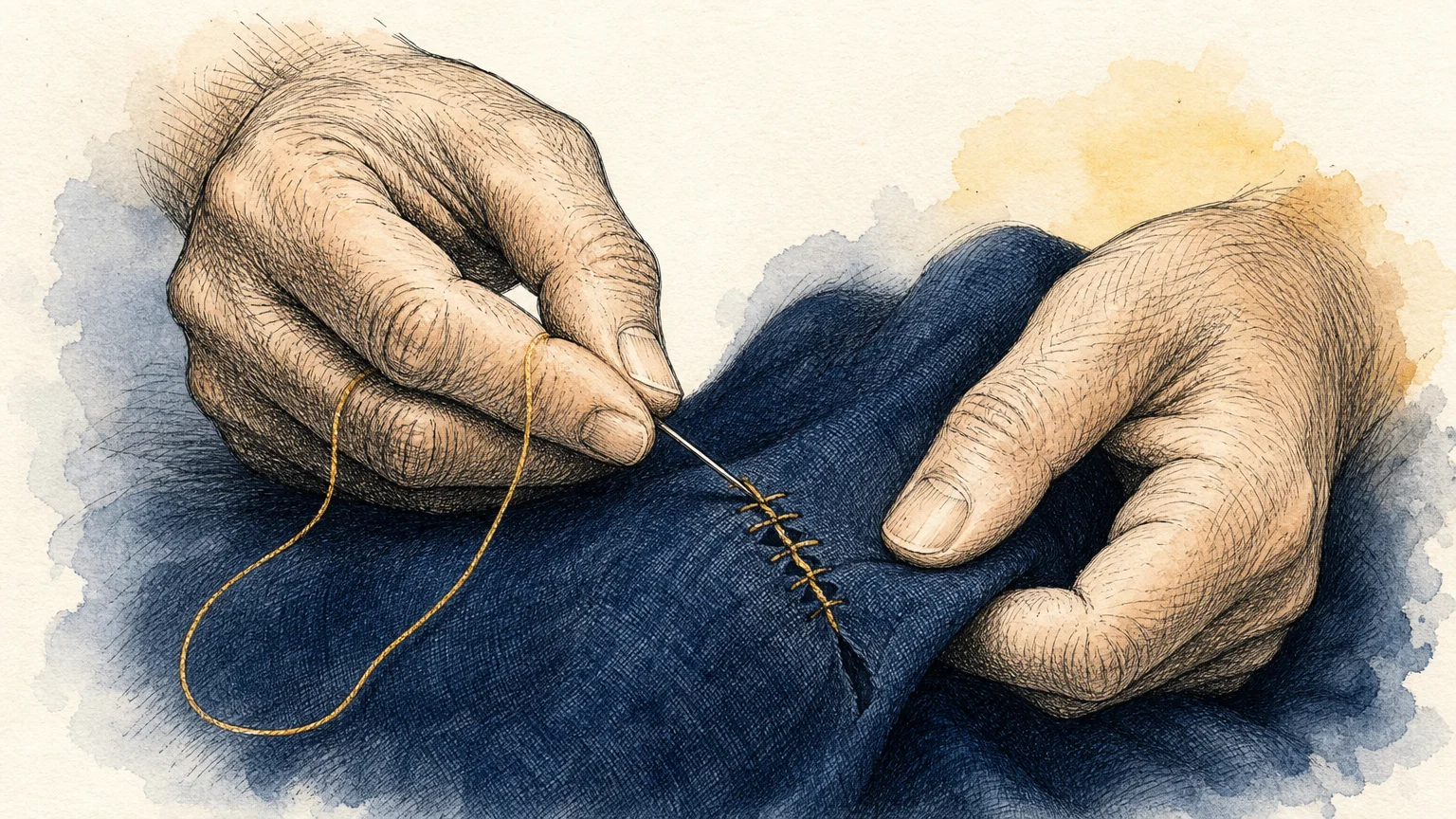
In the early stages of dating, people often assume that a healthy relationship is a conflict-free relationship. If you never argue, the logic goes, you must be a perfect match. A seasoned couples therapist knows the opposite is usually true. Conflict is an inevitable byproduct of two distinct individuals sharing a life. The true test of your relationship is not how often you disagree, but how swiftly and effectively you repair the emotional disconnect that follows an argument. A rupture occurs anytime you and your partner experience a break in your connection—whether it stems from a sarcastic comment, a forgotten chore, or a fundamental disagreement over finances.
Dr. John Gottman, a leading researcher in relationship psychology, has spent decades observing how couples fight. His findings reveal that the most successful, long-lasting couples are not those who avoid disagreements. Rather, they are the ones who consistently utilize repair attempts. A repair attempt is any statement or action that prevents negativity from escalating out of control. It is an olive branch extended amid the heat of an argument.
Think about a time you argued about household responsibilities. In an unhealthy dynamic, this argument quickly spirals into character assassinations: “You never help out; you are so selfish.” In a resilient relationship, one partner might recognize the rising tension and say, “I am feeling really overwhelmed right now, can we take a ten-minute breather?” or even crack a gentle, inside joke to diffuse the tension. When you practice successful repair attempts, you signal to your partner that the relationship is more important than winning the argument.
It is important to remember that repair attempts do not have to be perfectly articulated to be effective. Sometimes, a repair attempt is simply a physical gesture—a gentle hand on the shoulder or a soft sigh that signals surrender. The success of a repair attempt relies less on the specific words used and more on the receiving partner’s willingness to accept it. If you continually reject your partner’s efforts to de-escalate, you build a wall that even the most skillful relationship communication cannot penetrate. Mutual participation is what transforms a momentary pause into a genuine repair.
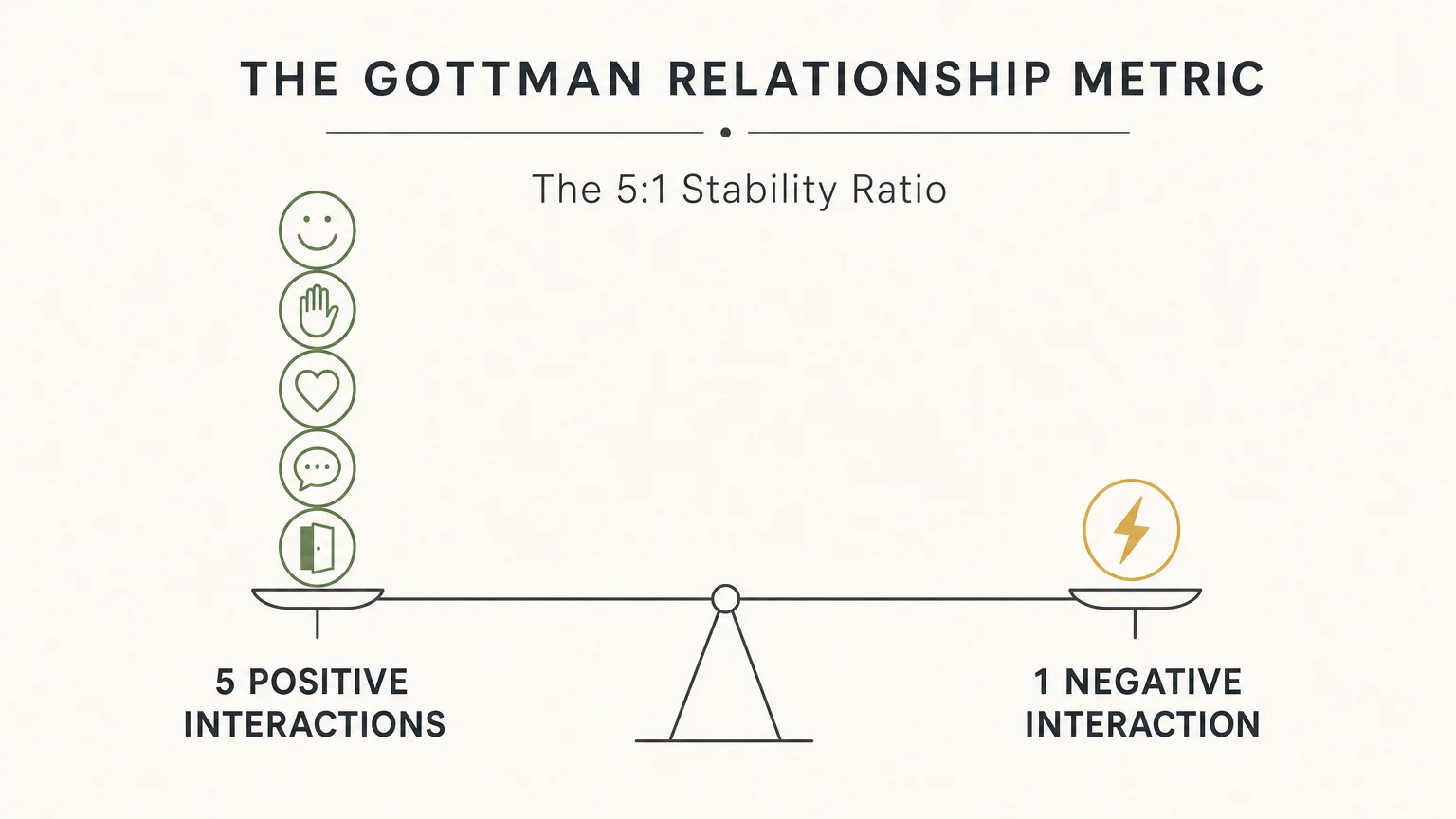
Unrepaired conflict leaves emotional residue. Over time, this residue builds up into what experts call the “Four Horsemen”—criticism, contempt, defensiveness, and stonewalling. Contempt, in particular, acts as an acid that erodes the foundation of love. By making repair attempts early and often, you actively counteract these destructive patterns. Research from the Gottman Institute indicates that couples who regularly repair their conflicts maintain a healthy ratio of five positive interactions for every one negative interaction. This simple metric serves as a primary predictor of long-term relationship stability and satisfaction.

2. Do I Feel Emotionally Safe Being Vulnerable With You?
Emotional safety serves as the bedrock of any lasting partnership. If you constantly monitor your words or hide your true feelings to avoid your partner’s judgment, you cannot build genuine intimacy. Feeling emotionally safe means trusting that your partner will not weaponize your vulnerabilities against you during a moment of anger. It means knowing that your fears, insecurities, and dreams will be met with empathy rather than dismissal or derision.
Couples therapists frequently rely on Emotionally Focused Therapy (EFT), a framework developed by Dr. Sue Johnson, to help partners rebuild this sense of safety. EFT operates on the principle that humans are hardwired for secure emotional bonds. When that bond feels threatened, we instinctively react with anger, defensiveness, or emotional withdrawal. These reactions often mask a deeper, more vulnerable question: “Are you there for me when I need you most?”
Consider a scenario where you share a deep insecurity about a recent failure at work. An emotionally safe partner will validate your feelings. They might put down their phone, make eye contact, and say, “I can see how much that stressed you out, and I completely understand why you feel that way.” A partner lacking emotional attunement might brush it off with toxic positivity or invalidation, saying, “You are overthinking it; just ignore your boss.” Over time, consistent emotional validation fosters a secure attachment style.
Part of building emotional safety also involves understanding each other’s emotional triggers. Everyone carries baggage from past relationships or childhood experiences. If your partner knows that feeling dismissed is a massive trigger for you, an emotionally safe partner will take extra care to ensure you feel heard during a disagreement. They will not use your sensitivity as ammunition. Instead, they act as a guardian of your vulnerabilities, ensuring that your emotional wounds are protected rather than exposed to further harm.
The effectiveness of building emotional safety is thoroughly documented. According to clinical research, Emotionally Focused Therapy helps approximately 70 to 75 percent of couples move from relationship distress to recovery, with 90 percent showing significant, long-lasting improvements in their dynamic. You can test this within your own relationship by paying attention to how your partner responds when you share something sensitive. If you feel you must put on emotional armor before discussing your feelings, your relationship strength requires immediate attention.

3. Can We Maintain Our Individuality While Growing Together?
A common trap in romantic relationships, particularly during the intense honeymoon phase, is the desire to merge completely with your partner. You might adopt their hobbies, spend every free moment together, and begin functioning as a single entity rather than two distinct people. While this intense closeness feels romantic initially, it often leads to resentment, codependency, and emotional burnout in the long term. A strong relationship acts as a secure home base from which both partners can confidently explore the world, not a restrictive cage that halts personal growth.
Psychologists and relationship experts refer to this healthy balance as “differentiation”—the ability to maintain your distinct sense of self while remaining deeply emotionally connected to your partner. High differentiation means you can tolerate your partner having different opinions, separate friendships, and individual interests without feeling threatened. You do not need them to validate your every thought, nor do you feel overly responsible for managing their every emotion.
This question becomes especially relevant for adults navigating senior dating. When you enter a new relationship later in life, you bring decades of established routines, personal history, and independent living. Trying to force a complete merger of lives often backfires. A differentiated couple respects these established boundaries. Imagine your partner suddenly decides to join a weekly volunteer group that requires them to spend their Saturday mornings away from you. A codependent partner might view this independence as a rejection, sparking arguments about neglected quality time. A highly differentiated partner supports this endeavor and uses those Saturday mornings to invest in their own friendships or personal projects.
Navigating this need for autonomy requires transparent communication. It is entirely healthy to tell your partner, “I love spending time with you, but I need a quiet evening alone tonight to recharge my batteries.” In a highly differentiated relationship, this statement is accepted at face value, without underlying accusations of abandonment or rejection. Cultivating your own rich, independent life ultimately brings more energy and excitement back into the shared space of the relationship, keeping the romance vibrant and dynamic over the years.
Evaluate your current dynamic to see where you stand. Do you feel guilty when you do things without your partner? Do you suppress your own interests to keep the peace? Good relationship advice reminds us that a healthy bond embraces the friction of two different people growing side by side. Your partnership should amplify your individuality and unique talents, rather than erasing them for the sake of artificial harmony.
4. Do We Turn Toward Each Other During External Stress?
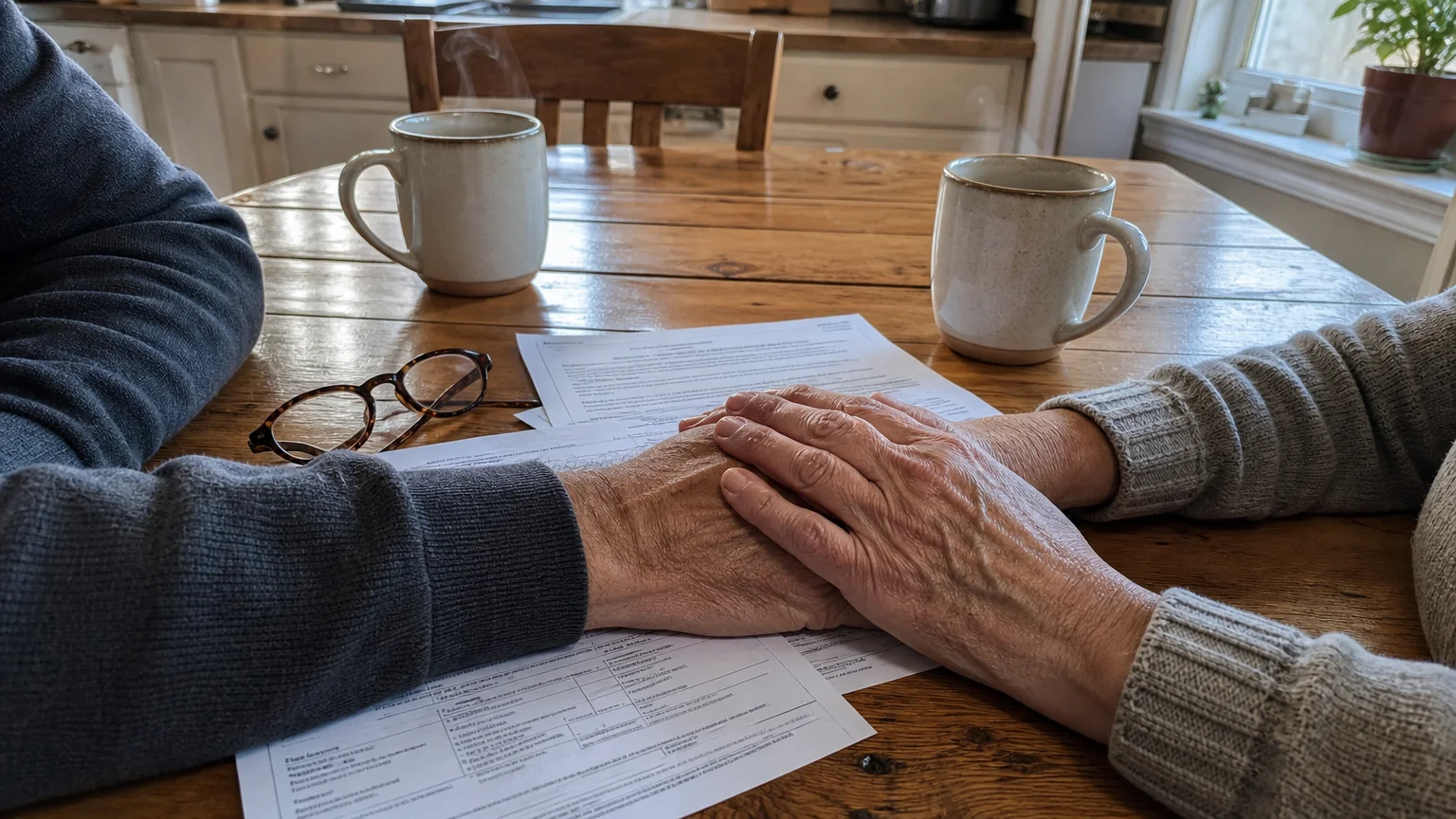
It is relatively easy to be an excellent, attentive partner when you are on vacation, fully rested, and financially secure. The true test of relationship resilience arrives when life applies inevitable pressure. External stressors—such as a demanding job, unexpected financial instability, a sudden family health crisis, or the complex challenges of aging—can easily fracture a couple. Psychologists call this phenomenon “stress spillover.” This occurs when the tension from outside forces infects the relationship environment, causing partners to snap at each other, lose patience, or withdraw entirely.
Resilient couples view external stress as a mutual opponent. Instead of turning on each other, they turn toward each other. They adopt an “us against the problem” mentality. When one partner is emotionally or physically depleted, the other steps up to carry the heavier load, trusting that the dynamic will naturally rebalance over time. They understand that a partnership is rarely a perfect fifty-fifty split; some days it is eighty-twenty, and a strong relationship accommodates those fluctuations with grace.
Consider how your relationship functioned during your last major external crisis. If you were dealing with the stress of losing a job, how did your partner react? Did they become impatient with your anxiety and demand immediate solutions? Or did they step in to manage the household chores, offer a listening ear, and ask how they could lighten your burden? The way a partner handles your stress speaks volumes about their long-term reliability.
Furthermore, turning toward each other during stressful periods involves actively looking for moments of gratitude. When the world outside feels chaotic, acknowledging your partner’s small efforts—like making a cup of tea or taking the dog for a walk when you are exhausted—fortifies your bond. It reminds both of you that you are anchored to a teammate. This active appreciation prevents the external negativity from completely overshadowing the warmth and support that exists within your home.
A relationship must function as a shock absorber for life’s inevitable bumps and bruises. If your partnership becomes an additional source of anxiety during difficult times rather than a sanctuary of comfort, it is a clear sign that your foundation needs reinforcing. Assessing how you operate as a team under intense pressure reveals whether your bond is truly built for the long haul.
Checklist: How to Ask These Questions and Communicate Effectively
Reading these questions is only the first step; the real work lies in discussing them directly with your partner. Initiating deep conversations about relationship strength can feel intimidating, but approaching the dialogue with intention makes all the difference. Use this checklist to guide a productive, non-defensive conversation:
- Choose a neutral time and place. Do not bring up deep foundational questions during an active argument or when one person is clearly stressed, hungry, or tired. Sit down with a cup of coffee on a calm Sunday morning instead.
- Use “I” statements instead of “You” statements. Framing your concerns around your own feelings reduces defensiveness. Instead of saying, “You never listen to me,” reframe it as, “I feel disconnected when I share my day and do not hear a response.”
- Practice active listening without interrupting. Let your partner finish their complete thought. Before you formulate your rebuttal, summarize what you heard them say. This ensures you are responding to their actual point, not your assumption.
- Regulate your nervous system. Deep conversations can trigger a fight-or-flight response. If you notice your heart rate spiking or your tone becoming sharp, agree to take a twenty-minute pause and return to the discussion when you are both calm.
- Focus on future growth, not past blame. Frame the discussion around how you can build a better dynamic moving forward. Litigating past mistakes rarely solves the problem; creating a shared vision for your future does.

When to Seek Professional Support
You do not need to wait until your relationship is on the brink of collapse to seek professional help. In fact, many successful couples use couples counseling proactively to strengthen their communication skills and deepen their emotional intimacy before major conflicts arise. If you find that attempting to answer these four questions leads to cyclical arguments, chronic stonewalling, or lingering resentment, a licensed couples therapist can provide the objective guidance you need.
Data clearly demonstrates the effectiveness of couples counseling for distressed partnerships. According to the American Psychological Association, therapies rooted in evidence-based practices offer structured, reliable roadmaps for healing. Finding a professional who specializes in the Gottman Method or Emotionally Focused Therapy can help you break destructive cycles and rebuild a secure, lasting connection.
However, it is crucial to recognize the profound difference between normal relationship struggles and unsafe dynamics. Couples therapy is not recommended for relationships involving domestic violence, severe emotional abuse, or coercive control, as the therapeutic process can sometimes be manipulated or weaponized by an abusive partner. If you feel fearful of your partner, if you are experiencing severe distress, or if your physical and emotional safety is at risk, please prioritize your well-being. Reach out to the National Domestic Violence Hotline at 1-800-799-SAFE (7233) or seek help from a qualified individual mental health professional. Everyone deserves a relationship free from fear and harm.