
Emotional intimacy forms the bedrock of a lasting partnership, but when your partner consistently dismisses your emotional landscape, that foundation crumbles. You deserve to feel heard, understood, and validated by the person closest to you—not left wondering if your emotions matter. Recognizing emotional neglect empowers you to address toxic patterns before resentment takes deep root. While occasional misunderstandings happen in every bond, chronic invalidation chips away at your self-esteem and creates profound distance. Identifying specific relationship signs of dismissal helps you distinguish between normal communication hiccups and damaging partner behavior. By understanding exactly how your feelings are sidelined, you can take definitive steps to reclaim your voice and cultivate the healthy relationships you truly deserve.
1. They Change the Subject When You Express Vulnerability
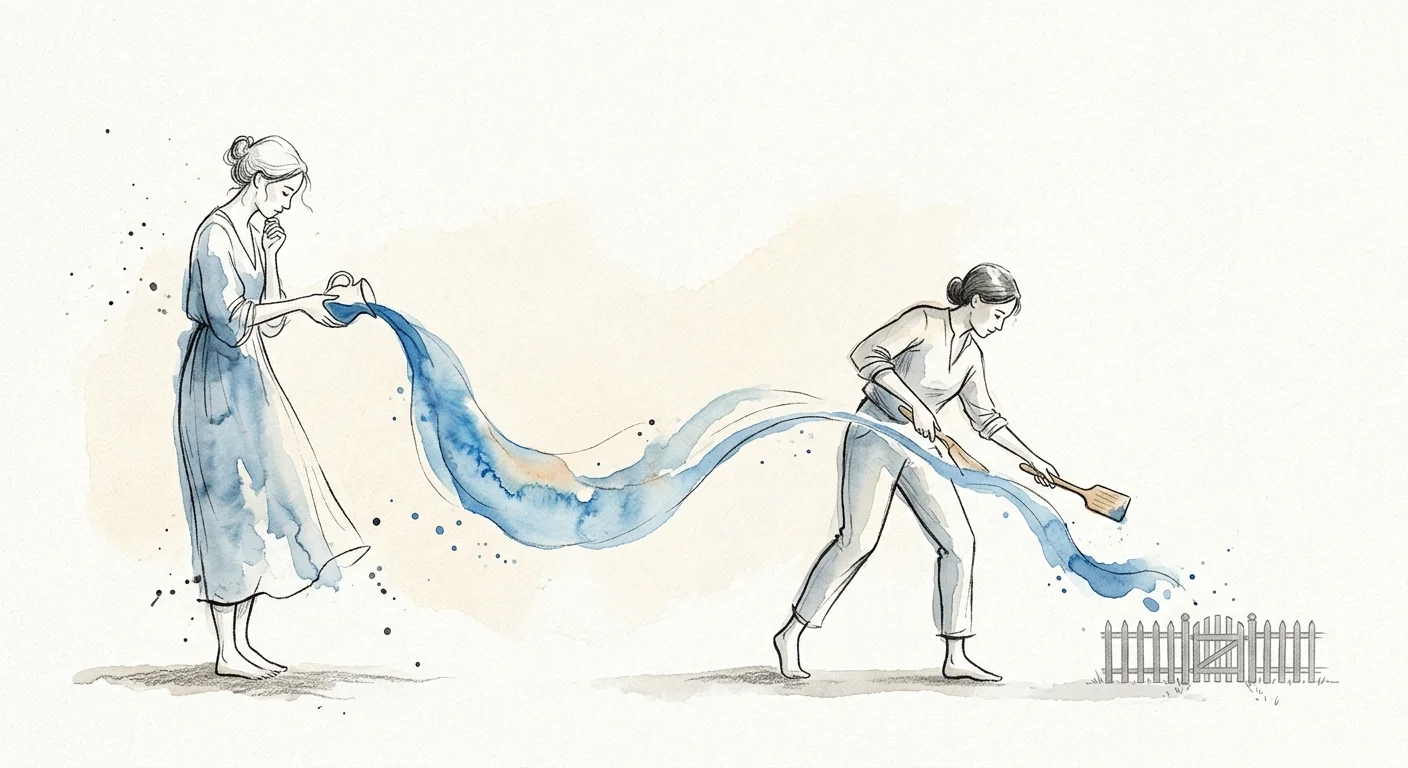
When you muster the courage to share something deeply personal, the response you receive dictates the safety of the relationship. A partner who ignores your feelings will frequently deflect the conversation away from your vulnerability. Instead of holding space for your sadness or frustration, they pivot to something completely trivial—like what to eat for dinner or an unrelated anecdote about their workday.
Deflection serves as an escape hatch for people who lack emotional bandwidth. By redirecting the dialogue, they avoid the discomfort of addressing your pain or looking at their own shortcomings. Imagine you mention feeling overwhelmed by your aging parents’ declining health. If your partner responds with, “Yeah, getting old is tough; anyway, did you see the neighbor’s new fence?” they are actively sidelining your emotional state. Over time, this specific behavior trains you to stop sharing the vital parts of your life. It fundamentally damages the trust required for a thriving partnership, leaving you feeling like a roommate rather than a cherished confidant. If you notice this happening, explicitly state, “I need you to stay on this topic with me for a few more minutes.” You deserve a partner who pauses, makes eye contact, and steps into your emotional world when you invite them in.
2. They Weaponize Logic to Invalidate Your Emotions
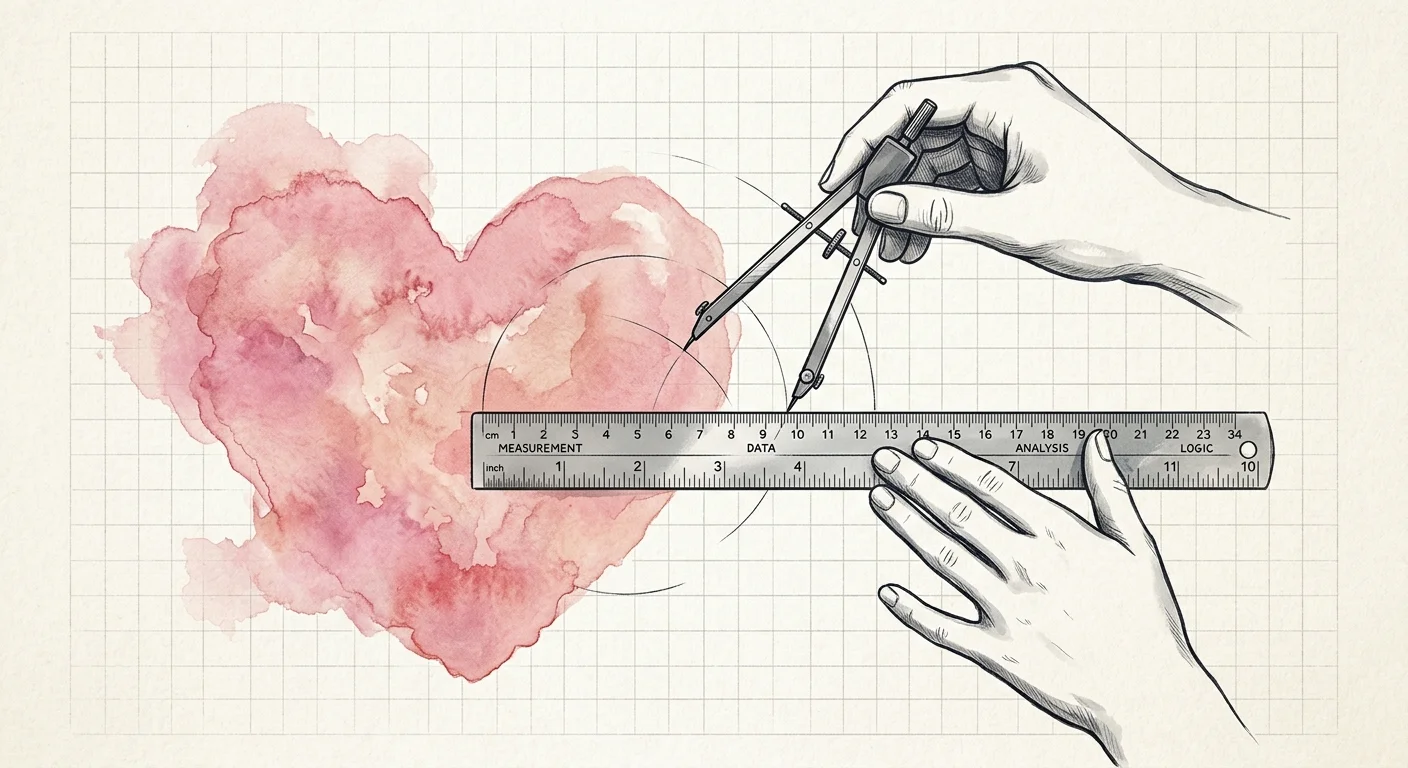
Feelings do not always adhere to strict rationality; they are subjective experiences rooted in our distinct perspectives and past experiences. A classic sign of emotional neglect occurs when your partner treats your emotions like a competitive debate they need to win. They might dissect your reaction point by point, demanding empirical evidence for why you feel hurt, jealous, or anxious.
Weaponized logic sounds like, “It makes absolutely no sense for you to be upset about my tone of voice because my words were technically polite.” This approach strips away empathy and replaces it with cold, calculating analysis. It communicates a damaging premise: your feelings are only valid if they pass a rigorous intellectual test graded by your partner. However, emotional validation is not about agreeing with the factual timeline of a situation; it is about acknowledging the reality of the emotional experience. When a partner prioritizes being “right” over being supportive, they dismiss the core of what you are communicating. Relationships require a bridge between two realities, not a courtroom where one person acts as the judge and jury over the other’s emotional landscape. Counter this dynamic by calmly stating, “I am not debating facts with you; I am sharing my emotional experience.”

3. Your Requests for Support Turn Into Arguments About Their Intentions
In healthy relationships, expressing a need prompts a collaborative effort to find a mutually beneficial solution. When a partner consistently ignores your feelings, they immediately perceive your requests for support as personal attacks. You might say, “I feel really disconnected when we spend the whole evening staring at our phones,” only to be met with intense, immediate defensiveness.
Instead of addressing your feelings of disconnection, they aggressively defend their need to unwind, listing all the reasons they work hard and deserve uninterrupted screen time. Suddenly, the conversation is entirely about defending their character or intentions, completely eclipsing your initial vulnerability. This maneuver forces you to abandon your own needs so you can comfort them or de-escalate the rising conflict. You often end up apologizing for bringing up an issue in the first place. This reversal leaves the original emotional rupture completely unaddressed and unhealed. A partner who values your feelings will listen to your concern without making it a referendum on their identity. Gently redirect these moments by stating, “I am not attacking your character; I am asking for a change in our routine so we can feel closer.”
4. They Offer Toxic Positivity Instead of Genuine Empathy
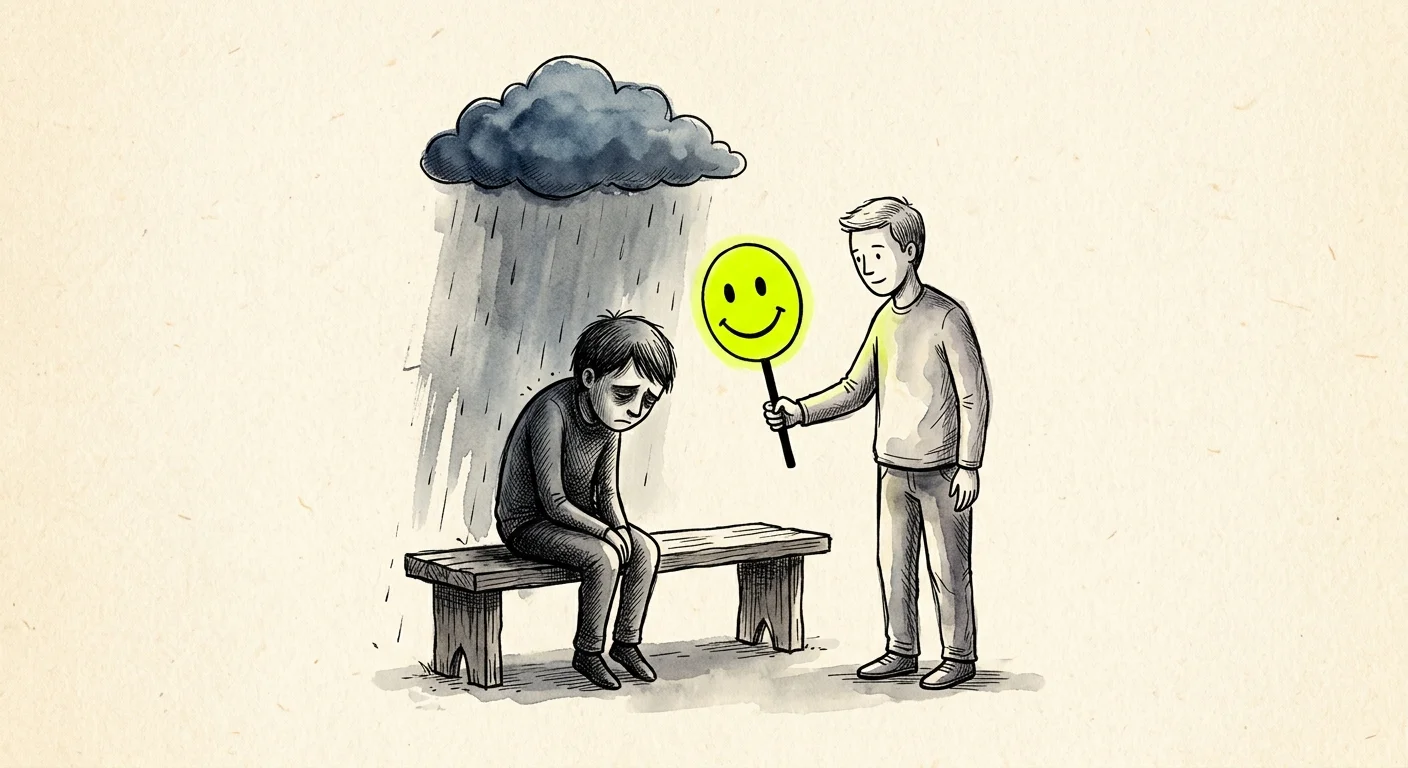
Toxic positivity disguises itself as helpful advice but actually functions as an emotional silencer. When you share distress, grief, or exhaustion, a dismissive partner will immediately respond with hollow, overly cheerful platitudes. Phrases like “Look on the bright side,” “Everything happens for a reason,” or “Just choose happiness” completely bypass the necessary, messy work of genuine empathy.
According to research highlighted by the American Psychological Association, genuine emotional validation significantly improves mood and emotional regulation, whereas minimizing a partner’s distress consistently leads to much poorer psychological outcomes. Bypassing negative emotions does not make them magically disappear; it simply forces you to carry the weight of them entirely alone. A truly supportive partner sits with you in the dark rather than rushing to flip on a blinding light. They understand that you do not need to be fixed, managed, or cheered up immediately—you just need to be heard. They tolerate the discomfort of your sadness because they prioritize your authentic expression over their own convenience. When faced with toxic positivity, let them know, “I do not need solutions right now; I just need you to listen.”

5. They Use Stonewalling to Punish Your Emotional Expression
Stonewalling involves shutting down completely, withdrawing from the interaction, and refusing to engage in any meaningful way. While some people stonewall because they feel physiologically flooded and overwhelmed by conflict, others use it as a punitive tool to control the relationship dynamic. If your partner physically walks away in the middle of your sentence, refuses to make eye contact, or gives you the silent treatment for days when you express dissatisfaction, they are erasing your feelings from the room.
The Gottman Institute identifies stonewalling as one of the most destructive communication patterns and a major predictor of relationship failure. It conveys a devastating message: your feelings are so bothersome that I am going to revoke my physical and emotional presence entirely. This creates an environment of intense anxiety and instability. You quickly learn to swallow your emotions to prevent the dreaded freeze-out, effectively silencing your authentic self just to maintain a fragile, artificial peace in your home. Address stonewalling by setting a firm boundary around communication breaks, agreeing to revisit difficult topics after a set cooling-off period rather than allowing silence to stretch indefinitely.
6. They Conveniently Forget Your Emotional Boundaries
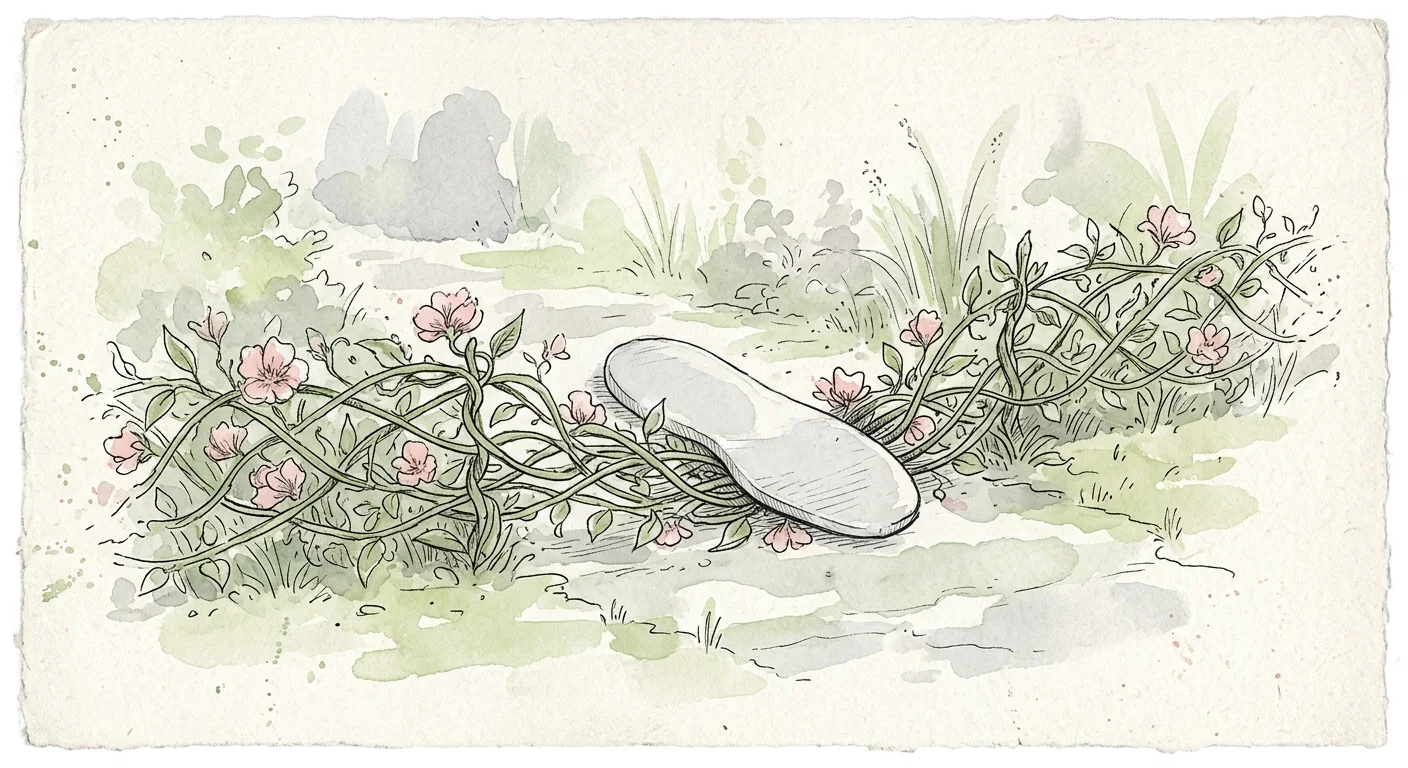
Boundaries dictate exactly how we need to be treated to feel safe, respected, and comfortable. If you have clearly communicated an emotional boundary—such as asking your partner not to joke about a specific insecurity regarding your career—and they repeatedly violate it, they are deliberately ignoring your feelings. They may aggressively brush off these infractions as mere forgetfulness, or they might flip the script and claim you are expecting too much from them.
Repeatedly crossing established limits is rarely about having a bad memory; it demonstrates a profound lack of value placed on your comfort. For instance, if you ask for thirty minutes to decompress after work before diving into household logistics, and they consistently barrage you with stressful questions the second you walk through the door, your need for transition time is being actively ignored. Respecting boundaries requires intentional, consistent effort. Ignoring them signals that your partner views their immediate impulses as far more important than your long-term emotional well-being. Enforce your limits by attaching calm but firm consequences, such as walking into another room when a boundary is crossed.
7. They Mock or Belittle Your Reactions in Front of Others
Public humiliation, even when casually framed as “just a joke,” is a significant red flag for emotional dismissal. Your partner might share private, vulnerable information with friends or use your genuine emotional reactions as a punchline at a dinner party. They might roll their eyes and say, “Oh, here comes the waterworks again,” or “Don’t mind them, they get hysterical over literally nothing.”
This behavior serves a highly damaging dual purpose: it minimizes your feelings and simultaneously recruits a captive audience to validate their dismissal of you. It strips you of your dignity and forces you to perform composure while you are internally hurting. A loving partner acts as a protective buffer for your vulnerabilities. They keep your private struggles strictly between the two of you unless you explicitly consent to sharing them. Using your feelings as social currency shows a severe lack of respect and empathy for your lived experience. Have a private, direct conversation explaining that your emotions are never to be used as public entertainment.
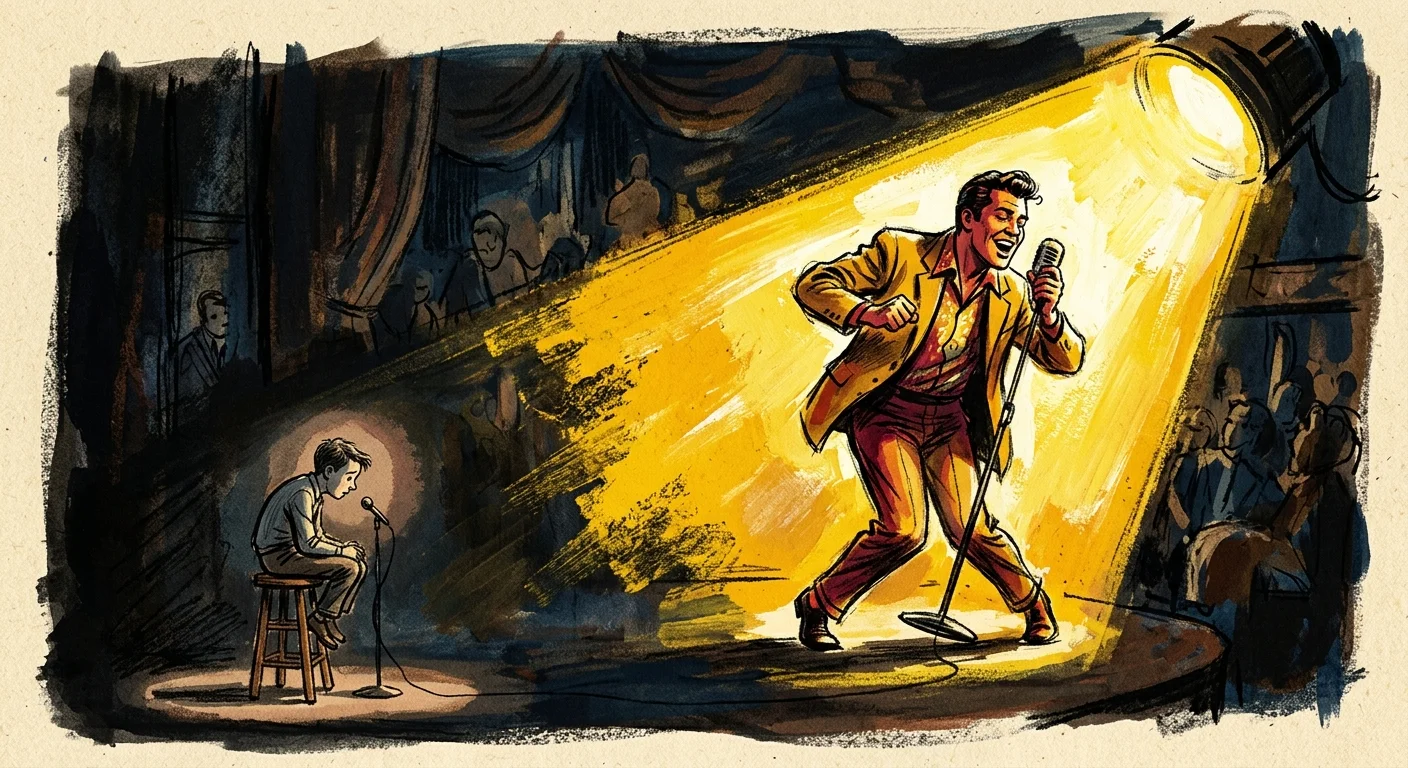
8. They Center Themselves When You Share a Personal Struggle
Sometimes emotional neglect is not overtly hostile; it can manifest as chronic, subtle self-centering. When you go to your partner seeking comfort for a terrible day at the office, they immediately hijack the conversation to talk about how much worse their day was. This dynamic turns emotional support into a draining competitive sport where you always lose.
If you express anxiety about an upcoming medical appointment, they might launch into an extended monologue about their own health anxieties, completely sidelining your initial bid for connection. You quickly find yourself comforting them instead of receiving the support you desperately sought. While mutual sharing is a natural part of a healthy dialogue, a partner who consistently eclipses your feelings with their own demonstrates a lack of capacity to hold space for anyone but themselves. It reveals an emotional immaturity that prevents true reciprocal intimacy from forming. You can kindly highlight this by saying, “I want to hear about your day too, but I need to finish sharing mine first.”

9. They Consistently Label You as Too Sensitive or Dramatic
Labels like “too sensitive,” “dramatic,” or “crazy” are classic invalidation techniques designed to shift the blame from their problematic behavior to your completely normal reaction. If they do something objectively hurtful and you express pain, labeling you as overly emotional completely absolves them of taking any real accountability.
This tactic functions as a subtle form of gaslighting. It makes you constantly question the reality and proportion of your own emotions. Over time, you might start believing that your emotional baseline is inherently flawed. You might lie awake asking yourself if you really are making a massive deal out of nothing. Healthy partners pause to evaluate the situation and consider how their actions genuinely impacted you; they do not pathologize your emotional responses simply to avoid taking responsibility for their own missteps. Reclaim your reality by trusting your internal compass; your sensitivity is a strength that allows you to connect deeply with the world, not a character flaw.

10. They Refuse to Repair the Connection After a Disagreement
Conflict is an inevitable part of any shared life, but repair is always a choice. The immediate aftermath of an argument reveals volumes about how a partner truly views your emotional world. Someone who values your feelings will initiate or readily accept repair attempts—a gentle physical touch, a sincere apology, a shared joke to break the tension, or a calm conversation about what went wrong and how to fix it.
If your partner insists on sweeping the conflict directly under the rug and acting like nothing happened, they are aggressively ignoring the emotional residue left behind. Refusing to repair means they are completely comfortable leaving you in a state of distress, just as long as the outward peace is quickly restored. This leaves you carrying the heavy, exhausting emotional weight of unresolved conflicts, which eventually hardens into deep-seated resentment and permanent detachment. Advocate for your relationship by insisting on a post-conflict debrief, explaining that sweeping issues away does not actually make them disappear.
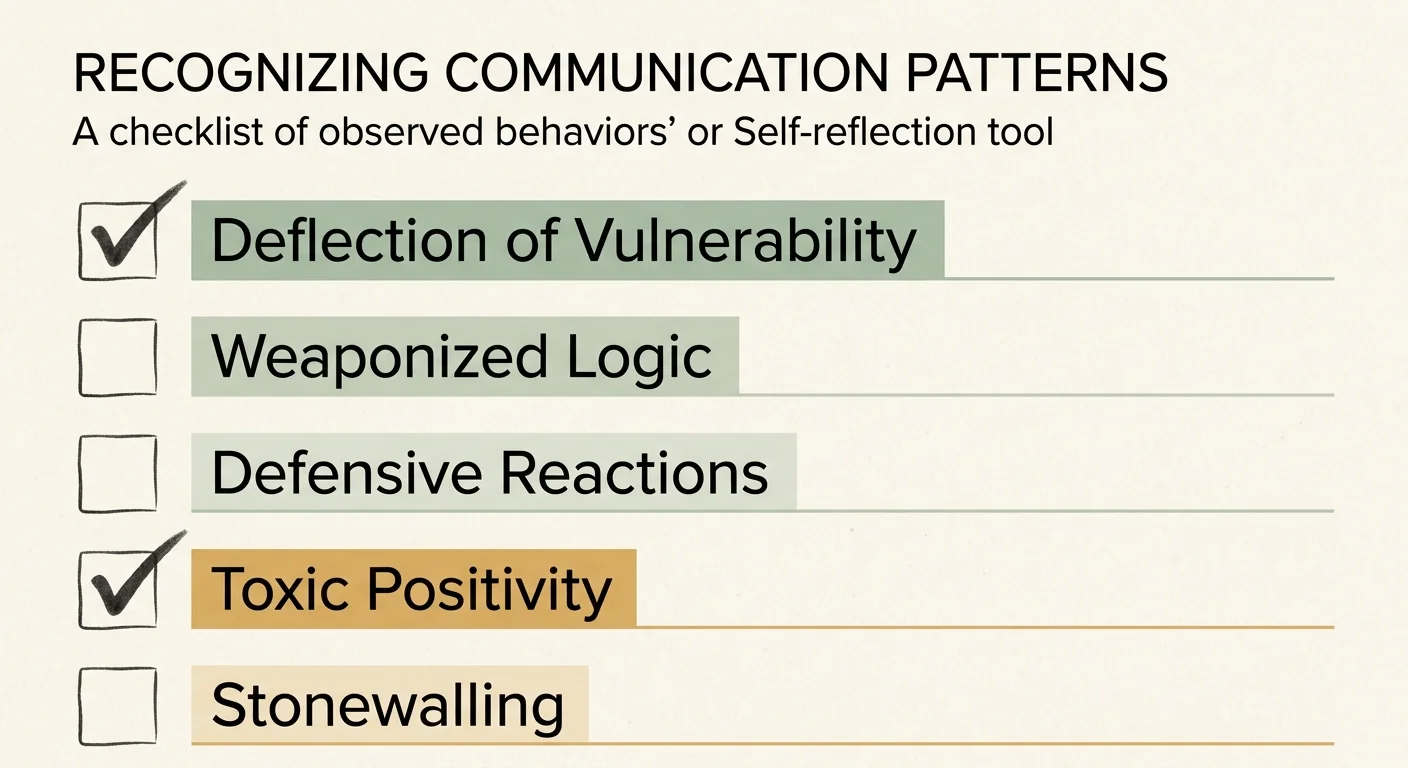
Checklist: Are You Experiencing Emotional Neglect?
Evaluating relationship dynamics can feel overwhelming when you are deeply entrenched in them. It is easy to normalize unhealthy patterns simply because you encounter them every day. Use this actionable checklist to objectively assess whether your partner is sidelining your feelings. If you find yourself agreeing with multiple statements, it is time to reevaluate the emotional health of your partnership:
- You mentally rehearse conversations multiple times to figure out the “safest” way to speak without triggering their defensiveness.
- You frequently apologize for expressing dissatisfaction or asking for basic emotional support.
- You feel profoundly lonelier in the presence of your partner than you do when you are by yourself.
- You withhold sharing good news or achievements because their reaction is usually underwhelming, sarcastic, or critical.
- You routinely question your own sanity or emotional stability after discussing relationship issues.
- You notice a distinct lack of follow-up questions when you mention feeling stressed, sad, or overwhelmed.
- Your physical intimacy feels mechanical and disconnected because the foundational emotional intimacy is entirely absent.
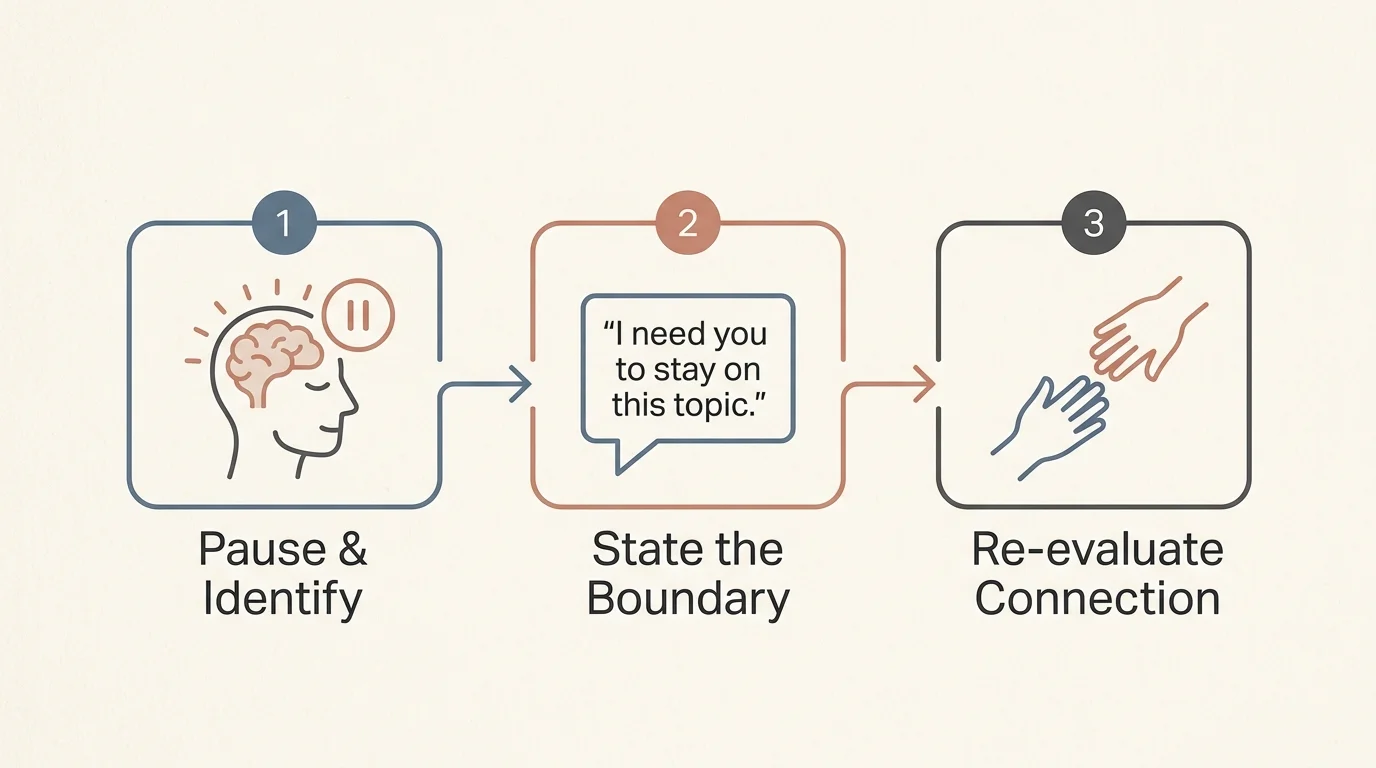
How to Respond When Your Feelings Are Sidelined
Recognizing these patterns is the first crucial step; taking action requires strategy, boundaries, and courage. Start by completely changing how you communicate your limits. Use statements that center on your own non-negotiables rather than their behavior. Instead of saying, “You never listen to me,” try, “I need to feel heard right now. If we cannot have a constructive conversation, I am going to step into the other room until we are both ready to listen.” This removes the immediate attack while preserving your emotional safety.
Do not fall into the exhausting trap of over-explaining your emotions. You do not need to present a courtroom-ready defense to justify why you feel sad or anxious. State your feelings clearly and firmly. If your partner attempts to debate your reality or weaponize logic, refuse to engage in the argument. You might say, “I am not debating how I feel. I am simply informing you of my experience.” Standing firm in your reality slowly dismantles the power of their invalidation.
Seek external support to recalibrate your sense of normalcy. Because emotional invalidation skews your perception of what is acceptable behavior, discussing your experiences with a trusted friend, a relationship support group, or a licensed therapist helps ground you in reality. Rebuilding your self-trust is paramount. Your feelings are vital data points about your environment and well-being; do not let anyone convince you to ignore your own internal compass.
In instances where emotional dismissal escalates into coercion, controlling behavior, isolation, or intense verbal abuse, the dynamics shift rapidly from manageable relationship issues to serious safety concerns. If your partner actively isolates you from loved ones, uses your vulnerabilities to threaten you, or makes you feel physically or emotionally endangered, recognize that you cannot fix these patterns through better communication alone. The National Domestic Violence Hotline offers confidential support, expert guidance, and safety planning resources for individuals navigating toxic and abusive environments. Please reach out to a professional immediately if you feel trapped, frightened, or unsafe in your own home.