

Entering the dating world later in life brings a unique blend of freedom, self-awareness, and cautious optimism. You have likely spent decades building a life you love, weathering storms, and figuring out exactly what you value. Now, as you consider sharing your time with someone new, the stakes feel entirely different. You are no longer navigating the pressures of building a career from scratch or raising young children; instead, you are looking for a true companion who complements your established lifestyle.
It is incredibly common to seek love later in life. According to Pew Research, about three in ten adults aged 65 and older are currently single, and many are actively seeking meaningful connections. Yet, finding the right partner requires moving past surface-level small talk. You need to engage in honest dating talk to ensure your lifestyles, values, and future visions truly align.
Asking the dating serious questions 60+ adults face will save you from heartache and help you build a resilient, fulfilling partnership. Before you merge your life with someone new, sit down, pour a cup of coffee or a glass of wine, and explore these nine essential questions.

1. What Are Your Expectations for Our Day-to-Day Lives?
When you are in your twenties, getting serious almost always means moving in together, getting married, and combining every aspect of your daily routines. In your sixties and beyond, the blueprint is entirely up to you. You and your partner might have wildly different ideas about what a committed relationship looks like on a typical Tuesday afternoon.
Some older adults want a traditional setup where they share a home, cook meals together, and sleep in the same bed every night. Others prefer a modern arrangement known as “Living Apart Together” (LAT). This lifestyle allows couples to maintain a deeply committed, intimate relationship while keeping their separate residences. It is a highly popular choice for seniors before committing; in fact, nearly 3.9 million Americans live apart while remaining in committed relationships. A recent UK study also highlighted that older adults in LAT relationships experience significant mental health benefits, balancing intimate union with individual autonomy. Discussing your daily expectations early prevents one person from feeling smothered and the other from feeling abandoned.
How to ask this: “I love the time we spend together, and I have been thinking about what our future looks like. Do you envision us eventually sharing a home, or do you prefer the idea of keeping our own spaces and living apart together?”

2. How Do You Handle Finances and Future Planning?
Money is a notoriously uncomfortable topic, but avoiding it is a luxury you cannot afford. By the time you reach your sixties, you have likely solidified your financial situation—whether that means living on a carefully managed fixed income, enjoying a robust retirement fund, or managing existing debt. Merging your life with someone else requires total financial transparency.
You need to know if your partner is financially stable or if they expect you to subsidize their lifestyle. You also must discuss how you will handle shared expenses. Will you split dinner bills down the middle? If one of you wants to take a luxury cruise and the other cannot afford it, how will you bridge that gap? Furthermore, you must consider estate planning and inheritance; you both likely want to protect the assets you plan to leave to your respective children or chosen beneficiaries. Laying all your financial cards on the table builds deep trust.
How to ask this: “As we get closer, I think it is important that we understand each other’s financial realities. How do you usually handle shared expenses in a relationship, and how are you managing your retirement planning?”
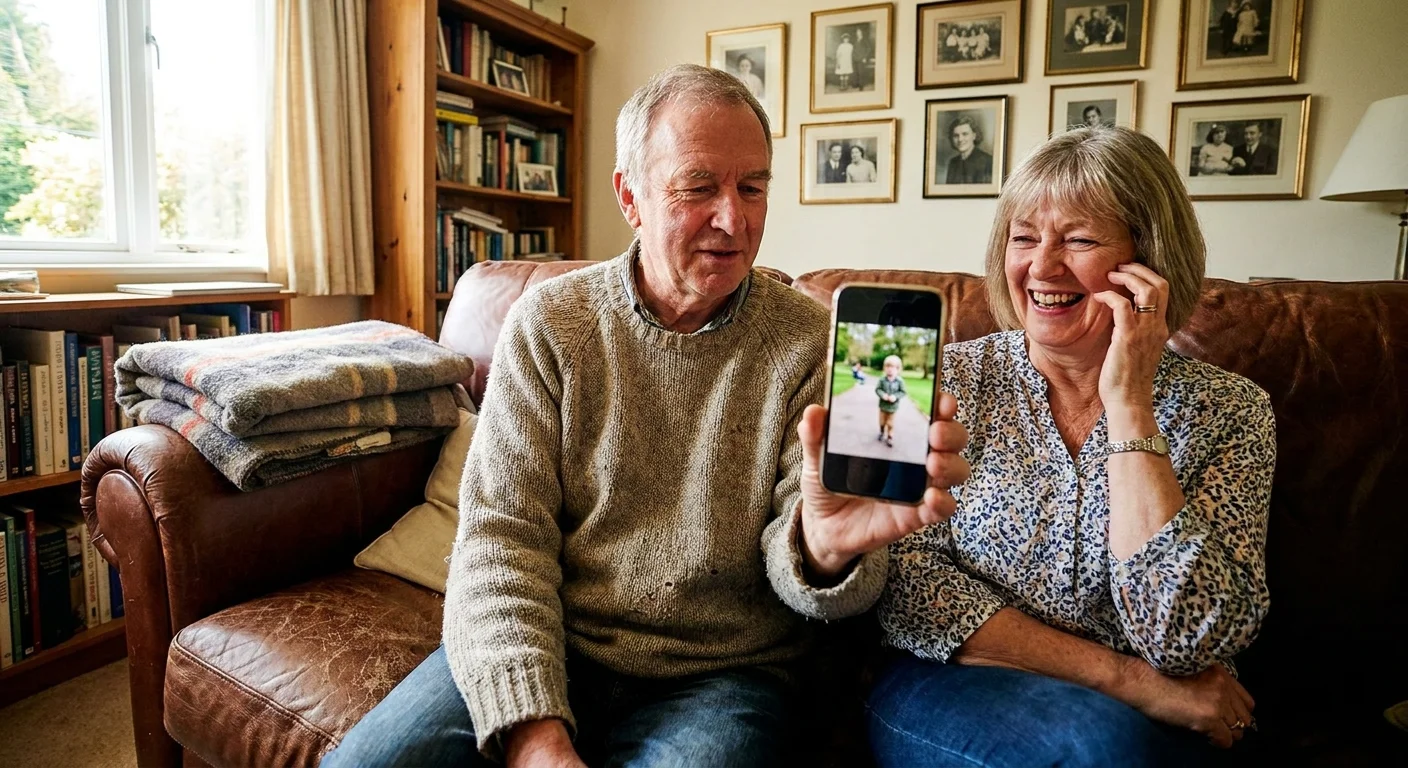
3. What Is Your Relationship Like With Your Adult Children and Extended Family?
When you date someone later in life, you are not just dating them; you are navigating their entire family ecosystem. One of the most vital second relationship tips is to assess family dynamics early on. Adult children can be wonderfully supportive of their parent’s new relationship, but they can also be fiercely protective, skeptical, or even hostile.
You need to understand how enmeshed your partner is with their family. Do their adult children rely on them heavily for financial support or daily childcare for grandchildren? Will family obligations constantly supersede your plans together? You also need to discuss how holidays and traditions will be handled. Conversely, if your partner is estranged from their children, understanding the root of that estrangement can provide valuable insight into their conflict-resolution skills and emotional history.
How to ask this: “Your family seems very important to you. How do you see me fitting into the picture with your kids and grandkids? Have they been supportive of you dating again?”

4. How Do You Approach Health, Aging, and Caregiving?
Health is a central pillar of life after 60. While you both may be perfectly healthy and active right now, the reality of aging means that medical challenges will eventually arise. When considering relationship questions, elderly couples must confront the possibility of caregiving long before an emergency strikes.
You need to know how your partner views their physical well-being. Are they proactive—eating well, exercising, and visiting the doctor regularly—or do they ignore symptoms and hope for the best? Most importantly, you must discuss expectations around caregiving. If your partner falls ill, do they expect you to become their full-time nurse? Are they prepared to hire outside help or move to an assisted living facility if necessary? Establishing these boundaries now prevents resentment and caregiver burnout later.
How to ask this: “We are both so active right now, but I know health can change unexpectedly. If one of us were to face a serious health issue down the road, how would you want to handle caregiving and medical support?”

5. What Role Does Travel and Leisure Play in Your Life?
Retirement often brings a massive surge of free time, and how you choose to fill that time is a major indicator of compatibility. If you have spent your life saving up to travel the world, but your partner is a homebody who despises airports and prefers tending to their garden, you will quickly encounter friction.
Energy levels vary wildly in your sixties and seventies. You need a partner whose daily rhythm complements your own. Discuss what a perfect weekend looks like. Talk about your bucket lists. You do not need to share every single hobby, but your overarching visions for leisure and adventure must align well enough that neither of you feels held back or dragged along.
How to ask this: “Now that we have more time on our hands, what are the top three things you want to experience in the next five years? Do you see us traveling a lot, or do you prefer staying close to home?”

6. How Did Your Past Relationships End, and What Did You Learn?
By this stage in life, everyone brings a history to the table. You have likely experienced significant loss, whether through a painful divorce, the tragic passing of a spouse, or the quiet dissolution of a long-term partnership. How your partner talks about their past speaks volumes about their present emotional maturity.
Listen closely to their narrative. If they blame all their exes for everything that went wrong, they likely lack self-awareness and accountability. If they are recently widowed, they may still be actively grieving. Grief does not disqualify someone from finding new love, but you must ensure they have done the emotional work to heal. They need to be truly ready to build a new chapter with you, rather than simply looking for a replacement for the spouse they lost.
How to ask this: “We have both lived full lives before meeting each other. Looking back at your past long-term relationships, what do you feel was your biggest takeaway or lesson about yourself?”

7. What Are Your Boundaries Regarding Independence and Alone Time?
You have spent years curating a life that brings you peace. You have your own friends, your own routines, and your own sanctuaries. A healthy relationship should enhance that life, not consume it. However, some people enter relationships wanting to do absolutely everything together, which can quickly feel suffocating if you are used to your fierce independence.
It is vital to discuss how much alone time you both need to recharge. You must assure each other that maintaining separate friendships, taking solo trips, or enjoying quiet mornings alone is not a rejection of the relationship. Rather, these boundaries serve as a way to keep your individual identities vibrant and ensure you always have something new to share with each other.
How to ask this: “I really value the time I spend with my friends and the quiet mornings I have to myself. How do you balance being in a committed relationship while still maintaining your own independence?”

8. How Do We Navigate Intimacy and Physical Affection?
There is a persistent, entirely false societal myth that older adults do not care about physical intimacy. The data tells a very different story. According to AARP research, 61% of adults over 40 believe sexual activity is a critical part of a good relationship. Additionally, nearly half of older Americans say they are satisfied with their current sex lives.
Physical changes, medications, and health conditions can certainly impact how you experience intimacy after 60, making open, shame-free communication absolutely essential. You need to be able to talk about your desires, your physical limitations, and what makes you feel loved and cherished. Intimacy is not just about sex; it encompasses holding hands, cuddling on the couch, kissing, and feeling emotionally tethered to your partner through physical touch.
How to ask this: “Physical affection and intimacy are important to me in a relationship. How do you feel about our physical connection, and are you comfortable talking openly about what we both need to feel close?”

9. Are We Both Committed to Honesty and Emotional Safety?
Emotional safety means trusting that your partner has your best interests at heart, communicates honestly, and respects your vulnerabilities. In the modern dating landscape, safety also carries a very literal, financial meaning. Older adults are frequently targeted by bad actors, making vigilance a necessary part of romance.
Scammers aggressively exploit the natural human desire for companionship. The FBI reports that older Americans lost nearly $4.9 billion to fraud in 2024. Additionally, AARP research reveals that nearly 1 in 10 adults age 50 and older has interacted with someone online who eventually asked for money or cryptocurrency. Before getting serious, you must verify that the person you are falling for is exactly who they say they are. A trustworthy partner will never pressure you for money, insist on keeping the relationship a secret, or isolate you from your loved ones. They will welcome your questions and willingly integrate you into their real life.
Note: If you ever experience abuse, coercion, severe distress, or feel unsafe in a relationship—whether emotional, financial, or physical—please seek professional help or contact local authorities immediately. You deserve to feel secure and respected at all times.
How to ask this: “Honesty and building a solid foundation of trust are my top priorities. Are we on the same page about keeping our communication transparent and protecting the emotional safety of this relationship?”
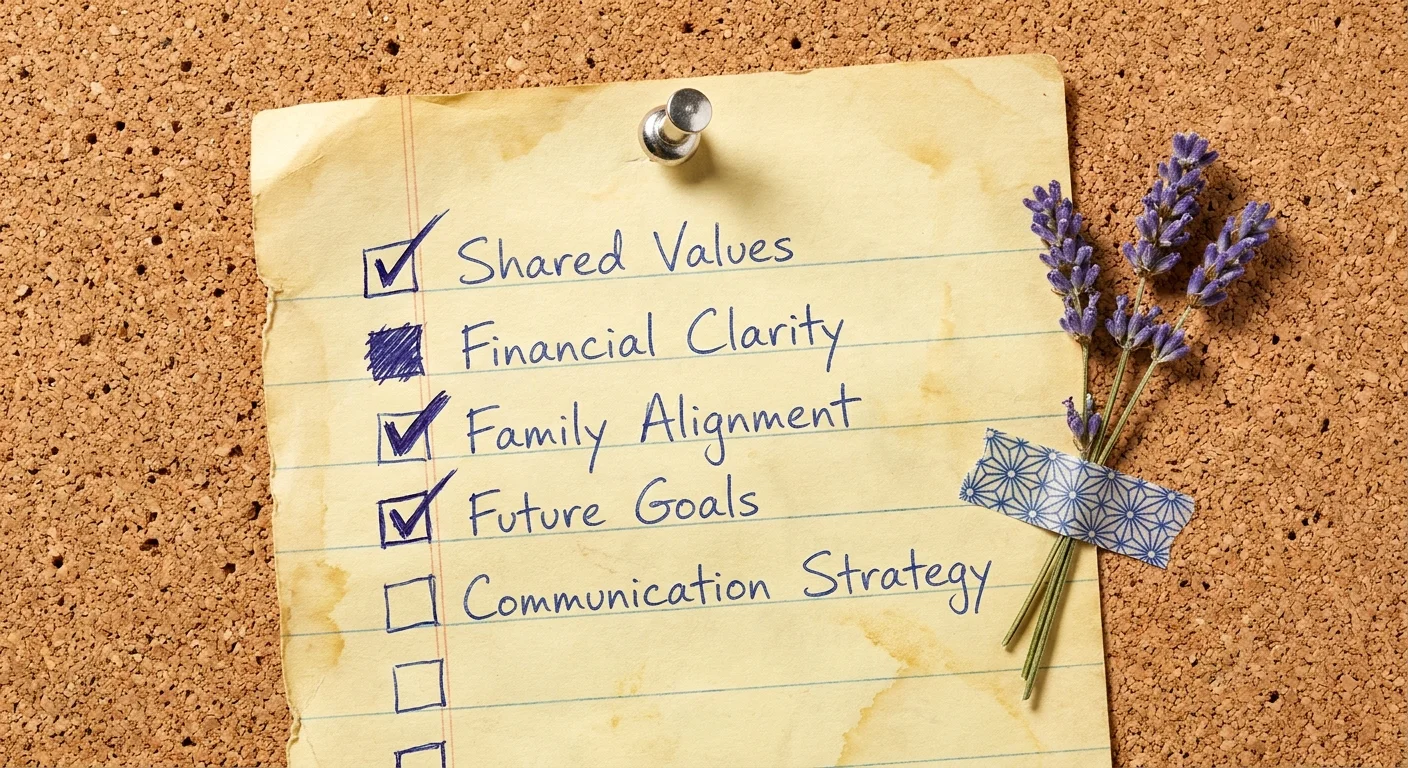
Checklist: Signs You Are Ready to Commit
If you have navigated these difficult conversations and feel confident in your partner’s responses, you might be ready to take the next step. Use this practical checklist to evaluate your readiness for a serious commitment:
- You communicate without fear: You can bring up sensitive topics—like money, health, or boundaries—without worrying that your partner will erupt in anger or shut down entirely.
- Your lifestyles are compatible: Your daily energy levels, travel aspirations, and social needs naturally complement each other.
- You respect each other’s independence: You encourage one another to maintain separate friendships, hobbies, and personal space without jealousy.
- There are no financial secrets: You have both been transparent about your financial realities, debts, and retirement goals, and you agree on how to handle shared expenses.
- Family boundaries are clear: You understand how you fit into each other’s extended families and have discussed how to handle potential conflicts with adult children.
- You share similar health philosophies: You agree on how to handle aging proactively and have discussed future caregiving expectations openly.
- You feel emotionally and physically safe: Your partner respects your boundaries, never pressures you for financial help, and consistently makes you feel secure and cherished.

Building a Meaningful Connection in Your Later Years
Dating after 60 is an incredible opportunity to build the most intentional, rewarding relationship of your life. You no longer have to settle for someone who simply looks good on paper; you have the hard-earned wisdom to seek out someone who truly enriches your soul. Asking these nine questions requires courage. It means stepping out of your comfort zone and risking an uncomfortable moment to protect your long-term happiness and peace of mind.
When you find a partner who meets these questions with openness, empathy, and honesty, you will know you have found someone worth holding onto. Love later in life is not about finding someone flawless; it is about finding someone who is perfectly willing to walk alongside you, honoring the incredible life you have already built while enthusiastically co-authoring your next great chapter.









Leave a Reply