
Eliminating toxic language from your vocabulary protects your marriage from unnecessary damage and creates a safe space for open communication. Recognizing and removing these twelve destructive statements is a crucial step toward maintaining a resilient, loving connection with your partner. While every couple argues, healthy conflict relies on respect rather than personal attacks or defensiveness. The things you say to your spouse during moments of anger or exhaustion leave a lasting imprint on your relationship’s foundation. Certain phrases act like emotional poison, eroding trust and breeding resentment over time. Replace these harmful habits with emotionally intelligent responses to build your marriage up instead of tearing it down completely.
1. You Always Do This
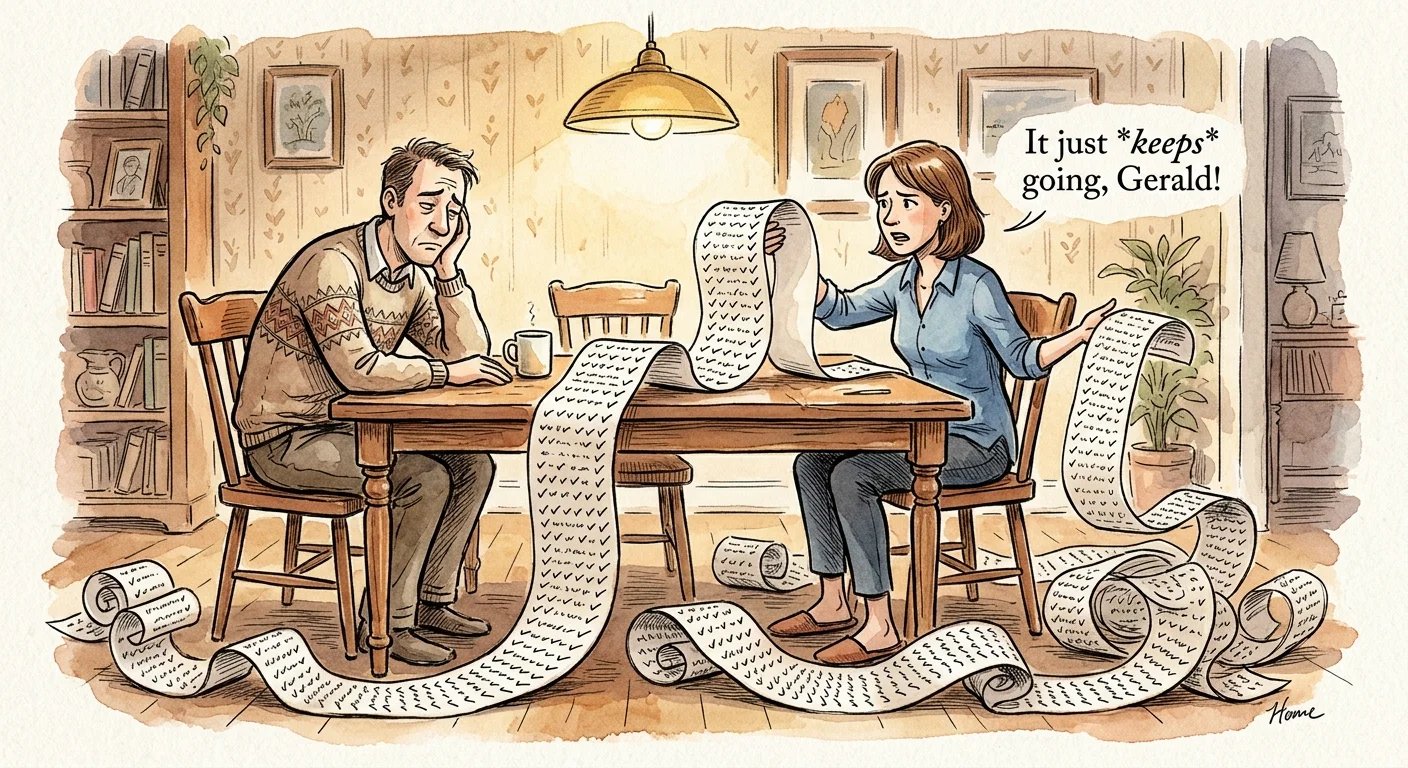
Using absolute terms like “always” and “never” immediately puts your spouse on the defensive. When you declare, “You never help around the house,” you erase every instance they actually did pitch in. Dr. John Gottman’s extensive relationship research identifies this type of global attack as criticism, which ranks among the “Four Horsemen” that predict relationship failure. Instead of addressing a specific, solvable problem, you launch an assault on your partner’s character. This forces them to stop listening and start building a defense; the original issue gets completely lost in the crossfire.
Actionable insight: Implement a gentle start-up to express your needs. Frame your frustration around a specific event and your own emotional experience. For example, say, “I felt overwhelmed last night when I had to clean the kitchen alone. I would appreciate it if we could tackle the dishes together tonight.” This approach invites cooperation rather than triggering a defensive counterattack.
2. I Want a Divorce
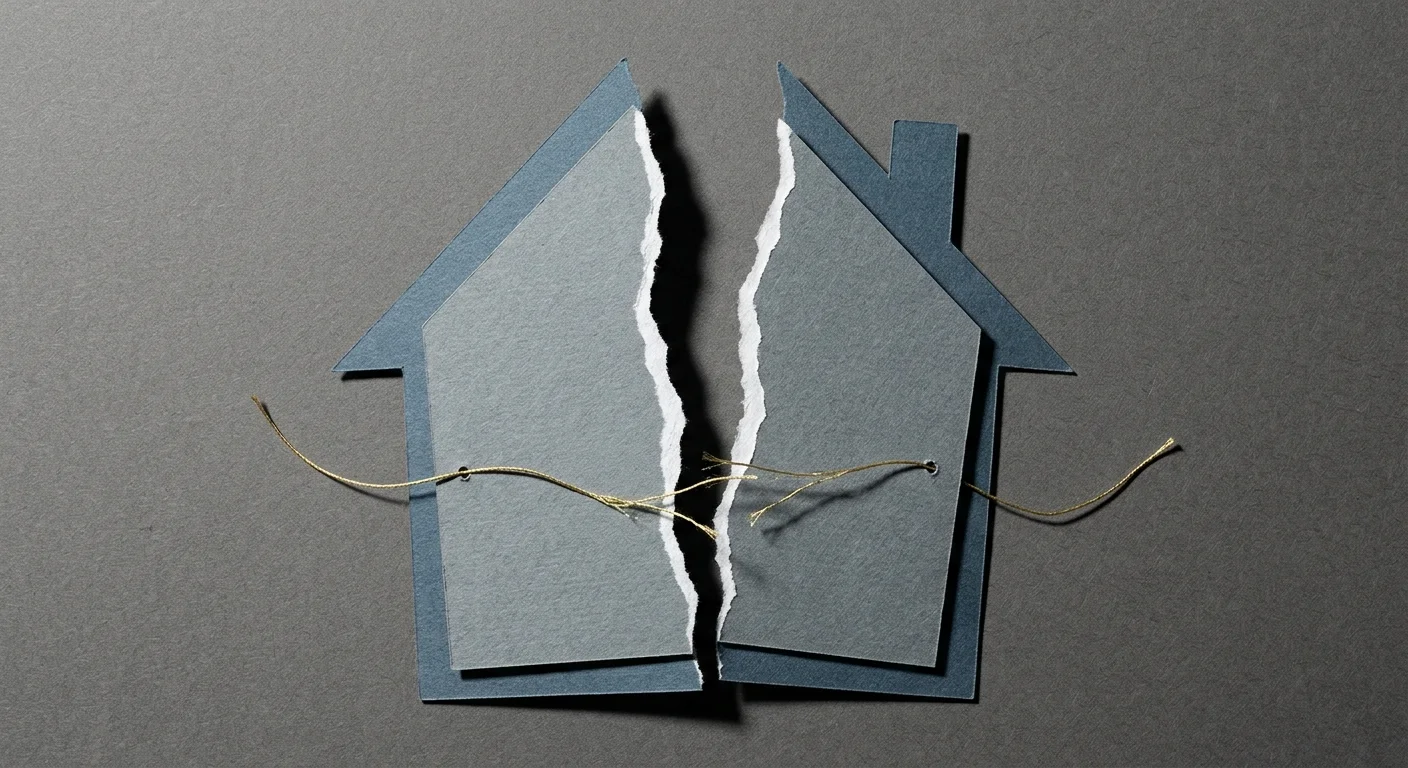
Tossing out the word “divorce” during a heated argument fractures the foundation of your marriage. Using this threat to win a fight or manipulate your partner’s behavior creates deep-seated insecurity. Your spouse needs to know the relationship remains secure, even when you feel furious with each other. Repeatedly threatening abandonment severely erodes trust; eventually, your partner will start emotionally preparing for the end of the marriage to protect themselves. Empty threats generate lasting trauma that a simple apology cannot easily erase.
Actionable insight: Call a formal timeout if your anger reaches the point where you want to issue ultimatums. Step away and allow your nervous system to regulate before resuming the conversation. Establish a clear boundary during times of peace that neither of you will threaten divorce unless you actively plan to file the paperwork. You might say, “I am too angry to speak constructively right now. I am going to take a walk, and we can revisit this in an hour.”
3. You Are Acting Just Like Your Parents
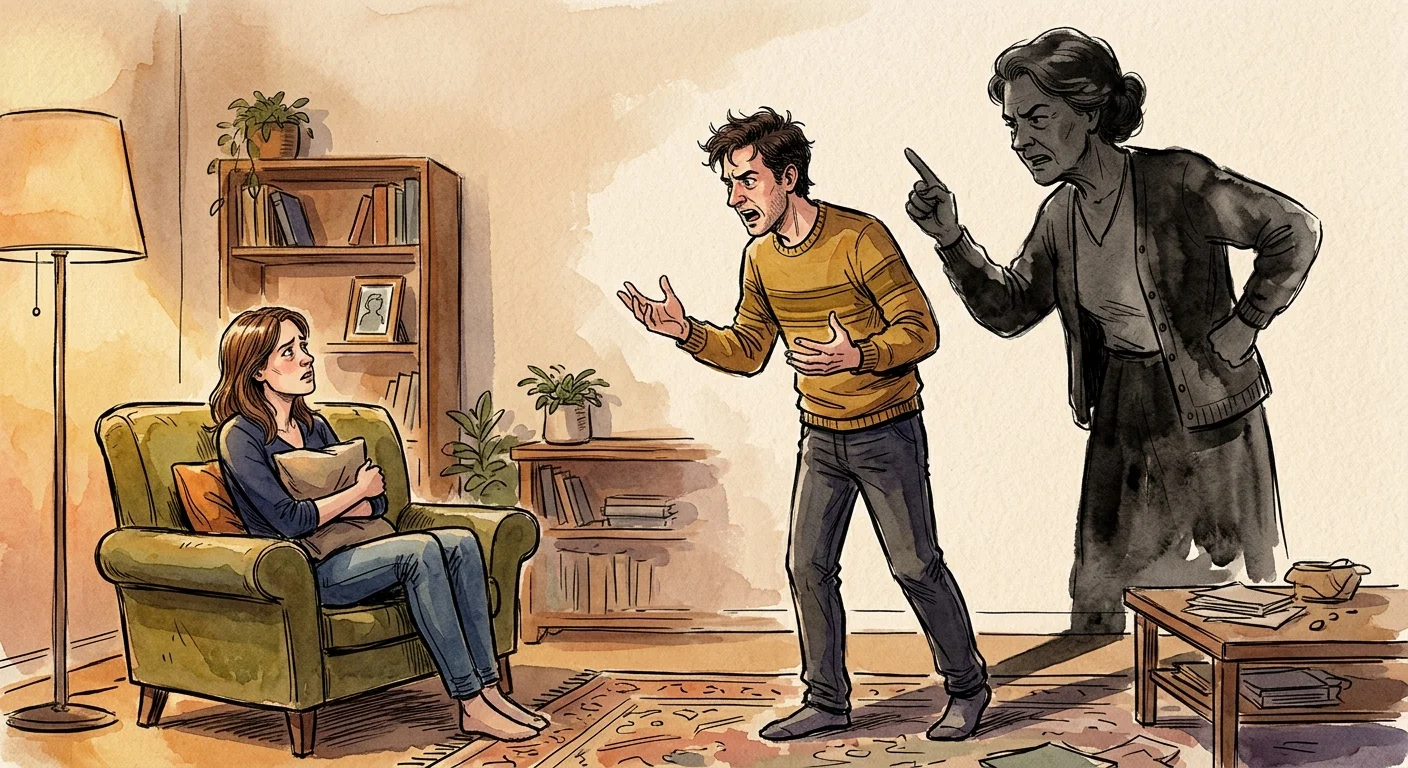
Comparing your spouse to a difficult family member acts as a low blow designed to inflict maximum pain. This statement weaponizes your partner’s family history against them, hitting a highly sensitive emotional nerve. It carries a heavy dose of contempt—a toxic communication style conveying disgust and moral superiority. Relationship researchers note that contempt remains the single greatest predictor of divorce. Sneering at their family traits tells your spouse you view them with profound disdain, making it nearly impossible to resolve the underlying conflict respectfully.
Actionable insight: Keep your focus entirely on your spouse’s current behavior. Address the specific action that frustrates you without dragging their family tree into the mud. If they raise their voice, address the volume of the conversation directly. Say, “Please lower your voice so I can understand what you need,” instead of, “You are yelling just like your father.”

4. It Is Not a Big Deal
When you tell your spouse their concern is not a big deal, you completely invalidate their emotional reality. What seems trivial to you—like being ten minutes late or forgetting to run an errand—might represent a core emotional trigger for them. Dismissing their feelings signals that their emotional safety holds no value to you. Over time, a partner who feels chronically dismissed will simply stop sharing their inner world with you, leading to emotional distance.
Actionable insight: Lean into genuine curiosity. The American Psychological Association notes that assuming your partner’s perspective has validity encourages curiosity, which serves as a powerful tool for maintaining a healthy connection. Ask clarifying questions to understand why the issue affects them so deeply, such as, “Help me understand why this feels so important to you. I want to see this from your perspective.”
5. Why Can You Not Be More Like…
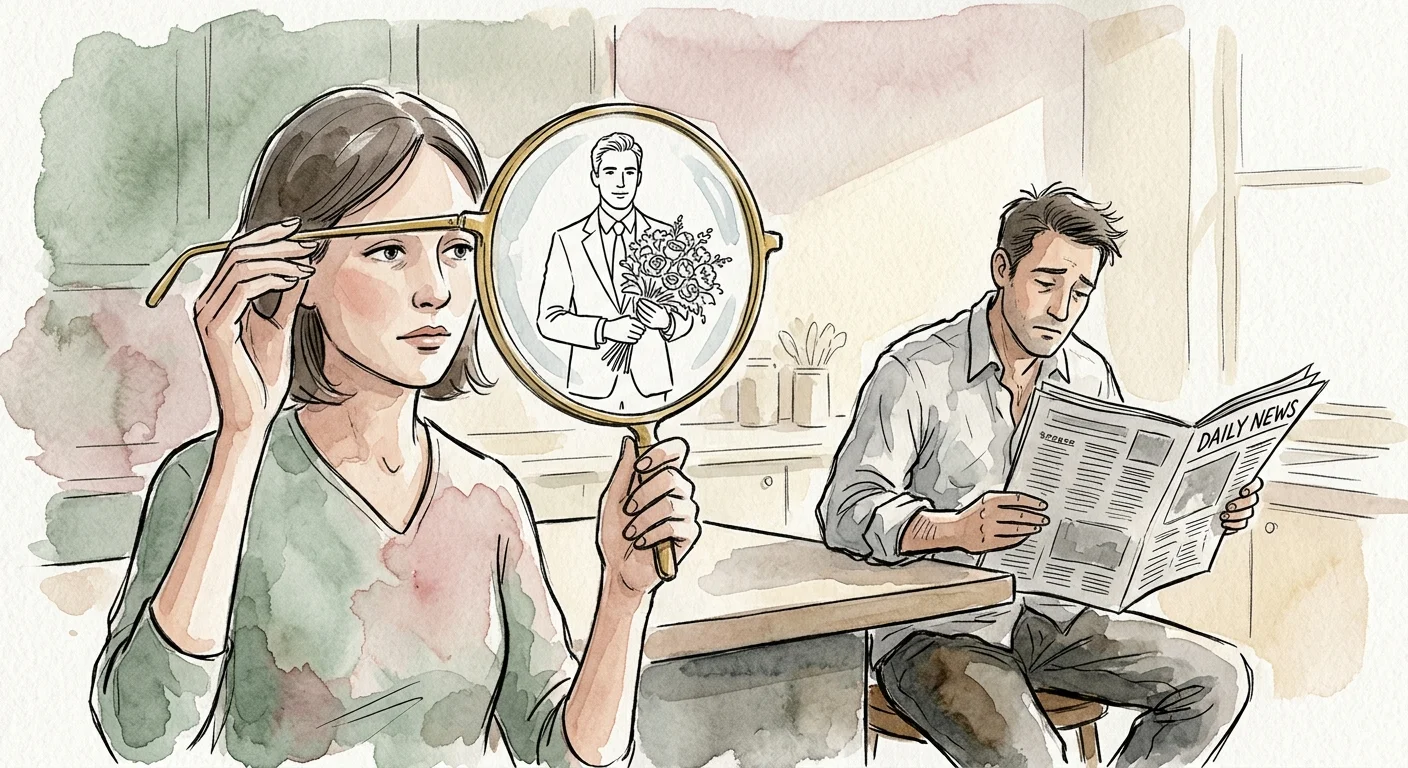
Comparison acts as the thief of joy, and it serves as absolute poison to a marital bond. Comparing your spouse’s career trajectory, physical fitness, or romantic gestures to a friend’s partner breeds profound resentment. Your spouse wants to feel uniquely cherished for who they are; measuring them against an idealized version of someone else destroys their self-esteem. This type of statement usually stems from your own unmet needs, but it manifests as a cruel critique of their inadequacies.
Actionable insight: Translate your complaints into direct requests. If you crave more romance, ask for it specifically rather than weaponizing another couple’s relationship. Say, “I would love it if we could plan a dedicated date night this weekend,” rather than complaining, “Mark always takes Sarah out on weekends; why do we never do anything exciting?”

6. If You Really Loved Me, You Would…
This manipulative phrase crosses a dangerous line from a simple request into emotional blackmail. By tying your spouse’s love for you to a specific demand, you engineer a toxic, lose-lose scenario. They either comply out of guilt—which breeds lingering resentment—or they refuse and face false accusations of not loving you. Healthy marriages operate on mutual respect and free will; they do not rely on coercion to achieve a desired outcome.
Important note: Using ongoing emotional coercion to control a partner’s actions serves as a severe red flag. If your relationship involves persistent coercion, isolation, or threats to your safety, these behaviors escalate far beyond poor communication. Please seek professional support. You can contact the National Domestic Violence Hotline to explore your options safely.
Actionable insight: State your needs cleanly, without attaching a pass-or-fail test of your partner’s devotion. Take ownership of your desires while inviting them to collaborate with you. Say, “I really need your help with this project,” instead of framing it as a measure of their affection.
7. I Do Not Care
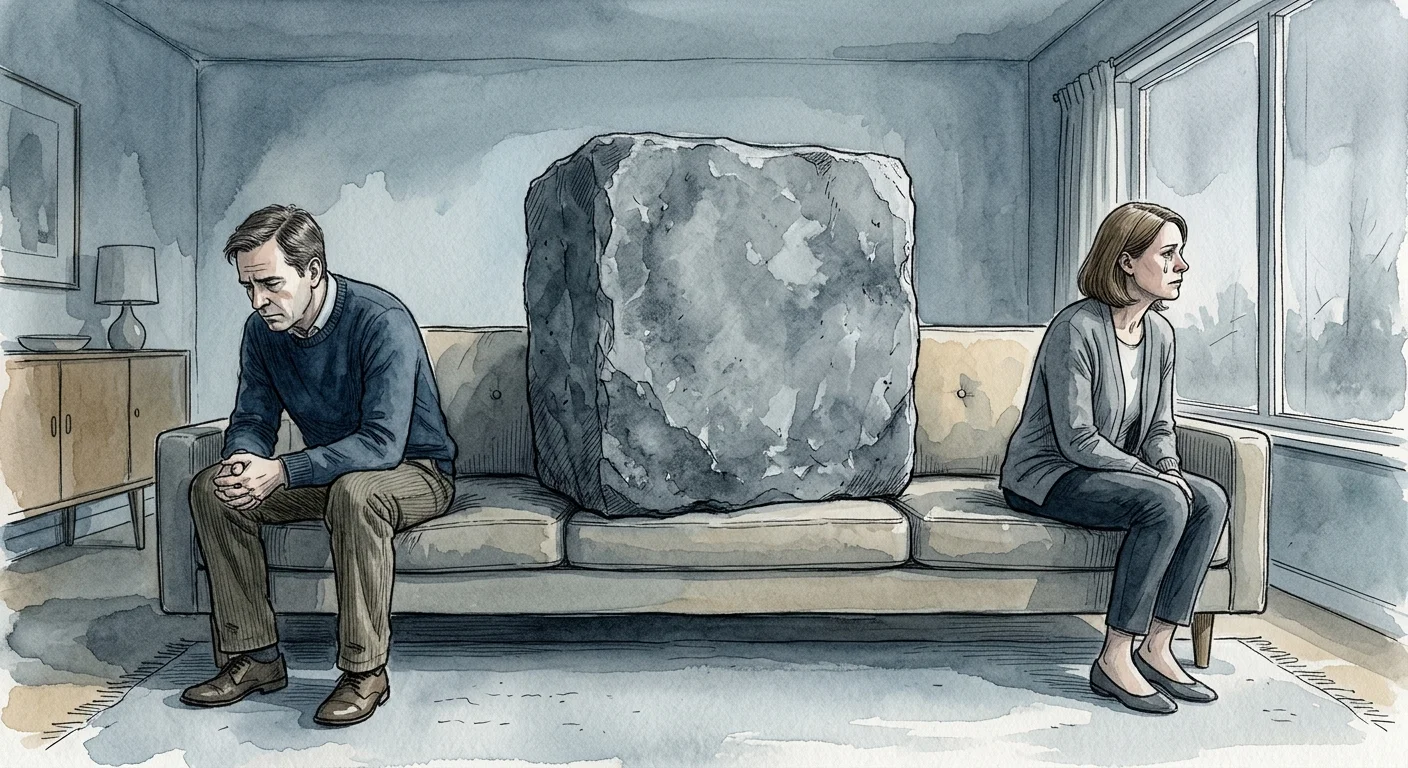
Apathy often causes more damage than overt anger. When you respond to your spouse’s attempts to connect or resolve a conflict with “whatever” or “I do not care,” you actively engage in stonewalling. Stonewalling occurs when one person completely withdraws from the interaction, shutting down all dialogue and leaving the other person feeling deeply abandoned. It communicates that you no longer value the relationship enough to put in the effort to fix it.
Actionable insight: Recognize when you feel too flooded to engage constructively and communicate that boundary clearly. Instead of dismissing your partner, establish a temporary pause. Say, “I am feeling too overwhelmed to have a productive conversation right now. I need thirty minutes to calm down, and then I promise we can finish this talk.” Make sure you actually return to the conversation.

8. You Are Too Sensitive
Telling your spouse they are too sensitive represents a classic gaslighting technique. It shifts the blame from your hurtful behavior directly onto their emotional reaction. By policing their emotions and labeling them as defective, you avoid taking accountability for the negative impact of your words. This defensive maneuver invalidates their lived experience and forces them to second-guess their own reality, which severely undermines the trust necessary for true intimacy.
Actionable insight: Validate their feelings, even if you do not understand or agree with their perspective. You can apologize for how your actions impacted them without agreeing with their interpretation of the event. A sincere, “I am so sorry my words hurt you; that was not my intention,” goes a long way toward repairing the disconnect. Follow this up by asking, “How can I support you right now?”
9. That Is a Stupid Idea
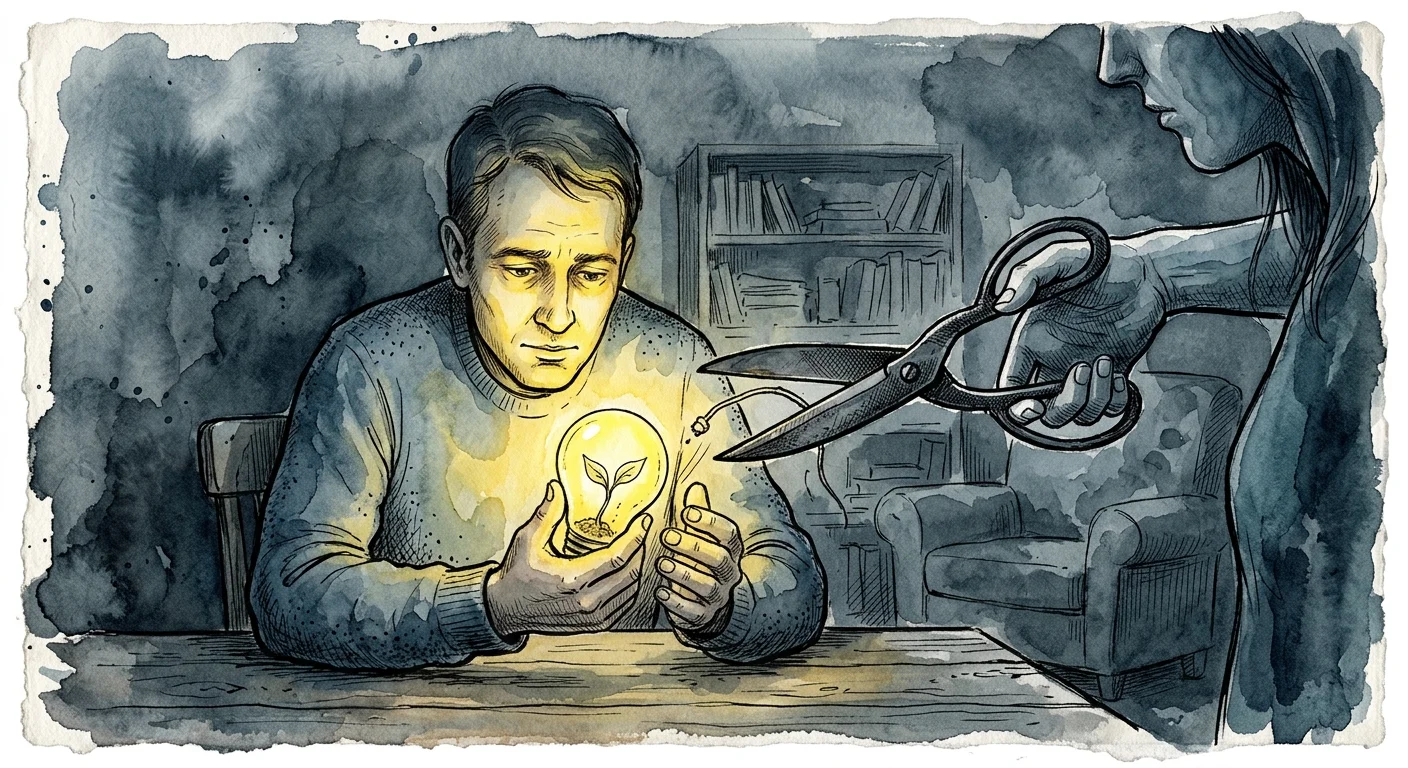
Mocking your spouse’s thoughts, dreams, or suggestions communicates a toxic sense of superiority. Whether they suggest a new budgeting strategy or propose an unconventional vacation destination, outright dismissing their ideas shuts down all future collaboration. A successful marriage requires mutual respect and a willingness to operate as a team; treating your partner like a naive subordinate swiftly destroys intimacy. Contemptuous language like this tells your spouse that you view yourself as the definitive authority in the relationship.
Actionable insight: Practice finding the merit in their suggestions before you offer a critique. Try responding with, “Tell me more about how you envision that working,” before you outline your own concerns. This approach keeps the dialogue open and respectful, signaling that you value their contribution to the partnership even when you disagree with the specific concept.
10. I Am Fine
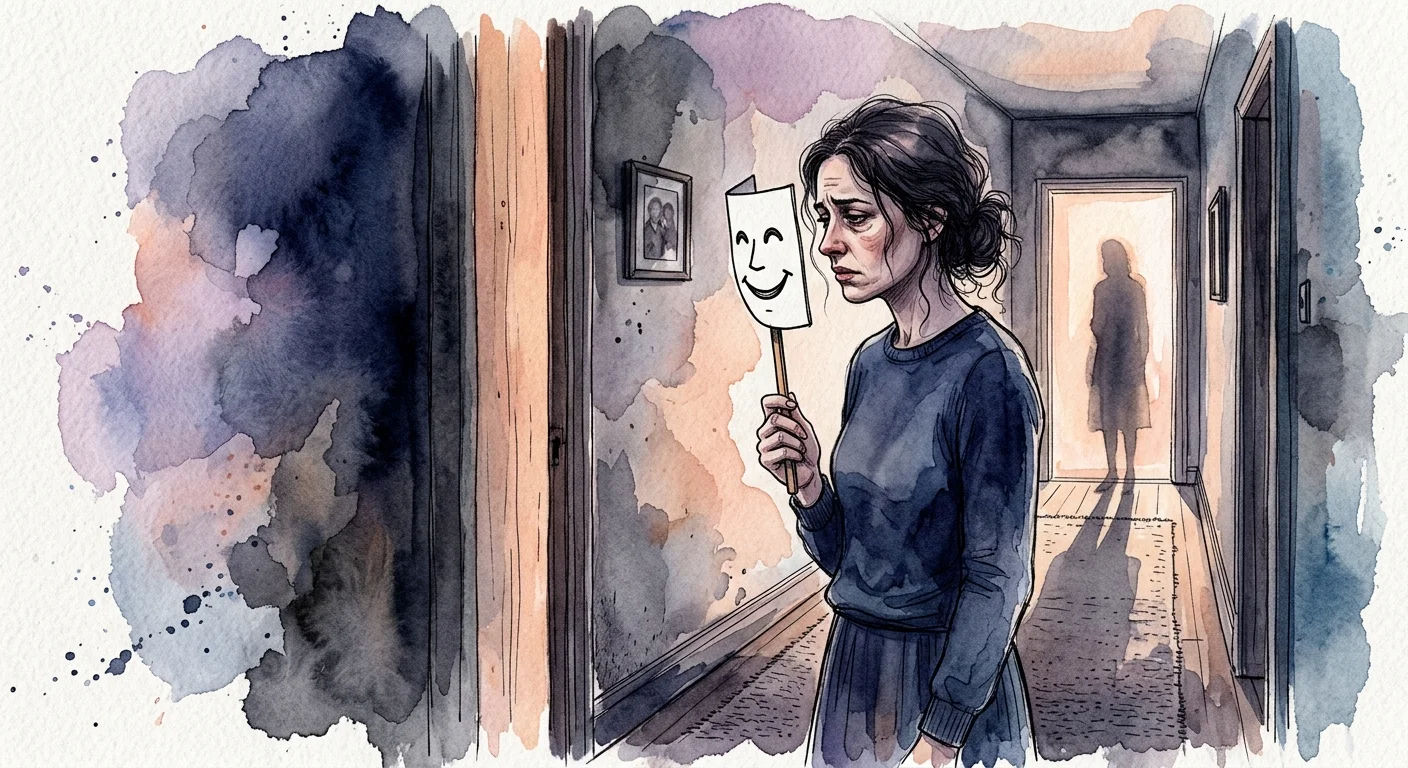
Employing passive-aggression forces your spouse to play an exhausting game of mind reader. When you grit your teeth and declare “I am fine” while aggressively slamming kitchen cabinets, you cultivate a tense, unpredictable home environment. The American Psychological Association emphasizes that healthy communication requires partners to eliminate mind-reading expectations and instead state their internal feelings directly. Expecting your spouse to decode your silent fury sets you both up for a spectacular failure.
Actionable insight: Take ownership of your difficult emotions. If you feel too angry to talk in the moment, express that boundary honestly rather than masking it behind a sarcastic dismissal. You might say, “I am actually quite upset right now, and I need some time to process my thoughts before we discuss it.” This provides clarity and relieves your partner from having to guess what they did wrong.

11. My Ex Used to Do That
Dragging an ex-partner into your current marital conflict guarantees a rapid escalation of hurt and jealousy. Whether the comparison frames your ex in a positive or negative light, mentioning them signals that you still measure your current life against a past relationship. This deeply undermines your spouse’s confidence in their unique place in your heart. Your marriage deserves to stand on its own merits, free from the ghosts of your dating history.
Actionable insight: Keep your past romantic relationships entirely out of your marital disagreements. Focus one hundred percent of your energy on the dynamic existing between you and your current spouse. If you notice a negative pattern repeating itself, address the pattern based solely on current events. Say, “I feel disconnected when we do not spend quality time together,” rather than, “My last boyfriend never ignored me like this.”
12. You Need to Calm Down
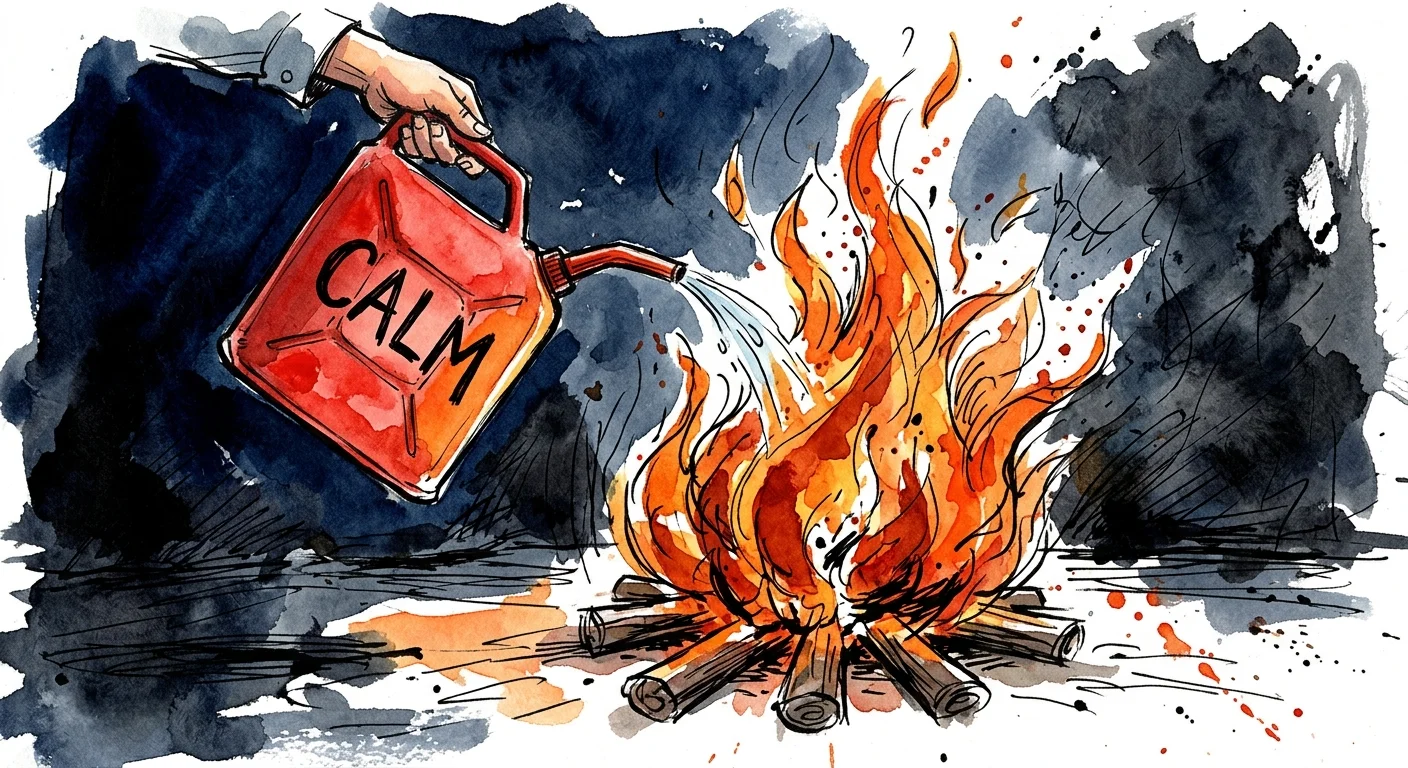
Instructing an upset person to calm down rarely produces a calming effect; in fact, it reliably acts as emotional gasoline. This phrase frequently escalates the situation by making your spouse feel patronized, managed, and dismissed. When a person becomes physiologically flooded during an argument, their heart rate spikes, adrenaline surges, and their brain’s capacity for rational conversation temporarily shuts down. Barking condescending orders at them only accelerates this intense biological response.
Actionable insight: Regulate your own nervous system first to positively influence the environment. Lower the volume of your voice and speak at a slower, more deliberate pace. You might offer a gentle observation instead of a command, such as, “I can see how upset you are, and I want to understand. Let’s take a deep breath together before we continue.”

Checklist for Repairing a Hurtful Conversation
If you have accidentally let one of these toxic phrases slip, all is not lost. The way you handle the aftermath matters just as much as the mistake itself. Follow this practical checklist to repair the rupture and restore emotional safety with your spouse:
- Take immediate accountability for your hurtful words without making excuses or shifting the blame.
- Validate your spouse’s feelings and acknowledge the negative impact of your statement.
- Clarify your actual intent using a gentle, emotionally intelligent approach.
- Ask your partner what they need right now to feel safe, respected, and heard.
- Commit to practicing a healthier, more direct communication strategy during your next disagreement.
Repairing the damage requires vulnerability and patience. By actively choosing empathy over ego, you strengthen your relationship and prove that your marriage can withstand moments of imperfection.