

Your Path Forward: Small Steps to Reconnection
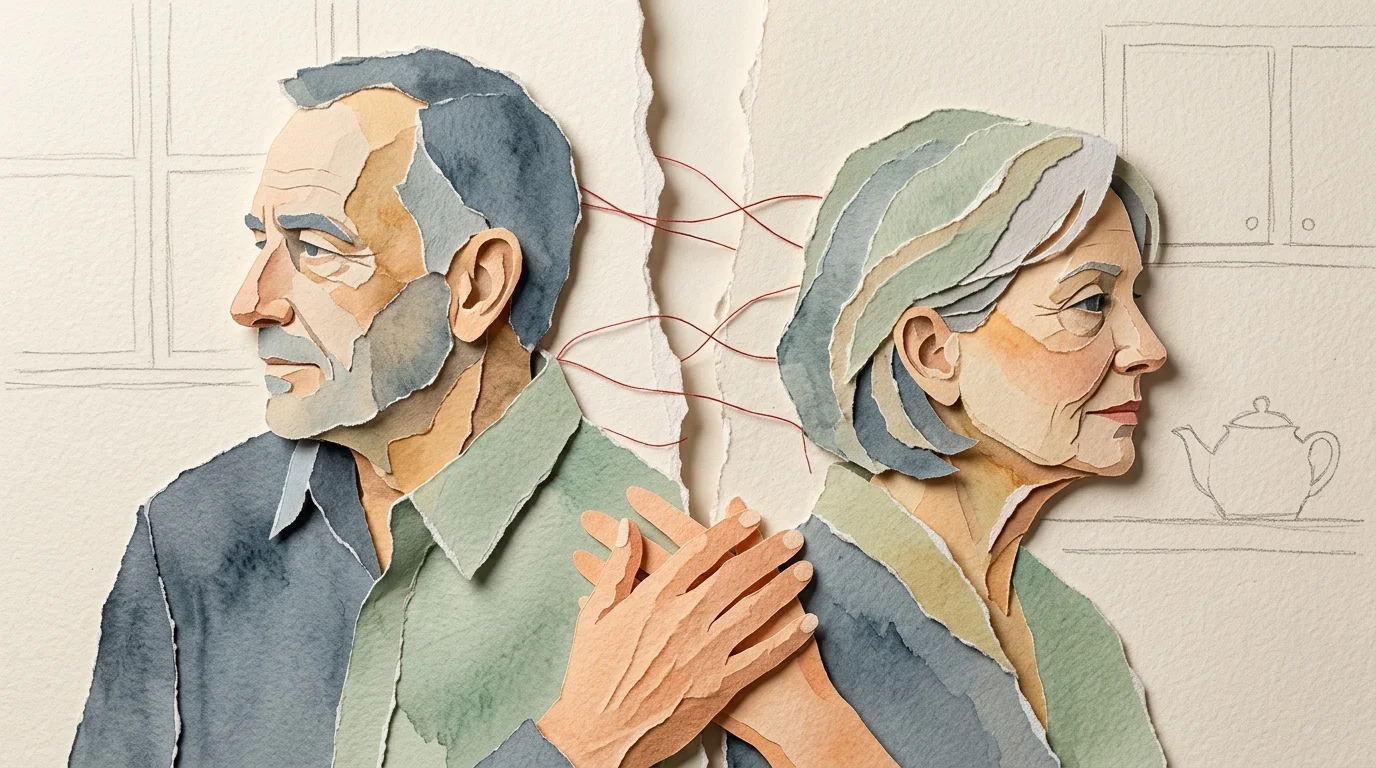
Changing long-standing patterns in a marriage can feel like trying to turn a giant ship. It doesn’t happen overnight. The goal is not perfection but progress. The journey away from the painful cycle of shutdown and frustration begins with small, consistent steps. You cannot control your husband’s reactions, but you can control your own actions. By choosing a more mindful, respectful, and structured way to communicate, you create the conditions in which connection is more likely to thrive.
Remember, your husband’s withdrawal is most often a signal of his own distress, not a reflection of his love for you. By learning to see the shutdown as a sign of overwhelm rather than a sign of rejection, you can approach him with compassion instead of anger, inviting him back into connection rather than pushing him further away.
Here are three concrete steps you can take this week to begin changing the dance:
1. Pick One Pattern to Change. Don’t try to fix everything at once. Choose just one of the six triggers discussed in this article that resonates most with you. For the next seven days, focus solely on replacing that one pattern with its healthier alternative. If you tend to criticize, practice gentle start-ups. If you “kitchen-sink,” hold yourself to a strict one-topic rule.
2. Introduce the Time-Out. Find a calm, neutral time to talk to your husband about the concept of emotional flooding. Say something like, “I read about how conversations can get too intense and our brains just shut down. I think that happens to us sometimes. Could we come up with a signal, like the word ‘pause,’ that either of us can use to take a 20-minute break when we feel overwhelmed?” Co-creating this plan makes it a team tool, not a unilateral action.
3. Propose a Weekly Check-In. Frame the “State of the Union” meeting as a positive, low-pressure experiment. Say, “I’d love for us to have a dedicated time each week to just check in on the good stuff and make sure small problems don’t become big ones. Would you be open to trying a 20-minute chat on Sunday night?”
These small, intentional actions can create powerful ripples of change, slowly replacing walls of silence with bridges of understanding. It is a path that requires patience, courage, and a deep well of kindness for both your partner and yourself.
Disclaimer: This article is for informational purposes only and does not constitute medical, legal, or therapeutic advice. The content is not intended to be a substitute for professional advice, diagnosis, or treatment. Always seek the advice of a qualified health provider with any questions you may have regarding a medical or mental health condition. If you are in immediate danger, please call your local emergency services. In the U.S., you can also contact the National Domestic Violence Hotline at 1-800-799-7233.








Leave a Reply